

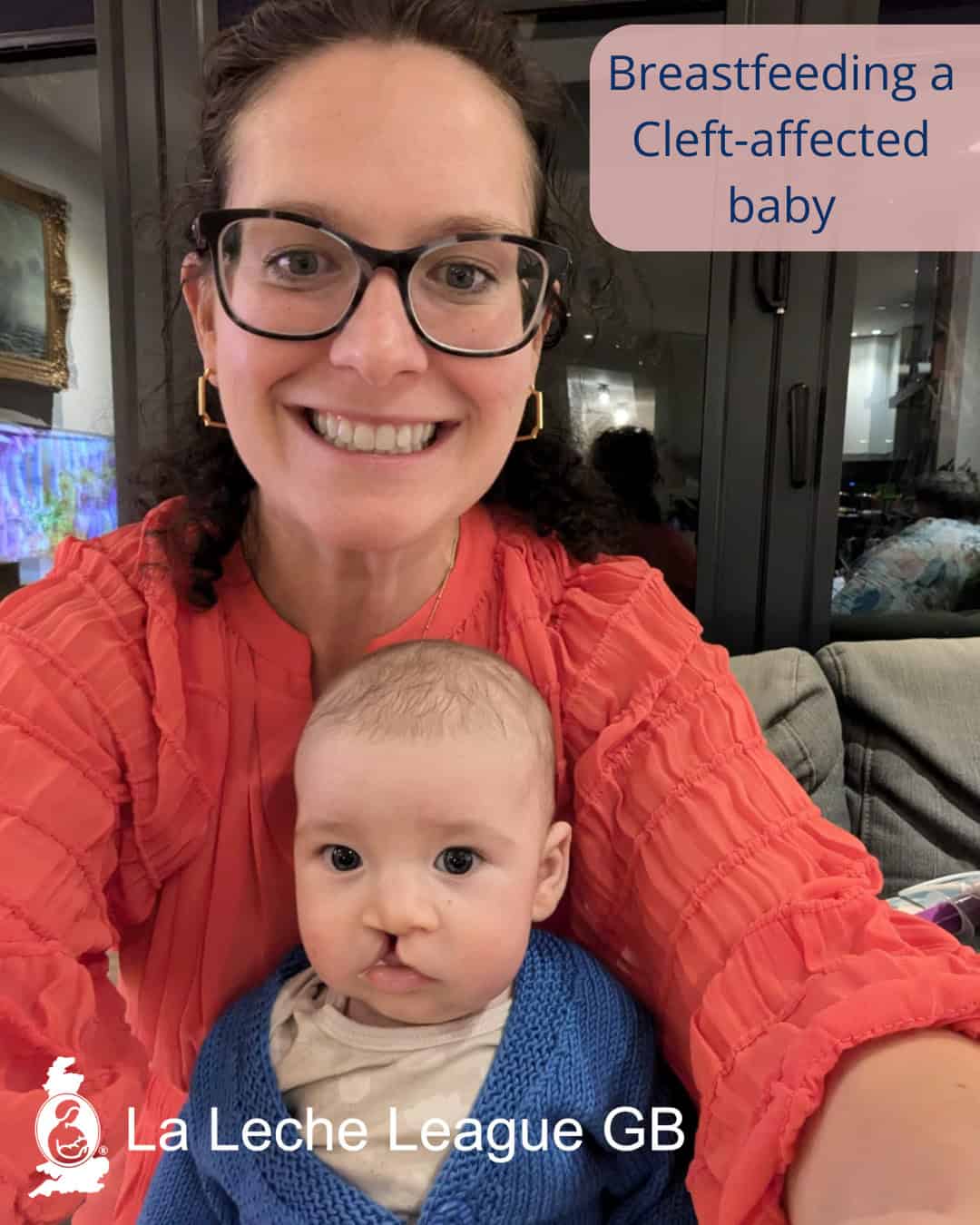
For families welcoming a baby diagnosed with a cleft lip or palate, the journey often presents unique considerations, particularly concerning infant feeding. Cleft lip or palate, a congenital condition occurring when the structures forming the upper lip or roof of the mouth fail to join during fetal development, affects approximately 1 in 700 babies globally, making it one of the most common birth differences. While a cleft lip may allow for adapted breastfeeding, babies born with a cleft palate typically face significant challenges in generating the necessary suction pressure to efficiently remove milk from the breast until surgical repair is performed. Despite these obstacles, medical professionals and lactation experts affirm that breastfeeding remains a viable and highly beneficial option, requiring perseverance, strategic adaptations, and robust support systems.
Understanding Cleft Lip and Palate: Prevalence, Types, and Diagnosis
Cleft lip and palate are conditions that arise early in pregnancy, usually between the fourth and ninth weeks. A cleft lip can range from a minor notch to a complete separation extending into the nose, while a cleft palate involves an opening in the roof of the mouth that can affect the hard palate, the soft palate, or both. These conditions can occur independently or in combination, with varying degrees of severity. The exact causes are multifactorial, often involving a complex interplay of genetic predispositions and environmental factors such as certain medications, maternal illnesses, or nutritional deficiencies during pregnancy.
Advancements in prenatal diagnostics mean that many cases of cleft lip, and sometimes cleft palate, are identified during routine ultrasound scans, providing expectant parents crucial time to prepare and consult with specialist teams. Postnatal diagnosis is immediate at birth, initiating a coordinated care pathway that typically involves a multidisciplinary team including craniofacial surgeons, pediatricians, audiologists, speech therapists, and, critically, specialist nurses and lactation consultants. Early diagnosis is pivotal, not only for surgical planning but also for empowering parents with knowledge and support to address immediate feeding challenges.

The Indispensable Role of Breast Milk for Vulnerable Infants
Breast milk is universally recognized as the optimal nutrition for infants, offering a comprehensive array of benefits that extend far beyond basic sustenance. It is a living fluid rich in antibodies, enzymes, white blood cells, and growth factors, all tailored to meet the specific developmental needs of a newborn. For babies with a cleft lip or palate, these benefits are even more pronounced, offering a critical layer of protection and support for their unique health trajectory.
Firstly, the immunological properties of human milk are paramount. Cleft-affected babies often face an increased risk of ear infections and upper respiratory issues due to the anatomical disruption, which can allow food and liquids to enter the nasal cavity. Breast milk provides passive immunity, bolstering the infant’s defense against pathogens and potentially reducing the frequency and severity of these infections. Secondly, breast milk is easily digestible and promotes healthy gut development, which is crucial for overall growth, especially for babies who may experience feeding difficulties or require surgery. The anti-inflammatory components in human milk can also aid in the healing process post-surgery, reducing recovery time and discomfort. Furthermore, the unique composition of breast milk adapts as the baby grows, ensuring optimal nutrition at every stage, including during periods of surgical intervention and recovery.
Navigating the Initial Feeding Challenges and Establishing Milk Supply
Upon diagnosis, one of the primary concerns for parents is how their baby will feed. While babies with an isolated cleft lip often manage to breastfeed with positional adjustments, those with a cleft palate cannot create the necessary vacuum seal for effective milk transfer. This anatomical barrier means that while the baby may instinctively root and attempt to latch, they cannot extract sufficient milk.
Therefore, establishing and maintaining the mother’s milk production immediately after birth becomes the foremost priority. Medical experts and lactation consultants emphasize initiating milk expression within the first few hours postpartum, ideally mirroring the frequency of a healthy newborn’s feeds – approximately 8 to 12 times in 24 hours. This frequent and effective removal of milk signals the mother’s body to build a robust supply, ensuring a plentiful reserve of human milk for the baby, regardless of the direct feeding method. High-quality double electric hospital-grade breast pumps are often recommended for their efficiency in stimulating and maintaining supply, and many cleft specialist teams can facilitate access to these devices. This intensive pumping schedule, especially in the initial weeks, is acknowledged as demanding, underscoring the vital need for practical and emotional support for the mother.

Adaptive Feeding Techniques: From Syringes to Supplementers
In the early days, when a baby’s stomach capacity is small, alternative feeding methods such as syringes or teaspoons can be used to deliver colostrum and early milk. However, as milk production increases and the baby’s nutritional needs grow, more sustainable methods are required.
Specialized Bottles and Teats: A common solution involves using bottles and teats specifically designed for cleft-affected babies. These often feature softer, longer teats that can bridge the gap in the palate or one-way valves that prevent air ingestion and allow milk to flow more easily without requiring strong suction. Cleft specialist nurses play a crucial role in advising parents on the most appropriate bottle and teat system for their individual baby’s anatomy and feeding style.
Nursing Supplementers (Supplemental Nursing Systems): For mothers who wish to provide milk at the breast, even if the baby cannot generate adequate suction, nursing supplementers offer a powerful solution. These systems consist of a container (bag or bottle) filled with expressed breast milk (or donor milk/formula) and thin tubes that are taped alongside the mother’s nipple. The baby latches onto the breast, taking the tube into their mouth simultaneously. This allows the baby to receive milk directly at the breast, fostering skin-to-skin contact, stimulating the mother’s milk supply through suckling motions (even if inefficient), and providing the psychological benefits of breastfeeding.
There are various types of nursing supplementers, ranging from commercial systems with calibrated tubes and flow rates to simpler DIY versions. Delivering milk through a supplementer often requires parents to gently squeeze the bag or bottle, or to use a syringe connected to the tube, to ensure a steady flow of milk, compensating for the baby’s inability to create suction. This technique, while requiring practice and coordination, allows the baby to "breastfeed" effectively, reinforcing the neural pathways associated with nursing and potentially easing the transition to direct breastfeeding post-surgery. Many mothers describe this method as profoundly rewarding, enabling them to experience the intimate bond of breastfeeding despite the initial physical challenges.

Strategic Positioning for Optimal Feeding
Finding a comfortable and effective feeding position is paramount for both mother and baby, regardless of the feeding method. For cleft-affected babies, specific adjustments can minimize air intake, prevent milk from entering the nasal cavity, and facilitate milk transfer.
- Upright Positions: Holding the baby in a more upright position, such as the football hold or laid-back feeding, can help gravity assist milk flow downwards and reduce the likelihood of milk regurgitating into the nasal passages.
- Support for the Jaw and Cheeks: Gently supporting the baby’s jaw and cheeks can improve stability around the nipple and encourage a deeper latch, even if suction is limited.
- Positioning to Seal the Cleft: For babies with a cleft lip, positioning the breast tissue to fill the gap in the lip can help create a better seal, although this may require experimentation. For cleft palates, the upright position is generally more critical.
Lactation consultants experienced with cleft feeding can provide personalized guidance, helping parents explore different holds and techniques to discover what works best for their unique baby. The goal is to maximize comfort and efficiency, ensuring the baby receives adequate nutrition while minimizing distress.
The Surgical Chapter and Beyond: Continuing the Breastfeeding Journey
Cleft repair surgery typically occurs in stages, with lip repair often performed around 3-6 months of age and palate repair between 6-18 months. These surgeries are transformative, correcting the anatomical differences and significantly improving feeding abilities.
For babies who have been receiving milk at the breast via a supplementer or even just comfort suckling, the transition to direct, unassisted breastfeeding post-palate repair can be remarkably smooth. The "memory" of being at the breast and the mother’s established milk supply are invaluable assets. However, it is also important to acknowledge that the post-surgical period can present new challenges. Babies may struggle for several weeks as they adapt to their new mouth anatomy, build strength in their oral muscles, and recover from the surgical trauma. During this time, maintaining a strong milk supply through continued expression is crucial, as breast milk aids significantly in healing and recovery. Patience, persistence, and ongoing support from the cleft team and lactation professionals are key to navigating this phase. Many mothers report that with time and consistent effort, their babies successfully transition to exclusive direct breastfeeding, fulfilling a deeply cherished goal.

The Power of Comprehensive Support Systems
The successful breastfeeding journey of a cleft-affected baby is rarely a solitary endeavor. It relies heavily on a robust network of interdisciplinary support.
- Cleft Specialist Teams: These teams, comprising surgeons, nurses, speech therapists, and nutritionists, provide comprehensive medical care and guidance throughout the child’s development. Their expertise in cleft-specific feeding issues is indispensable.
- Lactation Consultants: Certified lactation consultants (IBCLCs), especially those with experience in complex feeding cases, offer tailored strategies, hands-on assistance with latch and positioning, and emotional support. Organizations like La Leche League (LLL) provide peer-to-peer support, connecting mothers with experienced LLL Leaders who can offer practical advice and encouragement.
- Peer Support Groups: Connecting with other parents who have breastfed cleft-affected babies can provide invaluable emotional validation, shared experiences, and practical tips that only those who have walked the path can offer. These networks help mitigate feelings of isolation and empower parents to persist.
- Family and Community Support: The demands of pumping, alternative feeding methods, and frequent medical appointments can be overwhelming. Practical assistance from partners, family, and friends – whether through meal preparation, childcare for other siblings, or simply emotional encouragement – is critical for the mother’s well-being and ability to maintain her milk supply.
Broader Implications and Advocacy
The ability to breastfeed a cleft-affected baby has profound implications beyond individual health outcomes. From a public health perspective, successful breastfeeding reduces healthcare costs associated with formula feeding and treating common childhood illnesses. For mothers, achieving breastfeeding goals, even with adaptations, can significantly enhance maternal bonding, self-efficacy, and mental well-being, fostering a sense of empowerment in navigating a challenging diagnosis.
Advocacy efforts are essential to ensure that all families of cleft-affected babies receive equitable access to comprehensive, evidence-based feeding support. This includes training for healthcare providers, funding for specialist lactation services, and promoting awareness of the possibilities of breastfeeding for these infants. Continued research into optimal feeding strategies, long-term health outcomes, and the psychosocial impact of cleft conditions will further refine best practices and improve the lives of these children and their families.
In conclusion, while a diagnosis of cleft lip or palate presents immediate feeding challenges, it does not preclude the possibility or the profound benefits of human milk. Through early intervention, diligent milk supply management, innovative adaptive feeding techniques, and the unwavering support of a dedicated healthcare team and community, mothers can successfully provide their cleft-affected babies with the unparalleled nourishment and comfort of breastfeeding, fostering their health, healing, and development every step of the way.
