

The daily ritual of preparing children for school or daycare has evolved into a complex logistical challenge for many modern families, a stark contrast to the simpler departures of previous generations. As school bells ring again, marking the end of summer leisure, the imperative to re-establish structured routines becomes paramount for household harmony and timely arrivals. This article delves into evidence-based strategies and practical tools designed to transform chaotic mornings into predictable, empowering experiences for both parents and children.
The Evolving Landscape of Family Mornings

In an era characterized by dual-income households, extended commutes, and increased academic expectations, the morning period has become a critical bottleneck. What once involved a quick grab of keys and a simple exit now entails a labyrinth of tasks: waking children, ensuring personal hygiene, dressing, breakfast, packing lunches, and gathering school essentials. This multifaceted demand often places significant stress on parents, with studies consistently highlighting the morning rush as a major source of familial tension and parental burnout. Research from various family psychology institutes indicates that up to 70% of parents report feeling rushed or stressed during weekday mornings, contributing to a less positive start to the day for both adults and children. The post-summer transition exacerbates this, as families shed the flexible schedules of vacation for the rigid demands of academic life, necessitating a deliberate and concerted effort to reinstate order.
The Foundational Role of Routine and Predictability
Child development experts universally agree that children thrive within predictable structures. Consistent routines provide a sense of security, reduce anxiety, and foster the development of essential executive functions such as planning, organization, and self-regulation. When children know what to expect, they are better equipped to navigate transitions and participate actively in their own care. This understanding forms the bedrock of effective morning management. Without a clear framework, mornings can devolve into a series of power struggles, delays, and emotional outbursts, hindering a child’s readiness for learning and a parent’s ability to maintain composure. Establishing these routines is not merely about efficiency; it is about cultivating an environment where children can gradually assume greater responsibility and independence.

Strategic Interventions for Streamlined Mornings
Implementing a series of deliberate strategies can significantly alleviate the pressures of the morning rush. These interventions span from proactive preparation to innovative motivational techniques.
1. Pre-emptive Preparation: The Evening Advantage

The cornerstone of a smooth morning lies in comprehensive preparation the night before. This strategy minimizes decision fatigue and last-minute scrambling during peak rush hours. Tasks that can be completed in the evening include:
- Outfit Selection: Laying out clothes for the following day, potentially involving children in the choice to foster autonomy. For younger children or those prone to indecision, pre-selecting a week’s worth of outfits using a hanging closet organizer can be particularly effective.
- Meal Preparation: Clearing dinner dishes and setting the table for breakfast. Packing school lunch boxes and snacks, storing them in the refrigerator, ready for retrieval. Utilizing a school lunch planner can streamline this process further, ensuring balanced meals and reducing daily culinary choices.
- Backpack and School Supplies Check: Ensuring all homework is in backpacks, necessary books are packed, and permission slips are signed and placed in an easily accessible location. Designating a specific spot for backpacks, perhaps on low-level wall hooks near the exit, promotes independence.
- General Tidiness: A quick tidy-up of communal areas can reduce visual clutter and mental load the next morning.
By front-loading these responsibilities, parents can shave off significant minutes from the morning routine and mitigate potential crises arising from forgotten items or last-minute disagreements. Data suggests that families who implement consistent evening preparation routines report a 30-40% reduction in morning stress levels and a significant decrease in late arrivals.
2. Prioritizing Parental Well-being: The Early Start

A critical, yet often overlooked, component of a successful morning is the parent’s own readiness. Waking up 15-30 minutes before the children provides invaluable "me-time" for parents to mentally and physically prepare for the day ahead. This period allows for personal hygiene, a quiet cup of coffee, or a moment of reflection, enabling parents to greet their children with greater patience and focus.
Educational psychologists emphasize that a calm and composed parent sets the tone for the entire household. Conversely, a parent who wakes up simultaneously with their children or after them is often immediately thrust into reactive mode, leading to heightened stress and a less effective management of the morning flow. While sacrificing sleep may seem counterintuitive, adjusting bedtime to accommodate this early wake-up can yield substantial benefits in terms of parental mental health and overall household functionality. This practice aligns with recommendations for mindful parenting, advocating for self-care as a prerequisite for effective child-rearing.
3. Mastering Time: Visual and Auditory Cues
Children, especially those who cannot yet read traditional clocks, benefit immensely from concrete representations of time. Timers and structured auditory cues can transform abstract time concepts into tangible signals.
- Visual Timers: Analog countdown timers with colored discs that gradually disappear are highly intuitive for young children. These tools visually demonstrate how much time remains for a specific task, such as getting dressed or eating breakfast, fostering an understanding of time management without constant parental reminders. Different versions, some using animal imagery or color-coding, cater to various developmental stages.
- Auditory Cues/Morning Playlists: Creating a morning playlist with upbeat, motivating songs can act as a sonic timeline. Each song or song transition can be associated with a particular task. For example, the first song signals "wake up and get dressed," the second "breakfast time," and the final song "time to put on shoes and leave." This musical structure makes the routine engaging and provides clear, consistent prompts. The rhythm and familiarity of the music can also positively influence a child’s mood, making transitions smoother.
These methods empower children to internalize the pace of the morning, reducing the need for parental nagging and promoting a sense of responsibility for their schedule.
4. Engaging Children: Playful Motivation and Incentives
Leveraging the inherent playfulness of children can be a powerful tool in accelerating morning routines.
- Gamification: Transforming tasks into a "race" or a "challenge" can inject fun and urgency. "Can you get dressed before I finish brushing my teeth?" or "Let’s see who can gather their backpack and shoes fastest!" are simple yet effective ways to motivate children. The competitive element, when handled positively, can significantly speed up activities that might otherwise be met with resistance.
- "Free Time" as a Reward: Offering a period of "free time" as a reward for completing all morning tasks promptly is a highly effective incentive. During this designated period, children can engage in preferred activities (e.g., reading, playing with Legos, educational screen time, drawing) until it’s time to leave. This strategy capitalizes on positive reinforcement, teaching children that efficiency leads to desirable outcomes. It’s crucial, however, to manage the types of "free time" activities carefully. For instance, limiting screen time to educational content or prioritizing non-screen activities prevents children from becoming overly reliant on digital rewards or waking excessively early solely for screen access. The "free time" itself should also be timed using a visual or auditory timer to maintain structure.
These motivational techniques shift the dynamic from parental demands to child-driven accomplishment, fostering a sense of agency and pride.
5. Fostering Independence: The Power of Checklists

Checklists are invaluable tools for promoting independence and clarifying expectations for children of all ages.
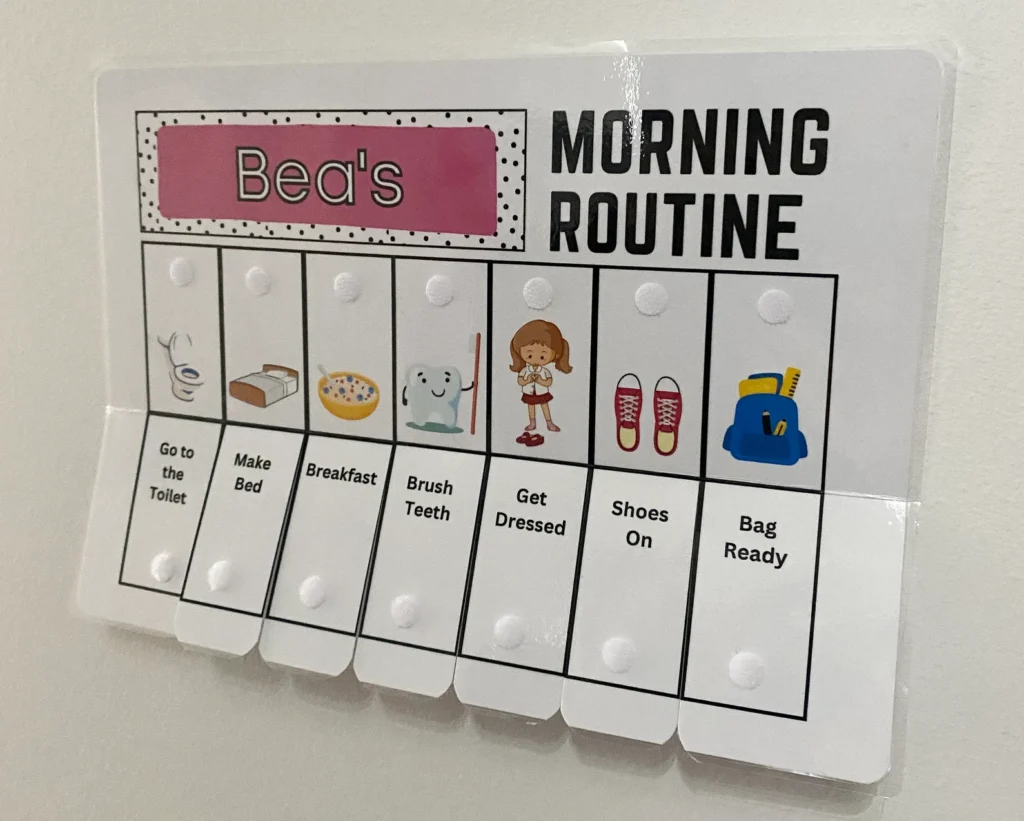
- Visual Checklists: For non-readers, checklists featuring drawn or printed pictures of each task (e.g., a toothbrush for "brush teeth," a shirt for "get dressed") are highly effective. As children complete a task, they can physically mark it off, providing a tangible sense of achievement.
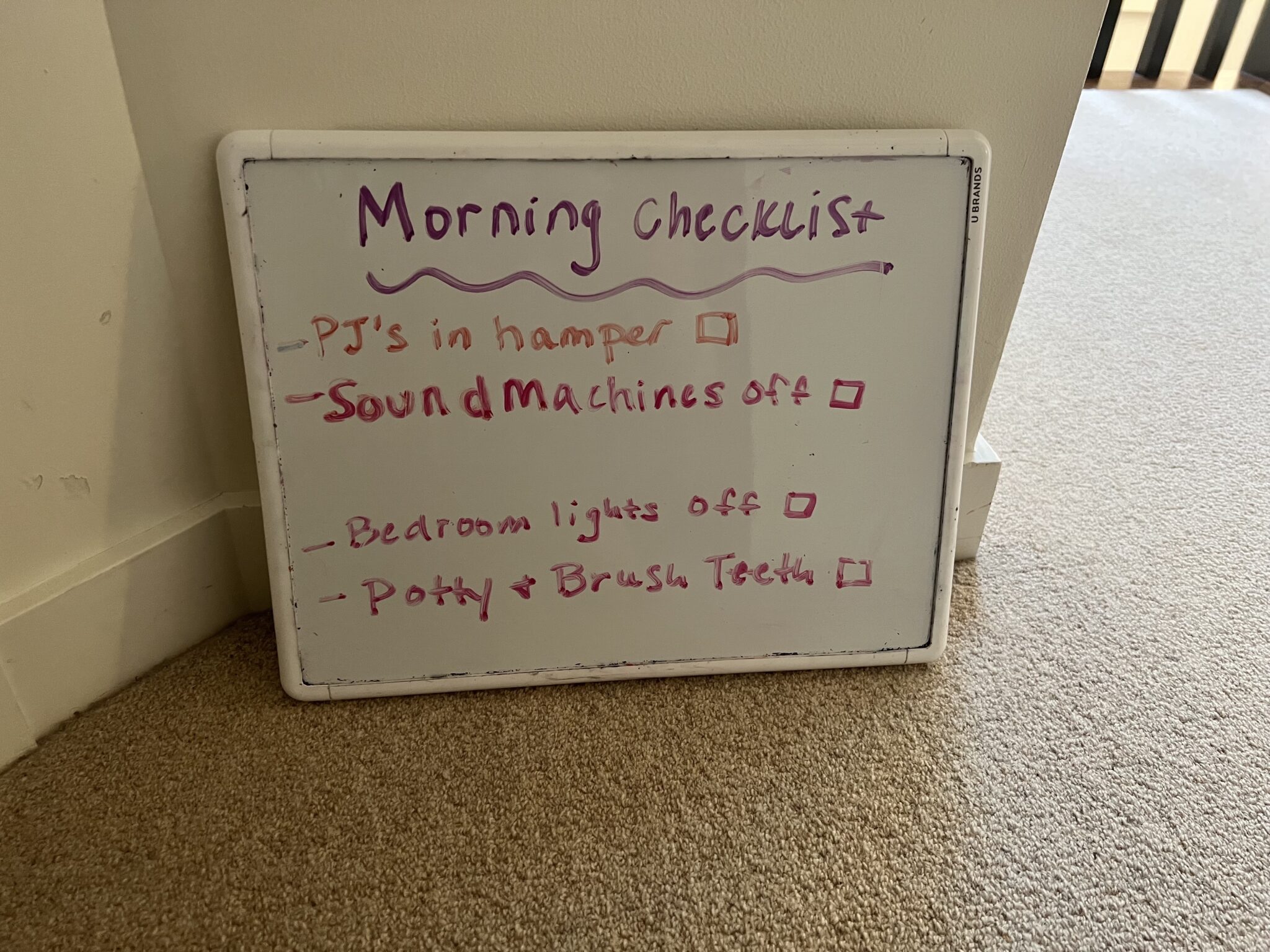
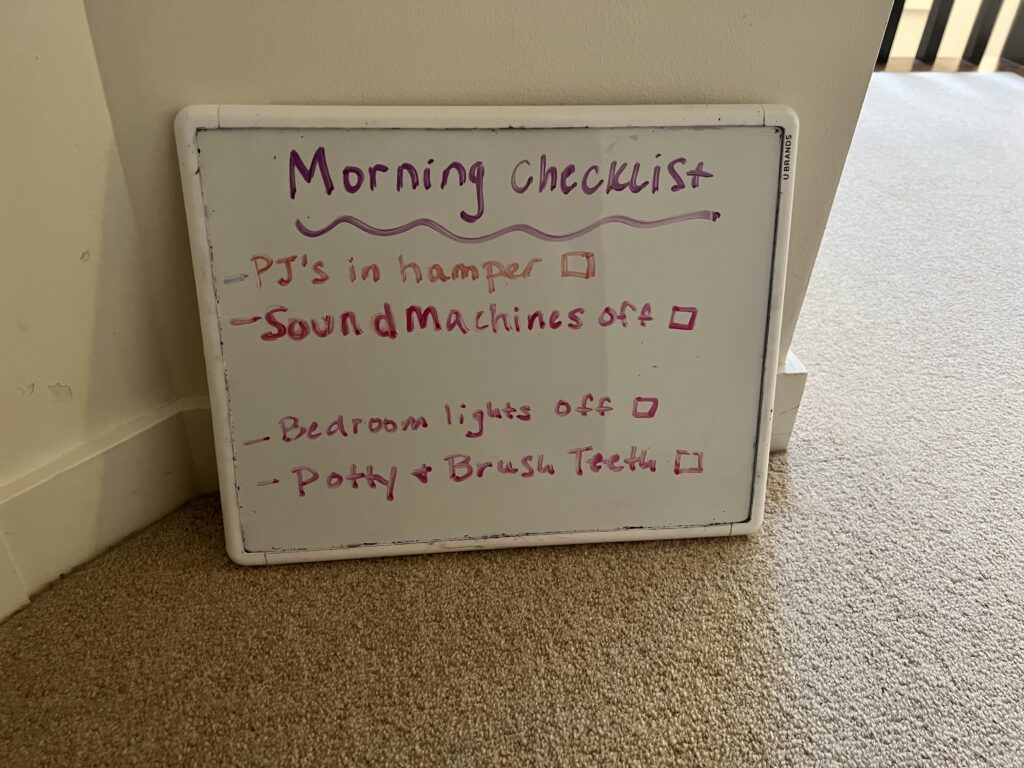
- Written Checklists: For older children, a simple written list on a whiteboard or magnetic board placed prominently (e.g., outside their bedroom door, on the refrigerator) serves as a self-guided reminder.
- Interactive Charts: Reusable visual morning charts with sliding tabs or velcro pieces allow children to physically "flip" or "move" a marker once a task is done. This interactive element adds to the sense of accomplishment and engagement. Such tools reinforce the sequence of tasks and empower children to monitor their own progress without constant verbal prompts from parents.
Checklists not only keep children on track but also reduce parental mental load, as the list becomes the external authority rather than the parent constantly reminding.
6. Nutritional Efficiency: Simplified Breakfast Solutions

Mornings are not the time for elaborate culinary endeavors. Keeping breakfast simple, nutritious, and quick to prepare is essential for maintaining momentum.
- Quick and Healthy Options: Focus on foods that require minimal preparation but provide sustained energy. Examples include:
- Peanut butter and banana toast.
- Instant oatmeal with fruit and nuts.
- Whole-grain toaster waffles or pancakes with berries.
- Avocado toast.
- Yogurt with granola and fruit.
- Hard-boiled eggs (prepared in advance).
- Smoothies (ingredients pre-portioned the night before).
These options ensure children receive adequate nourishment without consuming precious minutes. Preparing breakfast items that children can largely serve themselves, such as pre-portioned cereals or accessible fruit, further enhances efficiency and fosters self-sufficiency.
Tools and Innovations Supporting Morning Routines

Beyond strategies, several practical items can significantly aid in streamlining morning routines.
- Smart Alarm Clocks (e.g., Hatch Rest): Devices that use light and sound cues to signal "ok-to-wake" can gently rouse children and provide a clear, consistent start to their day. The transition from a sleep state to wakefulness is smoother when guided by gradual light changes and pleasant sounds, reducing morning grogginess and resistance.
- Visual Countdown Timers: As discussed, these clocks are invaluable for translating abstract time into a visible, understandable format for children, particularly those who are pre-literate.
- Hands-Free Footwear (e.g., Kizik Sneakers): Shoes designed for easy slip-on, eliminating the need for laces or Velcro, can save crucial minutes at the departure point. For children still mastering tying laces, these offer a practical solution that promotes independence without delays.
- Organizational Systems:
- Wall Hooks: Strategically placed at child-level near the entryway for backpacks and coats encourage children to retrieve their belongings independently.
- Dry Erase Whiteboards: A versatile tool for customizable checklists, easily updated as routines evolve.
- Weekly Clothes Organizers: Hanging organizers with compartments for each day of the week simplify outfit selection and storage.
- Chore Charts with Sliding Checkboxes: Offer a tactile and visually satisfying way for children to track completed tasks.
Long-Term Benefits and Broader Implications
The consistent application of these strategies extends far beyond simply getting out the door on time. By fostering predictable routines and empowering children with tools for self-management, parents contribute significantly to their children’s long-term development. Children learn valuable life skills such as time management, organization, responsibility, and problem-solving. They develop a stronger sense of autonomy and self-efficacy, knowing they can contribute to the smooth functioning of their household.

Moreover, a calm and efficient morning routine significantly reduces family conflict and enhances overall family harmony. Parents experience reduced stress, leading to a more positive parenting experience and a healthier start to their own workdays. The cumulative effect of consistent, positive morning experiences contributes to improved academic readiness, better emotional regulation in school, and stronger family bonds built on cooperation rather than contention.
In conclusion, while the demands of modern life make the morning rush a formidable challenge, it is a solvable one. By adopting a proactive, structured, and empathetic approach, integrating expert-backed strategies, and utilizing practical tools, families can transform their mornings from a source of stress into a foundation for a successful, peaceful day.
