

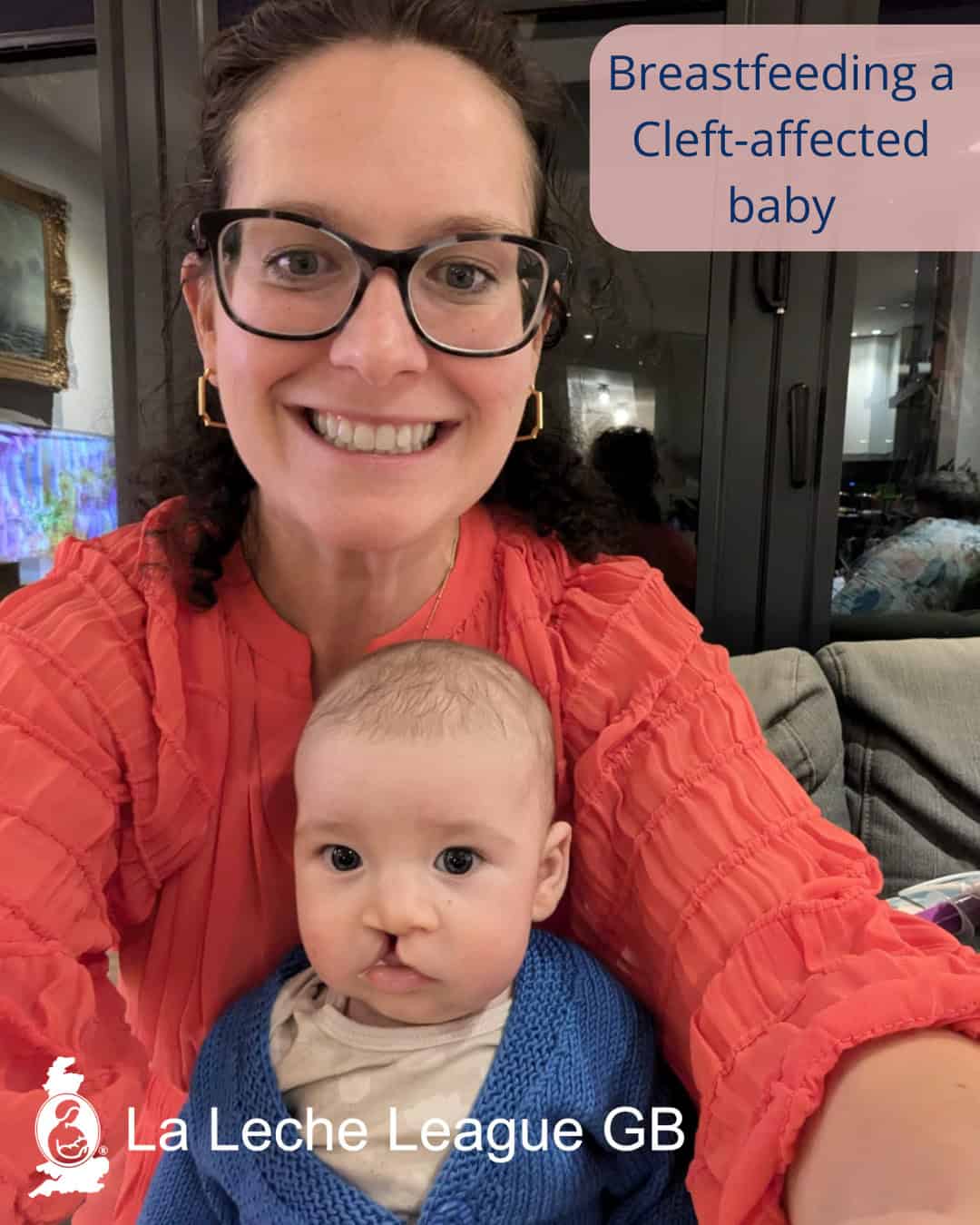
The journey of breastfeeding a newborn can be fraught with challenges, but for parents whose babies are diagnosed with a cleft lip and palate, these hurdles often appear insurmountable. Sarah Muir-Little’s experience with her son, Russell, offers a compelling narrative of perseverance, innovation, and advocacy, challenging conventional medical advice and highlighting the profound bond forged through adapted feeding methods. Her story began amidst a period of personal strain, as her father-in-law was in intensive care, overshadowing the initial excitement of her pregnancy. The 20-week scan, typically a joyous milestone confirming the baby’s sex, became a pivotal moment when a sonographer’s question, "Have you heard of a cleft lip?" abruptly shifted their world.
Understanding Cleft Lip and Palate: A Medical Overview
Cleft lip and palate are among the most common birth differences globally, affecting approximately 1 in 700 babies. This condition arises when the structures forming the baby’s upper lip or the roof of the mouth (palate) do not fuse completely during early fetal development. The severity can vary, from a minor notch in the lip to a complete separation extending into the nose and palate. The Cleft Lip and Palate Association (CLAPA) in the UK serves as a vital resource, supporting families navigating this diagnosis.
Medically, the implications for feeding are significant. Babies with an isolated cleft lip can often breastfeed, sometimes requiring minor adaptations to achieve a proper seal. However, a cleft palate presents a more complex challenge. The inability to create sufficient suction pressure, crucial for extracting milk from the breast, makes direct breastfeeding extremely difficult, if not impossible, until surgical repair. This anatomical reality is why many healthcare professionals traditionally advise against breastfeeding for babies with cleft palates, instead recommending specialized bottles designed to facilitate milk intake without suction. Surgical interventions typically involve two main operations in the first year: one to repair the lip, and another for the palate, with potential further surgeries later in childhood.
The Antenatal Diagnosis and Emotional Landscape
For Sarah, the diagnosis delivered by the sonographer and subsequently elaborated upon by a midwife was devastating. She was informed that breastfeeding her baby would likely be impossible. Having recently weaned her toddler in anticipation of nursing her new baby, the news struck a deep emotional chord. Breastfeeding had been a cornerstone of her maternal identity, and the prospect of its absence triggered a profound sense of grief. This initial medical pronouncement, while rooted in standard practice, did not account for the emotional weight or the potential for alternative pathways.
A subsequent consultation with a specialist nurse provided a glimmer of hope. While acknowledging that direct breastfeeding might not be feasible if the palate was affected (a fact that wouldn’t be confirmed until birth), the nurse clarified that "some sort of breastfeeding journey" might still be possible, albeit one that would likely deviate from her prior experience. This nuance was crucial, shifting the narrative from absolute impossibility to one of potential adaptation. It underscored the importance of nuanced communication from healthcare providers, offering hope without negating the medical realities.
A Quest for Adapted Solutions: Research and Innovation
Driven by an unwavering determination to breastfeed, Sarah embarked on an extensive research mission. She scoured the websites of CLAPA, La Leche League, and other online resources, specifically searching for examples of successful breastfeeding post-palate surgery or with assistive devices. The findings were, initially, dishearteningly sparse. However, the limited success stories she uncovered pointed to two critical factors: maintaining a sufficient milk supply and employing methods for delivering milk to the baby at the breast without requiring strong suction.
The first point, maintaining milk supply, seemed within her control. She had successfully breastfed her toddler, albeit with challenges related to pumping. She recognized that with improved pumping knowledge and technique, she could likely meet the milk demands. The second point, milk delivery, led her to investigate nursing supplementer systems. These devices typically consist of a bottle containing expressed milk connected to a thin tube that is positioned at the nipple, allowing the baby to receive milk while latched onto the breast, thereby stimulating milk supply and fostering the breastfeeding bond without relying on the baby’s suction.
Sarah explored the two main nursing supplementer systems available in the UK. One was gravity-fed, offering a slow flow, while the other featured a squeezable bottle for controlled milk delivery. She found both systems presented practical difficulties. The gravity-fed option was too slow, and the squeezable bottle, though delivering more milk, felt awkward to hold. Traditional advice for assisting babies with latch issues, such as the "dancer hand hold" (where the index finger and thumb form a ‘U’ to support the baby’s chin), also proved challenging when attempting to simultaneously manage a supplementer and a doll for practice. This hands-on experimentation highlighted the gap between theoretical advice and the practical realities of managing complex feeding situations.
Russell’s Arrival and the Genesis of an Innovative Feeding Method

Russell’s birth brought both immense joy and immediate feeding challenges. Initially, he was fed expressed colostrum via a syringe, with a clean finger placed in his mouth to encourage a sucking reflex. The plan was to transition to feeding at the breast with a supplementer once Sarah’s milk supply increased. An unexpected stroke of serendipity occurred when some wrongly ordered syringes perfectly fitted the supplementer tube. Leveraging this discovery, and with the kind assistance of the midwife team who sourced larger, screw-cap syringes, Sarah ingeniously modified the caps by drilling holes to create a secure, custom-fitted delivery system for the supplementer tube. This creative problem-solving underscored her commitment to finding a workable solution tailored to her unique circumstances.
The standard recommendations for using a supplementer involve either inserting the tube after the baby has latched or taping it to the breast prior to latching. Both presented difficulties for Sarah and Russell. Russell’s latch, lacking suction, was fragile, making it impossible to insert a tube post-latch without dislodging him. Taping the tube further away from the nipple resulted in a long, unwieldy section of tubing that was hard to guide into a newborn’s tiny mouth. Sarah decided to tape the tube very close to the nipple, a method that, while simplifying tube placement, often compromised the latch and led to milk loss. This period of trial and error, marked by frustration and distress for both mother and baby, was a testament to the steep learning curve involved in pioneering an unconventional feeding approach.
Navigating the Complexities of Positioning and External Scrutiny
Beyond the technicalities of the supplementer, positioning Russell at the breast remained a significant challenge. The "dancer hold," often recommended for babies with low muscle tone or prematurity, proved difficult to execute alongside the supplementer. Sarah reported both she and Russell experiencing stress during feeds. A breakthrough came when she discovered Russell would calm and feed effectively when placed on the non-taped breast, receiving directly expressed milk. This confirmed his hunger and reinforced her belief that a calm, adapted approach was necessary.
After consulting with a specialist at Great Ormond Street Children’s Hospital, Sarah made a crucial decision to prioritize comfort and familiarity over strict adherence to new techniques. She opted to continue using the cradle hold, a position she had found natural with her toddler, despite it potentially leading to more milk leakage around Russell’s cleft. The emphasis shifted to creating relaxed feeds with a deep latch, acknowledging that some milk loss was an acceptable trade-off for a calm and positive feeding experience. These early weeks were characterized by messiness and frustration, yet Sarah remained convinced of the method’s worth.
As Russell grew, their feeding dynamic evolved. Sarah learned to pace the milk delivery via the syringe, pausing when Russell paused, ensuring the flow was neither too slow nor too fast. This responsive feeding style, mirroring natural breastfeeding, prevented Russell from becoming overwhelmed or frustrated. She also learned to manage Russell’s expectations, either putting him down or changing his position when refilling the syringe to avoid upsetting him when the milk flow temporarily ceased.
The unique nature of their feeding journey inevitably attracted attention and comment, both positive and negative. Friends who initially questioned her efforts to bridge the gap until post-surgery breastfeeding, upon witnessing Sarah and Russell feeding, expressed understanding and admiration, recognizing that she was, indeed, breastfeeding. Such affirmations provided immense emotional validation. However, negative comments also arose, notably from a paediatrician who implied their method was unsafe, advocating for "safe and effective" specialist cleft bottles. These remarks, particularly from healthcare professionals, required considerable resilience to dismiss, highlighting the challenge of deviating from established medical protocols even when an alternative proves successful. Sarah’s conviction in her approach, supported by Russell’s consistent weight gain and apparent enjoyment of feeding, empowered her to brush off such criticisms.
Evolution of the Method and Surgical Milestones
Around ten weeks of age, Russell began to show discomfort with the tape in his mouth. This prompted another adaptation: Sarah started taping the tube further away from the nipple, eventually abandoning tape altogether. This untaped method demanded greater coordination but became manageable as both mother and baby grew accustomed to it. The journey was not linear; there were moments of perceived regression, with Russell becoming upset or refusing feeds. During these times, Sarah reminded herself that Russell was primarily a baby, and his cleft was secondary. Often, the issues were common baby behaviors, such as distraction around three months of age.
The most significant milestone in Russell’s journey was the reconstructive surgery for his lip and hard palate. Post-operatively, as the effects of morphine subsided, Russell initially accepted only bottle feeds. However, upon resuming feeding from the supplementer, he rejected bottles, perhaps associating them with the difficult post-surgical days. This preference meant Sarah continued to express milk and manage all feeds, an exhausting endeavor.
Broader Implications and a Message of Empowerment
Sarah Muir-Little’s experience with Russell transcends a personal story; it serves as a powerful testament to the importance of parental agency, adaptive care, and the enduring benefits of breastfeeding. Her journey highlights several critical implications for healthcare practice and family support:
- Challenging Conventional Wisdom: Sarah’s success demonstrates that traditional medical advice, while often well-intentioned, may not always encompass all possibilities or individual circumstances. It encourages healthcare professionals to adopt a more flexible and patient-centered approach.
- The Power of Perseverance and Innovation: Her relentless pursuit of a solution, her willingness to experiment, and her ingenious adaptations underscore the profound impact of parental determination in overcoming significant obstacles.
- The Unquantifiable Benefits of the Breastfeeding Bond: Beyond the nutritional advantages of breast milk, Sarah’s story emphasizes the emotional and bonding benefits of feeding at the breast, even with assistive devices. This connection, she argues, is invaluable for both mother and child.
- The Critical Role of Support Systems: Her husband’s unwavering support – handling bottle-washing, night feeds while she pumped, and providing emotional reassurance – was indispensable. This highlights that managing complex feeding situations is often a team effort.
- Advocacy for Personalized Care: Sarah’s experience calls for a healthcare system that supports personalized feeding plans for cleft-affected babies, moving beyond a one-size-fits-all approach and empowering parents to make informed choices that align with their goals and their baby’s needs.
Sarah’s journey is a beacon of hope for other parents facing similar diagnoses. Every day spent using the supplementer, she believes, is a bonus for Russell’s health and their bond. She expresses immense pride in what they have achieved together, validating her decision to pursue a path less traveled. Her story, shared through platforms like La Leche League, serves as a vital educational resource, expanding the narrative around breastfeeding with cleft conditions and inspiring both parents and professionals to explore all avenues for nurturing the unique bond between a mother and her child.
