

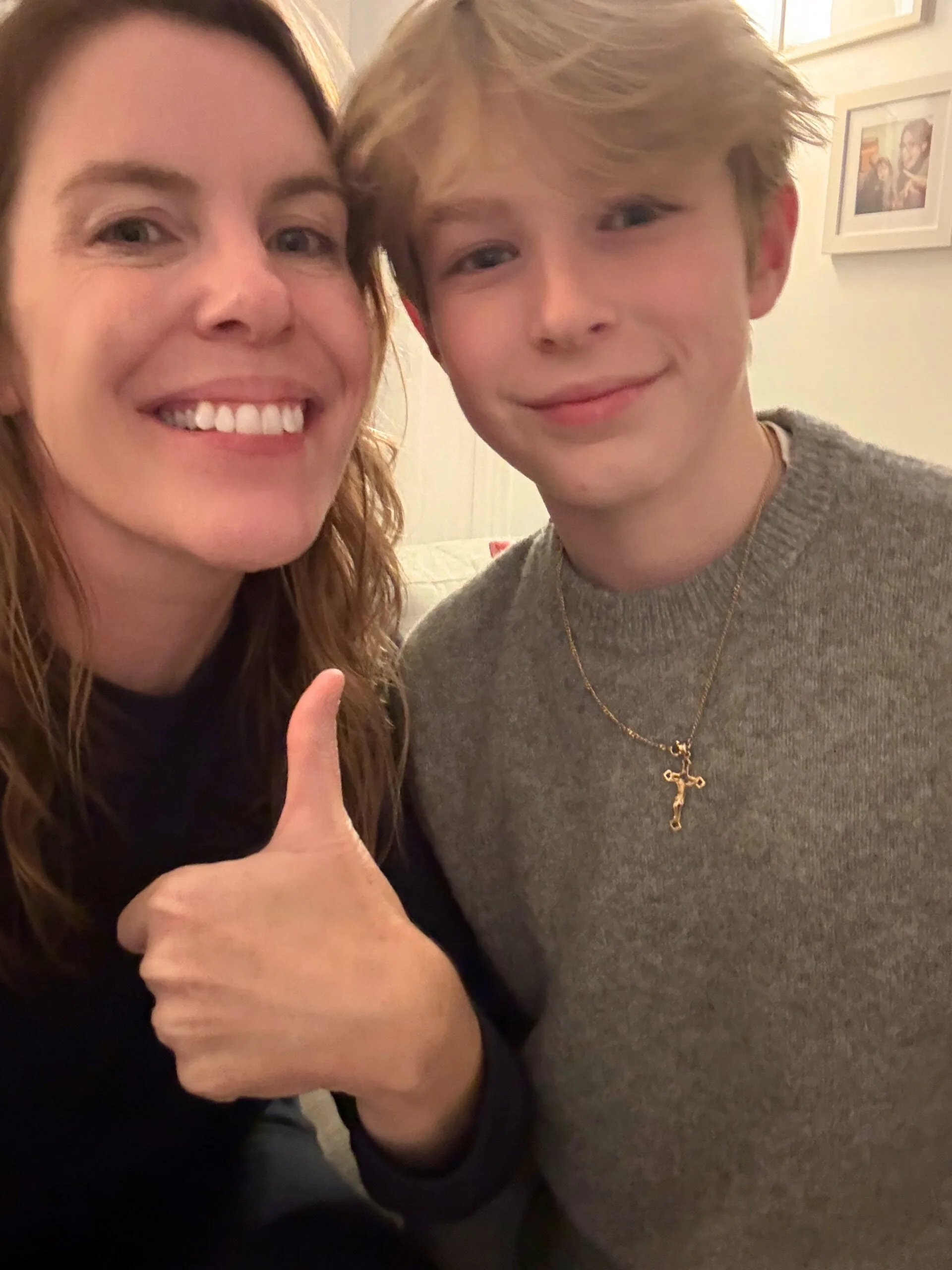
The landscape of modern parenting has increasingly integrated psychological frameworks once reserved for adult romantic relationships, a trend exemplified by the recent documentation of a bedtime dialogue between Joanna Goddard, a prominent lifestyle chronicler, and her twelve-year-old son, Anton. This interaction, occurring in late March 2026, highlights the evolving methodology parents use to navigate the transition from childhood to adolescence. By utilizing Dr. Gary Chapman’s "Five Love Languages" concept, the exchange provided a window into how pre-teens internalize affection and the degree to which their emotional needs shift as they approach their thirteenth year.
The Bedtime Inquiry: A Case Study in Emotional Literacy
The event took place during a routine evening interaction, a period frequently cited by child psychologists as a critical window for parental bonding and disclosure. Anton, who is scheduled to enter his teenage years in the summer of 2026, engaged in a discussion regarding the pop-psychology concept of love languages. This framework, which posits that individuals have preferred methods for expressing and receiving emotional care, served as the primary tool for the inquiry.
During the conversation, Goddard outlined the five traditional categories: words of affirmation, acts of service, quality time, physical touch, and receiving gifts. While the parent had long assumed the child’s primary language was physical touch—based on a history of bedtime proximity and tactile affection—the twelve-year-old provided a self-assessment that challenged these long-held parental assumptions. Anton identified "acts of service" and "quality time" as his primary emotional drivers. Specifically, he cited the preparation of apple slices during study sessions and shared activities, such as bicycle rides or strategy games like Codenames, as the moments when he felt most valued.

This revelation underscores a common phenomenon in developmental psychology: the shifting priority of emotional needs as a child moves toward autonomy. As adolescents begin to assert independence, the passive reception of physical touch often gives way to the appreciation of supportive actions and intentional presence.
The Origins and Proliferation of the Five Love Languages
To understand the context of this interaction, it is necessary to examine the history of the framework in question. The "Five Love Languages" was first introduced by Dr. Gary Chapman in his 1992 book, The 5 Love Languages: The Secret to Love that Lasts. While originally intended for married couples, the concept has seen a massive expansion in scope over the last three decades. By the early 2020s, the book had sold over 20 million copies and had been translated into 50 languages.
The framework is categorized as follows:
- Words of Affirmation: Verbal expressions of affection, praise, or appreciation.
- Acts of Service: Actions taken to ease the burden of responsibilities for another person.
- Quality Time: Undivided attention and shared experiences.
- Physical Touch: Non-sexual physical contact as a means of reassurance and connection.
- Gifts: Tangible tokens of thought and effort, regardless of monetary value.
In 2016, Chapman co-authored The 5 Love Languages of Children, adapting the principles for parent-child dynamics. The core argument of this adaptation is that every child has a "love tank" that must be filled through their specific primary language to ensure healthy emotional development.
Developmental Chronology: From Infancy to the "Tween" Years
The relationship between Goddard and her son Anton serves as a longitudinal example of these shifting dynamics. Public records and previous documentations indicate that the pair’s public journey began in July 2013, with the birth of Anton and his initial introduction to his elder brother, Toby. Over the subsequent thirteen years, the parental approach has evolved from the intensive physical care required in infancy to the sophisticated emotional negotiation required in the "tween" years.
The transition at age twelve is particularly significant. According to the American Academy of Pediatrics (AAP), this stage of development is characterized by a "search for identity" and a "desire for more independence." The fact that Anton identified "acts of service"—specifically those that support his academic efforts (e.g., providing snacks during homework)—suggests a desire for parental support that facilitates his growing responsibilities rather than merely providing comfort.
Supporting Data: The Impact of Positive Parenting Frameworks
While some critics in the academic community argue that the "Five Love Languages" lacks rigorous empirical evidence, sociological data suggests that the application of such frameworks correlates with positive outcomes. A 2022 study published in the Journal of Child and Family Studies found that parents who actively seek to understand their children’s emotional preferences report 30% lower levels of conflict during the adolescent transition.
Furthermore, the "acts of service" identified by Anton align with what researchers call "responsive parenting." This involves noticing a child’s specific needs—such as the need for sustenance during a difficult task—and meeting them without being asked. Data from the National Institute of Child Health and Human Development (NICHD) suggests that children who experience high levels of parental responsiveness are more likely to develop strong social skills and higher academic resilience.
Broader Implications for Adolescent Mental Health
The timing of this emotional check-in is critical. As Anton prepares to enter his teenage years, he is entering a demographic that has seen rising rates of anxiety and social isolation over the past decade. By establishing a clear understanding of how the child receives love, the parent creates a "protective factor"—a psychological buffer that can mitigate the stressors of adolescence.
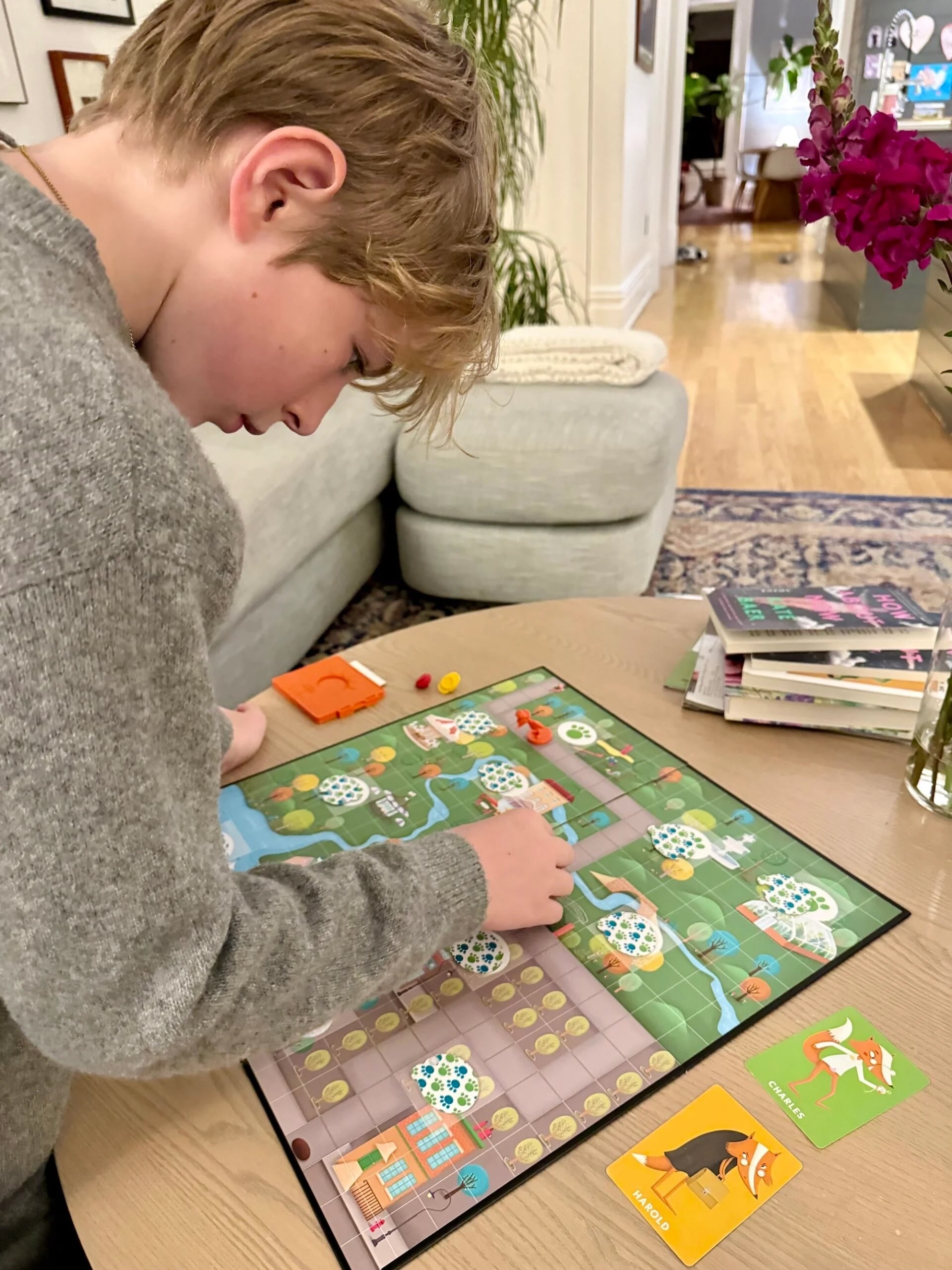
The inclusion of the child’s interests, such as drumming and fishing, into the framework of "quality time" is also significant. Experts in adolescent development, such as Dr. Laurence Steinberg, emphasize that "shared interest" is one of the most effective ways to maintain a bond with a teenager who is otherwise pulling away to find their own social circle. By asking technical questions about drumming techniques, as Goddard documented, a parent validates the child’s burgeoning expertise, thereby utilizing "quality time" to bolster the child’s self-esteem.
Intergenerational Patterns and Social Reactions
The discussion also touched upon the love languages of the extended family, providing a look at intergenerational emotional patterns. Goddard noted that her father’s primary language was acts of service—manifested through the stocking of specific European cereals—while her mother’s was words of affirmation. Goddard herself identified with words of affirmation and physical touch.
This mapping of family dynamics is a common exercise in modern therapeutic settings. It allows for the identification of "emotional mismatches," where a parent might be "speaking" a language that the child does not prioritize. For example, a parent who constantly buys gifts (Gifts) for a child who craves undivided attention (Quality Time) may find the child remains emotionally unsatisfied despite the parent’s significant expenditure of effort and resources.

Public reaction to this specific case study has been substantial, with over 140 recorded comments from other parents within hours of the documentation. This indicates a high level of public interest in practical, easy-to-implement psychological tools for domestic life. Examples from the community further illustrate the diversity of these languages in children, ranging from a niece who feels loved through the receipt of cat toys to children who prioritize "digital quality time," such as playing mobile games together on a sofa.
Analysis of Implications
The shift in Anton’s preferred love language from physical touch to acts of service and quality time represents a successful calibration of the parent-child relationship. It demonstrates that as children grow, the method of parenting must evolve even if the intensity of the love remains constant.
From a journalistic and sociological perspective, this event highlights three key trends:
- The Democratization of Psychology: Complex emotional frameworks are being simplified and used in everyday household settings to improve communication.
- The Rise of the "Tween" Focus: There is an increasing recognition that the ages of 10 to 12 are a distinct developmental period requiring specific parental strategies.
- The Value of Small Gestures: The emphasis on "apple slices" and "bowl of Cheerios" suggests that in the hierarchy of adolescent needs, consistent, small acts of reliability often outweigh grand, expensive gestures.
As Anton enters his thirteenth year in the summer of 2026, the foundation of understood love languages provides a roadmap for navigating the complexities of the teenage years. By shifting the focus from what the parent thinks the child needs to what the child reports they need, the family unit demonstrates a model of emotional intelligence that prioritizes the child’s internal reality over external assumptions. This approach, while rooted in a 30-year-old pop-psychology book, continues to find relevance in a modern world where clear communication is the primary currency of healthy family dynamics.
