

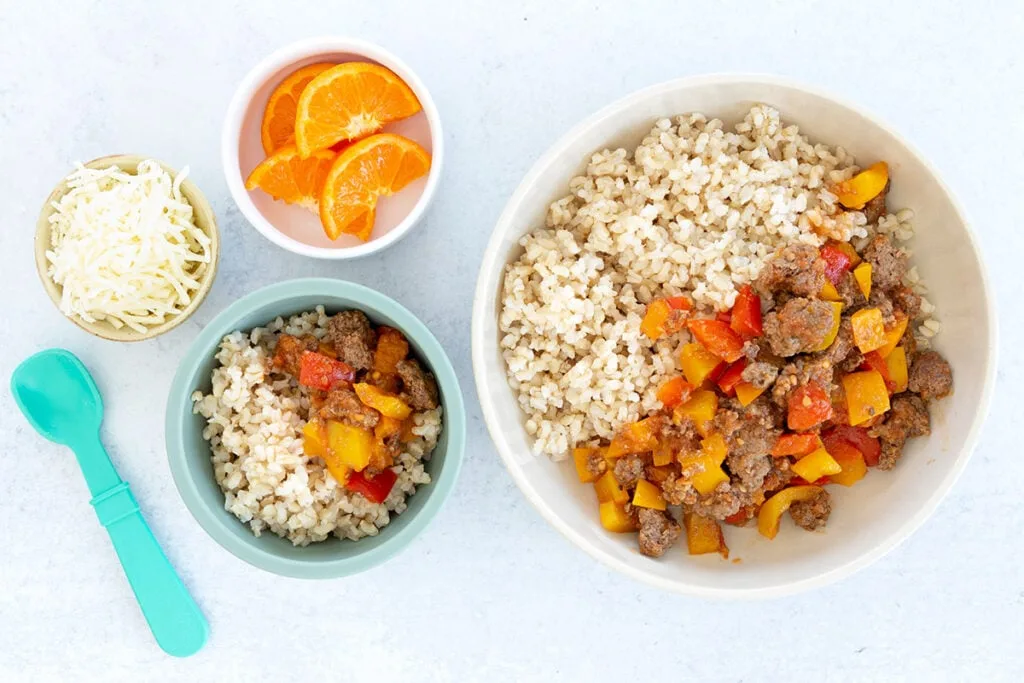
The landscape of domestic meal preparation is undergoing a significant shift as families increasingly prioritize efficiency without compromising nutritional integrity. Central to this transformation is the emergence of "deconstructed" versions of classic recipes, a trend exemplified by the rising popularity of the unstuffed pepper. Traditionally, stuffed peppers have been a staple of home cooking across various cultures, notably within the Mediterranean and Eastern European traditions, where they are known as dolma or punjena paprika. However, the traditional method—which involves par-boiling peppers, preparing a separate filling, and baking the assembly for up to an hour—is increasingly viewed as incompatible with the time constraints of the modern professional household. The transition to a 20-minute skillet version represents more than just a culinary shortcut; it is a strategic adaptation to the socio-economic pressures of contemporary family life.
The Shift from Traditional Assembly to Deconstructed Efficiency
The traditional stuffed pepper is a labor-intensive dish that requires multiple stages of preparation and several pieces of cookware, leading to significant cleanup time. Culinary analysts note that the requirement to bake the peppers until tender while ensuring the internal meat and rice mixture is fully cooked often results in a total preparation and cooking time exceeding 60 to 75 minutes. In contrast, the skillet-based "unstuffed" method reduces this window to approximately 20 minutes.
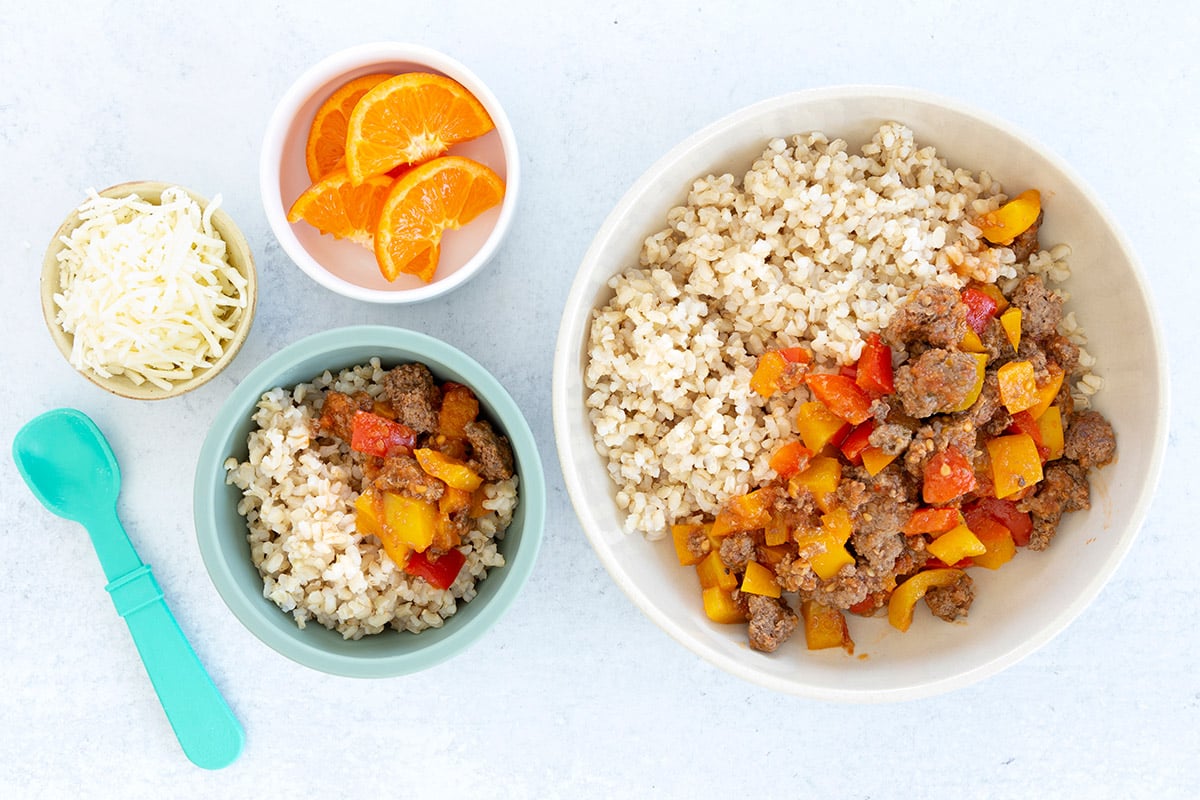
This efficiency is achieved by dicing the bell peppers and sautéing them directly with the protein source, typically ground beef or turkey. This simultaneous cooking process utilizes the high heat of a skillet to achieve a Maillard reaction on the meat while softening the peppers in their own juices and added tomato acidity. By removing the "stuffing" step, the chef eliminates the structural constraints of the pepper, allowing for more even heat distribution and a faster thermal transition.
A Chronological Breakdown of the Twenty-Minute Preparation
The logistical success of the unstuffed pepper relies on a streamlined chronology that maximizes every minute in the kitchen. For families managing extracurricular activities and professional obligations, this timeline has become a blueprint for weeknight success.
Phase 1: Preparation and Mise en Place (Minutes 0–5)
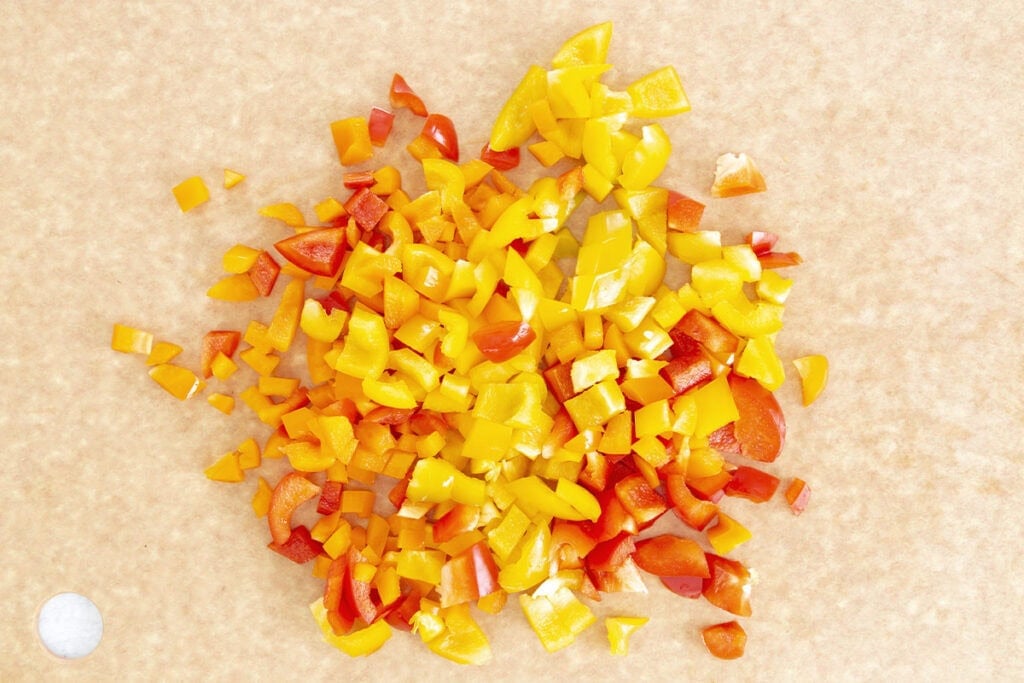
The process begins with the dicing of the bell peppers. Culinary experts suggest that the size of the dice can be adjusted based on the age of the consumers; larger pieces are recommended for families with "skeptical" children, as they allow for easy identification and, if necessary, removal of the vegetable component. Pre-cut peppers from retail outlets can further reduce this phase to nearly zero.
Phase 2: Searing and Flavor Development (Minutes 5–10)
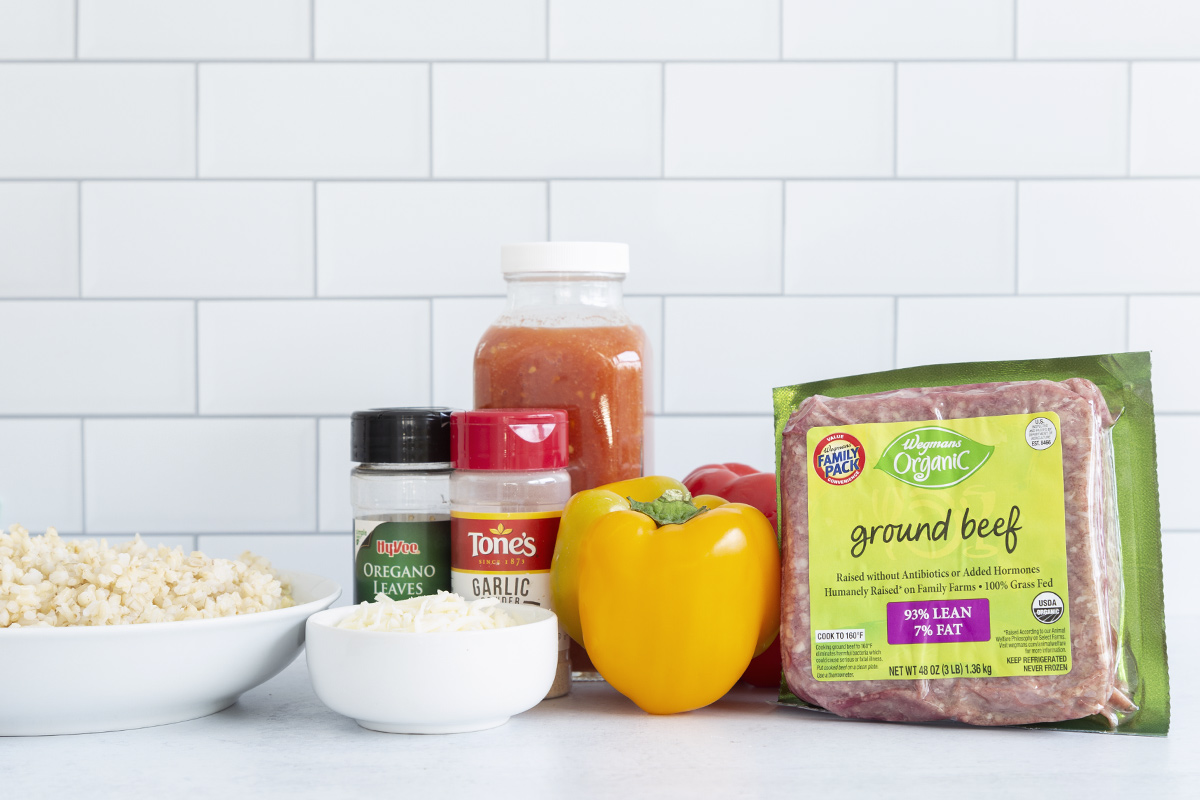
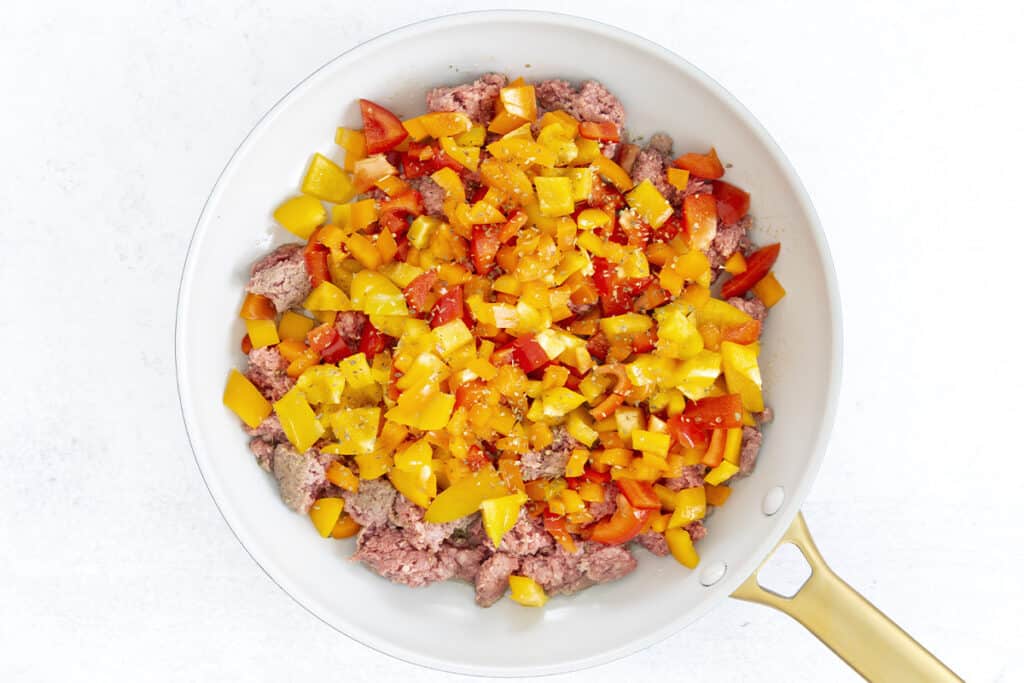
A large skillet is preheated over medium-high heat. The protein—ground beef or turkey—is added alongside the diced peppers and a specific blend of spices. This stage is critical for developing the base flavors of the dish. Unlike the traditional method where peppers are steamed, this method allows the peppers to slightly caramelize, enhancing their natural sweetness.
Phase 3: Integration and Simmering (Minutes 10–18)
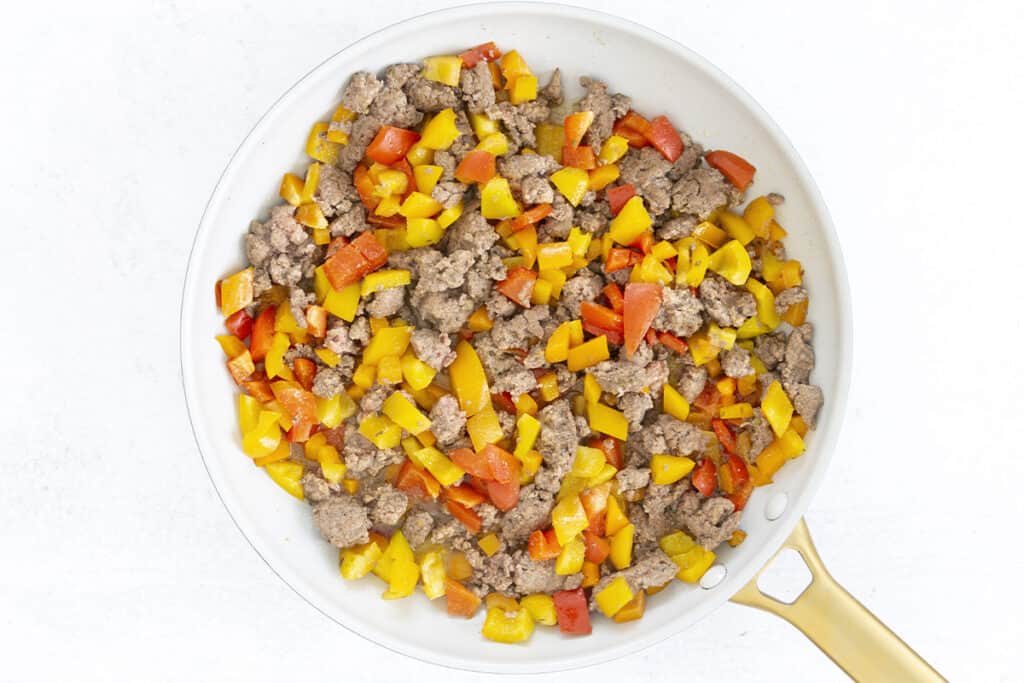
Canned tomatoes or tomato sauce are introduced to the skillet. The mixture is covered, allowing the steam to finish softening the peppers and ensuring the meat is cooked through. This "one-pan" approach ensures that all flavors are trapped within a single vessel, preventing the loss of nutrients that can occur during the par-boiling of whole peppers.
Phase 4: Final Assembly and Service (Minutes 18–20)
The lid is removed, and the mixture is stirred. The final dish is served over a base of pre-cooked grains—most commonly jasmine rice or short-grain brown rice—and topped with cheese. The residual heat of the skillet mixture is sufficient to melt shredded cheese, eliminating the need for a secondary broiling step in the oven.
Nutritional Profile and Dietary Analysis
From a nutritional standpoint, the unstuffed pepper skillet is a remarkably balanced meal. Based on standardized culinary data, a single serving of this dish provides approximately 417 calories, making it a substantial but controlled dinner option.
The macronutrient breakdown reveals a focus on high protein and complex carbohydrates. Each serving contains 19 grams of protein and 49 grams of carbohydrates. While the fat content stands at 16 grams (with 6 grams of saturated fat), the use of lean ground turkey or grass-fed beef can further optimize these numbers for heart-healthy diets.
Perhaps most significant is the micronutrient density. A single serving provides 133 mg of Vitamin C—well over 100% of the recommended daily intake—and 3263 IU of Vitamin A. These levels are attributed to the high volume of bell peppers, which remain more nutrient-dense when sautéed quickly rather than subjected to prolonged baking. Additionally, the dish provides 3 mg of iron and 684 mg of potassium, contributing to overall metabolic health and electrolyte balance.
Consumer Sentiment and the Psychology of Family Dining
Market research into family dining habits suggests that "transparency" in food is a major factor in reducing mealtime friction with children. Traditional stuffed peppers are often classified as "casserole-type" foods, where ingredients are hidden or blended. For toddlers and young children, this lack of visual clarity can lead to food neophobia or skepticism.
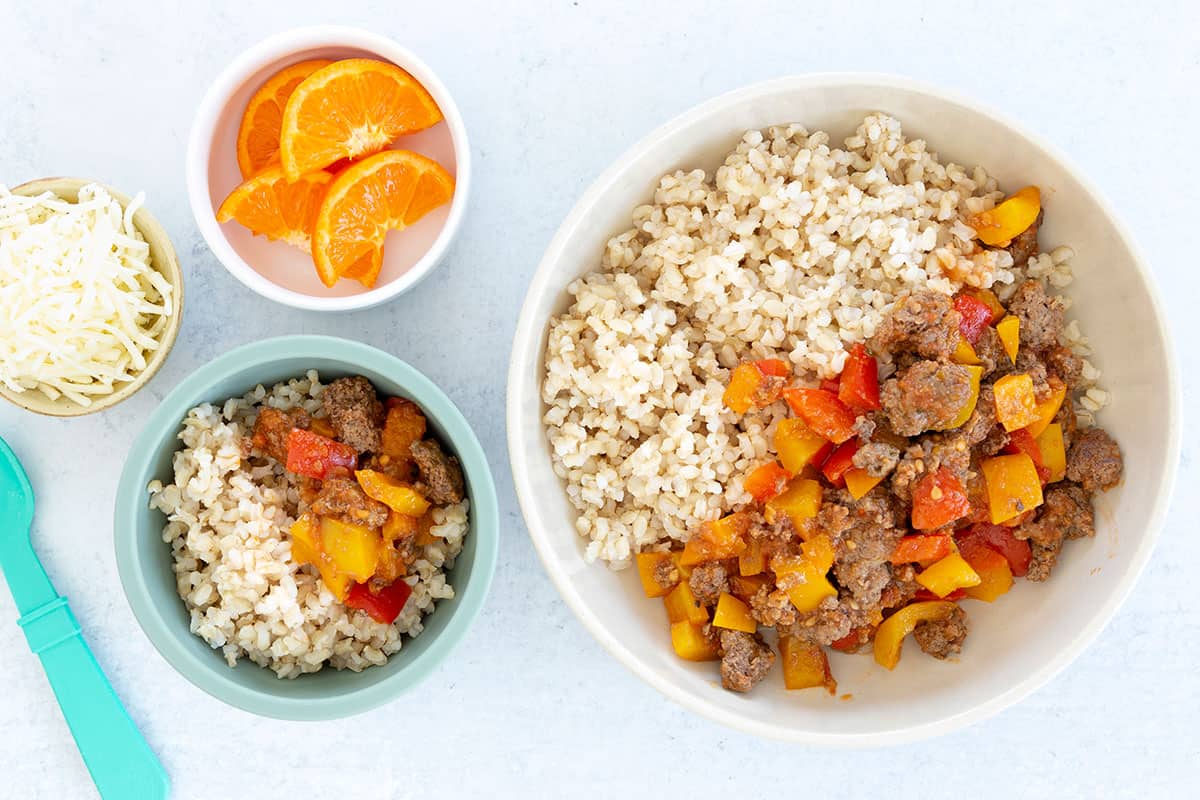
The unstuffed pepper methodology addresses this by presenting a "deconstructed" plate. One consumer, Kirstyn, noted in a featured review that the dish was highly successful with her 12-month-old, stating, "She ate it all up!" This sentiment is echoed by pediatric nutritionists who argue that allowing children to see the individual components of their meal—the rice, the meat, and the peppers—empowers them to make choices and reduces the "fear of the unknown" associated with stuffed or wrapped foods.
Furthermore, the versatility of the serving base allows for dietary customization. While rice is the traditional accompaniment, the skillet mixture is frequently paired with quinoa, millet, or even boiled potatoes, catering to various gluten-free or ancient-grain preferences that are currently trending in the health-conscious consumer segment.
The Broader Economic and Environmental Impact of One-Pan Cooking
The rise of the skillet meal is also a response to broader economic and environmental considerations. The "one-pan" philosophy significantly reduces water consumption associated with cleanup. By eliminating the need for boiling pots, baking dishes, and multiple utensils, a household can reduce its post-dinner utility footprint.
Economically, the unstuffed pepper is a "pantry-friendly" meal. The reliance on staple ingredients—ground meat, bell peppers, rice, and canned tomatoes—allows families to utilize bulk purchases. The longevity of the dish is another economic benefit; leftovers remain viable in refrigeration for up to five days, making it an ideal candidate for the "meal prepping" movement that seeks to reduce food waste and mid-week restaurant spending.
Implications for the Future of Home Cooking
The success of the unstuffed pepper skillet mirrors that of other modernized classics, such as skillet lasagna and homemade "hamburger helpers." These recipes indicate a permanent shift in the culinary landscape toward "active cooking time" reduction. As the "work-from-home" and "hybrid-work" eras continue to evolve, the boundary between professional time and domestic time remains blurred, making 20-minute nutritional solutions a necessity rather than a luxury.
In conclusion, the unstuffed pepper is more than a simplified recipe; it is a refined culinary system designed for the 21st century. It respects the flavor profiles of the past while acknowledging the logistical realities of the present. By prioritizing nutrient density, visual transparency for younger eaters, and extreme time efficiency, the skillet methodology has secured its place as a cornerstone of modern family nutrition. As home cooks continue to seek ways to balance health, taste, and time, the deconstruction of complex traditional dishes into streamlined skillet versions is expected to remain a dominant trend in the global food industry.
