

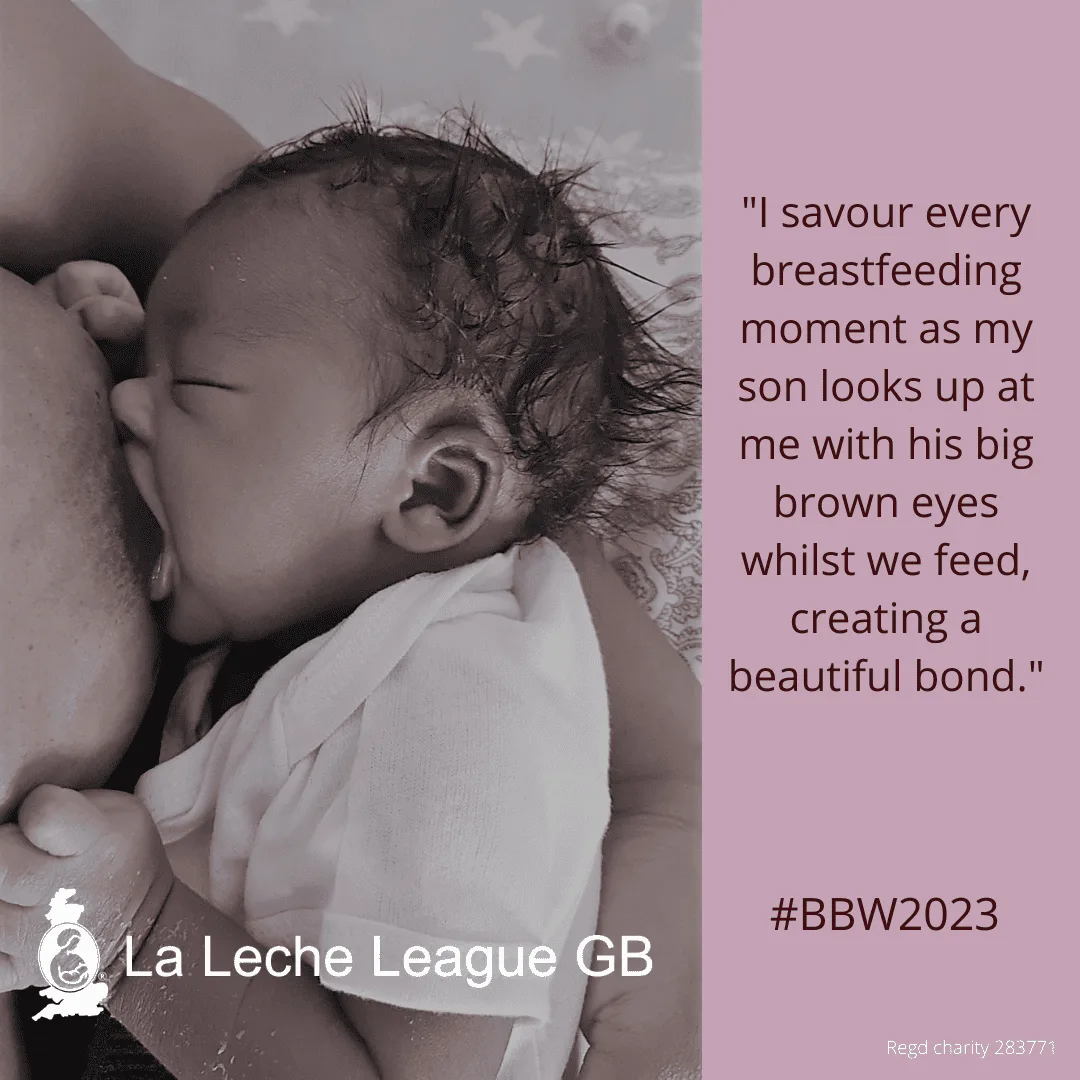
A mother’s determined journey to exclusively breastfeed her second child, culminating in success thanks to a community support group, has brought into sharp focus the persistent challenges new mothers face in accessing adequate, timely breastfeeding support within hospital settings and the broader societal and cultural barriers that can impede this vital practice. This personal narrative, shared during Black Breastfeeding Week 2023, underscores the critical role of peer support networks in bridging gaps left by overstretched healthcare systems and advocating for the normalisation of breastfeeding across all communities.
A Chronology of Determination and Despair
The mother’s aspiration to exclusively breastfeed her second son stemmed directly from her previous experience with her first child. Her first son, born at 38 weeks and weighing a mere 5lbs, necessitated mixed feeding after health visitor weigh-ins indicated insufficient weight gain. This initial encounter with breastfeeding challenges, particularly a persistent struggle with latch, led to the gradual cessation of breastfeeding by the time her first son was nine months old. This experience fueled a strong resolve for her second pregnancy, prompting proactive engagement with various breastfeeding courses and seeking advice from friends and cousins who had successfully breastfed exclusively.
Her second son arrived at 41 weeks and one day, weighing a healthy 7lbs, following an emergency C-section. Initially, the baby latched immediately, bringing immense joy and a sense of empowerment to the mother. However, this initial relief was short-lived. By the second day in the hospital, intense pain indicated a severe latch problem. Despite repeated requests for assistance from midwives and nurses, the mother reported that her calls often went unheard or unaddressed. She observed that the hospital staff, while present, appeared overworked and, in some instances, lacked the specialised knowledge required to effectively diagnose and correct complex latch issues. This perceived lack of attentive, skilled support during the crucial early days post-delivery left her feeling increasingly isolated and in agony.
Upon returning home, the reality of her situation became acutely clear. With severely cracked and sore nipples, the mother found herself unable to comfortably feed her exclusively breastfed infant. In the early hours of the morning, overwhelmed by pain and her baby’s cries, she made the difficult decision to resort to formula feeding, instructing her husband to find a 24/7 shop for supplies. This moment of crisis was not born from a rejection of formula itself, but from a profound sense of frustration and disappointment that her concerns and pain had seemingly been dismissed by hospital staff, leaving her unsupported and unprepared to manage the challenges at home.
The Lifeline of Community Support
The turning point in her breastfeeding journey came the following morning. Reaching out to a friend, known for her advocacy in breastfeeding, the mother was immediately connected with the South East London La Leche League Great Britain (LLLGB) Group. In a moment of profound exhaustion and despair, she left a voice message for the LLLGB Leaders. The swift response – "I’ll come at 6:00pm this evening" – provided an immediate sense of relief and unparalleled support.
True to their word, an LLLGB Leader arrived at her home on a particularly wet March evening. The Leader’s approach was characterised by patience, gentleness, and expert wisdom. Within 20 minutes, the mother was guided through techniques to establish a correct latch, even on her severely damaged nipples. This direct, personalised intervention proved transformative, allowing her son to latch and feed effectively despite the initial pain. Days later, she attended an LLLGB group meeting, where she received further practical advice and emotional support from other women on nipple repair and general breastfeeding management. Five months post-delivery, her son is thriving, healthy, and exclusively breastfed, a testament to the efficacy of timely and skilled intervention.
Supporting Data and Broader Context
This mother’s experience is not isolated but reflects broader trends and challenges in breastfeeding initiation and continuation. Breastfeeding is widely recognised by global health organisations, including the World Health Organization (WHO) and UNICEF, as a cornerstone of infant and maternal health. Recommendations advocate for exclusive breastfeeding for the first six months of life, followed by continued breastfeeding alongside complementary foods for up to two years or beyond. The benefits are extensive, ranging from reduced risk of infections, allergies, and sudden infant death syndrome (SIDS) for babies, to decreased risk of certain cancers and type 2 diabetes for mothers.
Despite these established benefits, breastfeeding rates often fall short of public health targets, particularly for sustained duration. Data from various national health surveys consistently show a drop-off in exclusive breastfeeding rates after the initial weeks and months. Common reasons cited for early cessation include perceived insufficient milk supply, pain during feeding, latch difficulties, and a lack of adequate professional support.
Postnatal hospital stays are crucial for establishing breastfeeding, yet resources and staff training can be uneven. Healthcare professionals, while dedicated, frequently operate under immense pressure, leading to staffing shortages and limited time for individualised, in-depth breastfeeding counselling. A study published in Pediatrics highlighted that early, skilled lactation support significantly increases the likelihood of successful breastfeeding. Conversely, inadequate support in the immediate postpartum period is a major predictor of early cessation.
The role of organisations like La Leche League International (LLLI) and its national affiliates such as LLLGB is paramount in filling these support voids. LLL provides mother-to-mother support, accurate information, and encouragement, often through volunteer Leaders who are themselves experienced breastfeeding mothers. Their model of peer support, home visits, and group meetings offers a flexible and accessible alternative or supplement to clinical care.

Addressing Disparities: The Black Breastfeeding Week Context
The mother’s story takes on additional significance within the context of Black Breastfeeding Week. Research consistently indicates that Black women in many Western countries, including the UK and US, have historically faced and continue to face unique challenges in breastfeeding initiation and duration, often leading to lower rates compared to other demographic groups. These disparities are multi-faceted, stemming from a complex interplay of socioeconomic factors, historical trauma, systemic racism within healthcare, and cultural perceptions.
Historically, in some communities, including parts of the Black community, formula feeding gained traction as a symbol of modernity or economic advancement, sometimes inadvertently contributing to a decline in breastfeeding practices. Additionally, cultural norms regarding modesty, public feeding, or even the perception of breast size impacting milk supply can influence a mother’s decision and confidence. The mother in this article explicitly mentions "negative and sceptical comments from family members" and "people in my community" questioning her milk supply or duration of feeding, or expressing discomfort with public breastfeeding. These comments – "surely he isn’t getting enough food; give formula; quickly get him on the bottle you’ve been breast feeding for too long, or go and feed in that corner waaaayyy over there" – are illustrative of the subtle and overt pressures many Black mothers encounter.
Black Breastfeeding Week, an initiative typically observed in August, aims to raise awareness about these disparities, celebrate Black breastfeeding mothers, and advocate for equitable support systems. It provides a platform to address the unique cultural and historical barriers, promote positive representation, and empower Black mothers to make informed feeding choices for their families, free from judgment or misinformation. The mother’s triumph, against both systemic healthcare gaps and familial/community skepticism, serves as a powerful narrative within this movement. Her achievement of having a "healthy, cuddly and weighing at the top percentile for his age" baby, despite these challenges, directly refutes the common myths about insufficient milk supply.
Official Responses and Expert Perspectives
While no specific official statements from the hospital mentioned in the article are available, healthcare institutions routinely acknowledge the pressures on postnatal wards. Spokespersons for maternity services often highlight commitments to improving breastfeeding support through ongoing staff training, increasing the number of lactation consultants, and implementing Baby-Friendly Initiative standards. However, the practical application of these commitments can be hampered by persistent resource constraints and staffing challenges, especially during peak demand.
La Leche League Great Britain, through its network of volunteers, continually emphasises the importance of responsive, mother-centred care. An LLLGB spokesperson might state, "Our mission is to help mothers breastfeed through mother-to-mother support. We know that early, skilled intervention can make all the difference, particularly when mothers are feeling vulnerable and unsupported. Our Leaders are dedicated to providing evidence-based information and a safe space for mothers to share their experiences and build confidence." This aligns perfectly with the experience detailed in the article.
Public health bodies frequently issue guidelines and campaigns promoting breastfeeding. They stress the need for a continuum of care that extends beyond the hospital, integrating community-based support with clinical services. Health visitors, community midwives, and peer support groups are identified as crucial components of a comprehensive breastfeeding support network.
Broader Impact and Implications
This mother’s story carries significant implications for policy, practice, and societal attitudes toward breastfeeding. Firstly, it underscores the urgent need for enhanced, consistent, and expert-level breastfeeding support within hospitals, particularly in the immediate postpartum period. This includes adequate staffing, continuous professional development for all maternity staff in lactation management, and clear pathways for escalation when mothers present with complex issues like severe pain or latch problems. The cost of early cessation of breastfeeding, both in terms of public health outcomes and potential healthcare expenditure for treating infant illnesses, far outweighs the investment in robust lactation support.
Secondly, the narrative champions the indispensable role of community organisations like LLLGB. These groups provide a flexible, accessible, and often more personalised form of support that can complement or even fill gaps left by formal healthcare systems. Policy makers and healthcare planners should actively seek to integrate and fund such community resources, ensuring seamless transitions of care for mothers from hospital to home.
Thirdly, the article highlights the ongoing battle for the normalisation of breastfeeding, particularly within specific cultural contexts. The comments received by the mother from her community reveal persistent misinformation and cultural discomfort surrounding breastfeeding. Addressing these issues requires targeted public health campaigns that are culturally sensitive and responsive, working with community leaders and positive role models to challenge myths and promote breastfeeding as a natural and beneficial practice. This also extends to advocating for supportive environments in public spaces and workplaces.
Finally, the mother’s journey is a powerful testament to maternal resilience and the profound bond breastfeeding can foster. Her ability to "silence those voices and continue nourishing my child," savouring "every breastfeeding moment as my son looks up at me with his big brown eyes whilst we feed, creating a beautiful bond," serves as an inspiration. It reaffirms the deeply personal and empowering aspect of breastfeeding and the importance of supporting mothers in achieving their feeding goals, ensuring they feel confident, valued, and heard. Her gratitude for her husband’s support, her best friend’s encouragement, and critically, the "LLLGB group who provided a safe space to discuss the highs, and sometimes lows, that come with breastfeeding; and the Leader who responded to my desperate cry," paints a vivid picture of the multifaceted support system essential for successful breastfeeding.
This story, shared during Black Breastfeeding Week 2023, is a compelling call to action for improved, equitable, and culturally competent breastfeeding support, empowering all mothers to embark on their feeding journeys with confidence and comprehensive care.
