

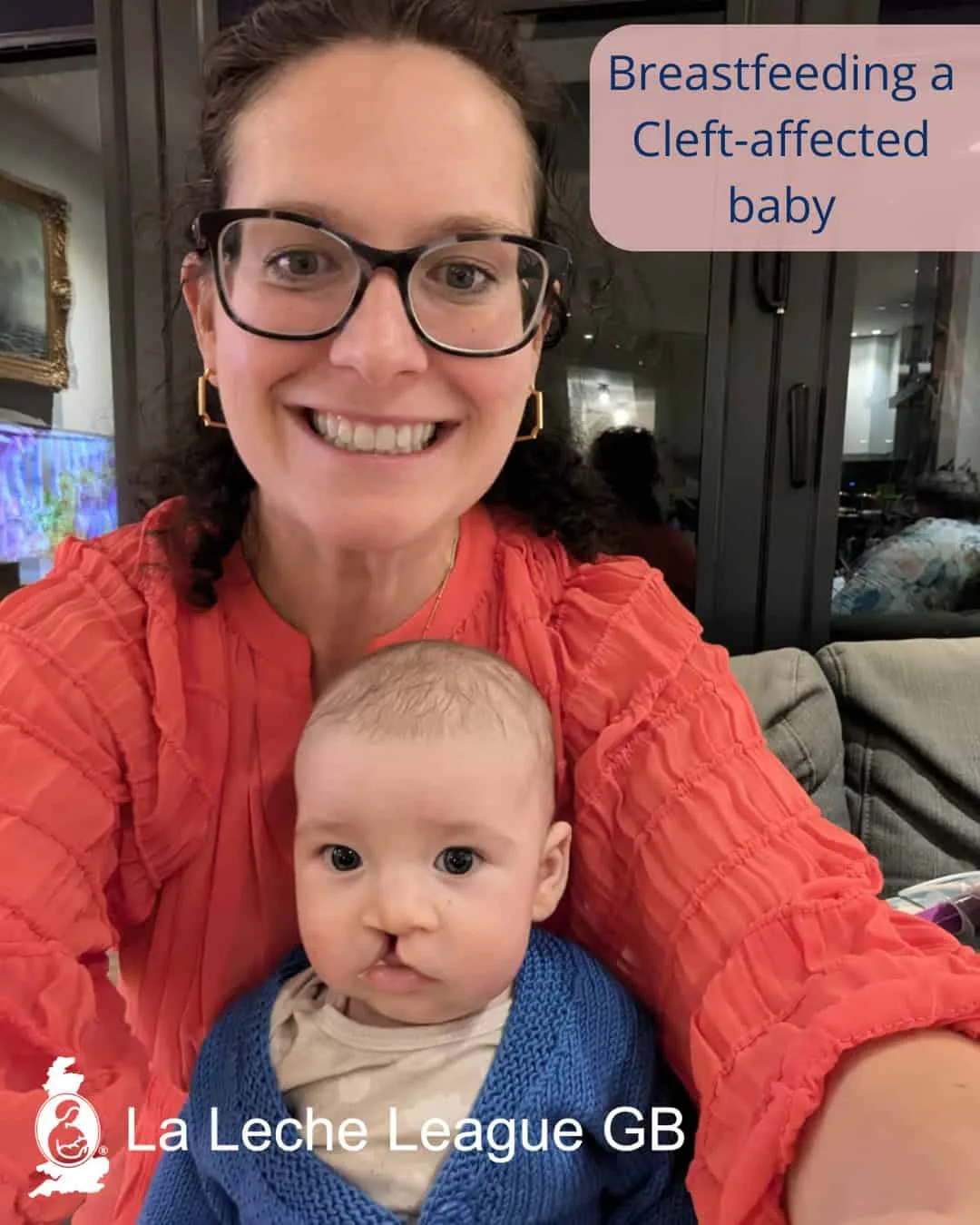
The journey of Sarah Muir-Little and her son, Russell, offers a compelling narrative of resilience, innovation, and unwavering determination in the face of significant medical challenges. Diagnosed antenatally with a cleft lip and palate, baby Russell’s condition presented immediate hurdles to traditional breastfeeding, a practice deeply valued by his mother. This personal story illuminates broader themes within pediatric care, parental advocacy, and the evolving understanding of what constitutes successful infant feeding, particularly for those with complex needs.
Understanding Cleft Lip and Palate: A Medical Overview
Cleft lip and palate are among the most common congenital conditions, affecting approximately 1 in 700 live births globally. These conditions occur when the structures forming the baby’s upper lip or the roof of the mouth (palate) do not fully fuse during early fetal development. A cleft lip can range from a small notch to a complete separation extending into the nose, while a cleft palate can involve either the soft palate at the back of the mouth, the hard palate at the front, or both. The exact causes are often multifactorial, involving a combination of genetic predisposition and environmental factors.
Medically, the implications for feeding are significant. Babies with only a cleft lip can often breastfeed with some adaptations, as the palate remains intact, allowing for suction. However, a cleft palate prevents a baby from generating the necessary suction pressure to effectively draw milk from the breast. This is due to the opening in the roof of the mouth, which compromises the vacuum needed for feeding. Consequently, infants with cleft palate typically require specialized feeding bottles or alternative methods until surgical repair can be performed. The standard treatment pathway involves a series of operations, usually beginning within the first year of life. Lip repair is often performed around 3-6 months, followed by palate repair between 6-12 months, with further surgeries sometimes required later in childhood or adolescence to address speech, dental, or aesthetic concerns.
An Unexpected Diagnosis Amidst Personal Strain
Sarah Muir-Little’s pregnancy had already been overshadowed by personal difficulties, including her father-in-law’s critical illness. The emotional landscape was one of exhaustion rather than excitement. It was during the routine 20-week anomaly scan that the first unexpected turn occurred. What began as a joyful revelation of expecting a boy quickly shifted with the sonographer’s question, "Have you heard of a cleft lip?" This query marked the beginning of a profound shift in Sarah’s pregnancy experience.
A midwife then provided a more detailed explanation: Russell would be born with both a cleft lip and palate, a diagnosis that came with the immediate and disheartening news that traditional breastfeeding would likely be impossible. For Sarah, who had recently weaned her toddler in preparation for nursing her new baby and deeply connected her identity as a mother to breastfeeding, this news was devastating. It prompted a period of intense grief over the perceived loss of this fundamental aspect of motherhood. This emotional response is common among mothers who face barriers to breastfeeding, as it often represents a cherished ideal and a potent bonding experience.
However, a specialist nurse offered a glimmer of hope, clarifying that while the journey might differ from her previous experience, some form of breastfeeding connection might still be possible. The extent of the palate involvement, and thus the feasibility of direct breastfeeding, would only be fully understood after Russell’s birth. This initial consultation also outlined the demanding surgical timeline Russell would face: two major operations in his first year to repair the lip and palate, with potential future interventions. This detailed medical prognosis, coupled with the feeding challenges, underscored the complex path ahead.
The Quest for Adapted Feeding Solutions
Driven by a profound desire to breastfeed Russell, Sarah embarked on an exhaustive search for information and strategies. She delved into resources from the Cleft Lip and Palate Association (CLAPA) and La Leche League (LLL), along with other medical literature. Her research, though yielding disappointingly few detailed accounts of successful direct breastfeeding after palate surgery, did highlight two crucial factors for those who had succeeded: maintaining a sufficient milk supply and employing effective alternative feeding methods.
Sarah was confident in her ability to maintain milk supply, having successfully nursed her toddler. Despite a previous aversion to pumping due to perceived inefficiencies, she resolved to improve her knowledge and technique, aiming to meet Russell’s milk demands. This commitment to expressing milk is vital for mothers of cleft-affected babies, as expressed breast milk remains the gold standard for nutrition due to its immunological benefits, especially important for infants undergoing surgery.
The second challenge, alternative feeding methods, proved more complex. Sarah investigated various techniques, including direct hand expressing into the baby’s mouth and the use of nursing supplementers. The latter, which involves delivering milk through a thin tube while the baby is latched to the breast, seemed the most viable long-term solution. She acquired two commercially available nursing supplementer systems in the UK. One relied on gravity, offering a slow flow, while the other utilized a squeezable bottle for milk delivery. Neither felt intuitive or practical to her during practice sessions, particularly when attempting the "dancer hold" — a technique often recommended for babies with low muscle tone or prematurity to maintain latch stability. The dancer hold involves supporting the baby’s chin with the index finger and thumb, forming a ‘U’ shape, to provide stability at the breast. Sarah found it difficult to integrate this hold with the supplementer apparatus.
Russell’s Arrival and the Development of a Unique System
Baby Russell’s birth marked the immediate implementation of Sarah’s feeding plan. Initial feeds consisted of expressed colostrum delivered via syringe, accompanied by a clean finger in his mouth to encourage a sucking reflex while Sarah’s milk supply increased. The goal was to transition to feeding at the breast with a supplementer once her milk came in.
A serendipitous discovery aided their early efforts: some ordered syringes, unsuitable for direct feeding, perfectly fitted the supplementer tubing. With the help of the midwife team, larger syringes were sourced from the labor ward. Sarah ingeniously adapted these by drilling a snug hole in their screw-on caps for the supplementer tube, creating a custom, secure system. This resourcefulness highlights the adaptive measures parents often undertake when standard solutions fall short. It also underscores the importance of strict adherence to safety guidelines for feeding tools, ensuring caps are removed if not modified, and milk is delivered slowly to prevent aspiration.

The standard application methods for supplementers—either feeding the tube after latching or taping it to the breast before latching—presented difficulties. Given Russell’s fragile latch due to the absence of suction, the former was impractical. The latter, with a long section of tubing, was too fiddly for a newborn’s small mouth. Sarah devised her own method: taping the tube very close to the nipple, allowing for easier insertion into Russell’s mouth. This required experimentation with different tapes and positions, often leading to frustration and milk loss, but eventually yielded a functional system capable of delivering milk at a controlled pace.
Navigating Feeding Challenges: Positioning and Perception
Despite having a working system, challenges persisted, particularly with positioning. The dancer hold continued to be difficult, causing stress for both Sarah and Russell. Russell would bob on and off the breast, struggling to latch, yet calm down instantly when offered milk from the non-taped breast via direct hand expression, confirming his hunger.
After consulting with a specialist at Great Ormond Street Children’s Hospital, Sarah decided to revert to the cradle hold, a position she was familiar with from feeding her toddler. While this initially led to more milk loss around Russell’s mouth, it prioritized a calm and relaxed feeding environment, crucial for both mother and baby. The advice to plug the cleft with the breast or keep the cleft side up was acknowledged, but the primary focus remained on achieving a deep, calm latch in a familiar position. These early weeks were characterized by messiness and frustration, yet Sarah consistently felt the effort was worthwhile.
Over time, their feeding dynamic evolved. Sarah learned to pace the milk delivery via the syringe, pausing when Russell paused, adapting the flow to prevent him from being overwhelmed or frustrated. This intuitive understanding of her baby’s cues is a hallmark of successful breastfeeding, even with adaptations.
Sarah’s unique approach garnered varied reactions. Friends who initially questioned her extensive efforts later understood the profound connection she was fostering, remarking, "I was already breastfeeding." Another friend observed, "Oh, so the worries about Russ not being able to breastfeed didn’t come to fruition!" These affirmations provided immense emotional support. Conversely, negative comments, particularly from a pediatrician who stated their method wasn’t recommended in favor of "safe and effective" specialist cleft bottles, were disheartening. Such remarks, especially from healthcare professionals, required significant resilience to overcome. Sarah’s conviction in her method, bolstered by Russell’s healthy weight gain and enjoyment of feeding, reinforced her belief that they were achieving the best possible outcome.
Evolution of the Feeding Method and Ongoing Support
Around ten weeks of age, Russell began to show irritation from the tape in his mouth. This prompted another adaptation: Sarah gradually moved the tape further from the nipple, eventually eliminating it altogether. This required greater coordination but became manageable as both mother and baby grew more accustomed to the process. There were moments of regression, where Russell would become upset or refuse to feed, but Sarah learned to differentiate between issues related to his cleft and those common to all babies, such as distractions around three months of age.
Russell recently underwent surgery to repair his lip and hard palate. The immediate post-operative period presented new feeding challenges. While recovering from morphine, Russell initially only accepted bottles. However, once he resumed feeding with the supplementer, he rejected bottles, perhaps associating them with the difficult post-surgery days. This shift highlighted the ongoing demands on Sarah, as expressing milk and managing all feeds remained an exhausting endeavor.
Throughout this demanding journey, the unwavering support of Sarah’s husband has been indispensable. From bottle-washing to managing night feeds while Sarah pumped, and providing crucial emotional reassurance, their partnership has been central to their success. Sarah emphasizes that every day they continue using the supplementer is a bonus for Russell’s health and their maternal-infant bond. Their achievements stand as a testament to their collaborative effort and determination.
Broader Implications for Healthcare and Parental Empowerment
Russell’s breastfeeding journey transcends a single family’s experience; it offers critical insights for the broader healthcare community and advocates for parental empowerment. The initial advice given to Sarah—that breastfeeding would be impossible—reflects a common, though not universally accurate, perception within some medical circles. While direct breastfeeding without adaptations is indeed challenging for babies with cleft palates, stories like Sarah’s demonstrate that with informed support, innovation, and perseverance, a meaningful and beneficial breastfeeding relationship can be established.
This case underscores the need for enhanced training and resources for healthcare professionals regarding adaptive feeding methods for cleft-affected infants. A multidisciplinary approach, integrating lactation consultants experienced with cleft conditions, plastic surgeons, speech therapists, and nutritionists, is crucial. Such an approach would not only provide parents with accurate information about all available feeding options but also support their chosen path with practical guidance and emotional validation.
Furthermore, Sarah’s experience highlights the importance of respecting parental autonomy and choice. While specialized cleft bottles are indeed "safe and effective," they should not be presented as the only safe and effective option, especially when parents express a strong desire to breastfeed. Healthcare providers are uniquely positioned to empower parents by offering comprehensive information, celebrating individual feeding successes, and providing tailored support that addresses the unique needs of each family.
The story of Russell and Sarah Muir-Little is a powerful reminder that successful breastfeeding can take many forms. It champions adaptability, resilience, and the profound bond fostered through dedicated maternal care, urging a more nuanced and supportive approach to infant feeding in complex medical circumstances. Their journey not only enriched their lives but also contributes to a growing body of evidence advocating for personalized, parent-led care in the face of congenital challenges.
