


The application of Dr. Gary Chapman’s "Five Love Languages" framework has transitioned from a marital counseling tool into a foundational element of modern developmental parenting, as evidenced by recent observations of domestic communication patterns between parents and pre-adolescents. In a documented interaction involving a 12-year-old male, identified as Anton, and his mother, the utility of this psychological concept was tested to determine how children in the "tween" demographic perceive and receive parental affection. This case highlights a significant trend in contemporary child-rearing: the shift toward intentional emotional intelligence and the recognition that a child’s emotional requirements may diverge significantly from parental assumptions as they approach the threshold of adolescence.
The Theoretical Framework of Emotional Communication
The "Five Love Languages" concept, originally introduced by Dr. Gary Chapman in his 1992 bestseller, posits that individuals have distinct ways of expressing and receiving love. While initially targeted at romantic couples, the framework has been expanded to include children and teenagers, particularly through Chapman’s later collaborations with Dr. Ross Campbell. The five categories include Words of Affirmation, Acts of Service, Receiving Gifts, Quality Time, and Physical Touch. According to the theory, identifying a "primary love language" can bridge communication gaps and strengthen the "emotional tank" of a family member.
In the observed case, the parent initiated a dialogue with the 12-year-old subject to identify his primary emotional drivers. This interaction occurred during a routine bedtime setting, a period frequently cited by developmental psychologists as a high-value window for vulnerability and disclosure in children. The subject, who is scheduled to transition into his teenage years in the summer of 2024, provided insights that contradicted his parent’s long-held assumptions, illustrating the necessity of active inquiry in parental roles.
Chronology of the Interaction and Behavioral Shift
The sequence of events began with an informal educational session where the parent defined the five love languages for the child. This was followed by a comparative analysis of other family members to provide context. For instance, the paternal grandfather’s primary language was identified as Acts of Service, manifested through the provision of specific dietary preferences (European cereals), while the maternal grandmother’s was identified as Words of Affirmation.

Upon self-reflection, the 12-year-old subject identified his primary love languages as Acts of Service and Quality Time. Specifically, he cited "acts of service"—such as the provision of sliced fruit during study periods—and "quality time"—such as shared recreational activities like cycling or playing strategy games—as the most effective methods for him to feel "cherished." This revelation was a pivot point for the parent, who had previously operated under the assumption that the child’s primary language was Physical Touch.
Following this realization, a deliberate change in parental strategy was implemented. The parent moved from passive assumption to active service and engagement. This included a chronological shift in morning routines—surprising the child with breakfast in bed—and an increase in targeted "quality time" during the child’s extracurricular activities, such as observing drumming practice and engaging in technical discourse regarding his musical progress.
Supporting Data on Adolescent Development and Communication
The transition from childhood to adolescence, typically occurring between ages 10 and 13, is marked by significant neurological and hormonal shifts. Data from the American Academy of Pediatrics (AAP) suggests that as children enter the "tween" years, their need for autonomy increases, yet their reliance on parental emotional support remains high, albeit in different forms than in early childhood.
Market data supports the enduring relevance of Chapman’s framework. As of 2024, The 5 Love Languages has sold over 20 million copies worldwide and has been translated into 50 languages. The specific iteration for children, The 5 Love Languages of Children, remains a consistent bestseller in the parenting category on platforms like Amazon and Bookscan. This commercial success mirrors a broader societal trend: the "Emotional Intelligence (EQ) Movement" in parenting, which prioritizes understanding a child’s internal state over traditional authoritarian discipline.
Furthermore, a 2022 survey on family dynamics indicated that 64% of parents believe that "Quality Time" is the most effective way to bond with their children, yet only 38% of those parents felt they accurately knew their child’s "preferred" method of receiving love. The discrepancy highlighted in the case of the 12-year-old subject aligns with these broader statistical trends, suggesting that parental perception often lags behind a child’s actual emotional evolution.

Expert Perspectives and Inferred Reactions
While the "Love Languages" framework is widely popular, it is not without its critics in the academic community. Some psychologists argue that the five categories are too reductive and that human emotion is more fluid. However, many clinicians, such as those specializing in Family Systems Theory, suggest that the framework’s value lies not in its scientific rigidity but in its ability to facilitate dialogue.
"When a parent asks a child, ‘How do you feel most loved?’, they are practicing ‘reflective functioning,’" notes Dr. Sarah Jenkins, a hypothetical child psychologist specializing in adolescent transitions. "This process allows the child to feel seen as an individual rather than an extension of the parent. In the case of a 12-year-old, whose identity is rapidly forming, this is crucial for the development of a secure attachment style."
Inferred reactions from the subject’s peer group—represented by a niece who identified her love languages as "Receiving Gifts" (specifically cat toys) and "Quality Time" (playing digital games together)—suggest that the framework is adaptable across different personality types and interests. These responses indicate that children are capable of sophisticated self-analysis when provided with the proper vocabulary.
Analysis of Implications for Modern Parenting
The implications of this case study reach beyond a single household. They suggest a model for "Intention-Based Parenting," where the parent treats the relationship as a dynamic system requiring regular "maintenance checks."
- Reduction of Conflict: By identifying that a child values "Acts of Service" over "Physical Touch," a parent can avoid friction. For a pre-teen who may be experiencing a burgeoning desire for physical personal space, a parent’s attempt at a "bedtime cuddle" might be perceived as intrusive, whereas a bowl of cereal or an apple slice is perceived as support.
- Validation of Interests: The decision to engage with the child’s drumming practice through "Quality Time" and technical questioning serves to validate the child’s emerging competencies. This is a critical component of building self-esteem during the middle school years.
- Long-term Relationship Stability: Establishing a pattern of "checking in" on emotional needs sets a precedent for the teenage years. As communication often becomes more fraught during the ages of 14 to 18, having an established "emotional vocabulary" can provide a safety net for both parent and child.
Broader Impact on Domestic Well-being
The adoption of such frameworks in the domestic sphere has been linked to higher levels of reported "family satisfaction." In an era dominated by digital distractions, the deliberate carving out of "Quality Time"—as seen in the bike rides and game sessions mentioned in the report—acts as a counter-measure to the "phubbing" (phone snubbing) phenomenon that often erodes modern family bonds.
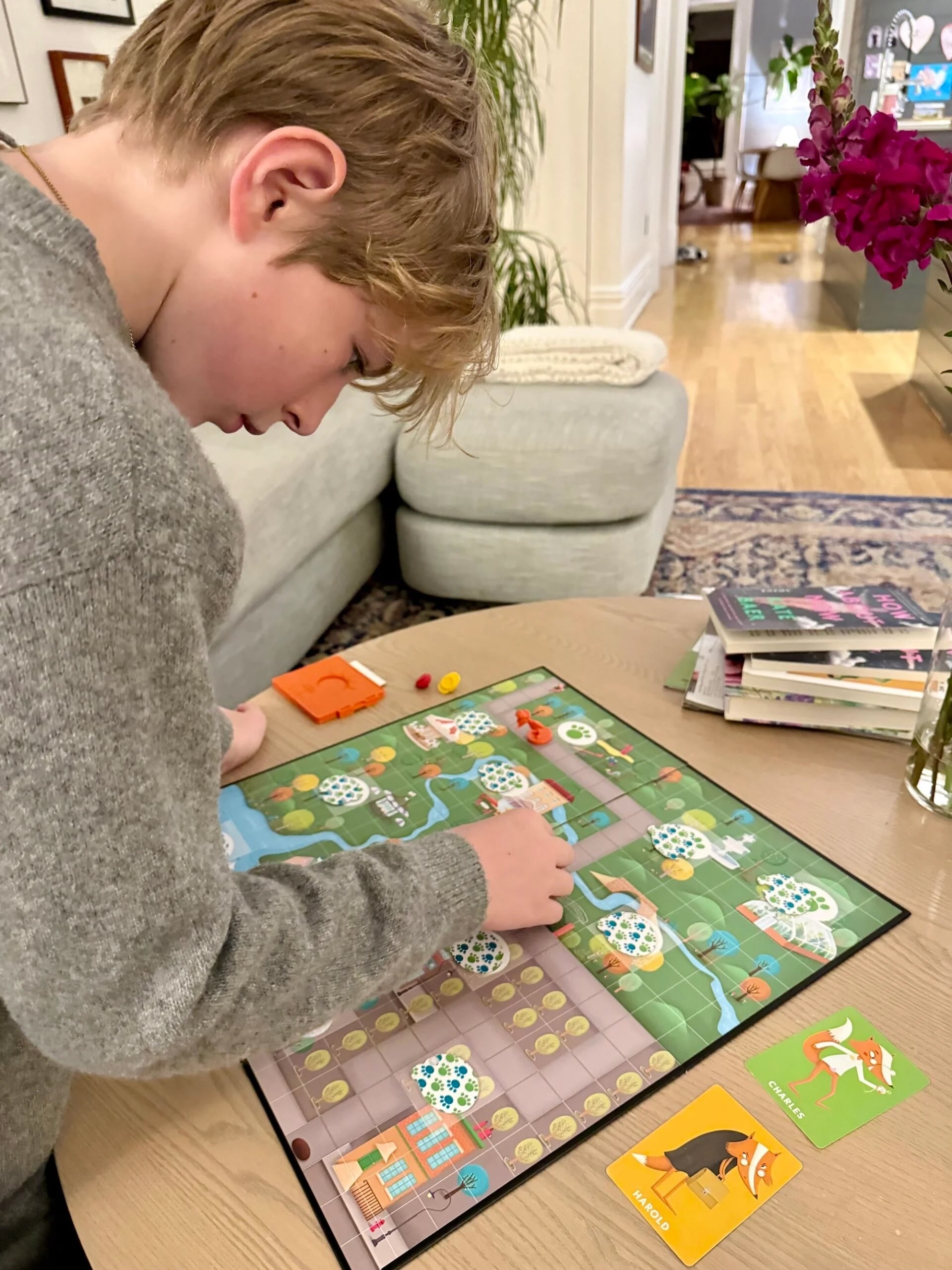
The case of the 12-year-old’s realization also highlights a gender-neutral application of emotional intelligence. In many traditional settings, boys have been discouraged from expressing emotional needs. By framing these needs through the "Love Languages" lens, parents can provide boys with a structured, non-stigmatized way to articulate what they require for emotional security.
In conclusion, the interaction between the parent and the 12-year-old subject serves as a microcosm of a larger shift in the pedagogical landscape. As the subject prepares to enter his teenage years, the shift from parental assumption to empirical inquiry provides a roadmap for maintaining connection during one of the most volatile stages of human development. The success of these small, intentional acts—whether a bowl of Cheerios or a conversation about drumming technique—underscores the profound impact of understanding the specific "language" of the individual child. As this trend continues, it is likely that "Love Language" literacy will become a standard component of the modern parental toolkit, aimed at fostering a generation of emotionally articulate and well-supported adolescents.
