

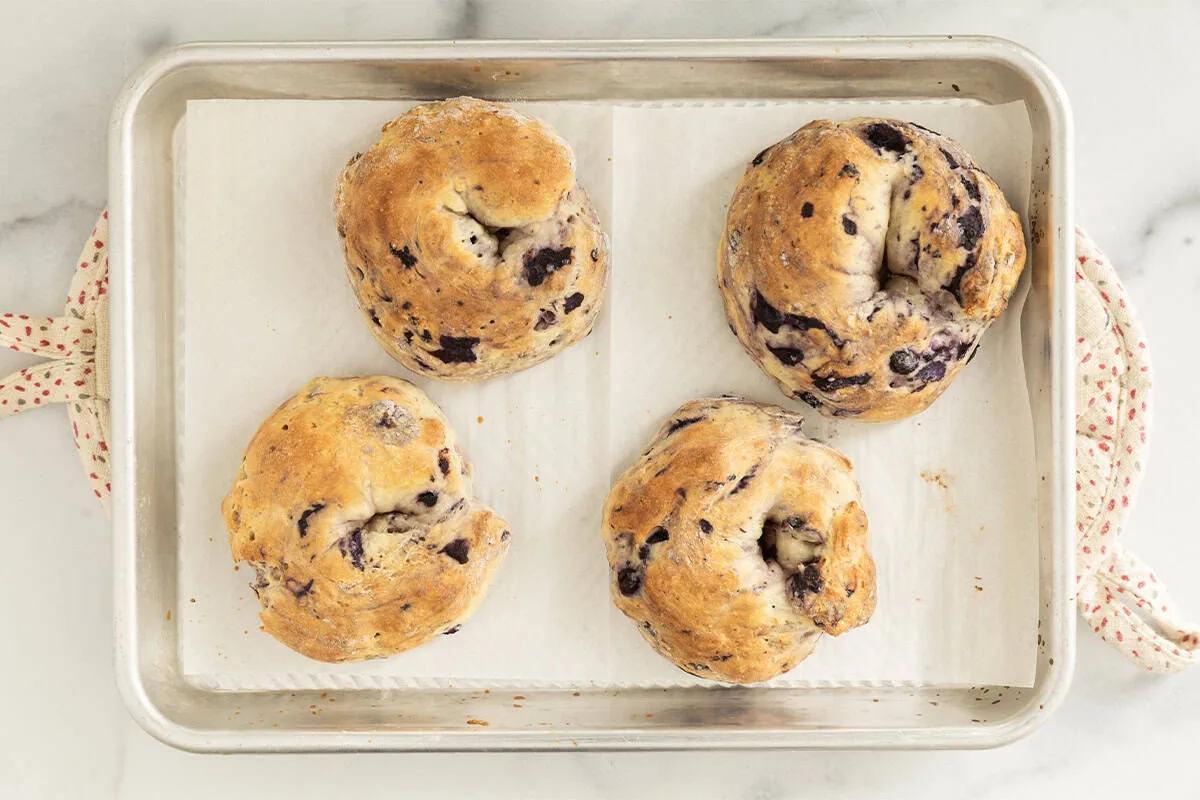
The Evolution of the Three-Ingredient Dough Method
The conceptual foundation of the blueberry bagel recipe lies in the "Two-Ingredient Dough" phenomenon, a culinary innovation that gained widespread popularity within health and wellness communities over the last decade. Historically, bagels are categorized as a boiled-then-baked bread, a process that creates their signature chewy crust and dense interior. However, the integration of Greek yogurt serves a dual purpose: it provides the necessary moisture to hydrate the flour while introducing a significant lactic acid component. When this acid reacts with the leavening agents found in self-rising flour—typically a combination of baking powder and salt—it triggers an immediate chemical leavening process.
The addition of blueberries to this established base introduces a third dimension of flavor and nutrition without complicating the mechanical process. Unlike commercial blueberry bagels, which frequently rely on "blueberry bits"—a mixture of sugar, corn syrup, starch, and artificial dyes (such as Blue 1 or Red 40)—the homemade version utilizes whole fruit. This shift reflects a broader consumer trend toward "clean label" eating, where the visual appeal of the food is derived from natural anthocyanins found in the fruit’s skin rather than synthetic additives.
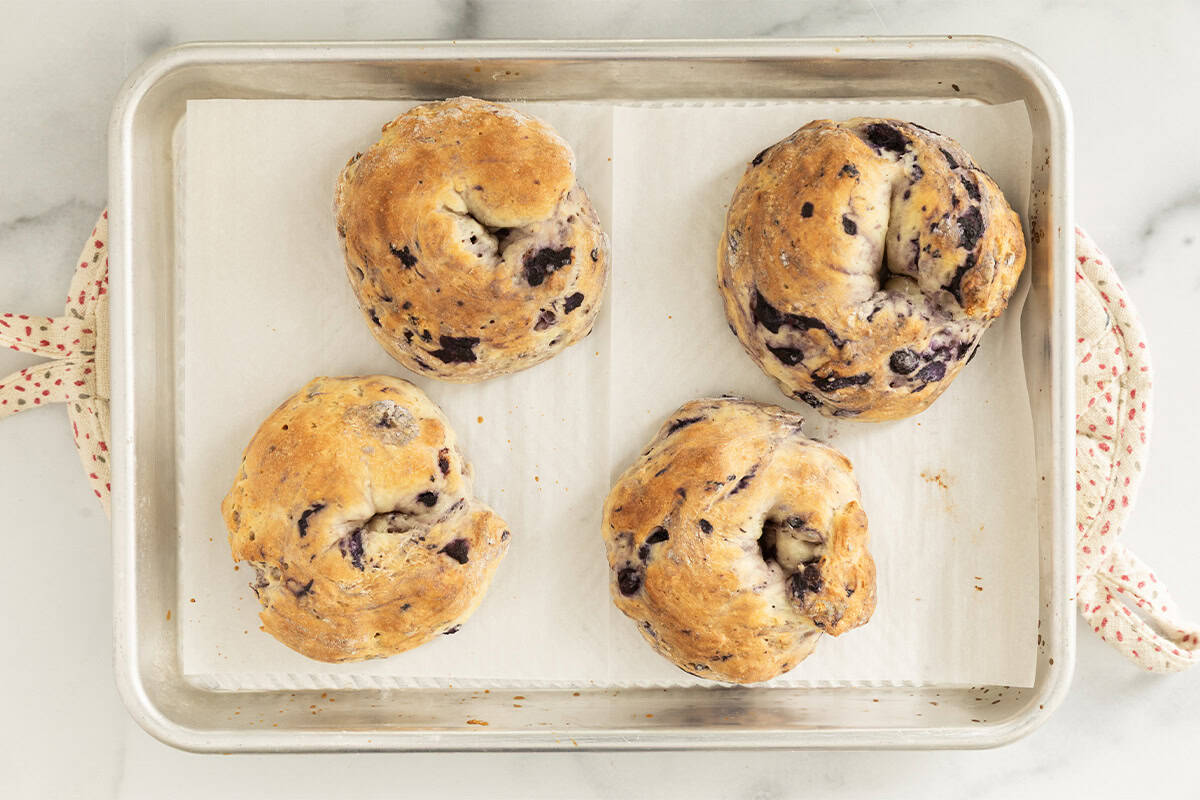
Nutritional Analysis and Comparative Data
From a quantitative perspective, the nutritional profile of these blueberry bagels offers a stark contrast to both traditional yeast bagels and high-sugar breakfast pastries. Based on standard laboratory-style nutritional calculations for a single-bagel serving, the data reveals a robust macro-nutrient distribution:
- Total Calories: 208 kcal
- Protein Content: 10 grams
- Total Carbohydrates: 33 grams
- Dietary Fiber: 1 gram
- Total Sugars: 4 grams (primarily naturally occurring from the fruit and yogurt)
- Total Fat: 4 grams (with only 2 grams of saturated fat)
- Sodium: 312 mg
When compared to a standard commercially produced blueberry bagel, which often contains upwards of 300 calories and 10 to 15 grams of added sugar, the three-ingredient version provides a lower glycemic impact while maintaining a high protein-to-calorie ratio. The 10 grams of protein per serving is particularly noteworthy for pediatric nutrition; according to the National Academies of Sciences, Engineering, and Medicine, the Recommended Dietary Allowance (RDA) for protein for children aged 1 to 3 is approximately 13 grams per day. Thus, a single bagel fulfills nearly 77% of a toddler’s daily protein requirement, making it an exceptionally efficient "fuel" for growth and activity.
Chronological Process of Production
The efficiency of this recipe is best understood through its chronological workflow, which fits within a narrow 30-minute window, making it viable even for weekday morning schedules.
- Phase I: Preparation and Preheating (Minutes 0–5): The process begins with the preheating of the oven to 375°F (190°C) and the preparation of a baking sheet with parchment paper or a silicone mat. This stage is critical for ensuring the leavening agents react immediately upon entering the heat.
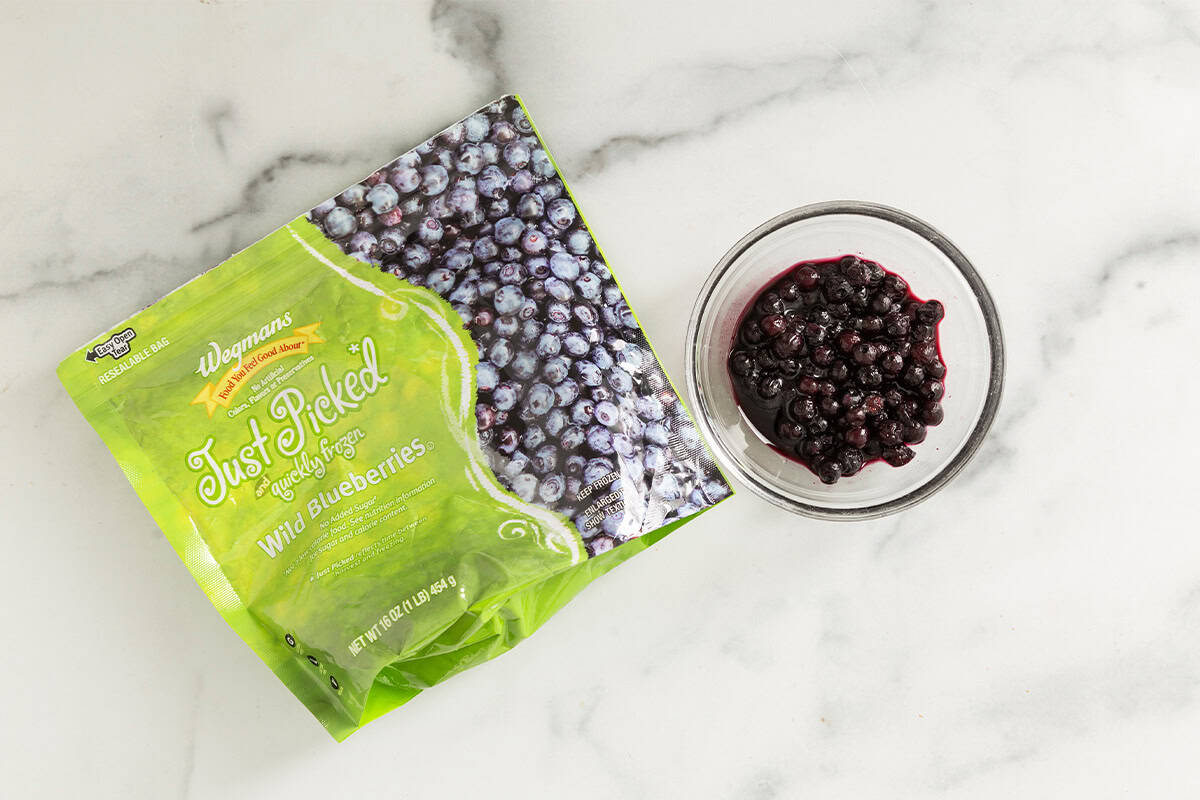
- Phase II: Fruit Processing (Minutes 5–10): Frozen wild blueberries are preferred for their smaller diameter and higher skin-to-pulp ratio, which prevents the dough from becoming overly saturated with moisture. The berries are thawed briefly and drained of excess liquid to maintain the structural integrity of the dough.
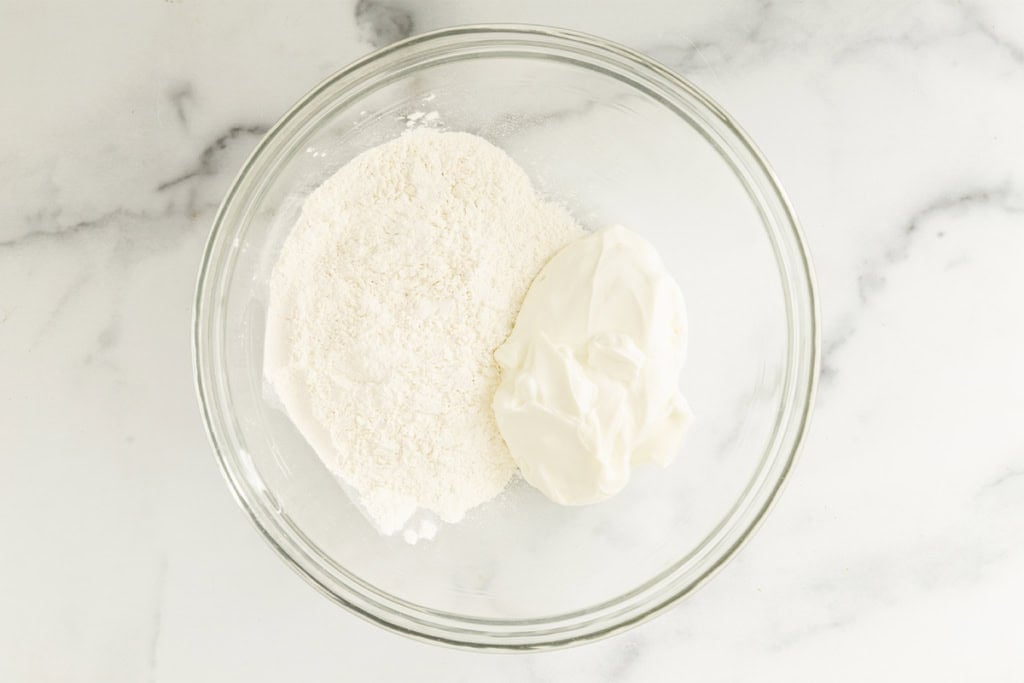
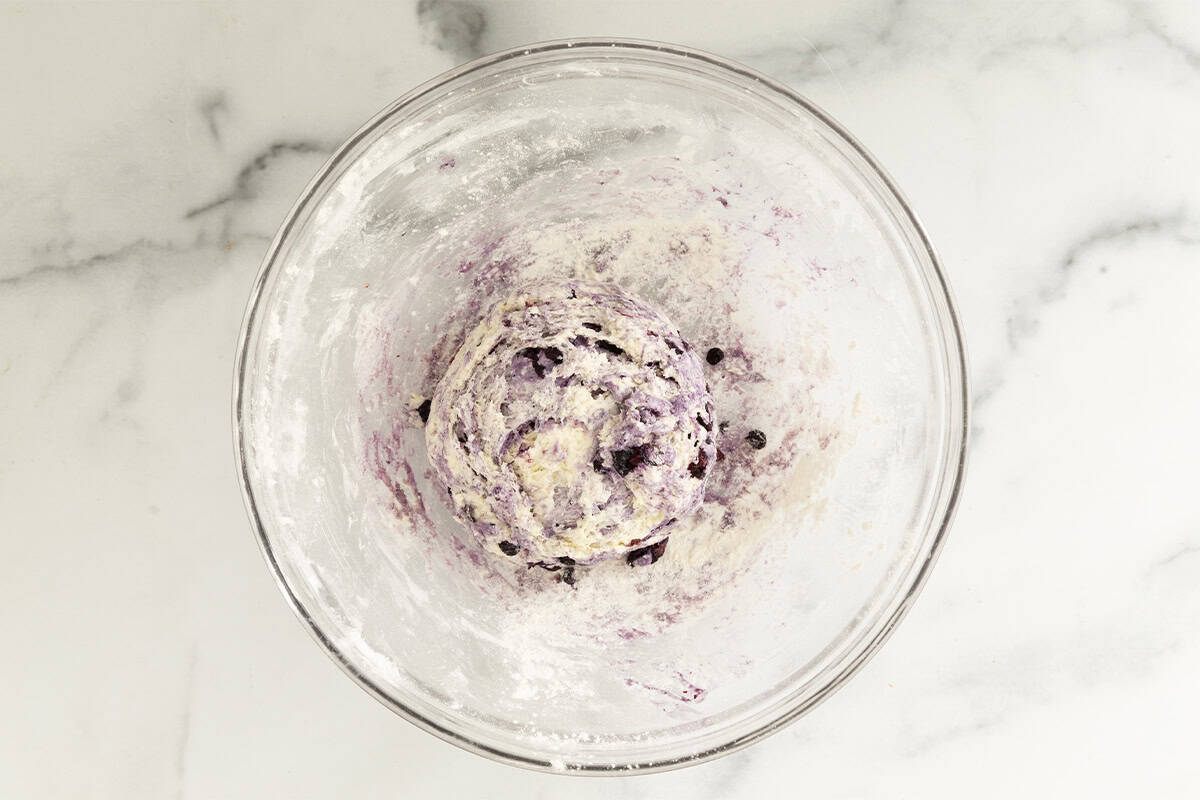
- Phase III: Dough Integration (Minutes 10–15): The Greek yogurt and self-rising flour are combined in a large mixing bowl. Unlike traditional bread dough, this mixture does not require extensive kneading to develop gluten; rather, it requires only enough manipulation to bring the ingredients into a cohesive ball. The blueberries are folded in at the final stage.
- Phase IV: Shaping and Scaling (Minutes 15–20): The dough is divided into four equal portions (or eight for mini-bagels). Each portion is rolled into a rope and joined at the ends to form a torus.
- Phase V: Thermal Processing (Minutes 20–40): The bagels are baked for approximately 20 to 25 minutes. During this time, the steam generated by the yogurt’s moisture creates a soft interior, while the direct heat browns the exterior.
- Phase VI: Stabilization (Minutes 40–50): A cooling period is required to allow the internal crumb structure to set. Cutting into the bagel too early can result in a gummy texture.
The Science of Ingredient Selection
The success of the blueberry bagel is contingent upon the specific chemical properties of its three primary components.
Greek Yogurt as a Structural Agent
Greek yogurt is distinct from regular yogurt due to the straining process that removes liquid whey. This results in a higher concentration of casein and whey proteins. In baking, these proteins provide structure and contribute to the Maillard reaction—the chemical reaction between amino acids and reducing sugars that gives the bagel its golden-brown color and complex flavor profile.
Self-Rising Flour and Chemical Leavening
The use of self-rising flour eliminates the variability associated with measuring separate leavening agents. The baking powder (a combination of a carbonate or bicarbonate and a weak acid) reacts twice: once when moistened by the yogurt and again when exposed to heat. This "double-acting" property is what allows the bagel to rise without the biological fermentation of yeast.
Anthocyanins and Natural Pigmentation
Blueberries contain high levels of anthocyanins, a type of flavonoid with antioxidant effects. During the kneading process, if the berries are slightly crushed, these pigments bleed into the dough, creating a natural purple hue. This eliminates the need for the artificial dyes often found in commercial "berry-flavored" products, which have been the subject of ongoing scrutiny regarding their impact on childhood behavior and long-term health.
Market Context and Consumer Response
The rise of simplified, high-protein recipes like the blueberry bagel is a response to several intersecting market forces. The "Parenting and Toddler Food" sector has seen a shift toward "stealth health," where parents seek ways to incorporate protein and fruit into familiar, kid-friendly formats. Market research indicates that "easy-to-chew" textures are a primary driver for toddler food purchases, a requirement that these yogurt-based bagels meet more effectively than the often-tough crust of a traditional New York-style bagel.
Furthermore, the economic implications of home production are significant. At current market prices, the per-unit cost of a homemade three-ingredient bagel is estimated to be 40% to 60% lower than a premium store-bought equivalent. The ability to freeze these bagels for up to six months also appeals to the "bulk prep" or "OAMC" (Once-a-Month Cooking) movement, which focuses on reducing daily labor through strategic batching.
Implications for Modern Dietary Habits
The broader impact of this culinary trend suggests a move toward "functional baking." No longer is home baking viewed solely as a recreational or celebratory activity; it is increasingly being integrated into a functional daily routine to bypass the ultra-processed food (UPF) cycle. By controlling the ingredients, consumers can mitigate excessive sodium intake and eliminate preservatives like calcium propionate, which are standard in shelf-stable bread products.
Analysis of consumer feedback suggests that the versatility of the recipe is a major factor in its adoption. While blueberries are the primary focus, the base dough serves as a canvas for various nutritional additions, such as flaxseeds, chia seeds, or hemp hearts, further increasing the fiber and Omega-3 content.
Conclusion
The three-ingredient blueberry bagel stands as a testament to the power of food science simplified for the domestic kitchen. By leveraging the protein density of Greek yogurt and the convenience of modern leavening, the recipe provides a solution to the perennial challenge of providing a quick, healthy, and palatable breakfast. As nutritional literacy continues to rise among the general public, the shift away from complex, additive-heavy commercial baked goods toward efficient, whole-food-based alternatives is expected to accelerate, with the three-ingredient bagel serving as a primary example of this transition.
