

The Historical Imperative: Understanding Black Breastfeeding Week
Black Breastfeeding Week (BBFW) was established in 2013 by Kiddada Green and Kimberly Seals Allers, co-founders of the Black Mothers’ Breastfeeding Association (BMBFA), alongside other prominent Black maternal health advocates. Its creation stemmed from a critical recognition that despite general public health campaigns promoting breastfeeding, the unique challenges and historical context faced by Black women were largely ignored, leading to significantly lower breastfeeding rates compared to their white counterparts. This disparity is not merely statistical; it is rooted in centuries of systemic racism, socio-economic inequities, and cultural factors.
Historically, Black women in America were often forced into the role of "wet nurses" during slavery, nourishing the infants of their enslavers while their own children were deprived of their milk and care. This traumatic legacy fostered a complex and often painful relationship with breastfeeding within the Black community. Post-emancipation, the stigma associated with wet nursing, coupled with aggressive marketing of infant formula disproportionately targeting Black communities, further eroded breastfeeding rates. The perception that formula feeding was a sign of upward mobility or a more "modern" approach gained traction, distancing many Black families from traditional breastfeeding practices.
Today, the disparities persist. According to the Centers for Disease Control and Prevention (CDC), while breastfeeding initiation rates have generally increased across all racial and ethnic groups in the United States, Black mothers still lag behind. Data consistently shows that Black women have lower rates of initiating breastfeeding and shorter durations compared to white women. For instance, recent CDC reports indicate that while around 85% of white infants are ever breastfed, the rate for Black infants is closer to 70%. These gaps widen when examining breastfeeding at six months and one year. These statistics highlight an urgent public health crisis, as breastfeeding is recognized globally as a foundational element for infant health and long-term maternal well-being, reducing risks for conditions such as SIDS, obesity, diabetes, and certain cancers.
La Leche League: Championing Stories and Community
La Leche League International, founded in 1956, operates on the core principle that informed support and peer connection are crucial for successful breastfeeding journeys. The organization’s ethos, "stories matter," resonates deeply with the objectives of Black Breastfeeding Week. By providing a platform for individuals like Melissa, a mother from London, to share her intimate experiences, La Leche League contributes to building a global community where mothers can learn from and support one another. This approach is particularly vital for marginalized groups, where a lack of relatable narratives and culturally sensitive support can exacerbate feelings of isolation and inadequacy.
Melissa’s audio diary, recorded while soothing her five-month-old, offers a poignant glimpse into the realities of breastfeeding for a Black mother. Her reflections on her personal journey address critical questions that illuminate both universal breastfeeding challenges and those specific to her identity.
Melissa’s Journey: Navigating Perceptions, Barriers, and Support
The Personal Significance of Breastfeeding: For many mothers, breastfeeding is more than just a method of infant feeding; it is a deeply personal experience intertwined with bonding, health, and empowerment. For Black mothers, choosing to breastfeed can also be an act of reclamation and cultural affirmation, defying historical narratives and contributing to the health equity of their community. Melissa’s motivation likely stems from a combination of these factors, understanding the profound health benefits for her child and herself, while also perhaps seeking to connect with a practice that has been historically complicated within her lineage.
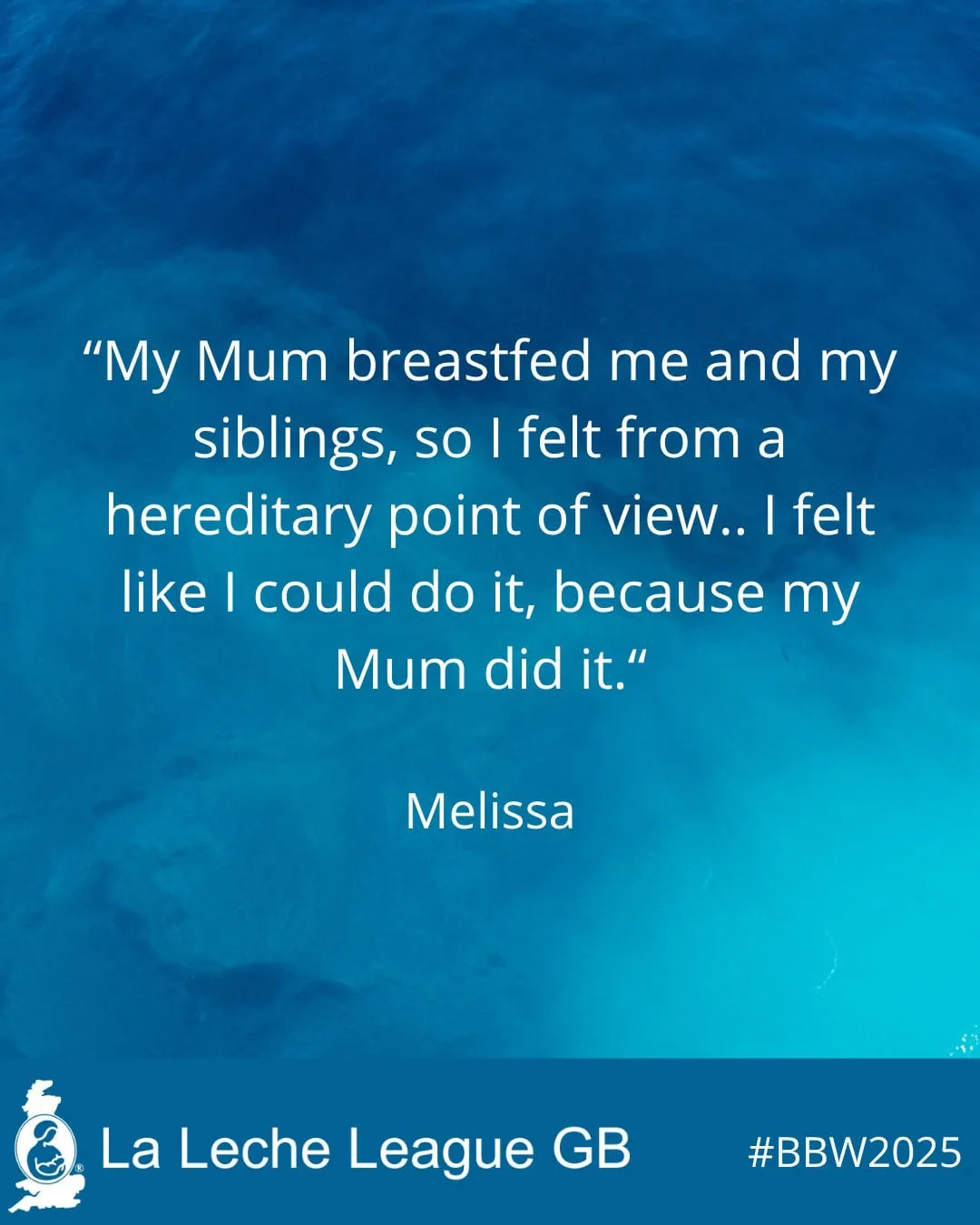
Pre-Conceptions and Family Influence: A mother’s perception of breastfeeding prior to having children is often shaped by her upbringing, family traditions, and broader societal norms. In communities where breastfeeding rates have historically been low, a lack of visible role models can create a void of knowledge and support. If Melissa grew up in an environment where breastfeeding was uncommon or not openly discussed, her initial perceptions might have been based on limited information or even misinformation. Conversely, if her family had a history of breastfeeding, despite broader societal trends, this could have provided a foundational understanding and motivation. The absence of immediate family members who breastfed can make the journey feel more isolating, emphasizing the need for external support networks.
Navigating Social Attitudes: Friends and Family: The attitudes of friends and family play a significant role in a mother’s breastfeeding success. A supportive social circle can offer encouragement, practical help, and emotional validation, whereas negative or unsupportive attitudes can undermine confidence and lead to early cessation. For Black mothers, this dynamic can be particularly nuanced. While some family members might offer invaluable support, others might hold generational biases against breastfeeding due to historical trauma, formula marketing influences, or a lack of current information. Melissa’s experience with her immediate social network likely highlighted the varying degrees of understanding and acceptance, underscoring the necessity of finding a "likeminded community" that truly comprehends and supports her choices.
Unveiling the Unforeseen: Barriers and Unmet Expectations: The journey of breastfeeding is often fraught with unexpected challenges, from initial latch difficulties and nipple pain to concerns about milk supply and the relentless demands of cluster feeding. Many new mothers embark on this path with idealized notions, only to be confronted by the physiological and emotional complexities. For Black mothers, these common barriers can be compounded by systemic issues such as inadequate access to culturally competent lactation consultants, a lack of paid parental leave, and disproportionate exposure to stress and socio-economic hardship. Melissa’s reflections on what she wished she had known before starting her journey likely touch upon the lack of realistic preparation, the emotional toll of early difficulties, and the struggle to find accessible, empathetic support that understood her specific needs. The historical marginalization of Black women in healthcare often translates into feelings of being unheard or dismissed, making it harder to overcome these barriers.
Pillars of Support: Essential Resources: Identifying useful sources of help and support is crucial for navigating breastfeeding challenges. These can range from certified lactation consultants (IBCLCs) and peer support groups like La Leche League meetings to online communities and knowledgeable healthcare providers. For Black mothers, the availability of Black lactation professionals is particularly important, as shared cultural understanding can significantly enhance the quality of support and build trust. Organizations such as the Black Mothers’ Breastfeeding Association, Black Women Do Breastfeed, and the aforementioned Black Breastfeeding Week initiatives are dedicated to providing culturally specific resources and empowering Black women to breastfeed successfully. Melissa’s recognition of helpful resources underscores the impact that tailored, accessible, and empathetic support can have on a mother’s ability to continue her breastfeeding journey.
Cultivating Community: The Search for Like-Mindedness: The desire to build a supportive community is a recurring theme for many new mothers, but it holds particular resonance for Black mothers. Finding "likeminded" individuals who share similar experiences, cultural backgrounds, and breastfeeding goals can create a powerful buffer against isolation and judgment. This community offers a safe space for sharing vulnerabilities, celebrating successes, and receiving practical advice and emotional sustenance. Melissa’s emphasis on building such a community highlights the transformative power of collective support, which is not merely supplemental but often foundational to sustaining breastfeeding amidst societal pressures and systemic barriers. This communal aspect aligns perfectly with the spirit of Black Breastfeeding Week, which strives to foster a strong, visible, and supportive network for Black breastfeeding families.
Broader Impact and Policy Implications
The experiences of mothers like Melissa underscore the urgent need for systemic changes to support Black breastfeeding families. Addressing racial disparities in breastfeeding requires a multi-faceted approach that includes:
- Increased Access to Culturally Competent Lactation Support: This involves diversifying the lactation profession to include more Black IBCLCs and ensuring that all lactation professionals receive training in cultural humility and anti-racism.
- Policy Changes: Advocating for paid family leave, workplace accommodations for breastfeeding mothers, and stronger protections against discrimination.
- Community-Based Programs: Funding and supporting grassroots organizations that provide peer support, education, and resources tailored to the needs of Black communities.
- Healthcare System Reforms: Training healthcare providers to offer evidence-based, unbiased breastfeeding information and support to all mothers, and addressing implicit biases that may affect care delivery.
- Public Awareness Campaigns: Continuing to elevate the visibility of Black breastfeeding families through initiatives like Black Breastfeeding Week, challenging stereotypes, and celebrating the strength and resilience of Black mothers.
The implications of improved breastfeeding rates for Black families are far-reaching. Beyond the immediate health benefits for mothers and infants, increased breastfeeding can contribute to reducing health disparities, fostering stronger family bonds, and empowering communities. It represents a vital step towards achieving health equity and rectifying historical injustices within the healthcare system.
A Call for Continued Storytelling and Advocacy
La Leche League’s invitation for others to share their stories for publications like "Breastfeeding Matters" or through local meetings serves as a crucial mechanism for ongoing advocacy and community building. Each narrative, whether shared publicly or within a smaller group, contributes to a growing tapestry of experiences that validates, educates, and inspires. Melissa’s journey, captured in her candid audio notes, stands as a testament to the resilience of mothers and the enduring power of community in navigating the complexities of breastfeeding. By continuing to amplify these voices, Black Breastfeeding Week and organizations like La Leche League are not only celebrating an important aspect of maternal and infant health but also actively working to dismantle systemic barriers and foster a more equitable future for all families.
