

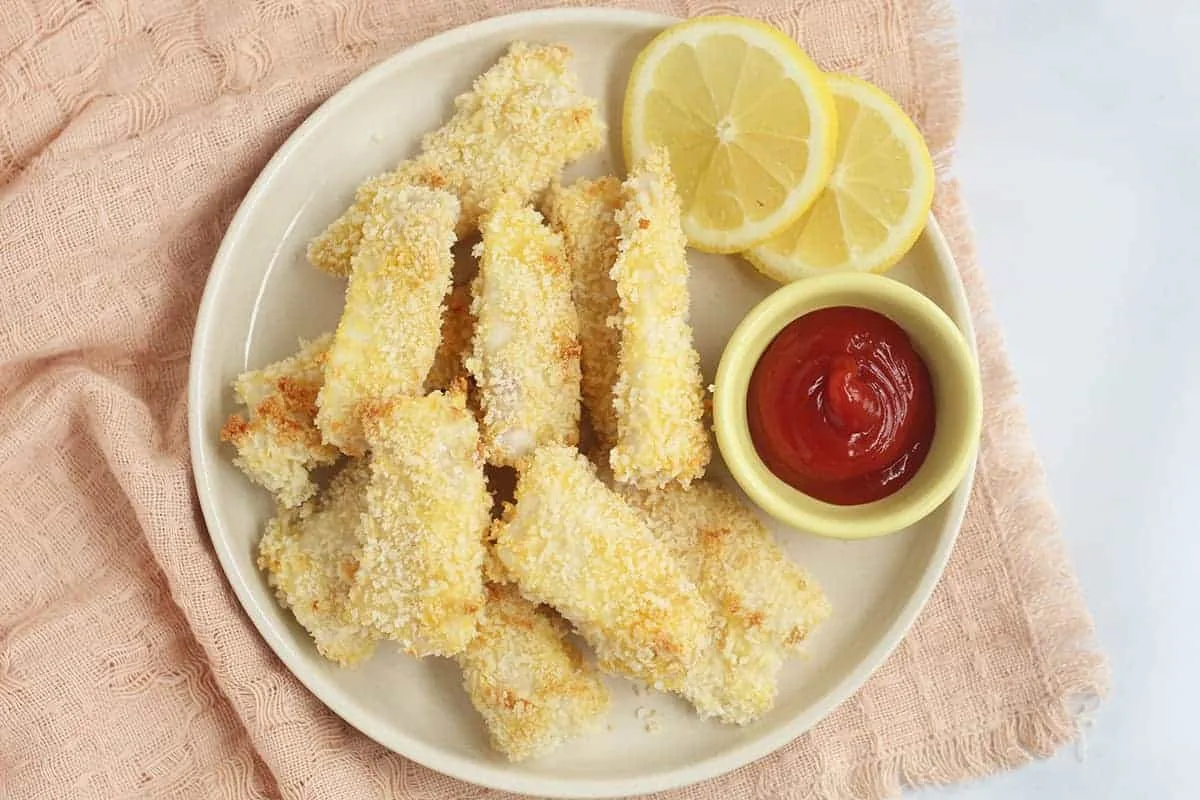
The landscape of domestic meal preparation is undergoing a significant shift as families increasingly seek to balance nutritional density with rising grocery costs. Among the most prominent developments in this trend is the resurgence of home-prepared staples, specifically the baked fish stick. Long a mainstay of the frozen food aisle, the fish stick is being reclaimed by home cooks who find that DIY versions offer a 50 percent reduction in cost while providing superior texture, flavor control, and nutritional transparency. This transition from commercial processed goods to whole-food preparation reflects broader consumer concerns regarding sodium levels, preservative use, and the environmental sustainability of seafood sourcing.
The Economic Context of Homemade Seafood Preparation
In the current economic climate, the price of processed frozen seafood has seen a steady incline, driven by supply chain complexities and the added costs of industrial packaging and preservation. Market analysis indicates that while a standard package of premium frozen fish sticks may carry a high price-point per ounce, the raw ingredients required to replicate the dish—primarily white fish, eggs, and breadcrumbs—remain relatively affordable. Tilapia, the primary protein source cited for this culinary application, is currently priced between $7.00 and $8.00 per pound in most major markets. When compared to the retail price of high-quality frozen alternatives, the home-prepared version represents a significant saving for the average household.
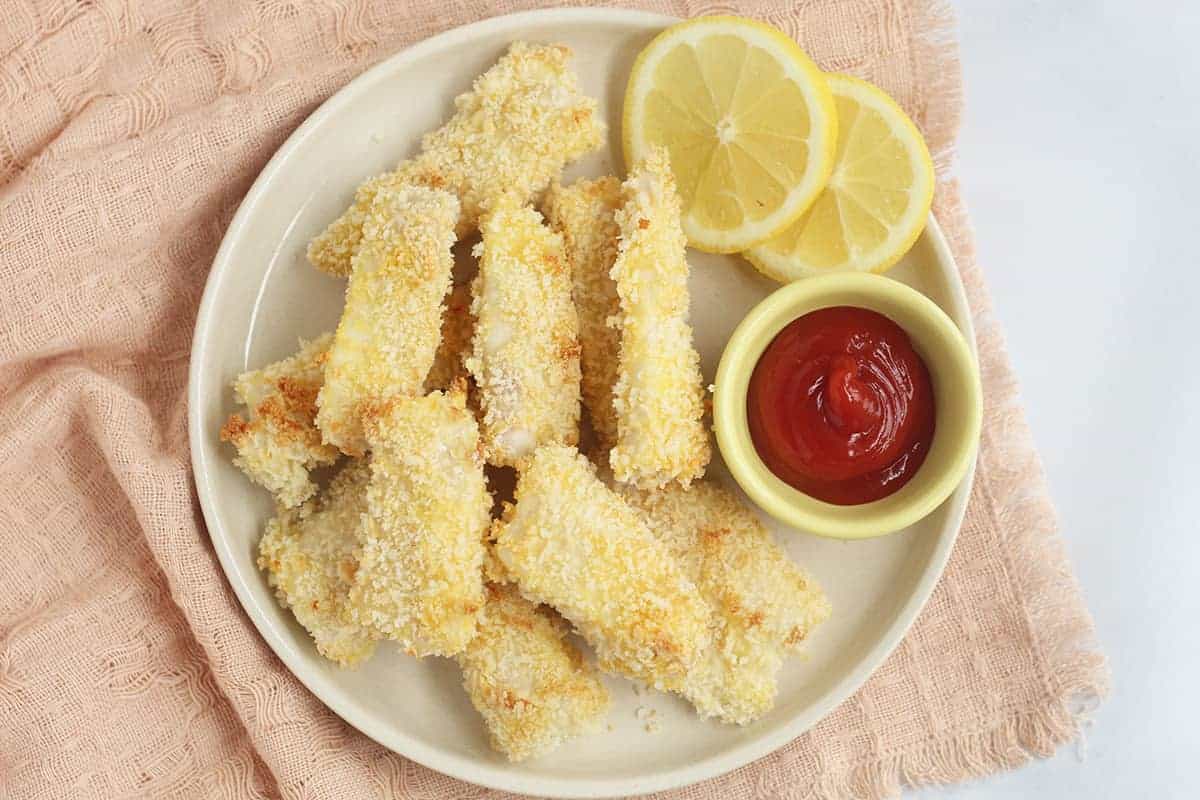
Beyond the initial purchase price, the efficiency of homemade fish sticks is found in their versatility. By utilizing frozen fish fillets that are thawed prior to preparation, consumers can take advantage of bulk-pricing and long-term storage, further insulating the household budget from the volatility of fresh seafood markets. This economic viability is a primary driver for parents seeking to maintain high protein intake for children without exceeding monthly food allotments.
Nutritional Analysis and the Mercury Factor
From a public health perspective, the move toward homemade fish sticks allows for precise control over the nutritional profile of the meal. Commercial fish sticks are frequently criticized for their high sodium content and the use of fillers in the breading. In contrast, a single serving of homemade baked fish sticks contains approximately 252 calories, 29 grams of protein, and only 5 grams of fat, of which only 2 grams are saturated. This high protein-to-calorie ratio makes the dish an ideal component of a balanced diet, particularly for growing children who require significant protein for tissue development.
Furthermore, the choice of fish species is a critical health consideration. The NRDC (Natural Resources Defense Council) and the FDA have long provided guidelines on mercury levels in seafood, which is a particular concern for pregnant women and young children with developing nervous systems. Tilapia is consistently categorized among the "Best Choices" or "Least Mercury" options. By preparing fish sticks at home using tilapia, cod, or pollock, caregivers can ensure they are providing the beneficial omega-3 fatty acids and minerals found in seafood while minimizing the risk of heavy metal exposure.
Sustainability and Sourcing: The Seafood Watch Program
The environmental impact of seafood consumption is another factor influencing the shift toward home preparation. Consumers today are more attuned to the sustainability of the oceans, often looking to organizations like the Monterey Bay Aquarium’s Seafood Watch program for guidance. Tilapia is frequently rated as a sustainable option, particularly when sourced from farms that utilize recirculating aquaculture systems or managed ponds.
By purchasing raw fillets rather than pre-breaded products, consumers have greater access to labeling information regarding the origin and harvesting methods of the fish. This transparency is often lost in the industrial processing of frozen fish sticks, where "minced fish" of various origins may be blended. The ability to select specific, sustainably-rated fillets allows the home cook to align their dietary habits with environmental conservation goals.
Technical Chronology of Preparation
The preparation of homemade baked fish sticks follows a specific culinary methodology designed to maximize texture while minimizing the need for deep-frying. The process is defined by the "Standard Breading Procedure," a three-stage technique that ensures a durable and crispy coating.

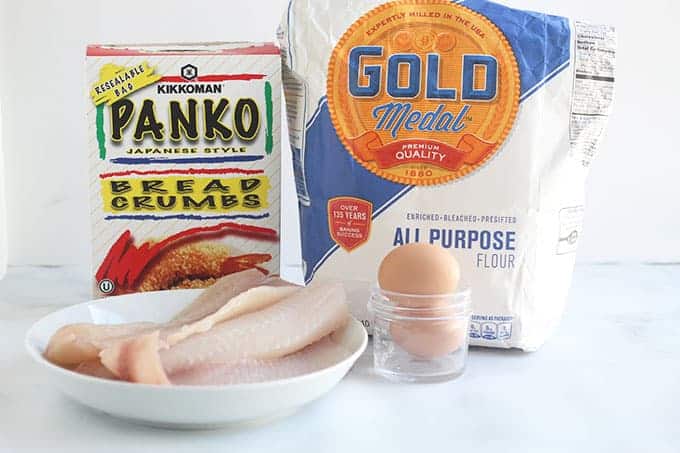
- Preparation and Sizing: The process begins with the selection of firm white fish fillets. If frozen, the fish must be thoroughly thawed and patted dry to ensure the coating adheres. The fillets are then cut into uniform strips—typically three to four inches in length—to ensure even cooking times.
- The Dredging Phase: The fish strips are first coated in a light layer of flour. This serves as a primer, absorbing surface moisture and providing a dry surface for the liquid binder to grip.
- The Binding Phase: The floured strips are submerged in a beaten egg wash. The proteins in the egg act as a biological adhesive, essential for the final stage of breading.
- The Coating Phase: The final layer consists of breadcrumbs, which may be seasoned with dried garlic, parsley, or other spices to enhance the flavor profile without adding significant sodium.
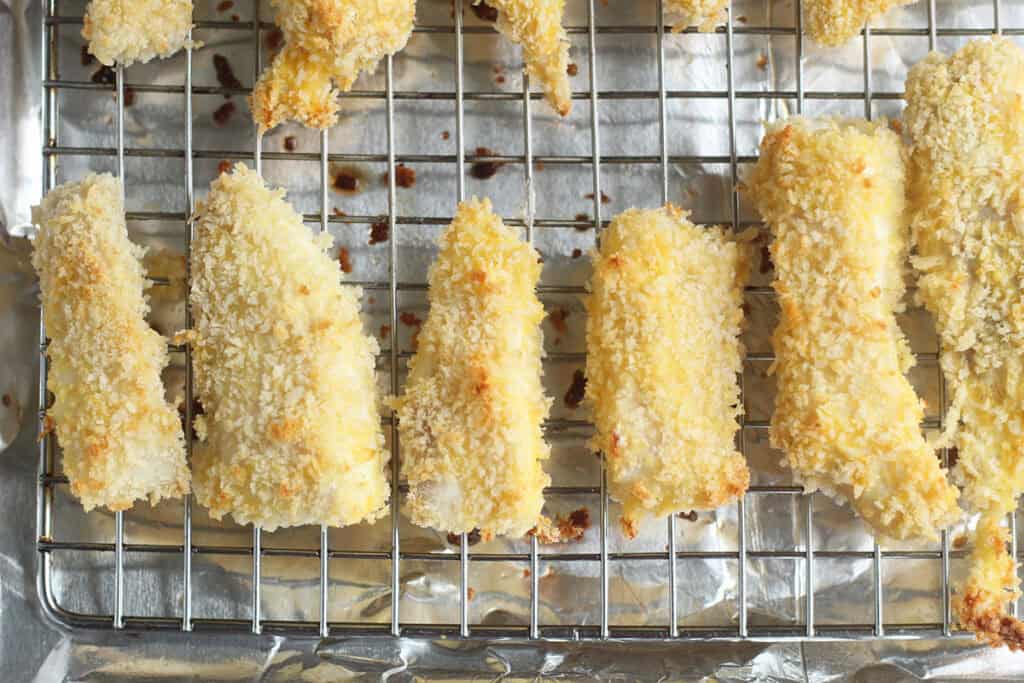
- Thermal Processing: The fish sticks are placed on a wire rack set over a baking sheet. This configuration is vital as it allows hot air to circulate around the entire surface of the stick, preventing the bottom from becoming soggy—a common failure in home-baked seafood. The sticks are typically baked at 375 degrees Fahrenheit for approximately 11 to 15 minutes, or until the internal temperature reaches a safe level and the exterior achieves a golden-brown hue.
The Role of Modern Kitchen Technology
The rise of the air fryer has further revolutionized the preparation of this dish. While traditional baking remains a reliable method, air frying utilizes high-velocity hot air to simulate the results of deep-frying with a fraction of the oil. For families, this means the "crispiness" factor that children often prefer in commercial products can be achieved at home in roughly 10 to 12 minutes. The integration of such technology into the domestic kitchen has lowered the barrier to entry for making "fried-style" foods that are, in reality, significantly healthier.
Storage, Reheating, and Food Safety
Food safety and waste reduction are also integral to the home-preparation model. Homemade fish sticks can be stored in an airtight container in the refrigerator for up to three days. Unlike many commercial products that lose their structural integrity upon reheating, these sticks can be restored to their original crispness by being placed back into a 375-degree oven for six to eight minutes.
Experts advise against the use of microwaves for reheating if texture is a priority, as microwave radiation excites water molecules within the fish, leading to a steaming effect that softens the breading. This emphasis on proper reheating techniques ensures that leftovers remain palatable, thereby reducing food waste and increasing the overall value of the initial ingredient investment.

Broader Implications for Pediatric Nutrition
The success of homemade fish sticks in family settings has broader implications for addressing "picky eating" in toddlers and young children. Nutritionists note that the familiar shape and "dippable" nature of fish sticks serve as an "anchor food"—a recognizable item that can be used to introduce children to new flavors or more complex meals, such as fish tacos.
By involving children in the preparation process—such as the breading stage—parents can foster a positive relationship with whole foods. Research suggests that children are more likely to consume meals they have helped prepare. In the context of seafood, which can often be a difficult sell for young palates due to its distinct texture and aroma, the homemade baked fish stick serves as a critical bridge to a more diverse and healthy diet.
Conclusion: A Shift in the Domestic Culinary Paradigm
The transition toward homemade baked fish sticks is more than a simple culinary preference; it is a calculated response to economic pressures and a growing body of nutritional evidence. By leveraging affordable proteins like tilapia and employing efficient cooking methods like rack-baking or air-frying, the modern household can bypass the processed food industry’s markups and additives.
As transparency in the food supply chain becomes increasingly valued, the ability to trace a meal from a sustainably sourced fillet to a home-seasoned breading provides a level of security that commercial packaging cannot match. The data supports this shift: with 29 grams of protein per serving and a cost-saving of 50 percent, the homemade fish stick stands as a benchmark for the modern, health-conscious, and budget-aware family dinner. This trend underscores a return to foundational cooking skills as a primary tool for health and financial management in the 21st century.
