

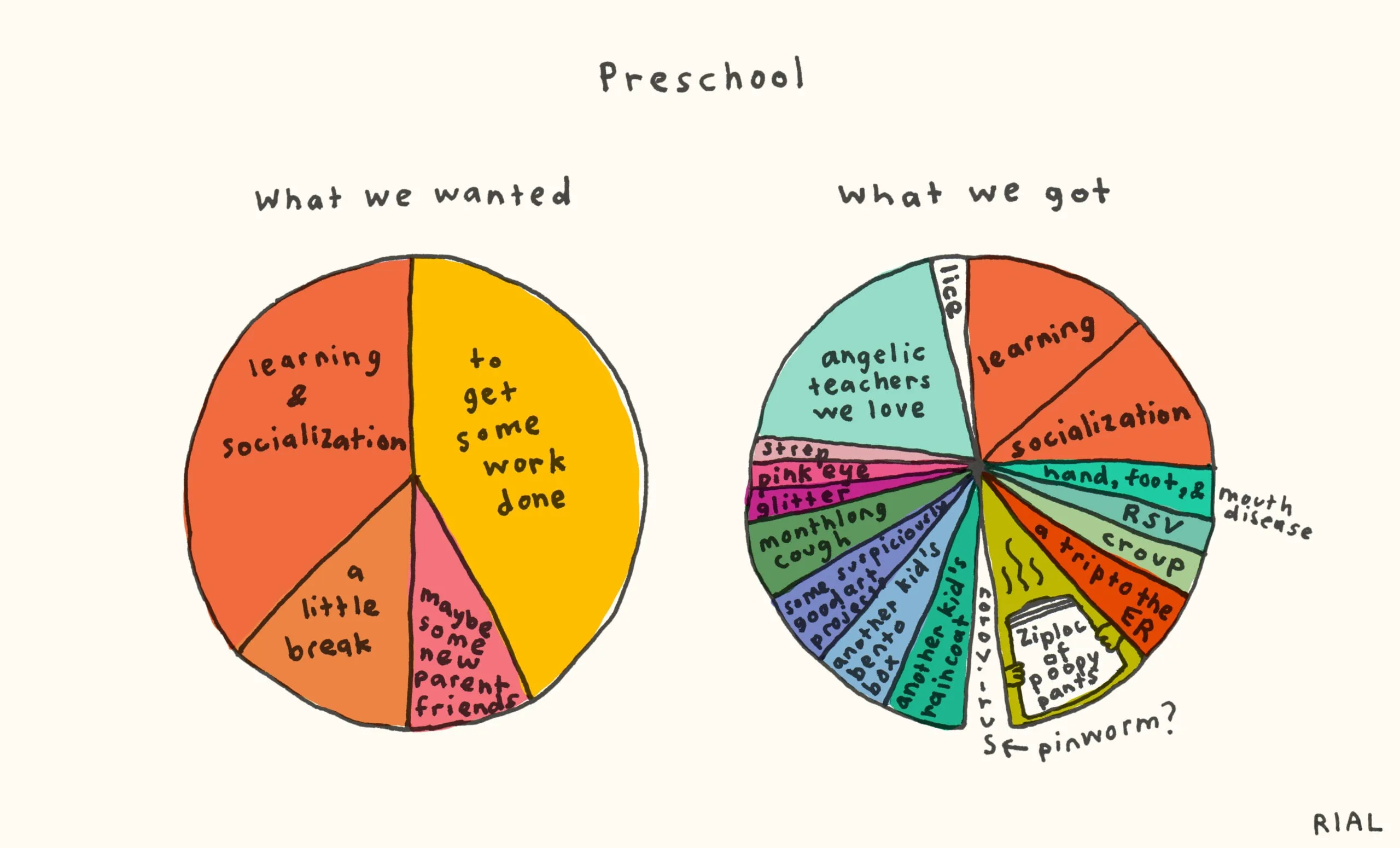
The landscape of early childhood education in the mid-2020s has become a complex intersection of developmental milestones, public health challenges, and evolving social pressures. As families navigate the post-pandemic era, the traditional preschool experience is being redefined not just by ABCs and 123s, but by a relentless cycle of viral exposure and the increasingly visible emotional labor of educators. Recent data and community discourse indicate that while the "viral gauntlet" of daycare remains a primary concern for parents, the value of the early childhood workforce and the resilience of the childcare infrastructure are under more scrutiny than ever before.
The Viral Gauntlet: Public Health in the Classroom
For most parents of children aged zero to five, the preschool experience is synonymous with a near-constant state of illness. Epidemiological data suggests that children in group childcare settings can experience between eight and twelve respiratory infections per year. However, the current discourse among families suggests a broadening spectrum of "medieval" ailments that extend far beyond the common cold.
Among the most frequently cited challenges are Hand, Foot, and Mouth Disease (HFMD), norovirus, and parasitic infestations such as lice and pinworms. HFMD, caused primarily by the Coxsackievirus A16, remains a perennial disruptor in American preschools. While generally considered a mild childhood illness, recent reports from parents and pediatricians highlight a trend of adult transmission, which can result in more severe symptoms in parents and caregivers, including high fever and painful oral lesions.
The prevalence of norovirus—a highly contagious virus that causes vomiting and diarrhea—also remains a significant burden. According to the Centers for Disease Control and Prevention (CDC), norovirus is the leading cause of vomiting and diarrhea among young children in the United States. The "relentless" nature of the virus, as described by long-term parents, often leads to entire households being incapacitated, raising questions about the adequacy of sick-leave policies for working parents.
The Debate Over Immune System Development
A central point of contention in the current educational climate is the "Hygiene Hypothesis" versus the reality of "Immunity Debt." Traditionally, a segment of the medical community and the public has held that early exposure to common viruses "strengthens" the immune system for later life. This perspective is supported by longitudinal observations where children who attended daycare showed lower rates of illness in middle school compared to their home-stay peers.
However, recent medical analysis has introduced a more nuanced view. Some immunologists argue that while exposure to certain bacteria is beneficial, repeat viral infections—specifically RSV, influenza, and COVID-19—may lead to temporary immune dysregulation. Research into the long-term effects of repeat infections suggests that frequent illness can lead to chronic inflammation or gut health disruptions. This has led to a divide in parental strategies, with some opting for "forest schools" or outdoor-based programs to mitigate indoor viral loads, while others remain committed to traditional settings as a necessary foundation for social and biological development.
The Professional Crisis: Valuing Early Childhood Educators
While parents manage the logistical hurdles of sick children, the educators on the front lines are facing a professional crisis. Early childhood educators are frequently cited as the "angels" of the educational system, yet they remain among the lowest-paid professionals in the country. Data from the Bureau of Labor Statistics indicates that the median hourly wage for childcare workers often hovers near the poverty line, leading to high turnover rates that threaten the stability of the sector.
The emotional and physical demands of the job are immense. Educators report a daily routine that includes managing "wet coughs to the eyeball," handling bodily fluid clean-ups (often referred to in parent circles as the "Ziploc bag of poopy pants" phenomenon), and providing emotional regulation for dozens of toddlers simultaneously. Despite these challenges, the sector continues to be driven by individuals who view the work as a vocation. The "50% Awe and Growth" factor mentioned by veteran teachers highlights the intrinsic rewards of the profession—observing milestones in inclusion, patience, and social celebration.
Chronology of the 2026 Preschool Climate
The current state of early childhood education can be traced through a series of events in early 2026 that highlighted the fragility and importance of the system:
- January 2026: A surge in norovirus and HFMD cases across the Eastern United States led to temporary closures of approximately 15% of private daycare centers, straining the workforce as parents were forced to stay home.
- February 2026: Advocacy groups for early childhood education intensified calls for federal subsidies, citing that the average cost of preschool now exceeds the cost of in-state college tuition in 28 states.
- March 2026: A viral graphic detailing the "Preschool Experience" sparked a national conversation about the reality of childhood illness. The graphic, which attributed 50% of the experience to "germs," resonated with a population feeling the "trauma" of constant health disruptions.
- Mid-March 2026: Security concerns entered the forefront of the conversation following an antisemitic threat against the Temple Israel preschool in Michigan. While no children were harmed, the incident underscored the increasing need for security infrastructure in early learning environments, adding another layer of stress to administrators and parents.
Community-Sourced Solutions and Innovations
In response to the failures of over-the-counter medical treatments and the high cost of professional services, parents have increasingly turned to community-sourced medical alternatives. A notable example is the "Cetaphil treatment" for head lice, a non-toxic method involving skin cleanser and a blow dryer that has gained traction as a cost-effective alternative to chemical shampoos or professional "lice pickers" who can charge upwards of $400 per session.
Furthermore, the rise of outdoor preschools—popularized in Scandinavia and now expanding in North America—represents a structural shift in how families approach early education. These programs prioritize fresh air and natural environments, which proponents claim significantly reduces the transmission of respiratory viruses. While not a universal solution, especially in extreme climates, the trend reflects a growing parental demand for environments that prioritize health alongside education.
Supporting Data: The Cost of Childcare and Illness
The economic impact of the preschool experience is quantifiable. A 2023 report from the Council for a Strong America estimated that the "childcare crisis" costs the U.S. economy $122 billion annually in lost earnings, productivity, and revenue. When a child is sent home with a "suspicious cough" or a parasitic infection, the ripple effect on the workforce is immediate.
- Absenteeism: Parents of preschoolers lose an average of 9–13 workdays per year due to child illness.
- Treatment Costs: The average family spends between $200 and $600 annually on over-the-counter medications and co-pays specifically related to daycare-acquired illnesses.
- Teacher Retention: Over 40% of early childhood educators report that they are considering leaving the field within the next two years due to burnout and inadequate compensation.
Broader Impact and Implications
The "Preschool Experience" is no longer just a private family matter; it is a significant public health and economic issue. The reliance on underpaid educators to manage the "viral gauntlet" is a precarious model that many experts believe is reaching a breaking point. As parents share stories of "pinworm trauma" and "lice nightmares," there is a growing consensus that the infrastructure supporting these families needs a fundamental overhaul.
The dichotomy of the experience—the "horror" of the illnesses versus the "joy" of the development—remains the defining characteristic of this life stage. While children are building the "educational foundation" that will support them for years to come, the parents and teachers supporting them are doing so under conditions of significant physical and emotional strain.
Moving forward, the focus for policymakers and health officials must be on stabilizing the childcare workforce and improving public health protocols within schools. As one educator noted, the goal is to ensure the "educational foundation" is poured and set without cracks. Achieving this requires more than just parental resilience; it requires a societal commitment to the people and institutions that care for the nation’s youngest citizens during their most vulnerable—and most viral—years.
