

The Evolution of the "Overnight" Grain Phenomenon
The concept of soaking grains overnight is not a modern invention but a refinement of the Bircher muesli tradition established in the early 1900s by Swiss physician Maximilian Bircher-Benner. Originally developed as a health food for patients in his sanitarium, the method sought to preserve the enzymes and vitamins often lost during high-heat boiling. In the contemporary context, Coconut Milk Overnight Oats have evolved to incorporate dairy-free alternatives, addressing the rising global prevalence of lactose intolerance and the shift toward plant-based diets.
The modern iteration of this dish focuses on "functional nutrition." By utilizing coconut milk as the primary hydrating agent, the recipe introduces medium-chain triglycerides (MCTs) into the morning meal. Unlike long-chain fatty acids found in many other fats, MCTs are processed more efficiently by the liver, providing an immediate source of energy. For toddlers and young children, who require a higher percentage of dietary fats for brain development and neurological health, this specific ingredient choice serves a dual purpose of satiety and cognitive support.
Nutritional Analysis of Core Components
The efficacy of Coconut Milk Overnight Oats is rooted in its macro and micronutrient profile. A standard serving contains approximately 293 calories, balanced across 27 grams of carbohydrates, 15 grams of fats, and 9 grams of protein.
The Role of Beta-Glucan in Oats
The primary ingredient, rolled oats, is a significant source of beta-glucan, a type of soluble fiber. Clinical studies have consistently shown that beta-glucan forms a gel-like substance in the digestive tract, which slows the absorption of glucose into the bloodstream. This results in a lower glycemic response, preventing the "sugar spikes" and subsequent crashes often associated with processed breakfast cereals. For the pediatric demographic, this sustained energy release is critical for maintaining focus and emotional regulation throughout the morning.
Lipid Profiles of Coconut Milk
The use of coconut milk provides 7 grams of saturated fat per serving. While historically scrutinized, modern nutritional perspectives—particularly those focused on early childhood development—emphasize the importance of high-quality fats. Coconut milk contains lauric acid, a compound also found in human breast milk, which is known for its antimicrobial properties. When combined with the 5 grams of polyunsaturated fats and 2 grams of monounsaturated fats present in the recipe, the meal offers a comprehensive lipid profile that supports cellular membrane integrity.
Micronutrient Density and Additives
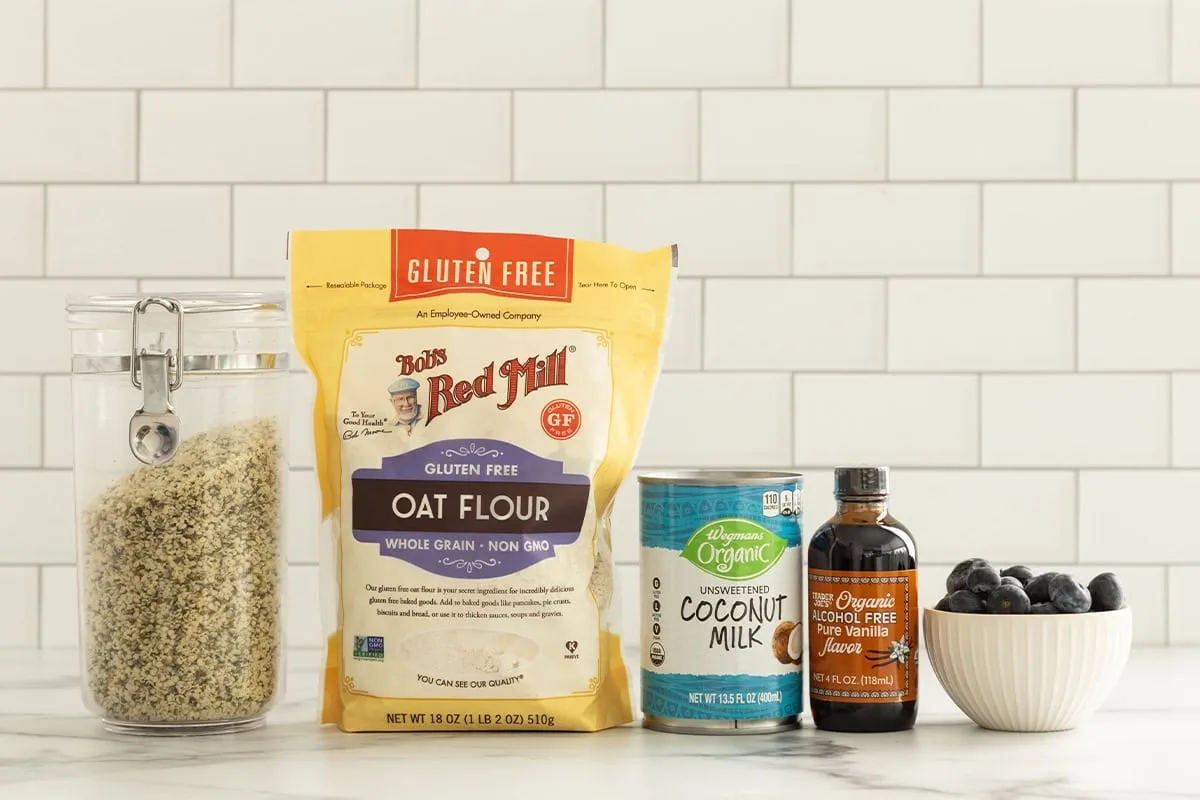
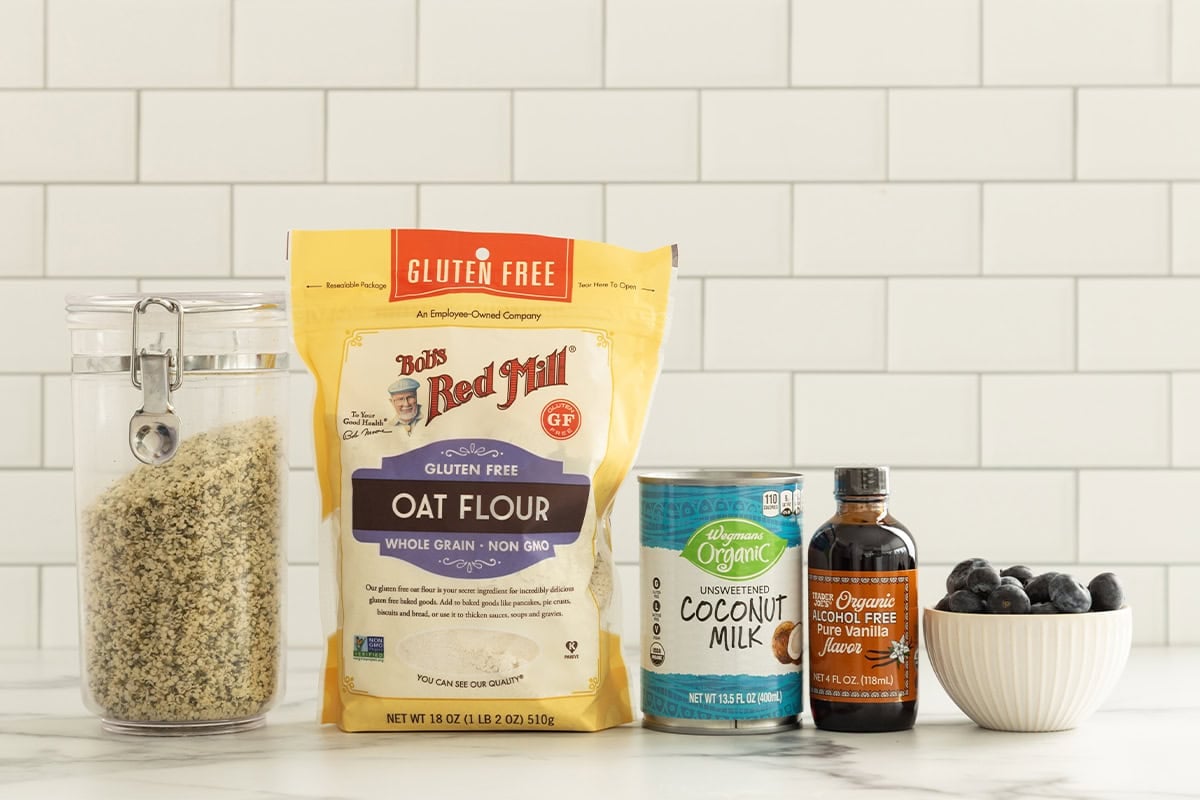
The inclusion of hemp seeds (or alternatives such as chia seeds and almond butter) introduces essential fatty acids, specifically Omega-3 and Omega-6. Hemp seeds are also a complete protein source, containing all nine essential amino acids. This enrichment ensures that the meal contributes significantly to the daily recommended intake of iron (3 mg) and potassium (124 mg), which are vital for oxygen transport and electrolyte balance, respectively.
Procedural Methodology and Preparation Standards
The preparation of Coconut Milk Overnight Oats follows a standardized protocol designed to maximize texture and flavor while minimizing active labor. The process is divided into four distinct phases: thermal preparation, homogenization, portioning, and maturation.
- Thermal Preparation: While the recipe is fundamentally a "no-cook" dish, the coconut milk may require gentle warming if the ambient temperature has caused the natural fats to solidify. Achieving a liquid state is essential for ensuring that the oats are evenly coated and hydrated.
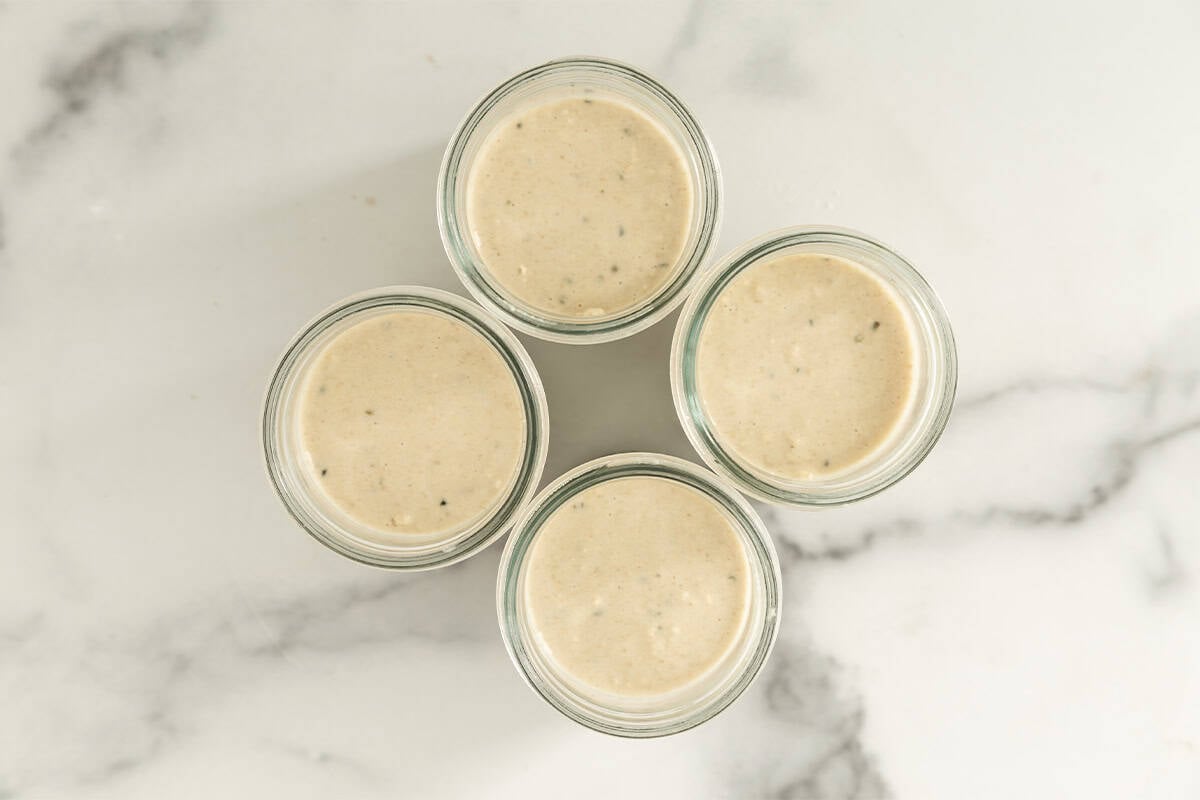
- Homogenization: The oats, vanilla extract, and hemp seeds are stirred into the coconut milk. This stage is crucial for preventing the clumping of dry ingredients. The vanilla serves as a natural flavor enhancer, reducing the need for added refined sugars.
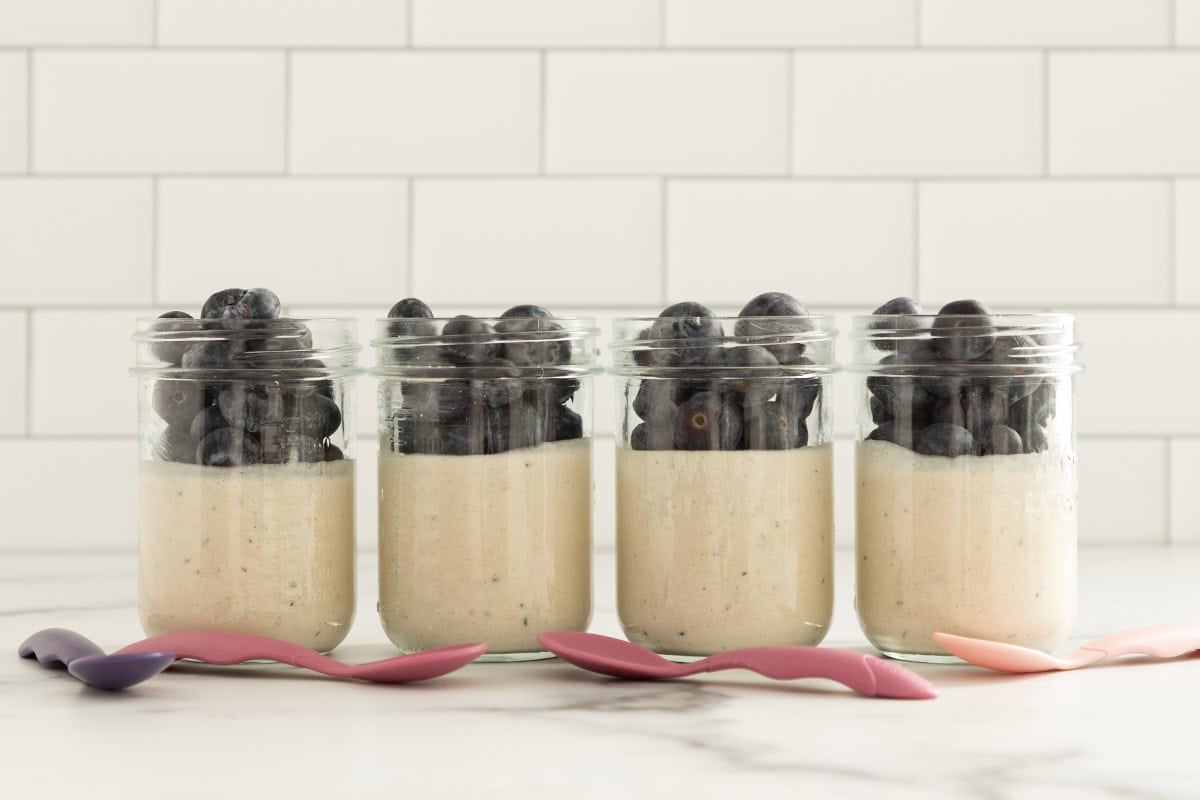
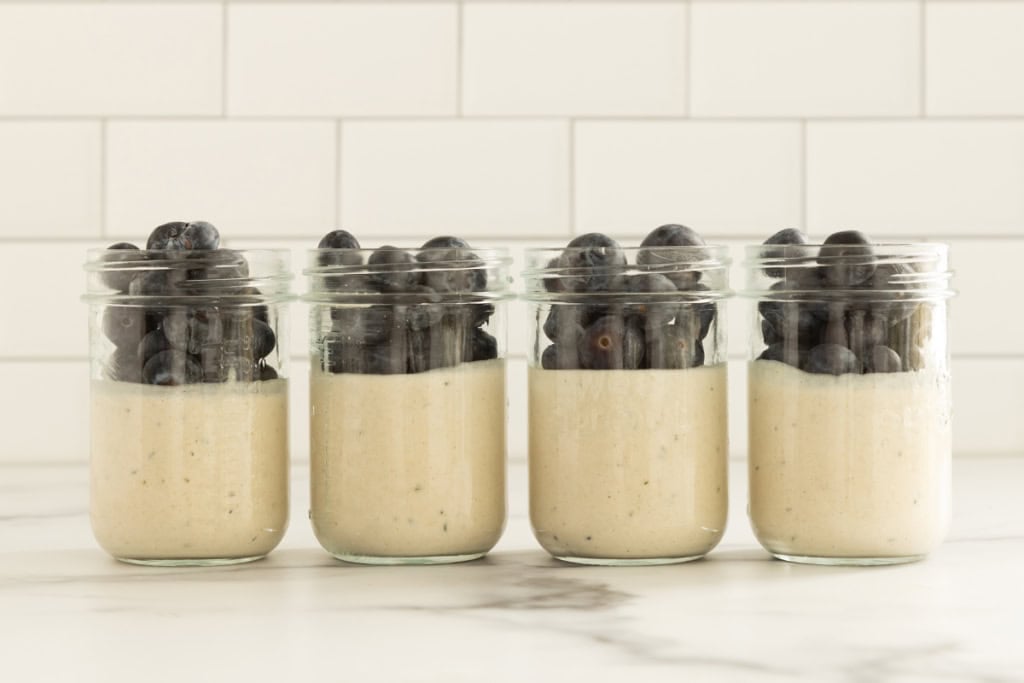
- Portioning: The mixture is transferred into individual glass containers. This step reflects the "grab-and-go" utility of the meal. By pre-portioning the oats, caregivers can manage serving sizes and ensure consistency in caloric intake.
- Maturation: The oats must be refrigerated for a minimum of four hours, though an overnight duration (8–12 hours) is optimal. During this time, the starch granules in the oats undergo a process of cold-swelling, absorbing the liquid and softening to a pudding-like consistency.
Market Context and the Shift Toward Dairy-Free Alternatives
The rise of Coconut Milk Overnight Oats is mirrored by broader trends in the global food and beverage market. According to recent market research, the plant-based milk market is projected to reach a valuation of over $30 billion by 2030, with coconut milk holding a significant share due to its culinary versatility and creamy texture.

This shift is driven by two primary factors: health necessity and environmental consciousness. Approximately 65% to 70% of the global population has some degree of lactose malabsorption after infancy. Consequently, dairy-free breakfast options have moved from the "specialty" aisle to the mainstream. Furthermore, the production of plant-based milks generally requires less land and water than traditional dairy farming, appealing to the growing demographic of "prosumers" who make purchasing decisions based on sustainability.
Economic and Logistical Impact on Modern Households
For the modern household, the primary value proposition of overnight oats is time-arbitrage. By shifting the labor of breakfast preparation to the previous evening, families can mitigate the "morning rush," a period identified by sociologists as one of the highest-stress windows in the daily routine.
The cost-effectiveness of the recipe is also notable. Bulk-purchased rolled oats and canned or cartoned coconut milk are shelf-stable staples with low per-serving costs. When compared to pre-packaged, sugar-laden "instant" breakfast products, homemade overnight oats offer superior nutrition at a lower price point. The ability to store the prepared oats for three to five days allows for "batch prepping," a logistics strategy that reduces total weekly kitchen time and minimizes food waste.

Expert Perspectives on Pediatric Feeding Strategies
Pediatric nutritionists often highlight the importance of texture exposure in early childhood. Coconut Milk Overnight Oats provide a "soft-solid" texture that is ideal for toddlers transitioning from purees to complex table foods.
"The goal of early feeding is not just caloric delivery, but the development of a diverse palate and healthy oral-motor skills," notes a consensus of nutritional guidelines. The recipe’s adaptability—allowing for the addition of fresh blueberries or the blending of the mixture into a reusable pouch—provides caregivers with the flexibility to meet a child’s sensory preferences.
Furthermore, the recipe addresses the "protein gap" often found in toddler diets. By offering the option to substitute half of the coconut milk with Greek yogurt, the protein content can be significantly increased, supporting muscle growth and metabolic function.
Broader Implications for Public Health
As the global community grapples with rising rates of childhood obesity and metabolic syndrome, the promotion of low-sugar, high-fiber breakfasts like Coconut Milk Overnight Oats is a practical public health intervention. The USDA’s Dietary Guidelines for Americans emphasize the reduction of added sugars, which currently account for a disproportionate amount of the average child’s caloric intake via breakfast cereals and pastries.
By utilizing the natural creaminess of coconut milk and the subtle sweetness of vanilla and fresh fruit, this recipe provides a palatable alternative that aligns with medical recommendations. The high fiber content (2 grams per serving) also aids in digestive health, a common concern for parents of young children.
Future Outlook for the Functional Breakfast Sector
Looking forward, the trend toward "functional" breakfasts shows no signs of abating. We can expect further innovations in the overnight grain sector, including the integration of adaptogens, probiotic-fortified plant milks, and ancient grains like quinoa or amaranth to further diversify the nutrient profile.
Coconut Milk Overnight Oats stand as a testament to the fact that nutritional excellence does not require complexity. Through the simple application of time and basic ingredients, a meal is produced that satisfies the rigorous demands of pediatric nutrition while fitting seamlessly into the fast-paced lifestyle of the 21st-century family. The continued popularity of this dish signifies a broader cultural return to whole-food foundations, reimagined for modern convenience.
