

The Shift Toward Homemade Functional Snacks
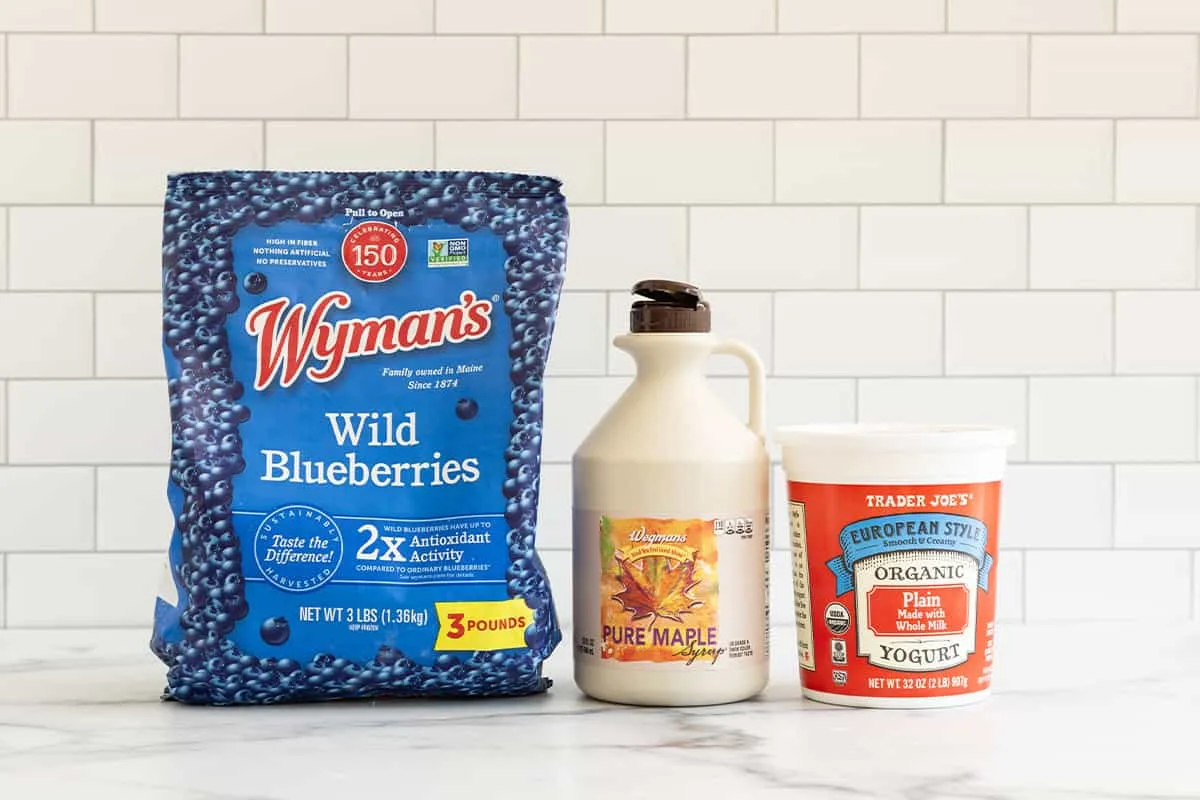
The rise of homemade yogurt preparations coincides with increasing public health awareness regarding early childhood nutrition. According to the American Academy of Pediatrics (AAP) and the World Health Organization (WHO), the first 1,000 days of a child’s life are critical for establishing taste preferences and long-term metabolic health. Commercial yogurts marketed toward children often contain high levels of cane sugar, corn syrup, and thickeners like carrageenan or modified food starch. By contrast, the three-ingredient blueberry yogurt method allows caregivers to control the glycemic load of the snack, using the natural fructose of the berries as the primary sweetener.
Market data suggests that the "DIY" food movement has gained significant momentum as a response to inflation and the rising cost of organic dairy. Preparing fruit-on-the-bottom yogurt at home can reduce the per-serving cost by approximately 30% to 50% compared to individual single-serve containers from premium brands. Furthermore, the use of reusable glass or BPA-free plastic jars significantly reduces the volume of single-use plastic waste generated by a typical household.
Chronology of Preparation and Technical Process
The production of blueberry yogurt follows a systematic process centered on the creation of a concentrated fruit reduction. This ensures that the moisture content of the fruit does not dilute the texture of the yogurt, maintaining a thick, creamy consistency.
Phase 1: The Berry Reduction
The process begins with the selection of fruit. The recipe is compatible with both cultivated (highbush) and wild blueberries. Wild blueberries, often smaller and more intensely flavored, contain higher concentrations of anthocyanins and typically break down more rapidly during heating.
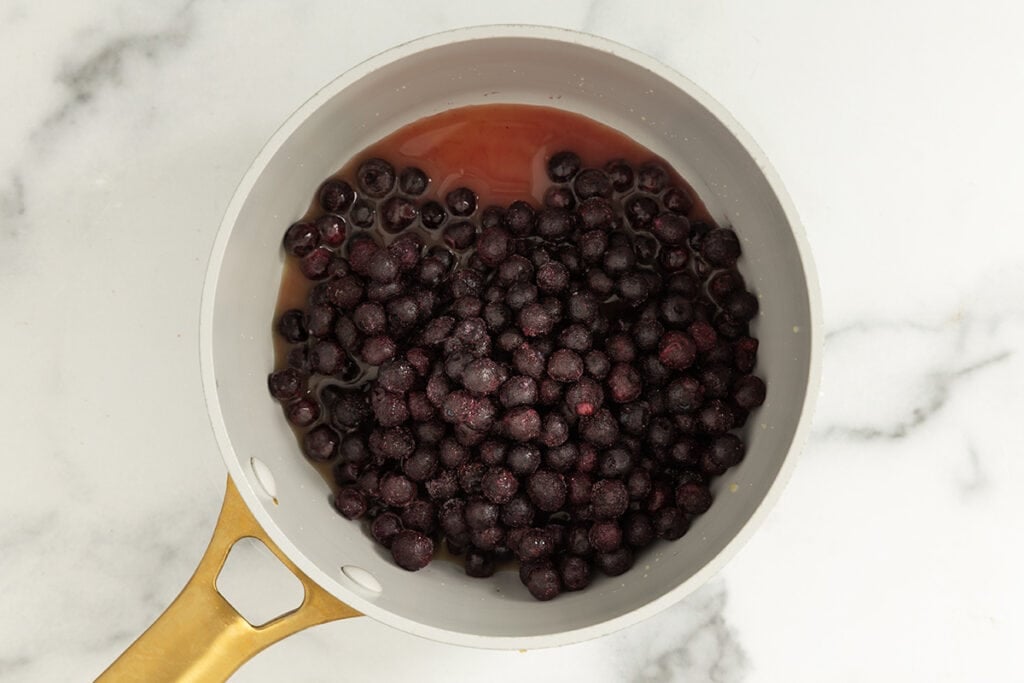
- Initial Simmer: Berries are combined with a small amount of juice or water in a saucepan over medium-low heat.
- Thermal Breakdown: As the temperature rises, the cell walls of the blueberries rupture, releasing juices.
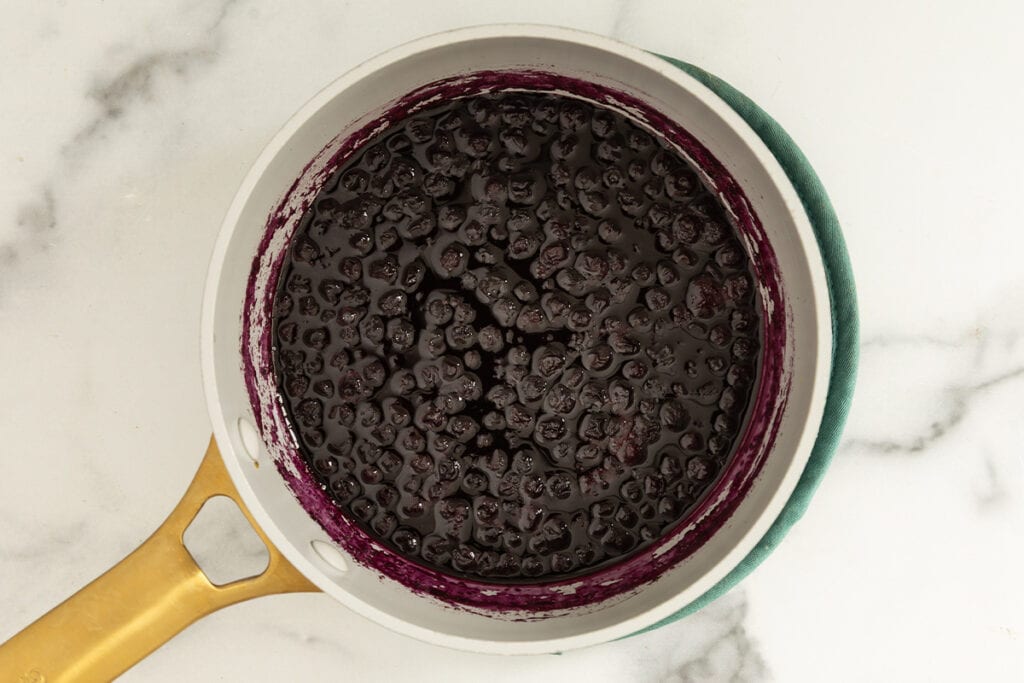
- Thickening: The mixture is simmered until the liquid reduces and the natural pectins in the fruit begin to gel, creating a thickened sauce. This stage typically requires 5 to 10 minutes depending on the moisture content of the fruit.
Phase 2: Cooling and Integration
Thermal stability is crucial for maintaining the probiotic integrity of the yogurt. Adding hot fruit sauce directly to yogurt can kill the live active cultures (such as Lactobacillus bulgaricus and Streptococcus thermophilus) that provide digestive benefits.

- Cooling Period: The sauce must reach room temperature or be chilled before assembly.
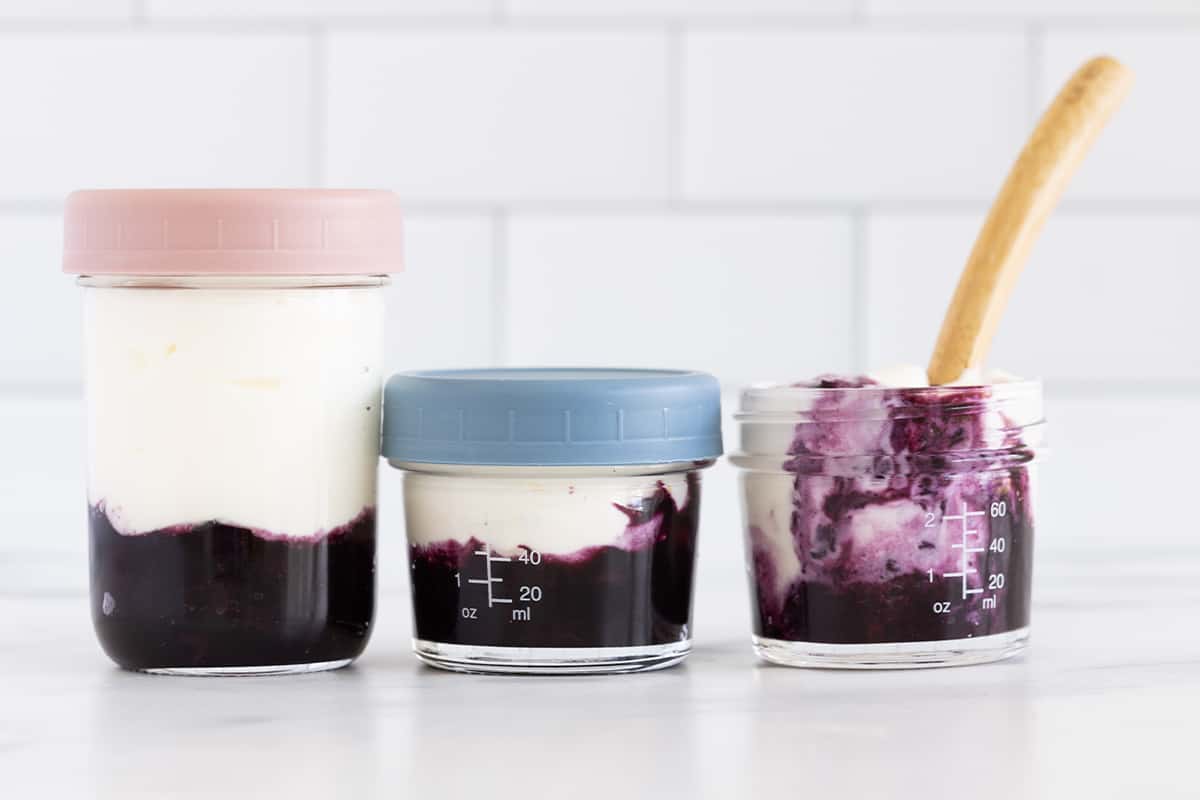
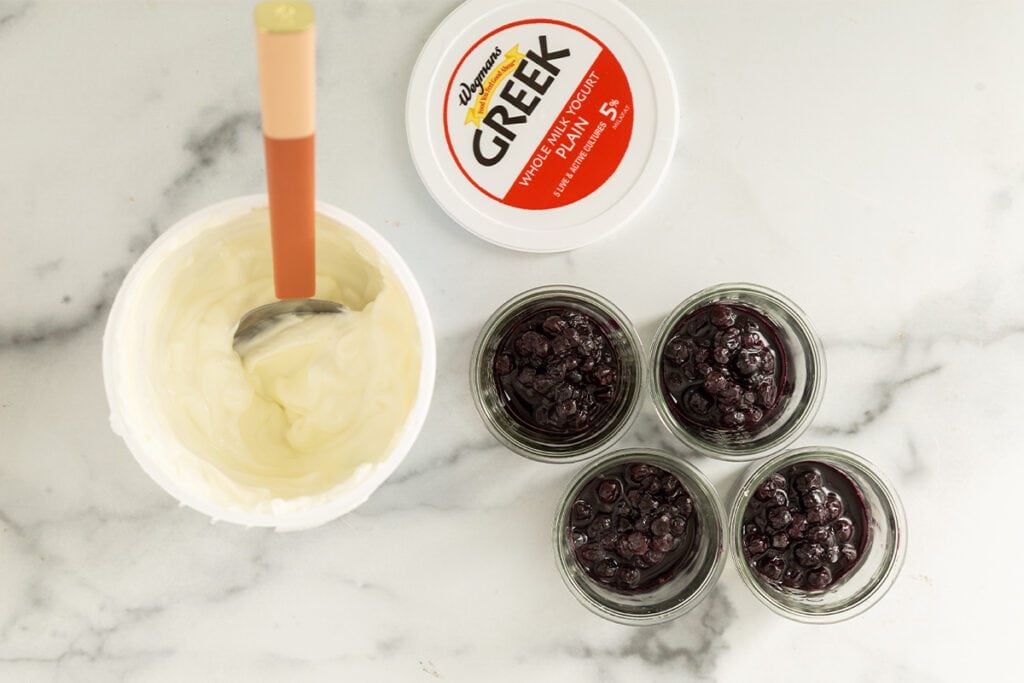
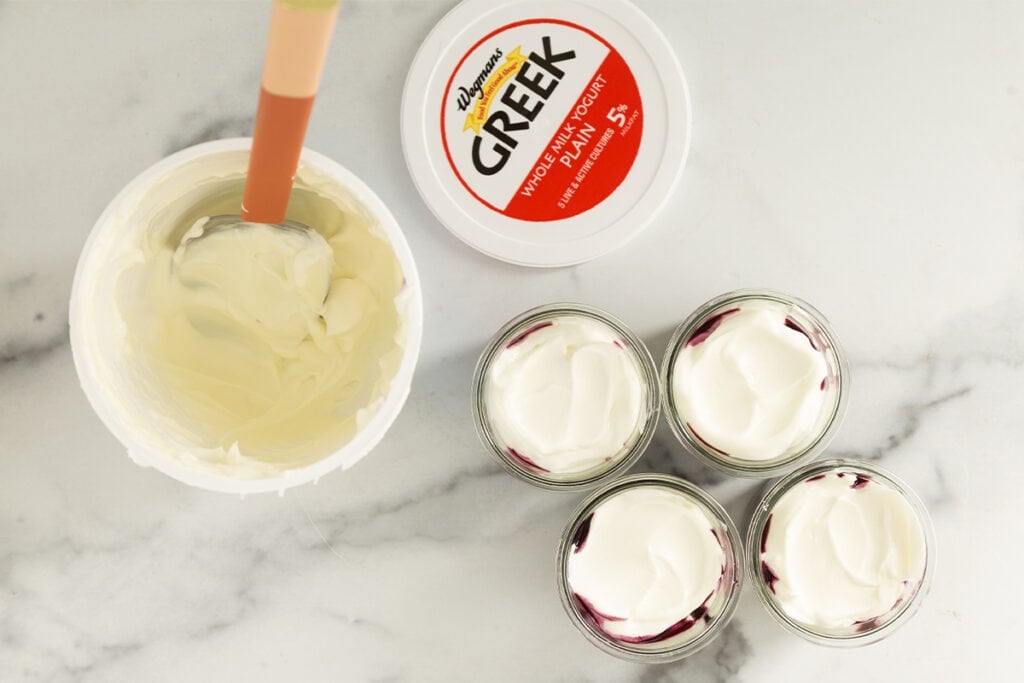
- Layering: The cooled sauce is divided into individual airtight containers.
- Topping: Yogurt is layered over the fruit. This "on-the-bottom" format prevents the fruit from oxidizing and allows the consumer to mix the components immediately before consumption, preserving the distinct textures.
Nutritional Analysis and Supporting Data
A standard serving of this blueberry yogurt preparation provides a robust nutritional profile that balances macronutrients for sustained energy release. Based on a four-serving yield, the approximate nutritional values are as follows:
- Calories: 118 kcal
- Total Carbohydrates: 24g
- Protein: 3g (Note: This increases significantly if Greek yogurt is used as the base)
- Total Fat: 2g (with 1g of saturated fat)
- Dietary Fiber: 2g
- Sugars: 20g (primarily naturally occurring from fruit and lactose)
- Micronutrients: Significant levels of Vitamin A (132 IU), Vitamin C (15 mg), and Calcium (81 mg).
The inclusion of blueberries adds a high "Oxygen Radical Absorbance Capacity" (ORAC) score to the snack. Blueberries are rich in flavonoids, specifically anthocyanins, which have been linked in numerous clinical studies to improved cognitive function and cardiovascular health. For pediatric populations, the dietary fiber in the berries supports healthy gut motility, while the calcium and protein in the yogurt are essential for bone development and muscle growth.
Professional Guidelines and Safety Protocols
When introducing this recipe to infants (the "baby yogurt" stage), healthcare professionals emphasize several safety and nutritional modifications.
The Honey Restriction
A critical safety directive for this recipe involves the use of sweeteners. While maple syrup or honey may be added for older children and adults, the Centers for Disease Control and Prevention (CDC) and the AAP strictly advise against the introduction of honey to infants under 12 months of age. This is due to the risk of infant botulism, a rare but serious gastrointestinal condition caused by Clostridium botulinum spores, which can be present in honey.
Texture and Developmental Milestones
For younger infants just beginning complementary foods (around 6 months), the blueberries should be thoroughly mashed or pureed within the sauce to eliminate potential choking hazards. As the child develops "pincer grasp" and advanced chewing capabilities, the whole cooked berries can be left intact to provide sensory variety.
Dairy Alternatives
For individuals with lactose intolerance or cow’s milk protein allergy (CMPA), the recipe is functionally compatible with dairy-free alternatives. Nutritionists recommend soy or pea-protein-based yogurts for those seeking a protein count similar to traditional dairy, whereas coconut or almond-based yogurts may be used for those prioritizing flavor and healthy fats, though they typically offer lower protein content.
Consumer Feedback and Market Response
The reception of this DIY approach has been overwhelmingly positive among health-conscious demographics. Consumer testimonials highlight the versatility of the method. One user, identified as Maria, noted that the homemade version successfully replaced commercial brands for her five-year-old child, citing reduced sugar and waste as the primary motivators. She further suggested that the addition of lemon zest to the blueberry reduction enhances the flavor profile, illustrating the recipe’s adaptability.
Culinary experts also point out that this method serves as a "master recipe" for various seasonal fruits. The same reduction technique can be applied to strawberries, raspberries, or peaches, allowing families to utilize local produce throughout the year.
Broader Impact and Implications
The promotion of simple, three-ingredient recipes like blueberry yogurt reflects a broader shift in the food industry toward "clean eating" and the rejection of ultra-processed foods (UPFs). Recent longitudinal studies have suggested a correlation between high consumption of UPFs and various metabolic disorders. By providing a blueprint for a snack that is nutritionally superior to its store-bought counterparts, this recipe empowers consumers to take an active role in food production.
Environmental Sustainability
Beyond health, the environmental implications are noteworthy. The yogurt industry is a major contributor to plastic packaging waste. By purchasing yogurt in large, multi-serve tubs and portioning it into glass jars with homemade fruit sauce, households can drastically reduce their carbon footprint.
Economic Efficiency
In a fluctuating economy, the ability to use frozen fruit—which is frozen at the peak of ripeness and often cheaper than fresh produce—ensures that high-quality nutrition remains accessible. The long shelf life of frozen blueberries allows for bulk purchasing, further driving down the cost per serving.
Storage and Versatility
The finished product is designed for efficiency in "meal prepping." When stored in airtight containers, such as those manufactured by specialized glass storage companies, the blueberry yogurt remains fresh for up to five days in a refrigerated environment (at or below 40°F/4°C).
For an alternative application, the mixture can be utilized as a base for frozen confections. By filling popsicle molds with the yogurt and berry sauce, caregivers can create "yogurt pops," providing a nutrient-dense alternative to traditional high-sugar ice pops. This versatility makes the recipe a staple for year-round nutrition, serving as a breakfast component, a school lunch addition, or a post-exercise recovery snack for adults.
In summary, the three-ingredient blueberry yogurt recipe represents a convergence of nutritional science, economic practicality, and culinary simplicity. It addresses the modern consumer’s need for transparency in food ingredients while providing a scalable solution for family health and environmental responsibility.
