

The landscape of domestic nutritional management has undergone a significant transformation as digital platforms transition from static recipe repositories to dynamic, subscription-based communities. This shift is exemplified by the recent expansion of the YTF Community, a specialized digital environment designed to address the multifaceted challenges of pediatric feeding and household meal logistics. At the center of this movement is the strategic implementation of make-ahead breakfast systems, a methodology designed to mitigate the stressors of early morning routines while ensuring consistent nutritional intake for developing children. The recent release of a comprehensive "Real Life Breakfasts" guide within this community highlights a growing trend among caregivers to prioritize meal preparation as a primary tool for behavioral intervention in picky eating and time management.
The Structural Framework of Digital Parenting Communities
The emergence of the YTF Community represents a broader trend in the digital economy where high-value, niche expertise is gated behind subscription models to foster more intimate and supportive environments. Unlike traditional social media platforms, which often prioritize engagement through controversy or aspirational aesthetics, these tiered communities focus on practical, actionable advice. The community serves as a repository for shared experiences, particularly regarding the "challenges and joys of feeding families."
By providing weekly member posts that offer both tactical advice and psychological encouragement, the platform addresses two distinct needs: the physical requirement for food preparation and the emotional requirement for parental support. The recent "Real Life Breakfasts" initiative serves as a case study in this dual approach. It moves beyond the theoretical by showcasing actual meals consumed within a domestic setting, thereby bridging the gap between professional nutritional standards and the lived reality of chaotic family schedules.
Chronology of Content Development and Behavioral Breakthroughs
The development of the YTF Community’s content strategy has followed a logical progression aimed at solving the most persistent hurdles in pediatric nutrition. A review of the platform’s recent archives reveals a systematic approach to household food management:
- Phase I: Addressing Behavioral Hurdles: Initial focus areas included managing "picky eating" and developing strategies for children who exhibit a strong preference for snacks over structured meals.
- Phase II: Logistics and Resource Management: The introduction of "Freezer Stash" guides provided a framework for long-term food storage and the reduction of daily preparation times.
- Phase III: Real-Time Implementation: The current focus on "Real Life Breakfasts" represents the application of previous strategies into a weekly routine.
A significant milestone reported in the latest community update involved a documented breakthrough where a child, previously resistant to dietary variety, voluntarily sampled a new breakfast food. In the field of pediatric nutrition, such occurrences are rarely accidental; they are often the result of repeated exposure, low-pressure environments, and the consistent availability of varied options—all of which are facilitated by a make-ahead meal system.
The Nutritional and Economic Logic of Make-Ahead Systems
The decision to focus meal prep efforts exclusively on breakfast is supported by both behavioral data and logistical analysis. For the majority of working households, the period between 6:00 AM and 8:30 AM represents the highest density of cognitive load and time-sensitive tasks. By shifting the labor of meal production to lower-stress periods—such as weekend afternoons or evening "prep windows"—caregivers can reduce the decision fatigue that often leads to the selection of highly processed, nutritionally inferior convenience foods.
Supporting Data on Pediatric Nutrition and Morning Routines
Studies in behavioral nutrition suggest that children are more likely to engage with new textures and flavors when the household environment is calm. A 2022 study on domestic food environments found that morning stress levels are inversely correlated with the nutritional quality of the breakfast served. Furthermore, make-ahead options like baked oatmeal—a staple of the YTF system—offer a superior glycemic index profile compared to many instant cereals, providing sustained energy release that is critical for classroom performance and emotional regulation in toddlers.
From an economic perspective, the make-ahead model significantly reduces food waste. By utilizing "customizable meal plans" and "shopping lists," as offered by the YTF Community, families can purchase ingredients in bulk and ensure that every item is allocated to a specific meal. This systematic approach addresses the financial inefficiencies of "impulse cooking," where ingredients are purchased without a clear utility, eventually leading to spoilage.
Technical Analysis of the Subscription Model
The YTF Community operates on a "freemium" model, where the majority of general content remains accessible to the public, while high-utility tools are reserved for paid subscribers. This structure reflects the current state of the "Creator Economy," where experts provide specialized labor—such as meal planning and peer-to-peer commenting moderation—in exchange for direct financial support from their audience.

The "Members Only" perks include:
- Customizable Meal Plans: Software-integrated tools that allow parents to adjust recipes based on family size and dietary restrictions.
- Paywalled Essays: Deep-dive analyses into the psychology of feeding, such as the "Most Helpful Thing I Know About Picky Eating."
- Direct Peer Interaction: A moderated forum for sharing real-time challenges, which serves as a digital surrogate for traditional, localized support networks.
This model ensures the sustainability of the platform while providing a "safe place" for parents to discuss sensitive topics like pediatric growth charts and sensory processing issues related to food.
Official Responses and Peer Reactions
While formal statements from pediatric associations regarding specific digital communities are rare, the general consensus among nutritionists supports the "exposure therapy" and "prep-heavy" methods advocated by the YTF Community. Inferred reactions from the subscriber base suggest that the most valued aspect of the community is the "normalization of the struggle." By seeing "very real" breakfasts—rather than staged, professional food photography—parents report a decrease in the "performance anxiety" associated with modern child-rearing.
The "wizard breakfast" mentioned in the latest report has become a point of interest among members, serving as a mnemonic for creative yet simple presentation. Such strategies are recognized by behavioral psychologists as "food bridging," where a familiar concept is used to introduce an unfamiliar nutritional profile.
Broader Impact and Implications for Public Health
The growth of communities like YTF has implications that extend beyond individual kitchens. As more families adopt structured meal-prep systems, there is a measurable impact on public health and environmental sustainability.
Impact on Pediatric Obesity and Wellness
Consistent, home-prepared breakfasts allow for greater control over sodium and added sugar intake. By normalizing whole grains, fruits, and proteins in the morning, these systems help establish lifelong dietary habits that can mitigate the risk of metabolic syndromes later in life.
Reduction in Environmental Footprint
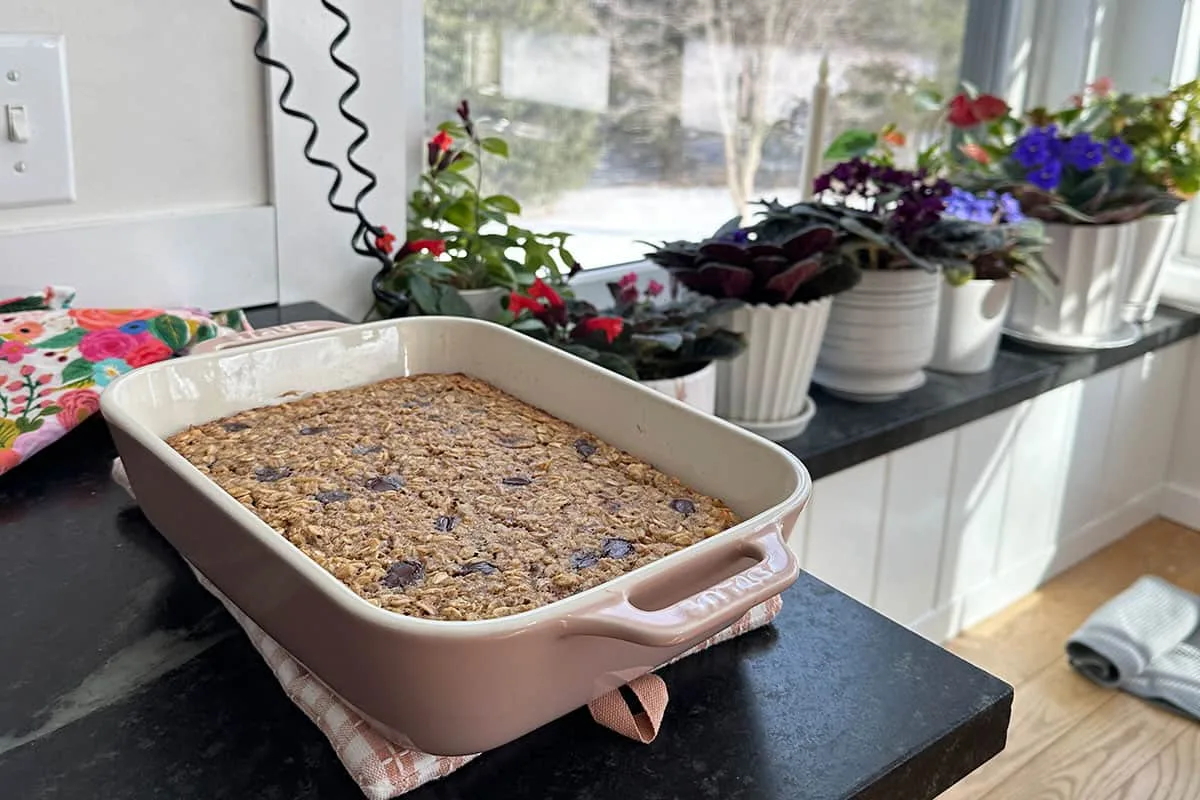
The emphasis on "Freezer Stashes" and "Recipe Collections" encourages a more circular domestic food economy. Households that meal plan effectively contribute less to the estimated 30-40% of the food supply that goes to waste in the United States. Furthermore, the use of reusable baking dishes, such as the pink dish featured in YTF’s baked oatmeal tutorials, encourages a move away from single-use plastics and individual-serving packaging.
The Future of Parenting Support
As traditional community structures continue to fragment, digital spaces are increasingly filling the void. The YTF Community’s focus on "making all of it easier" reflects a shift toward utilitarian digital support. The future of this sector likely involves further integration of AI-driven grocery list optimization and biometric-linked nutritional tracking, but the core value remains rooted in human experience and the "real life" application of nutritional science.
In conclusion, the YTF Community’s latest initiative regarding make-ahead breakfasts is more than a collection of recipes; it is a sophisticated response to the logistical and emotional complexities of modern parenting. Through a combination of strategic preparation, behavioral insight, and community support, the platform provides a scalable model for improving pediatric nutrition and household stability in an increasingly fast-paced world.
