

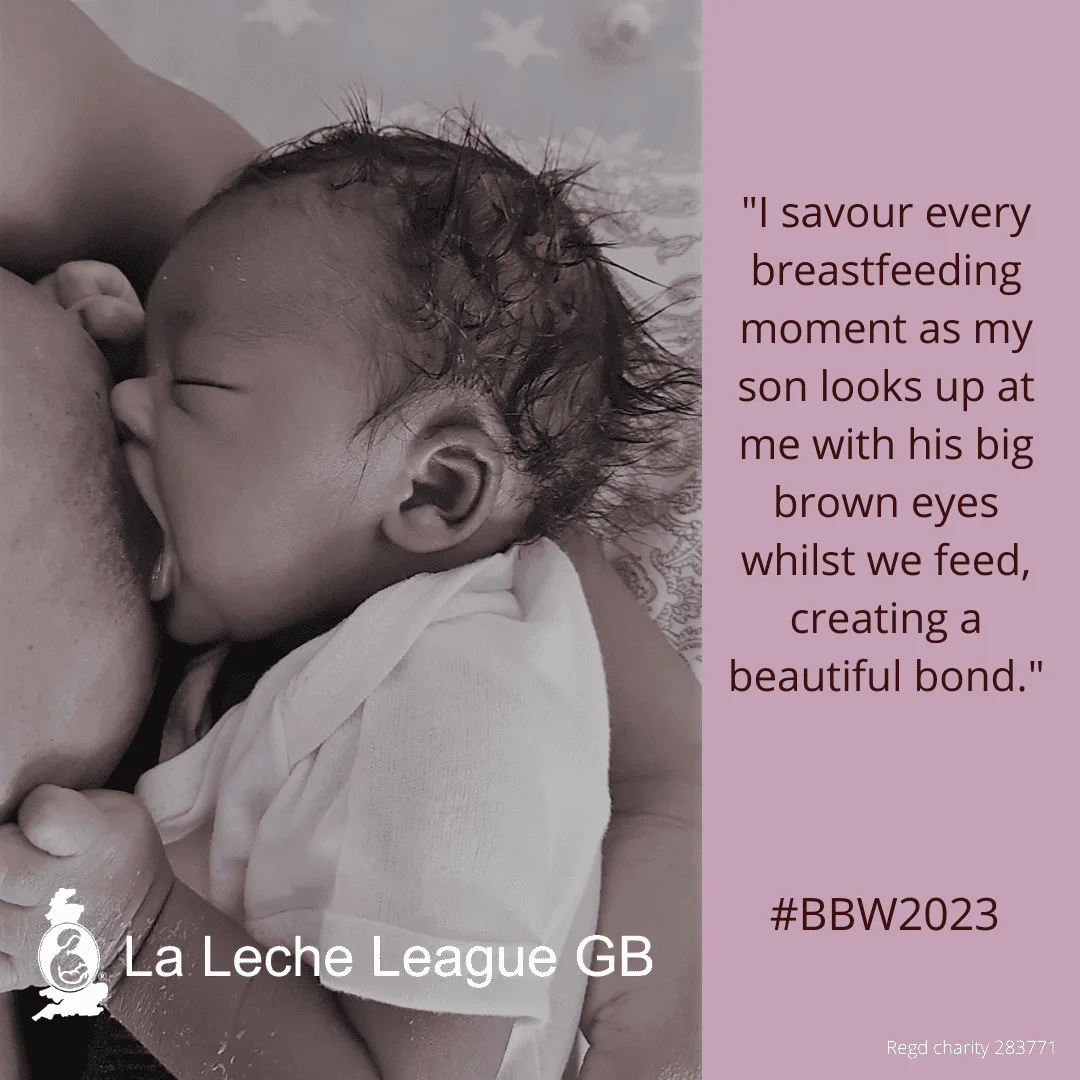
A compelling narrative has emerged from South East London, shedding light on the multifaceted challenges and profound triumphs inherent in a mother’s journey to breastfeed, particularly within communities where support and understanding may be scarce. This personal account, shared during Black Breastfeeding Week 2023, underscores the critical importance of robust support systems, professional guidance, and community advocacy in empowering mothers to achieve their breastfeeding goals. It highlights not only an individual’s resilience but also systemic gaps in postnatal care and persistent societal misconceptions surrounding infant feeding.
Navigating Early Challenges: The First Pregnancy and Mixed Feeding
The mother’s journey began with her first pregnancy, which concluded at 38 weeks with the birth of a son weighing a mere 5lbs. The immediate postnatal period was marked by concerns regarding the infant’s weight gain. Following a health visitor’s assessment, the mother was advised to adopt a mixed-feeding approach, supplementing breast milk with formula to ensure her son received adequate nutrition for growth. This recommendation, while often given with the best intentions for infant health, can frequently introduce complexities for mothers aiming for exclusive breastfeeding. Studies show that early introduction of formula can sometimes impact milk supply and latch, potentially leading to a shorter duration of breastfeeding. By the time her first son reached nine months, the mother reported that she rarely offered the breast, citing persistent difficulties with latching as a primary reason for discontinuing. This experience, common among many new mothers, underscored a significant learning curve and ignited a strong determination for a different outcome in future pregnancies.
A Renewed Resolve: Preparing for the Second Breastfeeding Journey
Learning from her initial experience, the mother approached her second pregnancy with a clear and unwavering commitment to exclusively breastfeed. Recognising the need for proactive preparation and informed support, she actively sought out resources. This included attending various breastfeeding courses designed to equip expectant mothers with knowledge and practical skills. Furthermore, she engaged in conversations with friends and cousins who had successfully exclusively breastfed their children, drawing on their experiences and insights. This preparatory phase highlights a growing trend among expectant parents to educate themselves on infant feeding choices, a vital step given the often-overwhelming information landscape and varied advice available. The proactive engagement with community networks and educational resources is consistently linked to higher rates of breastfeeding initiation and continuation.
The Second Birth: Initial Joy Meets Postnatal Realities
The second son’s arrival at 41 weeks and one day, following an emergency C-section, brought with it a sense of renewed hope and initial success. Weighing a healthy 7lbs, the newborn reportedly latched onto the breast almost immediately, a moment the mother described as profoundly "happy, empowered, and proud." This initial success is often crucial for establishing breastfeeding, as skin-to-skin contact and early initiation within the first hour of birth are recognised by organisations like the World Health Organization (WHO) as key factors for successful breastfeeding.
However, this initial triumph was short-lived. By the second day in the hospital, the mother experienced significant pain during feeding, indicating a potentially improper latch. Her subsequent attempts to seek assistance from hospital staff, including midwives and nurses, were met with limited success. She recounted that as her hospital stay progressed, it became "apparent that the overworked staff did not have the time, and in some cases, the proper knowledge about breastfeeding." This often resulted in her calls for assistance going "unheard and ignored," leaving her to grapple with excruciating pain and uncertainty. This situation reflects a broader challenge within healthcare systems, where staffing shortages and insufficient training in lactation support can significantly impede effective postnatal care, particularly for complex breastfeeding issues. The immediate postpartum period is a critical window for establishing breastfeeding, and inadequate support during this time can have lasting negative impacts on a mother’s ability to continue.
The Critical Turning Point: Desperation and the Search for Support
Upon returning home with her newborn, the reality of her painful situation intensified. With "very cracked and sore nipples," the mother found herself in unbearable pain, unable to comfortably feed her exclusively breastfed baby. The night reached a crisis point when, at 1 AM, she made a desperate call to her husband, requesting he find an open store to purchase formula. She also located an old bottle. This decision, she later articulated, was not born of a desire to abandon breastfeeding but rather from a profound sense of despair and a feeling of being unheard and unsupported by the hospital staff regarding her pain and latch issues. The emotional distress of being unable to nourish a crying infant due to unaddressed pain is a common yet often overlooked aspect of the postnatal period.
The following morning marked a pivotal moment in her journey. Reaching out to a friend, who was described as a "breastfeeding advocate," proved to be a critical step. The friend promptly provided contact details for the South East London La Leche League Great Britain (LLLGB) Group. In a state of exhaustion and distress, the mother left a voice note for the LLLGB leaders. Her immediate receipt of a message stating, "I’ll come at 6:00pm this evening," provided an unprecedented sense of relief and support. This swift, empathetic response from a peer support organisation underscores the invaluable role such groups play in filling the gaps left by overstretched or inadequately trained formal healthcare services.
The Intervention and Triumph: La Leche League’s Impact
The LLLGB Leader’s visit to the mother’s home on "one of the wettest March evenings so far" proved transformative. With notable "patience, softness, and wisdom," the leader demonstrated effective techniques to establish a proper latch, even on the severely cracked nipples. Within a mere 20 minutes, despite the initial pain, the baby successfully latched and fed. This immediate success highlights the efficacy of hands-on, expert lactation support, which often requires more time and specialised knowledge than general hospital staff can provide. The LLLGB’s approach, rooted in mother-to-mother support and evidence-based information, empowers mothers to overcome physical and emotional hurdles.
Days later, the mother attended an LLLGB group meeting, where she received further support from other women on how to repair cracked nipples and address general breastfeeding concerns. This communal aspect of peer support, offering shared experiences and practical advice, is a cornerstone of organisations like LLLGB. Five months subsequent to this intervention, the mother reported that her son was "healthy and exclusively breastfed," a testament to the effectiveness of the support received. This successful outcome underscores the significant positive impact that timely and appropriate intervention can have on a mother’s breastfeeding journey, transforming potential failure into sustained success.
The Broader Impact of Breastfeeding Support and Societal Perceptions
The mother’s narrative extends beyond her personal triumph, offering insights into the broader societal context of breastfeeding. She expressed immense "pride and joy" in her body’s ability to nourish her child, a profound connection often highlighted by breastfeeding mothers. What made this achievement even more remarkable, she noted, was its attainment "despite some negative and sceptical comments from family members." These comments ranged from discomfort with breastfeeding to doubts about her milk supply due to her "small breast size." The assertion that her baby was "healthy, cuddly and weighing at the top percentile for his age" served as a powerful counter-narrative to these unfounded doubts.

Such familial and societal scepticism is a common barrier to breastfeeding globally. Misconceptions about breast size affecting milk production are widespread, despite scientific evidence confirming that breast size is unrelated to a woman’s capacity to produce milk. Furthermore, public discomfort with breastfeeding often translates into pressure on mothers to feed discreetly or to cease breastfeeding earlier than desired.
Addressing Cultural Barriers within the Black Community
The article specifically addresses the unique challenges faced within the Black community. While acknowledging that "the older generation appear to understand the benefits of breastfeeding," the mother recounted experiencing "comments from people in my community saying ‘surely he isn’t getting enough food; give formula; quickly get him on the bottle you’ve been breast feeding for too long, or go and feed in that corner waaaayyy over there’." These comments highlight a complex interplay of cultural norms, historical factors, and a lack of contemporary education surrounding breastfeeding within certain communities.
Data from Public Health England (now UK Health Security Agency) and other health bodies consistently show disparities in breastfeeding rates among different ethnic groups in the UK, with Black mothers sometimes facing unique cultural and systemic barriers. These can include a lack of representation in breastfeeding promotion materials, a prevalence of formula marketing, and differing cultural norms around public feeding or extended breastfeeding. The mother’s experience of being told to "feed in that corner" is a common form of public shaming that can deter mothers from breastfeeding in public, limiting normalisation efforts.
Despite these pressures, the mother chose to "silence those voices and continue nourishing my child," cherishing "every breastfeeding moment" and the "beautiful bond" it fostered. Her daily gratitude for her body’s capacity to feed her child encapsulates the deep personal significance of her journey.
Policy Implications and the Call for Greater Support
The mother’s story serves as a poignant call to action, advocating for increased efforts to "normalise breastfeeding and encourage women to believe in the power of their bodies." It also highlights an urgent need for "more support to educate and help mothers during those early days when breastfeeding is hard, when you spend most days glued to the sofa or bed cluster feeding." This speaks directly to the "fourth trimester" concept, where mothers require intensive support during the first few weeks postpartum.
The initial lack of adequate support from hospital staff points to a systemic issue. Healthcare professionals, despite their dedication, often lack the specific training and time required to provide comprehensive lactation support. The National Institute for Health and Care Excellence (NICE) guidelines in the UK recommend that healthcare professionals offer mothers evidence-based information and support to help them make informed choices about feeding their babies and to overcome any difficulties. However, the reality of understaffed wards and time constraints often falls short of these recommendations. Investing in more lactation consultants, providing mandatory in-depth training for all postnatal staff, and ensuring adequate staffing levels could significantly improve early breastfeeding outcomes.
Furthermore, the experience of a new mother feeling compelled to purchase formula due to unaddressed pain, despite her strong desire to breastfeed, underscores a failure in the immediate postnatal care system. This situation can be mitigated by clearer pathways for mothers to access specialised lactation support both within the hospital and immediately after discharge. The rapid response from LLLGB demonstrates the efficacy of readily accessible, expert peer support in preventing early cessation of breastfeeding.
The Indispensable Role of Peer Support Networks
The success of this mother’s journey would not have been possible, she asserted, without the unwavering support of her husband, who "recognises the value of breastmilk," and her best friend, who "constantly encouraged me to feed." Crucially, she credited the LLLGB group for providing "a safe space to discuss the highs, and sometimes lows, that come with breastfeeding," and specifically the Leader who "responded to my desperate cry."
Organisations like La Leche League, alongside other peer support groups, play an indispensable role in the breastfeeding ecosystem. They offer accessible, non-judgmental, and continuous support that complements formal healthcare services. Peer counsellors, often mothers themselves, can provide practical advice, emotional encouragement, and a sense of community that is vital during the often-isolating postpartum period. Their ability to connect with mothers on a personal level, sharing lived experiences, often makes their advice particularly resonant and effective.
Conclusion: Empowerment Through Support and Advocacy
This personal narrative, shared during Black Breastfeeding Week 2023, is more than just a story of one mother’s success; it is a powerful illustration of the profound impact of timely, informed, and empathetic support. It sheds light on the systemic challenges within healthcare, the pervasive societal and cultural barriers, and the critical need for continued advocacy to normalise breastfeeding. The journey from despair to pride, facilitated by dedicated peer support, underscores the immense strength of mothers and the transformative power of a supportive community. As efforts continue to promote and protect breastfeeding, this story serves as a potent reminder that investing in comprehensive support systems is not just beneficial for individual mothers and babies, but essential for public health and societal well-being.
