

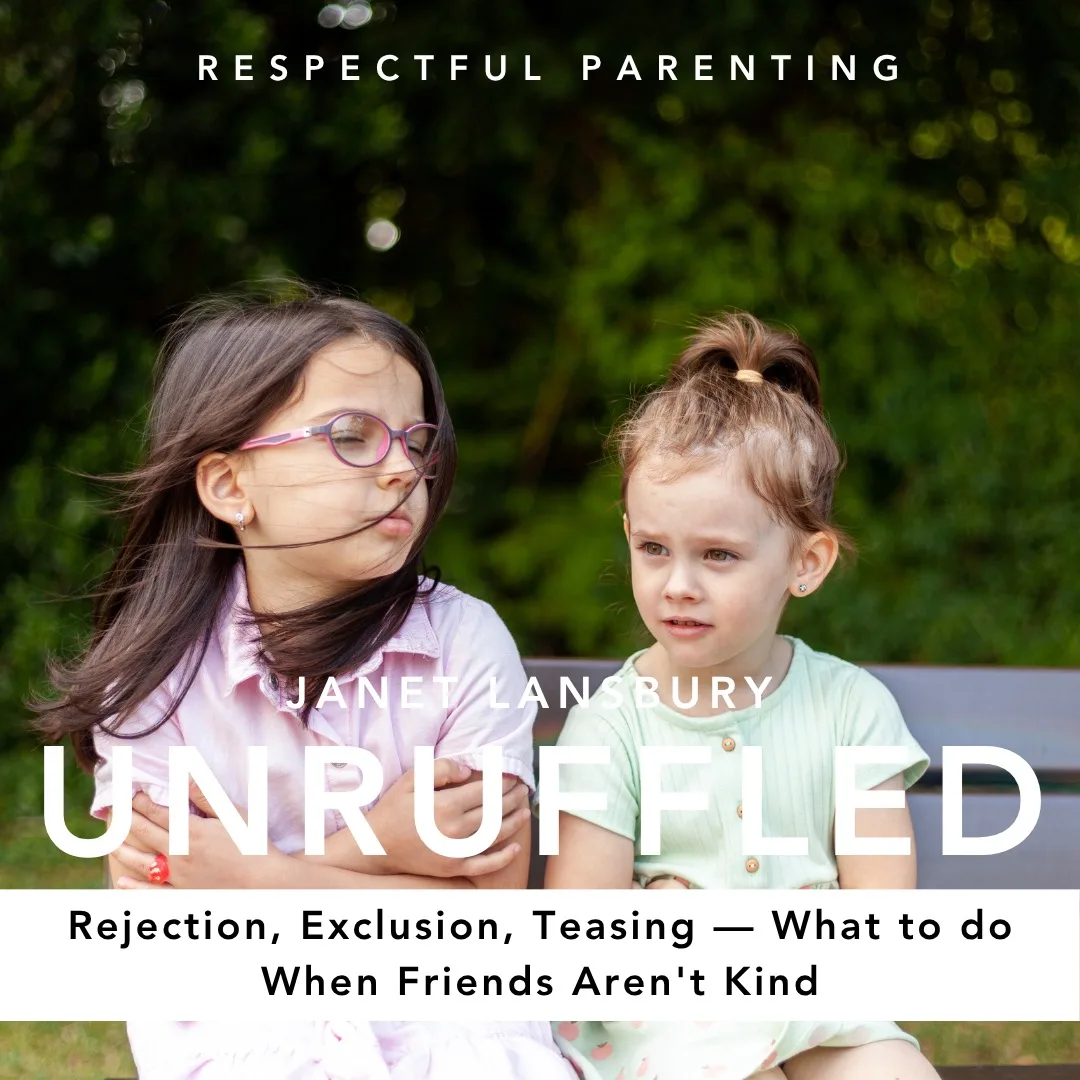
The landscape of childhood friendships, often idealized as a source of joy and belonging, can present significant challenges for both children and their parents. Issues such as rejection, exclusion, and teasing by peers can lead to profound emotional distress, confusion, and disappointment. Experts and child development advocates are increasingly highlighting the need for parents to equip their children with the tools to navigate these difficult social dynamics effectively, emphasizing supportive parental guidance over direct intervention.
This approach is central to the philosophy of Janet Lansbury, a respected voice in early childhood education and parenting. Lansbury, through her podcast "Unruffled," addresses a common parental concern: how to best support children when their friends exhibit unkind behaviors. Her core message, underscored by real-life scenarios shared by parents, revolves around the concept that individuals, including children, possess the power to control how much influence others have over them.
Understanding the Dynamics of Childhood Social Interaction
Childhood friendships, particularly in the preschool and early elementary years, are a crucial arena for developing social skills, emotional intelligence, and a sense of self. However, these formative relationships are not always characterized by mutual respect and kindness. Relational aggression, a pattern of behavior intended to damage relationships or social standing, is a prevalent issue. This can manifest as exclusion from play, verbal taunts, or manipulative social tactics.
According to the American Psychological Association, relational aggression is a common form of aggression among children, often occurring in subtle ways that can be difficult for adults to detect or address directly. It can have long-lasting effects on a child’s self-esteem and social development. The dynamics described by parents often involve children using social exclusion or threats of friendship withdrawal as a means of control, a tactic that can leave the targeted child feeling powerless and hurt.
The Principle of Empowering Children: "People Only Have Power Over Us When We Give It to Them"
Janet Lansbury posits a fundamental principle for navigating these challenging social interactions: "People only have power over us when we give it to them." This philosophy extends to the realm of childhood friendships, where children can inadvertently grant significant power to peers who exhibit unkindness. Lansbury argues that by over-intervening or excessively focusing on the negative behaviors of other children, parents can inadvertently amplify the perceived power of those behaviors and, consequently, the distress of their own child.
This principle is illustrated through several case studies presented by Lansbury, each highlighting a specific parental concern regarding their child’s friendships. These examples, primarily involving five-year-old girls, underscore the recurring nature of these challenges and the common parental struggle to find the right balance of support and non-interference.
Case Study 1: The Ultimatum and the Silent Treatment
One parent described a recurring pattern with her daughter’s five-and-a-half-year-old friend. The friend would issue ultimatums, such as "If you don’t do X, then I won’t be your friend anymore," or would resort to the silent treatment, refusing to acknowledge the daughter until they were separated. This behavior, coupled with the friend’s perceived power in withholding goodbyes or hugs, left the parent feeling helpless.
Lansbury’s analysis of this situation focuses on the parent’s internal struggle and the potential for well-intentioned intervention to inadvertently validate the friend’s manipulative tactics. The parent’s desire to establish rules, such as requiring children to respond even if the answer is "no," is seen as an attempt to regain control and resolve the situation. However, Lansbury suggests that such interventions, while seemingly neutral, can send a message that the adult is uncomfortable with the children’s independent resolution of conflict.
Instead, Lansbury advocates for a more detached yet supportive approach. She emphasizes acknowledging the child’s feelings ("That hurt your feelings") without overreacting or imposing solutions. The core idea is to help the child recognize the other child’s behavior as a choice and to empower them to decide whether to engage with it. This involves trusting the child’s capacity to navigate these social challenges, with parental support available without rescuing.
Case Study 2: Neighborhood Exclusion and Social Dynamics
Another parent described her nearly six-year-old daughter experiencing exclusion within a new neighborhood. Two sisters began to isolate her, discouraging other children from playing with her and even yelling at their younger siblings to stay away when the daughter approached. This situation escalated to the point where the daughter’s younger sister observed the group trying to form a "bad group."
The parent grappled with how much to intervene, wanting her daughter to be self-sufficient while also feeling the need to offer support. She also struggled with how to interact with the children exhibiting bullying behavior, finding it difficult to remain pleasant while her daughter was being targeted. The parent’s attempts at "peace-offering situations," such as inviting the girls over, proved temporarily effective but did not alter the underlying behavior.
Lansbury’s response highlights the parent’s commendable instinct to support her daughter’s autonomy while remaining present. She reiterates the principle of not giving power to the aggressive behavior. In this context, it means trusting the daughter to handle the immediate situation, offering a listening ear and reassurance at home. Lansbury advises against direct confrontation with the other children or their parents, as this can escalate the situation or create further social friction. Instead, she suggests focusing on nurturing the daughter’s positive friendships and reinforcing her inherent worth, independent of the exclusionary tactics of others. The younger daughter’s loyalty to her sister is presented as a positive indicator of the children’s ability to discern true friendship.
Addressing Parental Fears and Internalized Experiences
A significant aspect of Lansbury’s advice involves addressing the parents’ own anxieties and past experiences. One parent expressed deep concern that her daughter, who is naturally kind and empathetic, might be taken advantage of, mirroring her own childhood experiences of being bullied. This parent articulated a fear that her daughter’s kindness could be misconstrued as weakness upon entering kindergarten.
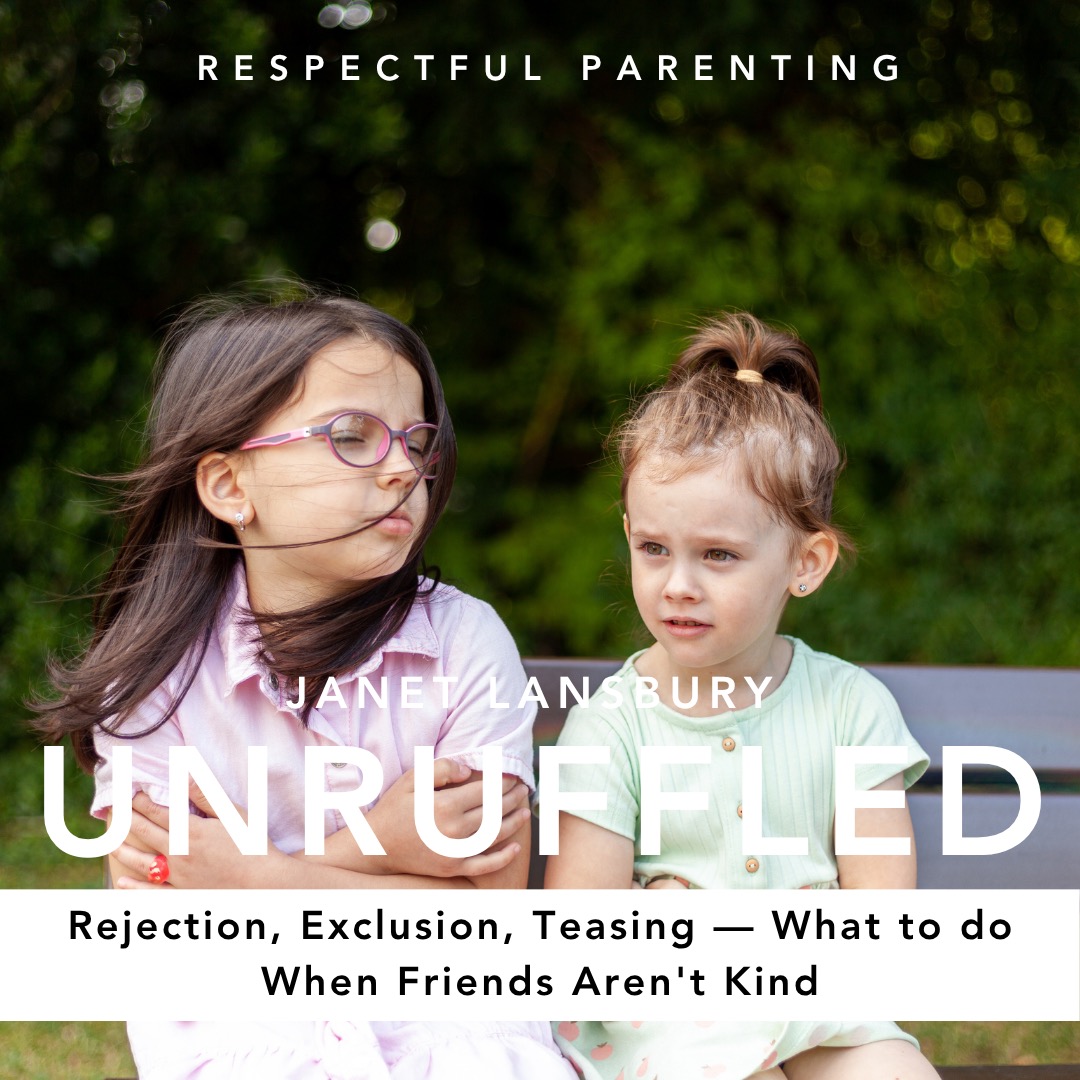
Lansbury acknowledges the parent’s self-awareness, recognizing that her fears are rooted in her own past. She reassures the parent that kindness and empathy are strengths, not weaknesses. The crucial distinction, Lansbury explains, is between being kind and allowing oneself to be mistreated. Children, she suggests, can learn this distinction with guidance.
The concept of "owning power" is presented as the antidote to the fear of being victimized. Lansbury argues that children who understand this principle are less likely to be affected by the manipulative tactics of others. This involves teaching children to discern who truly deserves their trust and attention, rather than giving their emotional energy to those who seek to control or diminish them.
Navigating Sibling-like Bickering and Parental Triggers
A distinct scenario involves a parent who finds herself triggering and intervening more frequently with her own five-year-old daughter during playdates, particularly when the daughter bickers with her best friend. The parent observes her daughter initiating these exchanges, sometimes with teasing remarks like "You’re shy" or "I’m better at X than you," which elicit a response from the friend, who then often seeks comfort from the parent.
This parent candidly admits that her own discomfort and potential over-involvement stem from being an only child and perhaps not being accustomed to navigating such sibling-like conflicts. She also notes that her daughter behaves differently in other social settings, suggesting that the dynamic with her close friend and perhaps the parent’s presence contributes to the bickering.
Lansbury’s perspective here is that while the bickering might seem "mean," it can also be a normal part of a close, sibling-like relationship where children test boundaries and seek attention. The parent’s reaction, however, can inadvertently amplify the significance of these exchanges. Lansbury advises the parent to focus on supporting both children when conflicts arise, rather than immediately disciplining her own daughter. This involves listening to the child who is upset, reflecting their feelings, and encouraging them to articulate their experience.
The key is for the parent to detach from her own triggers and trust the children’s ability to work through their disagreements, with parental support available as a safe harbor rather than a disciplinary force. By stepping back and reducing the power attributed to the bickering, the parent can allow the children to learn from these interactions organically.
Broader Implications and Expert Consensus
The insights shared by Janet Lansbury align with broader trends in child development and parenting advice, which increasingly emphasize emotional resilience, self-awareness, and the importance of parental modeling. The notion that children can be taught to manage their relationships by understanding their own agency, rather than by having adults directly solve their social problems, is a cornerstone of this approach.
Supporting Data and Expert Analysis:
- Social-Emotional Learning (SEL) Frameworks: Modern educational frameworks, such as those promoting Social-Emotional Learning (SEL), prioritize teaching children skills like self-awareness, self-management, social awareness, relationship skills, and responsible decision-making. Lansbury’s advice directly supports the development of these competencies.
- Attachment Theory: The emphasis on a secure parent-child attachment, where the parent is a reliable source of comfort and support, is crucial. When parents are present but not overly intrusive, children feel more secure in their ability to explore and navigate social challenges. This aligns with Lansbury’s recommendation to be "one step behind" the child.
- Adverse Childhood Experiences (ACEs): While not directly discussed in this context, understanding the long-term impact of negative childhood experiences, including bullying and social exclusion, underscores the importance of early intervention strategies that build resilience. However, the focus remains on empowering the child, not shielding them entirely, which can be counterproductive.
- Parental Self-Regulation: The recurring theme of parental anxiety and personal history influencing their response to their child’s social challenges highlights the importance of parental self-regulation. Parents who can manage their own emotions and fears are better equipped to provide calm, consistent support to their children.
Timeline and Context:
The discussions presented by Lansbury are framed within a contemporary context where children are increasingly exposed to complex social environments, both in person and through digital media. The reference to social media and the "fear of missing out" (FOMO) suggests an awareness of how modern societal pressures can exacerbate feelings of exclusion and inadequacy among children. The age group predominantly featured—five-year-olds—indicates that these challenges begin at a very young age, making early parental guidance particularly vital.
Broader Impact and Implications:
The implications of Lansbury’s approach extend beyond immediate conflict resolution. By teaching children to recognize and manage the power they grant to others, parents are equipping them with a fundamental life skill. This empowers children to build healthier relationships, develop a stronger sense of self-worth, and navigate the inevitable social complexities of life with greater confidence. The emphasis on not giving power to unkindness discourages a cycle of negativity and promotes a more positive and resilient approach to social interactions.
Ultimately, the guidance provided suggests a shift in parental focus from solving children’s social problems for them to fostering their capacity to solve them independently, supported by a parent who believes in their inherent strength and resilience. This approach seeks to nurture not just social adeptness, but a deep-seated understanding of personal agency and emotional well-being that will serve children throughout their lives.
