

The modern consumer landscape is currently witnessing a significant shift toward homemade food production as families seek to balance nutritional integrity with tightening household budgets. Among the most prominent categories in this DIY movement is the snack bar industry, where rising costs and concerns over ultra-processed ingredients have led many to seek reliable, nutrient-dense recipes. The Peanut Butter Granola Bar has emerged as a quintessential example of this trend, providing a high-protein, fiber-rich alternative to mass-produced snacks that often rely on stabilizers and high-fructose corn syrup. By utilizing accessible pantry staples such as rolled oats, chia seeds, and natural peanut butter, these bars address a specific demand for "clean label" snacks that remain stable at room temperature, making them ideal for school environments and active lifestyles.
Nutritional Composition and Ingredient Analysis
The efficacy of these granola bars lies in their specific combination of complex carbohydrates, healthy fats, and plant-based proteins. Unlike many commercial bars that use refined sugars as a primary binder, this formulation utilizes mashed bananas and honey. This not only reduces the glycemic impact but also introduces essential micronutrients.
A single serving of these homemade bars contains approximately 182 calories, 5 grams of protein, and 3 grams of dietary fiber. The inclusion of chia seeds is a strategic nutritional choice, as these seeds are a significant source of alpha-linolenic acid (ALA), an essential omega-3 fatty acid. Furthermore, the use of rolled oats provides beta-glucan, a type of soluble fiber known to support heart health and maintain steady blood sugar levels.
The protein content, which has been a primary request from health-conscious parents, is derived from both the oats and the peanut butter. Peanut butter serves a dual purpose in this context: it provides a satiating fat profile and acts as a structural adhesive. For families managing allergies, the recipe is adaptable to other nut or seed butters, such as sunflower seed butter, which maintains the protein density while ensuring the snack is "school-safe" in nut-free zones.
Economic Impact and Consumer Savings
The economic incentive for transitioning from store-bought to homemade snack bars is substantial. Current market data indicates that premium, organic, or high-protein snack bars for children can cost between $1.00 and $2.50 per individual unit. In contrast, the cost of ingredients for a batch of 16 homemade Peanut Butter Granola Bars is estimated to be significantly lower, often averaging less than $0.40 per bar depending on the brands of bulk staples used.

This cost-benefit analysis is particularly relevant as food inflation continues to impact grocery budgets globally. By purchasing oats, peanut butter, and honey in bulk, consumers can produce several weeks’ worth of snacks for the price of a single box of commercial bars. This financial efficiency does not come at the cost of convenience, as the bars are designed for long-term storage, maintaining their quality for up to two weeks in the refrigerator or several months in the freezer.
Chronology of Preparation and Structural Integrity
The process of creating a shelf-stable granola bar without chemical binders requires a specific sequence of steps to ensure the final product does not crumble. The methodology is divided into three distinct phases: preparation, integration, and thermal processing.

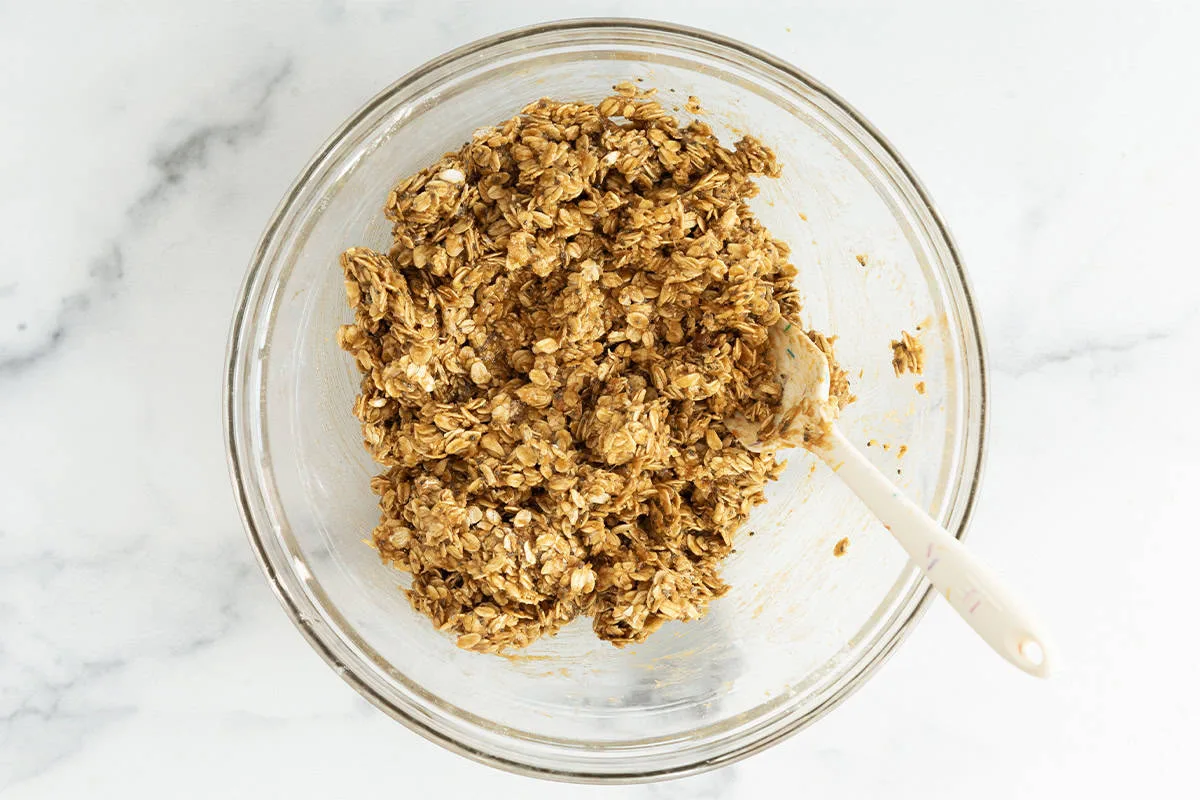
- Preparation of the Binding Base: The process begins with the mechanical mashing of ripe bananas. The ripeness of the fruit is critical, as higher sugar content in overripe bananas improves both the flavor profile and the stickiness of the binder. To this base, peanut butter, honey, and vanilla extract are added. This creates a viscous emulsion that serves as the foundation for the dry ingredients.
- Integration of Dry Solids: The dry components—including rolled oats, flour, brown sugar, salt, and chia seeds—are combined in a separate vessel before being folded into the wet mixture. This ensures an even distribution of the chia seeds and salt, preventing "clumping" which can compromise the structural integrity of the bar.
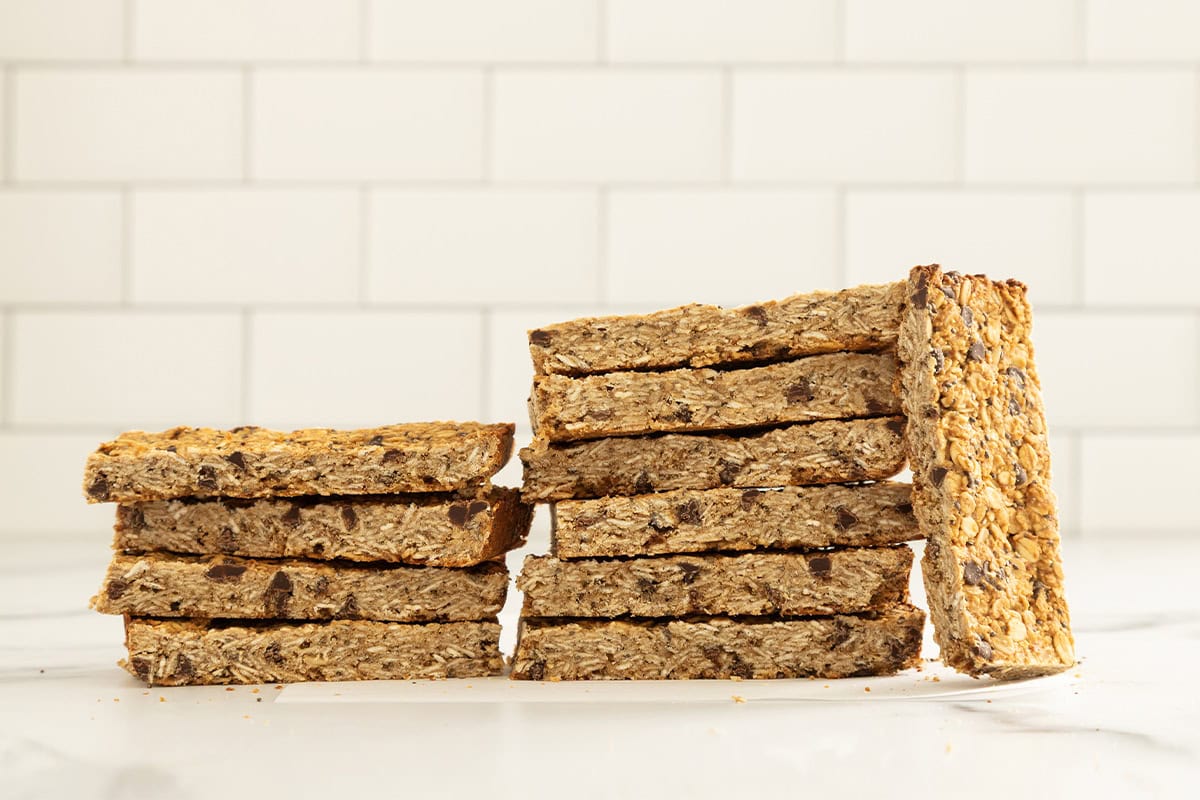
- Compression and Baking: Perhaps the most critical step in the chronology is the compression of the mixture into a prepared baking pan. Professional culinary standards suggest that the batter must be pressed down with significant force. This eliminates air pockets and allows the oats to interlock with the peanut butter and banana binders. The bars are then baked until the edges are golden brown, usually requiring a moderate oven temperature to prevent the honey from scorching.
- Cooling and Setting: Post-oven management is essential. The bars must cool completely within the pan. During this phase, the sugars and fats solidify, effectively "locking" the ingredients into a dense, portable form. Cutting the bars before they have reached room temperature is a common failure point that results in crumbling.
Market Trends and Consumer Feedback
The development of this recipe was driven largely by consumer feedback from the "Yummy Toddler Food" community, a demographic primarily composed of parents and caregivers seeking to optimize pediatric nutrition. Reviews from users indicate a high satisfaction rate, particularly regarding the bar’s versatility. One consumer, identified as Beth, noted that the bars have become a "permanent rotation" in her household, highlighting the successful addition of chocolate chips and dried cranberries as a way to customize the flavor for younger children.
This feedback reflects a broader market trend: the desire for "customizable nutrition." Commercial manufacturers are often limited by the need for a standardized product with a multi-year shelf life. Homemade versions allow for the exclusion of preservatives and the inclusion of specific functional foods based on a child’s unique dietary needs.

Logistics, Storage, and Safety
From a food safety and logistics perspective, the Peanut Butter Granola Bar is designed to withstand the rigors of a school day. A common complaint regarding homemade granola bars is their tendency to melt or lose shape when removed from refrigeration. However, the combination of baked flour and oats in this specific formulation provides a "matrix" that remains firm at room temperature.
For optimal preservation, food safety experts recommend storing the bars in airtight containers. While they are stable at room temperature for short periods (such as in a lunchbox), refrigeration extends their shelf life by preventing the natural oils in the peanut butter from becoming rancid. The ability to freeze these bars also supports the "batch cooking" lifestyle, allowing parents to prepare a month’s worth of snacks in a single afternoon, thereby reducing the daily labor involved in meal preparation.

Broader Implications for Public Health
The promotion of homemade snack alternatives has implications that extend beyond individual households. Public health experts have long warned about the correlation between high consumption of ultra-processed foods (UPFs) and various metabolic health issues in children. By replacing a commercial bar—which may contain upwards of 15 to 20 ingredients, including emulsifiers and artificial flavorings—with a 7-ingredient homemade version, families are actively reducing their intake of UPFs.
Furthermore, these bars address the "snack gap" in pediatric nutrition. Many snacks marketed to children are high in simple sugars but low in protein and fiber, leading to energy "crashes" and irritability. The 5 grams of protein and 3 grams of fiber in the Peanut Butter Granola Bar provide sustained energy release, supporting better focus in the classroom and more stable moods throughout the day.

As the trend toward home-based food processing continues to grow, the Peanut Butter Granola Bar stands as a benchmark for how simple, pantry-based ingredients can be transformed into high-value nutritional products. It represents a convergence of economic necessity, health consciousness, and culinary simplicity, offering a sustainable solution for the modern family’s snacking requirements. Future developments in this space are expected to focus on further "superfood" integrations, such as hemp hearts or flax meal, as consumers become increasingly sophisticated in their understanding of functional nutrition.
