

As the annual celebration of St. Patrick’s Day approaches, healthcare professionals and child nutritionists are highlighting the holiday as a strategic opportunity to address the persistent challenge of vegetable consumption among toddlers and school-aged children. By leveraging the traditional green color palette associated with the March 17th festivities, caregivers are increasingly adopting "thematic eating" frameworks to introduce nutrient-dense leafy greens and cruciferous vegetables into the diets of young children. This shift from traditional, heavy Irish fare—such as corned beef and cabbage—toward more accessible, kid-friendly "green" recipes marks a significant trend in contemporary pediatric dietetics.
The integration of festive themes into meal planning is supported by behavioral psychology research, which suggests that "food neophobia"—the fear of new foods—can be mitigated through positive visual associations and creative presentation. On St. Patrick’s Day, the cultural emphasis on the color green provides a natural segue for the introduction of ingredients like spinach, broccoli, and kiwi, which are often met with resistance in a non-festive context.

The Nutritional Landscape and Thematic Eating
According to data from the Centers for Disease Control and Prevention (CDC), a significant portion of the pediatric population in the United States does not meet the recommended daily intake of vegetables. Leafy greens, which are high in essential vitamins such as A, C, and K, as well as iron and fiber, are among the least consumed food groups in this demographic. Thematic culinary events, such as St. Patrick’s Day, serve as a tactical intervention point.

The methodology behind "green" recipes for children often involves the "blender technique," where vegetables are emulsified into familiar batters or sauces. This does not merely "hide" the nutrition but rather rebrands the aesthetic of the food to align with a celebratory atmosphere. For instance, the use of sweet spinach muffins and banana spinach pancakes utilizes the natural sugars of fruit to balance the earthy profile of greens, creating a palatable entry point for developing taste buds.
Chronology of a Thematic Nutritional Plan
A successful implementation of a St. Patrick’s Day nutritional strategy typically follows a chronological progression through the day’s meal cycles, ensuring consistent exposure to healthy options.

The Breakfast Phase: High-Fiber Foundations
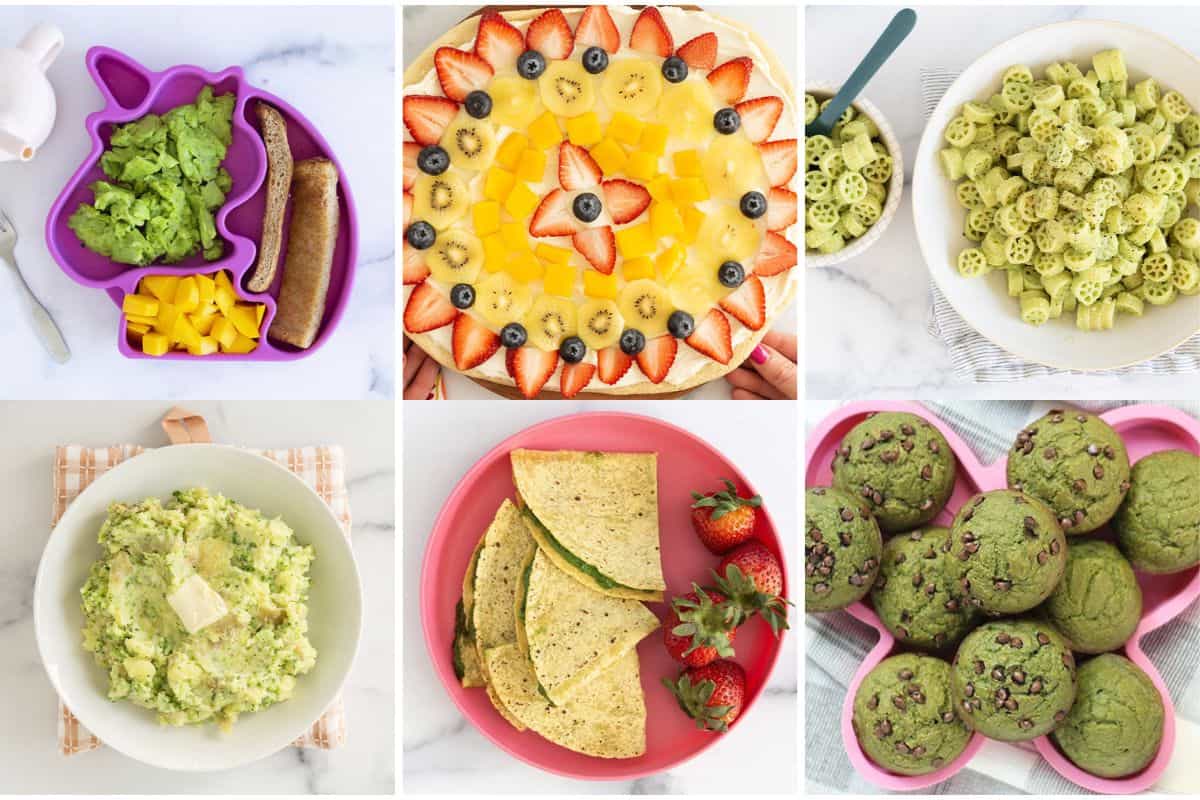
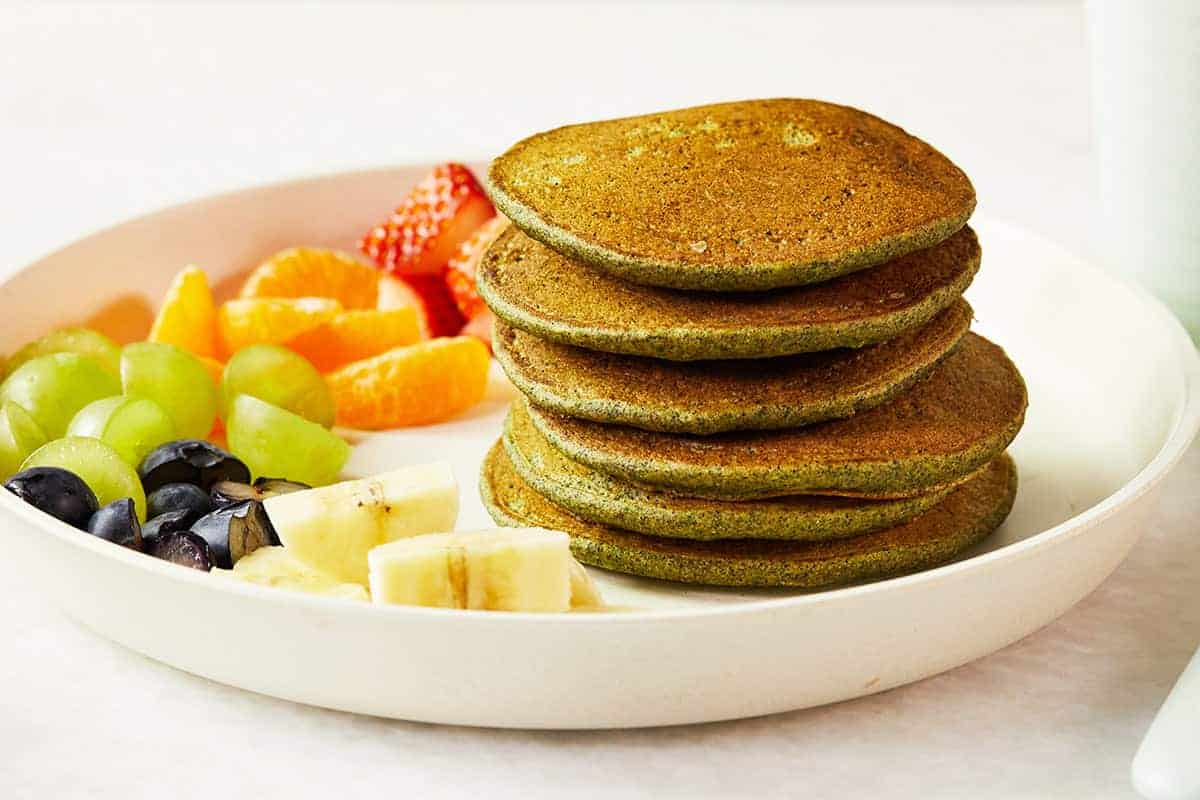
The day begins with the introduction of complex carbohydrates and fiber. Spinach-infused pancakes and muffins are primary examples of this phase. By utilizing high-speed blenders, caregivers can integrate raw spinach into pancake batter or muffin mix, resulting in a vibrant green hue without the texture of whole leaves, which is often a sensory barrier for toddlers. Nutritionists point out that the inclusion of bananas provides potassium and natural sweetness, reducing the need for refined syrups.
The Mid-Day Transition: Protein and Iron Integration
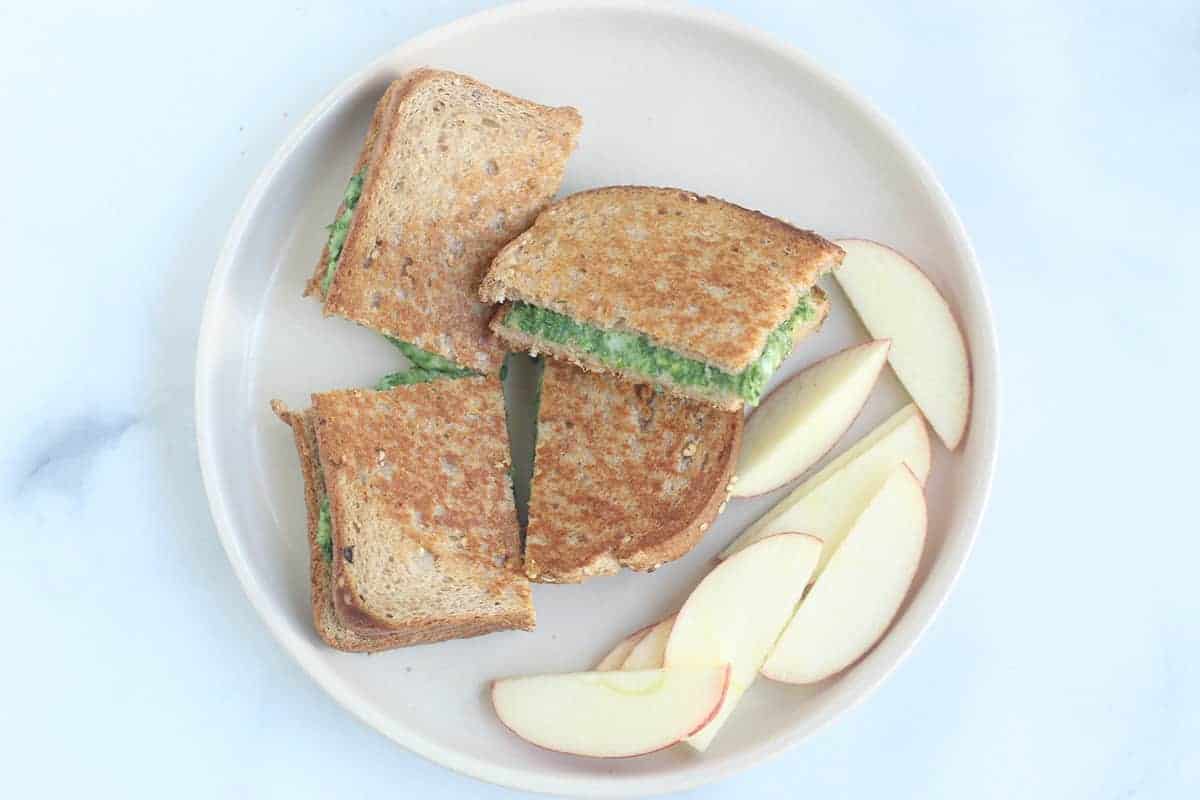
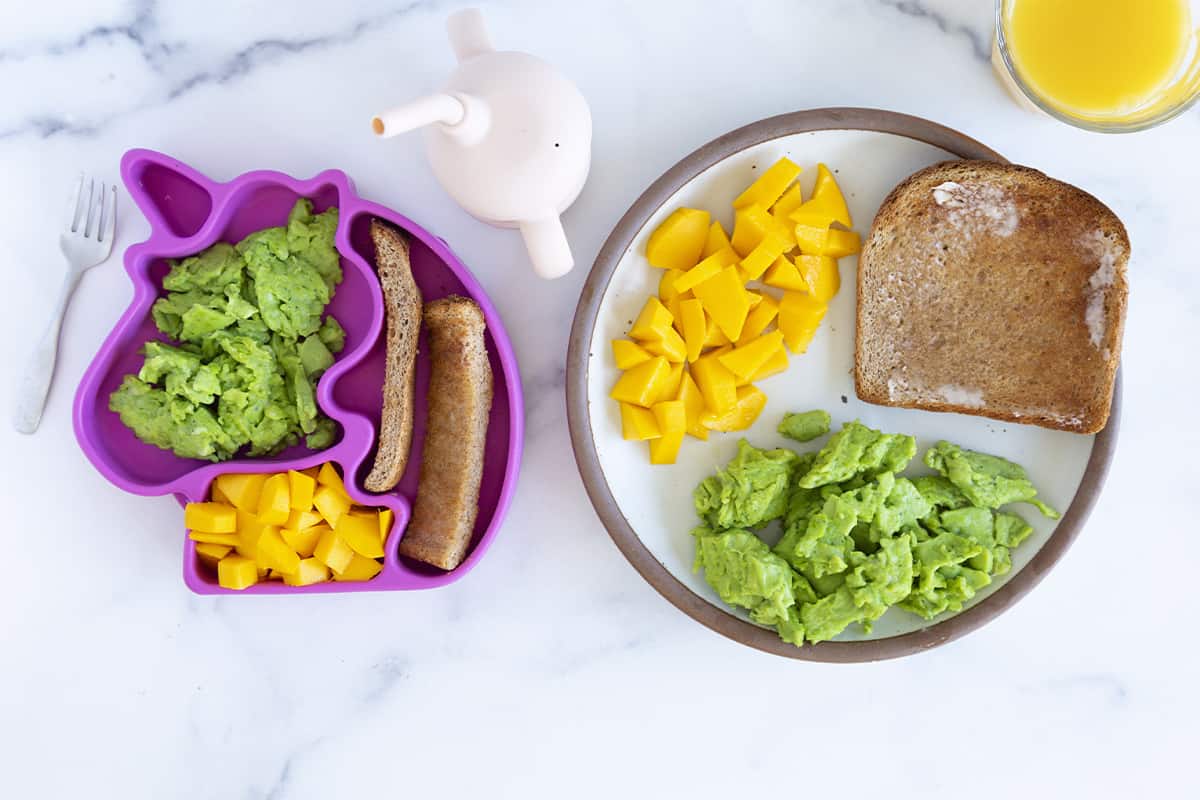
Lunchtime recipes focus on "Green Eggs" and "Spinach Quesadillas." This phase of the chronology prioritizes protein and iron. The "Green Eggs" concept, popularized by 20th-century children’s literature, is actualized by whisking finely chopped or pureed spinach into egg mixtures. Similarly, spinach grilled cheese and quesadillas utilize the melting properties of cheese to encapsulate greens, making the vegetable an integral part of a familiar comfort food.

The Evening Meal: Advanced Vegetable Incorporation
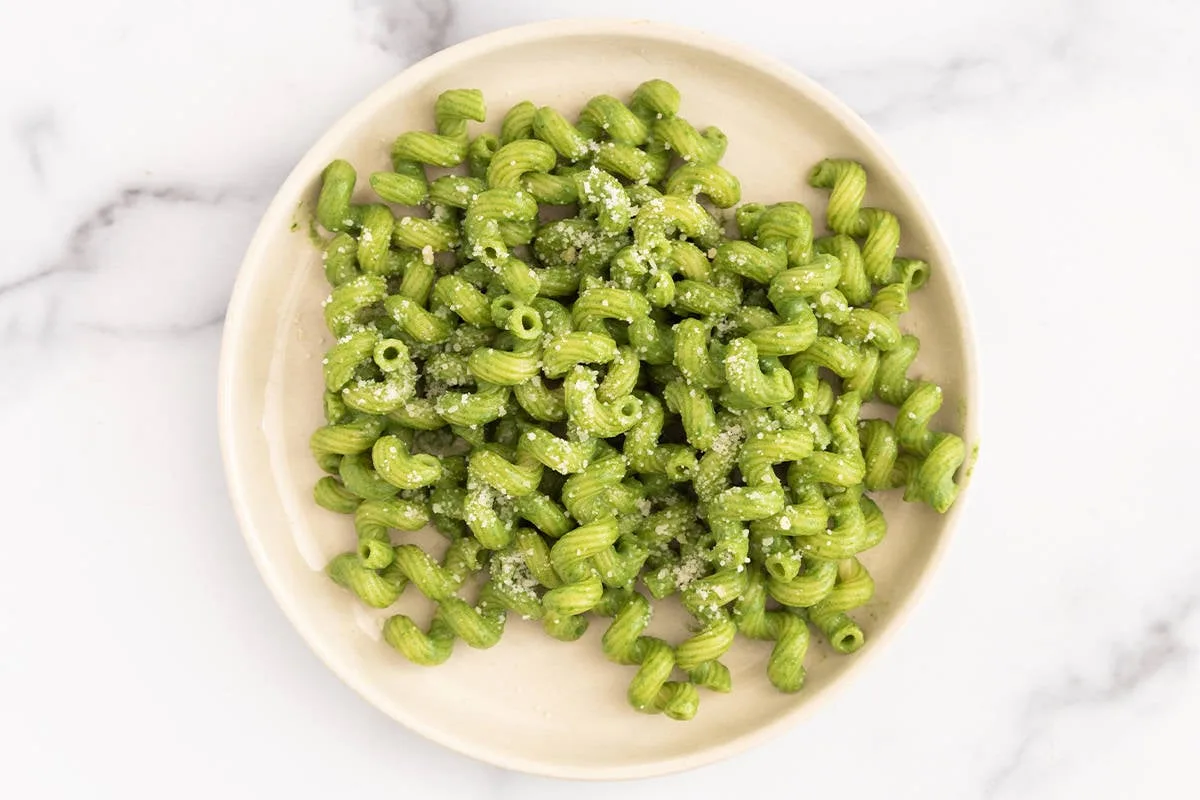
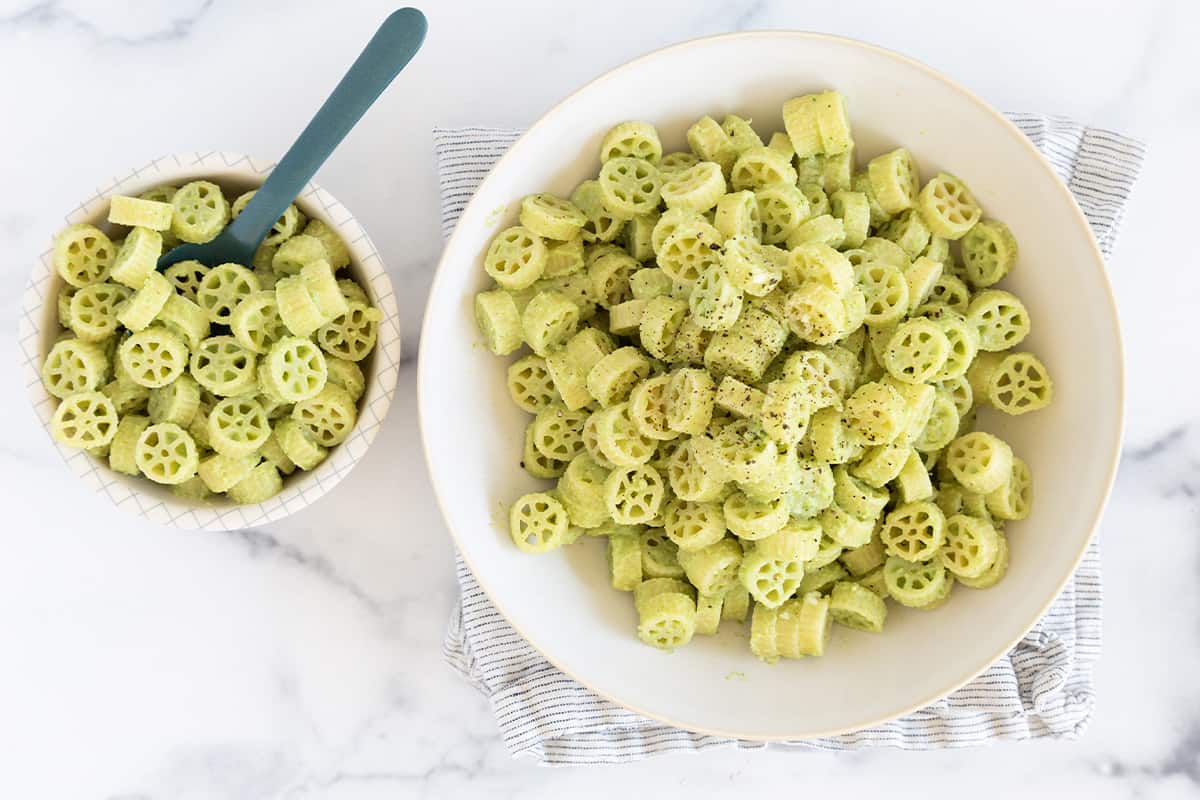
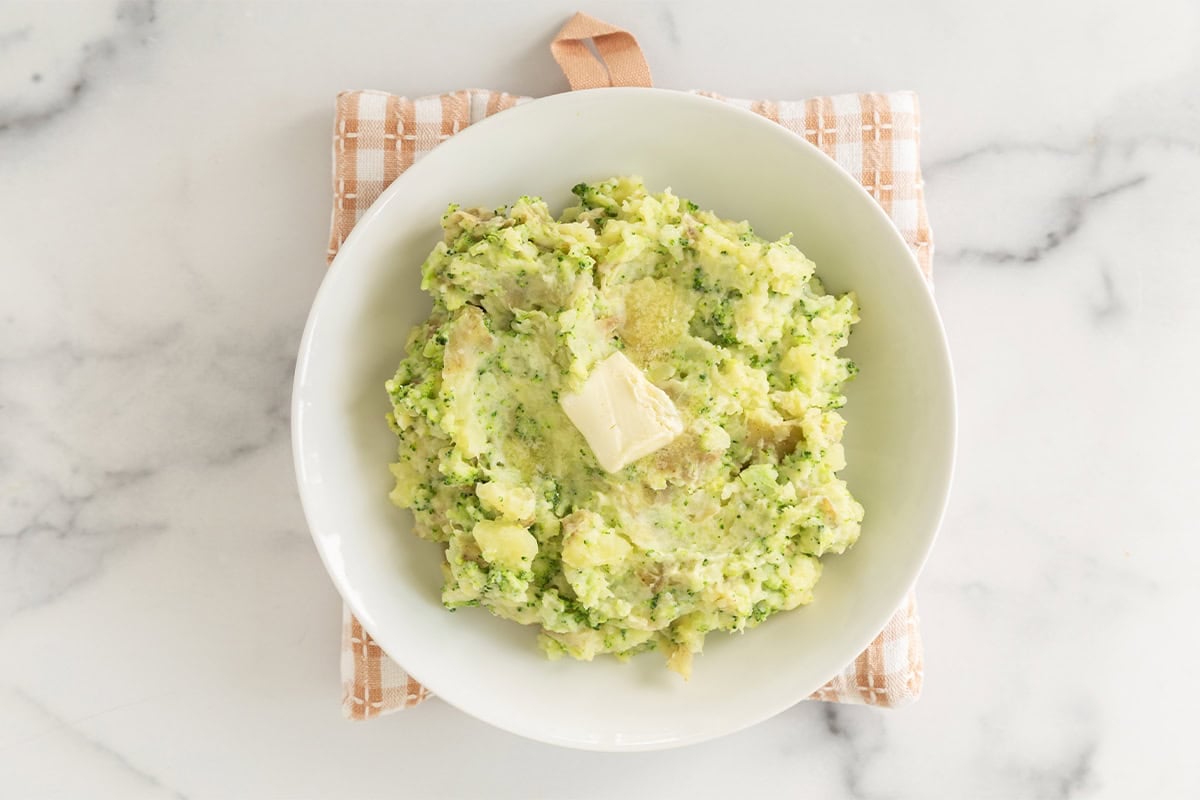
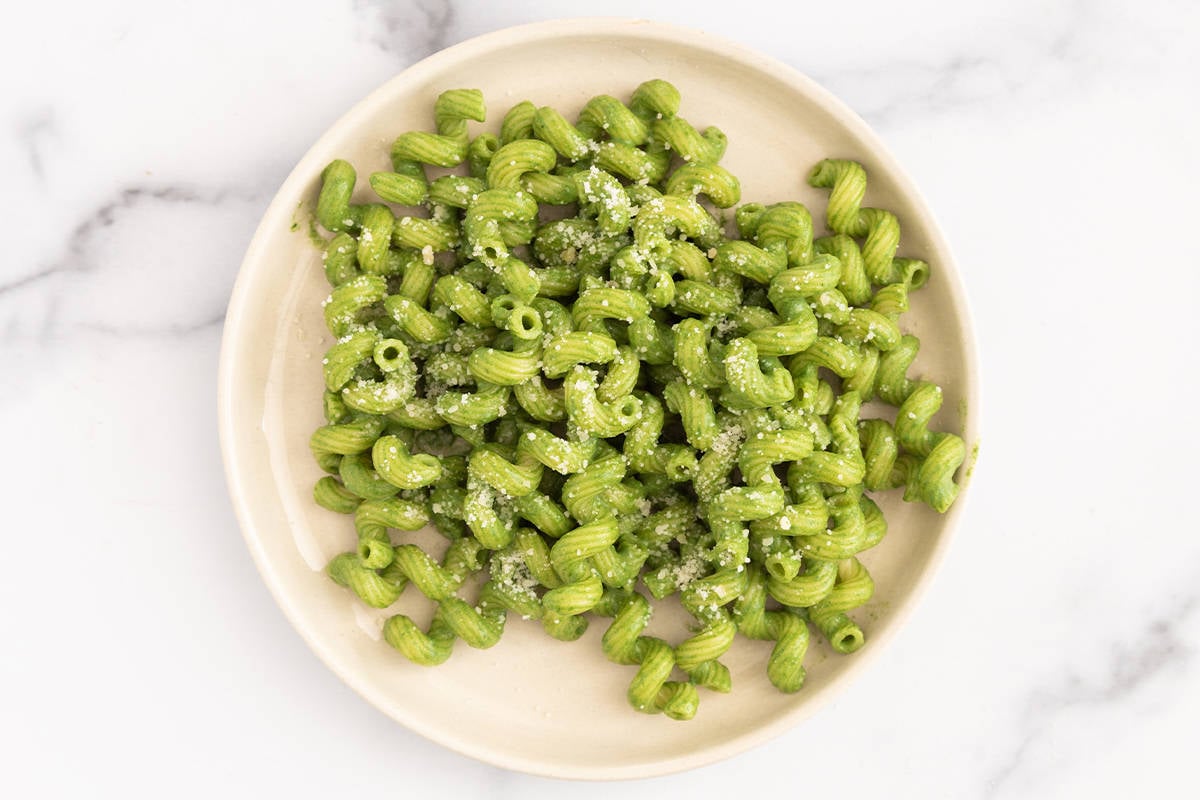
The dinner cycle often introduces more complex textures. "Green Pasta Sauce"—frequently a blend of spinach, peas, or broccoli with a base of cheese or cream—allows for a high volume of vegetable consumption per serving. Another innovative approach is the "Broccoli Mash," where steamed broccoli is incorporated into traditional mashed potatoes. This method effectively reduces the glycemic load of the side dish while increasing the intake of Vitamin C and sulforaphane, a compound found in broccoli linked to various health benefits.
Expert Analysis and Reaction
Dr. Elena Vance, a specialist in pediatric dietetics, notes that the success of these recipes lies in their ability to normalize the color green on a child’s plate. "When we associate a color with a celebration rather than a chore, we see a marked increase in willingness to try new foods," Vance stated in a recent seminar on childhood obesity prevention. "The St. Patrick’s Day framework is particularly effective because it allows for a ‘rainbow’ of fruits and ‘green’ versions of favorite staples like pasta and pancakes."

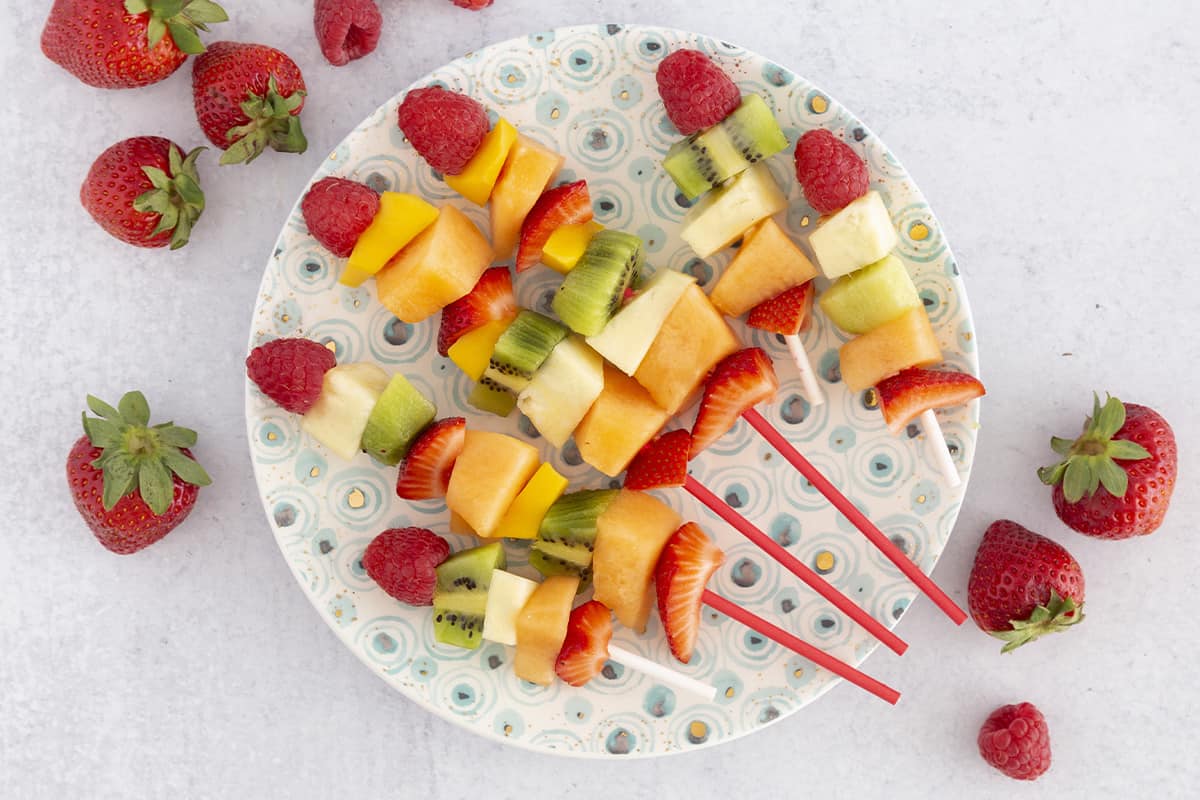
Furthermore, culinary educators emphasize that involving children in the preparation of these festive foods—such as assembling "Rainbow Fruit Wands" or decorating "Fruit Pizzas"—further reduces resistance. The "Fruit Wand" strategy, which uses skewers of grapes, melon, and berries to represent a rainbow, encourages the consumption of antioxidants and various phytonutrients through a tactile and engaging medium.
Supporting Data: The Impact of Visual Appeal
Market research into children’s food preferences consistently shows that visual appeal is a primary driver of consumption. A study conducted by the Cornell Food and Brand Lab found that children are more likely to eat vegetables if they are given "attractive" or "catchy" names and presented in a colorful manner. St. Patrick’s Day recipes tap into this finding by utilizing naturally vibrant ingredients.
The use of spinach as a primary coloring agent is particularly lauded by health professionals. Unlike artificial food dyes, which have been the subject of scrutiny regarding their impact on child behavior, spinach provides a safe, natural, and nutrient-dense alternative for achieving a festive aesthetic.

Broader Implications for Long-Term Dietary Habits
The implications of using holidays like St. Patrick’s Day for nutritional education extend beyond a single day of celebration. By creating positive associations with green foods, parents and educators are laying the groundwork for long-term healthy eating habits.

1. Sensory Desensitization: Constant exposure to the flavor of greens, even when blended into muffins or pancakes, helps desensitize a child’s palate to the bitterness often associated with phytonutrients. Over time, this can lead to an increased acceptance of whole vegetables.
2. Cognitive Association: Linking "fun" with "healthy" challenges the cultural narrative that nutritious food is inherently less enjoyable than processed snacks. This cognitive shift is crucial in the fight against dietary-related diseases.
3. Culinary Literacy: When families prepare these easy recipes together, they improve the child’s culinary literacy. Understanding how a green leaf can become a green pancake empowers children to make healthier choices as they grow older.
Conclusion: A Sustainable Model for Festive Nutrition
The rise of easy, nutritious St. Patrick’s Day recipes represents a broader movement toward mindful parenting and proactive health management. By moving away from purely sugar-laden holiday treats and toward fiber-rich, vegetable-forward options, the modern approach to the holiday prioritizes the well-being of the next generation.

As families across the country prepare to celebrate, the focus remains on the "Best of Both Worlds" philosophy: meals that are festive and "yummy" enough for children, yet "nutritious" and "easy" enough for busy caregivers. The success of green smoothies, spinach-packed muffins, and rainbow fruit skewers suggests that the future of holiday traditions may be found in the kitchen, where health and celebration are no longer mutually exclusive.
In summary, the strategic use of St. Patrick’s Day as a catalyst for vegetable consumption is a practical application of nutritional science. It demonstrates that with minimal equipment—such as a blender—and a creative approach to familiar ingredients, the challenge of pediatric nutrition can be met with enthusiasm and success. As the data suggests, when the plate turns green, the outlook for childhood health turns bright.
