

At the tender age of 20, Zarina Ayyub embarked on a challenging journey into motherhood, giving birth to her first child on November 3rd, just days after her own birthday. Her experience, fraught with systemic barriers and cultural expectations, would ultimately ignite a lifelong passion for advocating for maternal support, particularly within the South Asian community in the United Kingdom. Her story is a poignant reflection of the evolving landscape of breastfeeding support and the persistent need for culturally sensitive care.
Early Motherhood: A System Steeped in Misinformation
Zarina’s initial foray into motherhood in the early 1990s was marked by a profound lack of information and support. Her baby, born prematurely at 4 lbs 13 oz due to placental insufficiency, was immediately separated from her, placed in a special nursery, and fed formula via a tube. Zarina, left alone in her room, was denied the crucial early bonding and breastfeeding opportunities. "No one in the hospital explained anything to me or gave me any choices," she recalls, highlighting a common institutional failing of the era where formula feeding was often implicitly, if not explicitly, encouraged. Hospital practices at the time, which frequently included providing formula and medication to suppress lactation, contributed to a generation of mothers feeling disempowered and uninformed about breastfeeding.
This personal struggle was compounded by a powerful intergenerational narrative. Zarina’s mother, a first-generation Pakistani immigrant who arrived in England in the late 1960s, had faced similar, if not more intense, pressures. In the hospital, she was given formula and pills to dry up her milk – an experience that left her traumatized and convinced that breastfeeding was inherently painful and unfulfilling. Traditional beliefs prevalent in parts of India, where colostrum was sometimes mistakenly deemed "dirty," further influenced her mother’s counsel. Instead, new mothers were often advised to give newborns a concoction of cooled boiled water with fennel and other seeds to "clear meconium." This cultural advice, combined with a lack of privacy in a multi-generational household of five adults, mostly male in-laws, made breastfeeding an impossible feat for Zarina’s mother, who was forced to "keep the peace" and adhere to household rules. Consequently, Zarina grew up hearing her mother’s warnings against breastfeeding, shaping a pervasive fear of pain and struggle.
When Zarina’s daughter was finally brought to her on day three, she was severely engorged. Despite her mother’s urging to ask for milk-drying pills, Zarina resisted. The physical challenge was immense: her tiny baby struggled to latch onto her "big and hard" breasts. A midwife’s forceful intervention, which Zarina describes as "really horrible," left her in tears, reinforcing her mother’s fears and her own sense of helplessness. This painful initiation underscores the critical need for gentle, informed, and individualized lactation support, which was conspicuously absent in her early experience.
Navigating Cultural Expectations and Isolation
The journey home around day five or six brought little respite. Zarina’s nipples were cracked and bleeding, and her first night at home was marked by collective tears. The nascent nuclear family, living briefly with her husband’s Pakistani family in London – his aunt, uncle, and grandparents – faced continued societal and familial pressures. After two weeks at her mother’s, Zarina and her husband moved to their own flat, but this newfound independence did not translate into public breastfeeding confidence. Embarrassment about breastfeeding outside the home led to isolation, keeping her largely confined indoors.
The presence of frequent houseguests, often new arrivals to the UK seeking temporary accommodation with her husband’s family, added to Zarina’s domestic workload. The expectation to be "up and about doing housework" rather than "sitting down feeding her baby" was a constant source of tension. In her community, a spotless house and contribution to family chores often superseded the perceived "laziness" of responsive feeding. This clash between modern maternal instincts and traditional gender roles highlights a significant barrier for many South Asian women navigating motherhood in Western societies.
Zarina’s understanding of infant feeding was further complicated by her mother’s practice of scheduled formula feeding. She initially attempted to feed her baby every three hours, unaware of the benefits of responsive, on-demand feeding. Her plan was to breastfeed for six months before returning to work and transitioning her baby to formula. However, her deep-seated maternal instinct to provide closeness and comfort, picking up her baby whenever she cried, often put her at odds with her husband and in-laws, who worried about her "skinny" babies and advocated for "bottle milk." The constant comparison of her children to larger, formula-fed relatives in the family further fueled these anxieties, despite Zarina’s own petite stature and the natural variation in infant growth.
A Quest for Knowledge and Empowerment
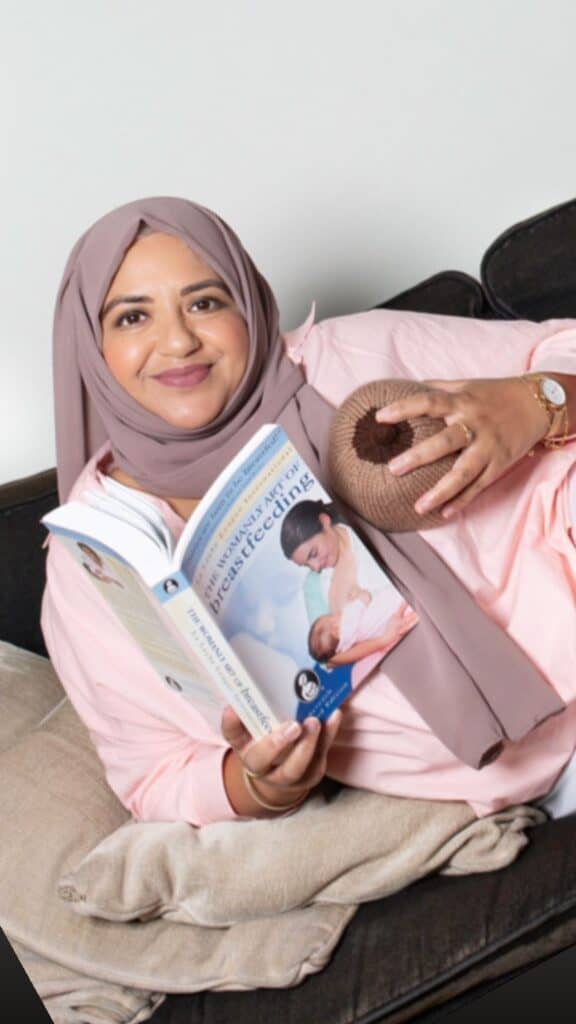
A pivotal turning point arrived with her third child. By this time, Zarina’s household had expanded to include her mother-in-law and two brothers-in-law, intensifying the pressure. Despite this challenging environment, a profound internal resolve propelled her forward. "There was something inside me that just knew what to do," she recounts. This innate wisdom found its intellectual match in "The Womanly Art of Breastfeeding," a seminal text by La Leche League (LLL). She borrowed the book from the library and immersed herself in its contents for nine months, voraciously absorbing knowledge that directly contradicted the misinformation she had received. Learning that "colostrum is not dirty" and that "if you lose your milk, you can relactate" shattered long-held misconceptions and empowered her. Armed with this knowledge, she felt invincible: "no one was going to mess with me!" She went on to breastfeed her third child for two years, enduring numerous critical comments but unwavering in her conviction.
The physical challenges of breastfeeding, however, persisted. Weeks after her third baby’s birth, Zarina developed mastitis. This led her to seek support from an LLL Leader and attend a group meeting in Wimbledon. Her experience there highlighted another layer of cultural barrier: she was the only woman wearing a shalwar kameez, the traditional attire of South Asian women, worn largely to appease her in-laws. The awkwardness of feeding in a longer top and the feeling of being an outsider made her reluctant to return to such groups for years. This underscores the need for visible representation and culturally sensitive environments in breastfeeding support services.
Becoming a Beacon: From Peer Supporter to Doula
Despite these early hurdles, the seed of advocacy had been planted early. Just four weeks after becoming a mother herself, Zarina had instinctively helped her sister-in-law with engorged breasts, recognizing a shared struggle within a non-breastfeeding household. She also successfully supported her younger sister in breastfeeding all her children. This gradual normalization within her immediate family eventually swayed her mother, who, witnessing her grandchildren thrive, grew to love and support Zarina’s breastfeeding choices for her last two children.
It was after the birth of her fifth child, following a difficult breastfeeding start due to a 35-week premature birth and severe reflux, that Zarina’s long-held wish to become a breastfeeding peer supporter finally materialized. After receiving inadequate advice from a breastfeeding counsellor, she found solace and purpose at a local breastfeeding café. There, an advertisement for La Leche League’s 12-week peer supporter training course, run by the NHS, caught her eye. "Thank God I came today!" she thought, feeling a powerful determination to provide proper support to other mothers. Her graduation from the course, complete with a pink knitted breast, symbolized a profound personal triumph and the beginning of a new chapter.
For two to three years, Zarina served as the sole Muslim peer supporter in her area. She observed a stark disparity: "We very rarely saw any Asian women at the group we ran." This confirmed her belief that cultural identification plays a significant role in accessing support, even without a language barrier. Her unique position allowed her to connect deeply with mothers from diverse backgrounds, many of whom were so appreciative they "wanted to take [her] home with them!"
Today, Zarina works as a Doula, extending her support to mothers throughout birth and the postnatal period. Her children are grown, ranging from 18 to 34, allowing her greater freedom to pursue her calling. She continues to contribute to vital projects addressing maternal health disparities, such as The Raham Project in Peterborough, which collaborates with the charity BLISS on neonatal intensive care units and premature babies, where she shared her own traumatic birth stories. The pain of her first baby’s birth remains palpable, underscoring the deep emotional scars that inadequate care can leave.
A Legacy of Change: Transforming Family and Community Perspectives
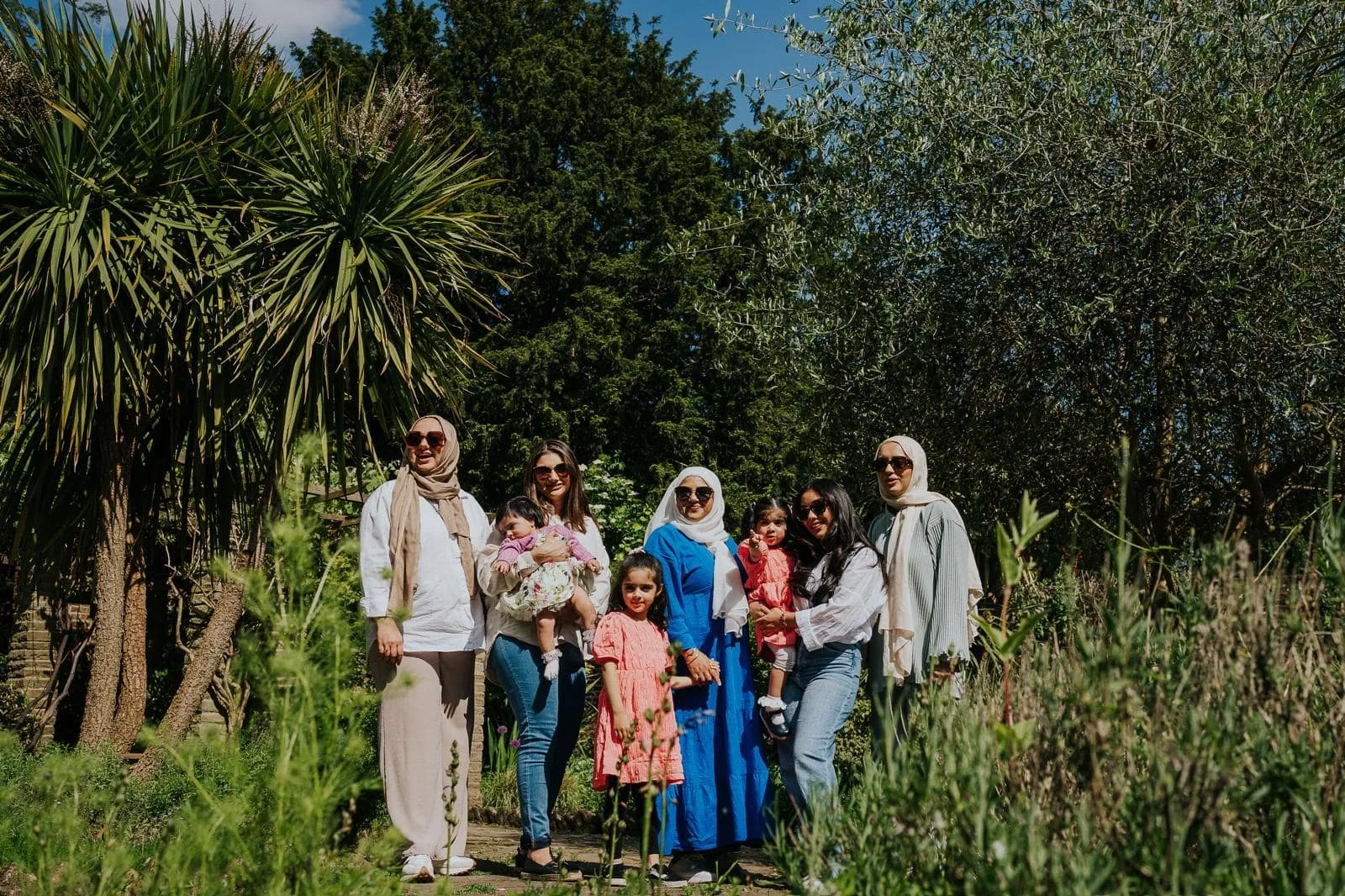
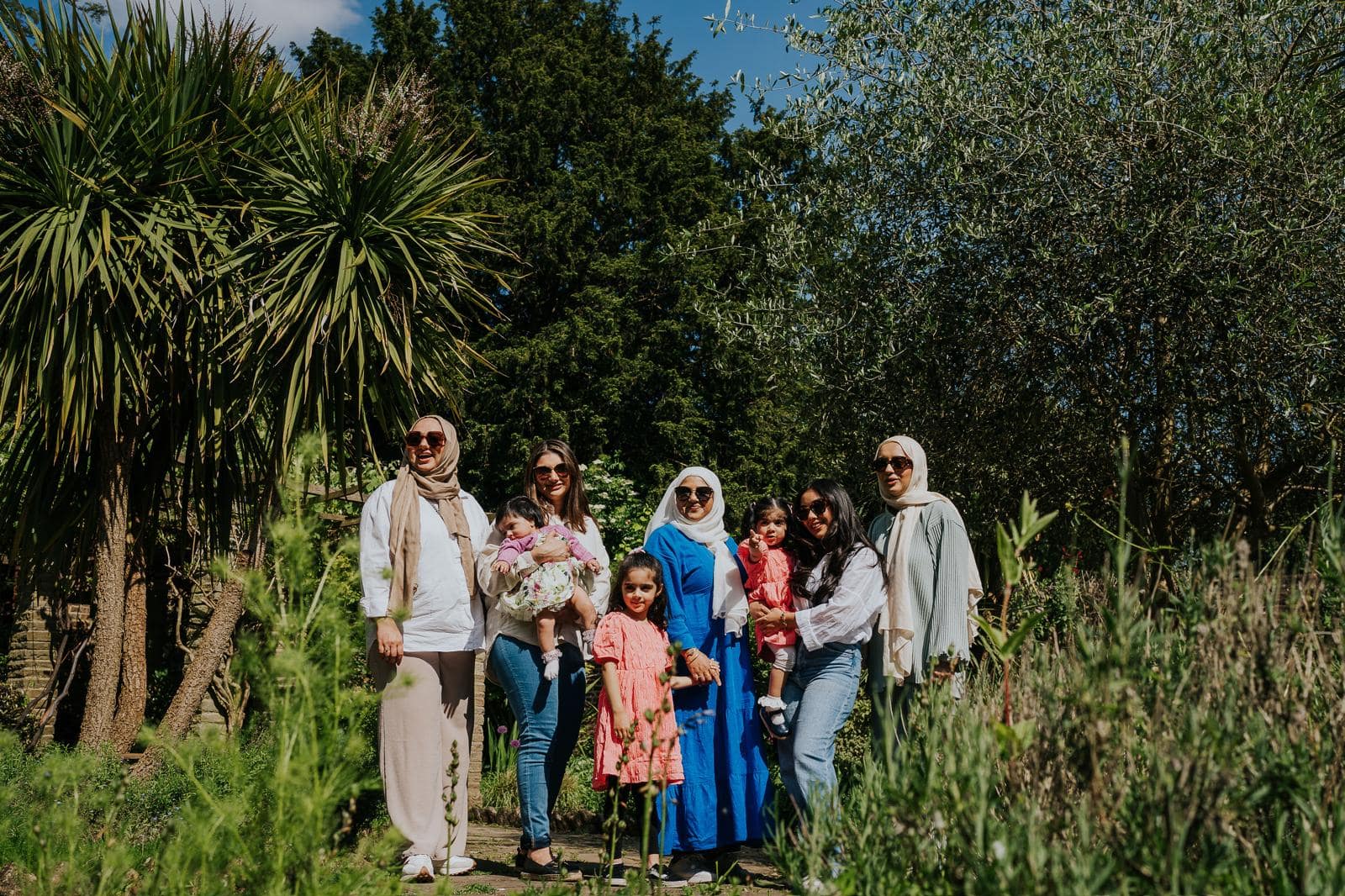
Zarina’s enduring legacy is most vividly seen in her own family. Her daughters, who live nearby, are now mothers themselves, embracing breastfeeding with a confidence and knowledge that was denied to Zarina. One daughter has three children under four, having breastfed her first for two years, tandem-fed her first two, and continues to breastfeed her youngest at eight months. Her husband, initially uncomfortable with breastfeeding due to family norms, has become incredibly supportive, a testament to Zarina’s persistent influence. Zarina also successfully supported her sister-in-law in her breastfeeding journey, further expanding her ripple effect.
The Ayyub household has become an anomaly within the Pakistani community. "Our husband has learned to talk openly about breastfeeding, periods, and so on – this has been normalised in our family," Zarina proudly states. Her tireless advocacy has influenced her children’s spouses and friends, fostering an open dialogue around maternal health. This normalization has even extended to a willingness among her daughters to explore home births, a radical concept within their community.
The Path Forward: Culturally Competent Breastfeeding Advocacy
Despite the progress, significant challenges persist. Breastfeeding rates among South Asian women in the UK remain lower than the national average, and they continue to access support services less frequently. A 2010 study published in the journal Public Health found that while initiation rates among South Asian women were comparable to the general population, continuation rates at 6-8 weeks were significantly lower. Barriers include strong cultural emphasis on modesty, lack of visible breastfeeding role models, intergenerational family pressure, and a perceived lack of privacy.
Zarina emphasizes that the reluctance to expose oneself in a room full of people, even other women, is often a cultural rather than religious barrier. "It’s not religious shame and fear, it’s the culture that has been confused with religion," she clarifies. In fact, Islamic teachings generally support a child’s right to be breastfed for an extended period, often up to two years. The key, Zarina believes, lies in building relationships of trust and providing culturally competent support that addresses these deeply ingrained fears and misunderstandings.
By creating safe, inclusive spaces and challenging long-held misconceptions, breastfeeding supporters can help normalize what is a natural and beneficial process for both mother and child. "It is not something to be embarrassed about," Zarina asserts, advocating for a collective effort to reintegrate breastfeeding as a natural and normal way of life. Her journey from a young, unsupported mother to a seasoned doula and advocate serves as a powerful testament to resilience, the transformative power of knowledge, and the enduring impact of dedicated individuals striving for equitable maternal care.
Breastfeeding Matters LLLGB Podcast: Expanding the Dialogue
Zarina Ayyub’s insights and experiences continue to resonate. In January 2025, she was featured on the Breastfeeding Matters LLLGB Podcast, engaging in a crucial conversation with volunteer breastfeeding counsellors Maria Yasnova and Sarah Fletcher. The discussion delved into the imperative of establishing a safe and supportive environment for new mothers from the very outset, drawing parallels with the ancient tradition of the "first 40 days" or "fourth trimester" observed in many cultures globally. This platform further amplifies her message, highlighting the universal need for nurturing post-partum care and the integration of traditional wisdom with modern support strategies to empower mothers in their breastfeeding journeys.
