

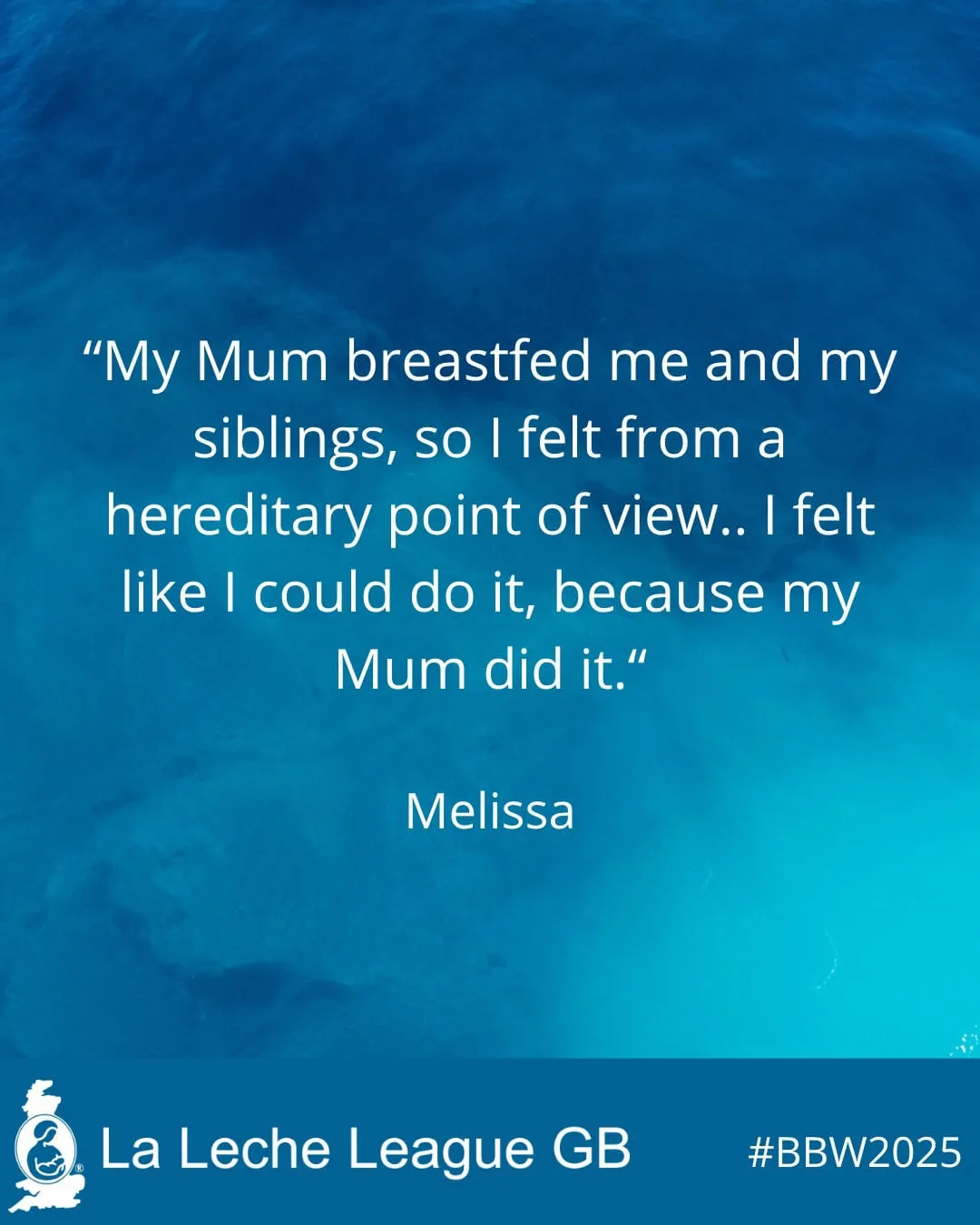
Black Breastfeeding Week, observed annually during the last week of August, serves as a crucial platform to elevate the historically underrepresented voices and lived experiences of Black women in the breastfeeding community. This initiative aims to address significant disparities and systemic barriers that have long impacted breastfeeding rates and support within Black communities. La Leche League, a global leader in mother-to-mother breastfeeding support, actively champions this cause by highlighting individual stories, recognizing their profound power to connect, educate, and inspire. The organization believes that shared narratives, such as the recent contribution from Melissa in London, are indispensable in fostering a global community of mutual learning and support, particularly for those seeking likeminded peers.
The Genesis and Purpose of Black Breastfeeding Week
Black Breastfeeding Week (BBW) was founded in 2012 by a trio of influential advocates: Kimberly Seals Allers, Kiddada Green, and Anayah Sangodele-Ayoka. Their motivation stemmed from a critical need to acknowledge and address the unique challenges and historical context surrounding breastfeeding for Black women in the United States and globally. Despite the well-documented health benefits of breastfeeding for both mother and child, Black women consistently exhibit lower breastfeeding initiation and duration rates compared to their white counterparts. This disparity is not merely a statistical anomaly but a complex issue rooted in centuries of systemic oppression, socio-economic factors, historical trauma, and inadequate institutional support.
The founders identified six key reasons for establishing BBW: to uplift the voices of Black women, to create a dedicated space for their experiences, to highlight the cultural significance of breastfeeding within the Black community, to address the high infant mortality rate among Black infants, to showcase the lack of diversity in the lactation field, and to counter the aggressive marketing of formula to Black families. By dedicating a specific week to these issues, BBW seeks to foster cultural competency in healthcare, empower Black mothers, and build supportive networks that resonate with their specific needs and heritage.
Historical Context and Systemic Barriers
Understanding the contemporary challenges faced by Black breastfeeding mothers requires a look into historical context. The legacy of slavery in the United States, for instance, saw Black enslaved women often forced to wet-nurse the children of their enslavers, a practice that detached them from their own infants and stripped them of bodily autonomy. This historical trauma has cast a long shadow, contributing to a complicated relationship with breastfeeding in some parts of the Black community.
In modern times, systemic racism continues to manifest in various forms. Black women are disproportionately affected by medical bias, often receiving less comprehensive or culturally sensitive care from healthcare providers. A significant lack of diversity within the lactation consultant profession means that many Black mothers struggle to find support providers who share their cultural background or fully understand their unique circumstances. Furthermore, targeted marketing of infant formula to Black communities has historically undermined breastfeeding efforts, creating a cycle of dependency on formula that can be challenging to break. Socioeconomic factors, such as limited access to paid parental leave, inflexible work environments, and inadequate community resources, further exacerbate these disparities, making sustained breastfeeding a significant challenge for many Black families.
Melissa’s Journey: A Beacon of Shared Experience
La Leche League’s commitment to the power of personal narrative is exemplified by the sharing of Melissa’s breastfeeding journey. While the specific details of her audio notes, recorded while she walked her five-month-old to sleep, remain her personal account, the framework of the questions she addressed offers profound insight into common experiences. Melissa’s willingness to share her story underscores the universal need for community and understanding, particularly for mothers navigating the often-isolating early stages of parenthood.
Her reflections likely touched upon several critical themes:
- Motivation for Breastfeeding: For many mothers, breastfeeding is driven by a desire to provide the best possible start for their child, informed by health benefits and a deep maternal bond. For Black mothers, it can also be an act of reclamation and cultural affirmation.
- Pre-Parenthood Perceptions: Prior exposure to breastfeeding, whether through family members or media, significantly shapes expectations. A lack of visible Black breastfeeding role models can lead to a perception that it is not common or culturally supported.
- Family and Friends’ Attitudes: The support system surrounding a new mother plays a pivotal role. Positive encouragement can bolster confidence, while indifference or negative attitudes can introduce doubt and pressure, especially if societal norms within their immediate circle lean away from breastfeeding.
- Barriers Faced: Common barriers for Black mothers include insufficient hospital support post-delivery, racial bias from healthcare providers, inadequate culturally competent lactation support, economic pressures requiring a swift return to work, and a lack of community resources that understand their specific needs. Latch difficulties, pain, and feelings of isolation are universal challenges, but they can be amplified by systemic issues.
- Sources of Support: The search for effective support often leads mothers to organizations like La Leche League, peer support groups, certified lactation consultants, and trusted family members or friends who have successfully breastfed.
- Building a Supportive Community: Melissa’s implicit need for a "likeminded community" resonates deeply with many mothers. Finding a "village" of peers who understand, empathize, and offer practical advice is crucial for navigating the joys and difficulties of breastfeeding. For Black mothers, this often means seeking out groups specifically designed to support them, where their unique cultural context is understood and celebrated.
Melissa’s decision to share her journey, even in the everyday act of soothing her child, transforms a private experience into a public testament to resilience, determination, and the profound impact of community.
Statistical Insights into Breastfeeding Disparities
The disparities in breastfeeding rates among Black women are stark and persistent. According to the Centers for Disease Control and Prevention (CDC) in the United States, while breastfeeding initiation rates have generally increased across all racial and ethnic groups, significant gaps remain. For instance, in 2019, 85.9% of white infants were ever breastfed, compared to 73.7% of Black infants. The gap widens further when examining duration; at six months, 62.1% of white infants were still breastfeeding, versus 48.7% of Black infants. By 12 months, the figures stood at 35.1% for white infants and 24.3% for Black infants. Similar patterns are observed in the UK, where data from Public Health England and NHS show lower rates of breastfeeding initiation and continuation among Black mothers compared to white mothers.
These disparities have tangible health implications. Breastfeeding is linked to reduced risks of sudden infant death syndrome (SIDS), respiratory infections, ear infections, and gastrointestinal issues for infants. For mothers, it lowers the risk of type 2 diabetes, certain cancers (breast and ovarian), and postpartum depression. Given the higher rates of infant mortality and chronic diseases within the Black community, increasing breastfeeding rates among Black mothers is a critical public health imperative that could significantly improve health outcomes and reduce health inequities.
The Role of Advocacy and Community Building
Organizations like La Leche League are vital in addressing these disparities. By providing mother-to-mother support, accurate information, and a safe space for sharing, LLL meetings become crucial hubs for building the "likeminded community" that Melissa sought. However, effective advocacy extends beyond individual support groups. It requires systemic changes that address the root causes of inequity.
Advocacy efforts include:
- Increasing Diversity in Lactation Support: Promoting and funding training for Black lactation consultants, peer counselors, and doulas to ensure culturally competent care.
- Policy Changes: Advocating for paid family leave, workplace accommodations for pumping, and stronger anti-discrimination laws for breastfeeding mothers.
- Combating Formula Marketing: Challenging aggressive and often misleading marketing tactics by formula companies, particularly those targeting vulnerable communities.
- Healthcare Provider Education: Training healthcare professionals on implicit bias, cultural humility, and evidence-based breastfeeding support for Black families.
- Community-Based Initiatives: Supporting local Black breastfeeding coalitions and community programs that offer culturally relevant resources and support.
The World Health Organization (WHO) and UNICEF also emphasize the importance of creating supportive environments for breastfeeding mothers globally, acknowledging that equitable access to information and support is a human right. Their "Baby-friendly Hospital Initiative" aims to ensure hospitals provide optimal levels of care for infant feeding and mother-baby bonding, a standard that must be applied equitably across all populations.
Broader Impact and Implications
The continued celebration of Black Breastfeeding Week and the amplification of individual stories like Melissa’s have far-reaching implications. Beyond the immediate health benefits for mothers and babies, these initiatives contribute to:
- Empowerment and Self-Determination: By validating the experiences of Black mothers and providing spaces for them to lead and share, BBW fosters a sense of empowerment and cultural pride.
- De-stigmatization: It challenges prevailing narratives and stereotypes, normalizing breastfeeding within Black communities and encouraging open dialogue.
- Health Equity: By addressing a specific area of health disparity, BBW contributes to the broader goal of achieving health equity for all populations, recognizing that race, socio-economic status, and historical factors significantly impact health outcomes.
- Intergenerational Healing: By reclaiming and celebrating breastfeeding, Black communities can engage in a form of intergenerational healing, transforming past traumas into sources of strength and resilience.
- Inspiration for Future Generations: Visible representation of Black mothers breastfeeding creates powerful role models for younger generations, influencing future attitudes and practices.
Melissa’s call for a "likeminded community" is a testament to the universal human need for connection and support, particularly during vulnerable life stages. Her story, shared within the framework of La Leche League and amplified during Black Breastfeeding Week, serves as a powerful reminder that every mother’s journey is unique yet interconnected. By listening to and learning from these diverse experiences, the global breastfeeding community can work more effectively towards a future where every mother, regardless of her background, receives the support and encouragement she needs to achieve her breastfeeding goals. The invitation from La Leche League for others to share their stories for publications like "Breastfeeding Matters" or through local meetings underscores the ongoing commitment to fostering this vital exchange, recognizing that each narrative has the potential to be exactly what someone else needs to hear on their own path.
