

The optimization of morning routines through pre-emptive culinary preparation has emerged as a primary strategy for households seeking to balance nutritional requirements with the constraints of modern scheduling. Within the digital landscape of family nutrition, the YTF Community has institutionalized this approach, moving beyond traditional recipe sharing to foster a subscription-based ecosystem centered on "Real Life Breakfasts." This methodology prioritizes make-ahead meals, such as baked oatmeal and batch-cooked staples, to mitigate the high-stress environment typically associated with the pre-school and pre-work hours. By transitioning from spontaneous meal preparation to a structured weekly prep cycle, families are reporting higher rates of dietary variety and a reduction in the "decision fatigue" that often leads to the selection of highly processed, convenience-based alternatives.
The Shift Toward Systematic Breakfast Preparation
The contemporary household faces a multifaceted challenge: the requirement for nutrient-dense morning meals versus the logistical reality of limited time. Traditional breakfast models, often categorized by cereal-heavy diets or labor-intensive made-to-order dishes, are increasingly being replaced by systematic "make-ahead" frameworks. The recent focus within specialized nutrition circles, specifically highlighted by the YTF Community’s latest initiatives, emphasizes the use of versatile bases like baked oatmeal. This specific dish serves as a case study in efficiency, as it can be prepared in bulk, stored for multiple days, and modified to include various fiber sources, proteins, and micronutrients.
Data from the American Society for Nutrition suggests that children who consume a balanced breakfast demonstrate improved cognitive function, particularly in areas related to memory and attention. However, the hurdle for many parents is not a lack of awareness regarding these benefits, but the execution. The implementation of a "breakfast kick" or a dedicated week of meal prepping acts as a behavioral intervention. By preparing meals in advance, the "entry cost" of a healthy breakfast is lowered to the time it takes to reheat or plate a pre-made item, significantly increasing the likelihood of consistency.
Chronology of a Make-Ahead Breakfast Week
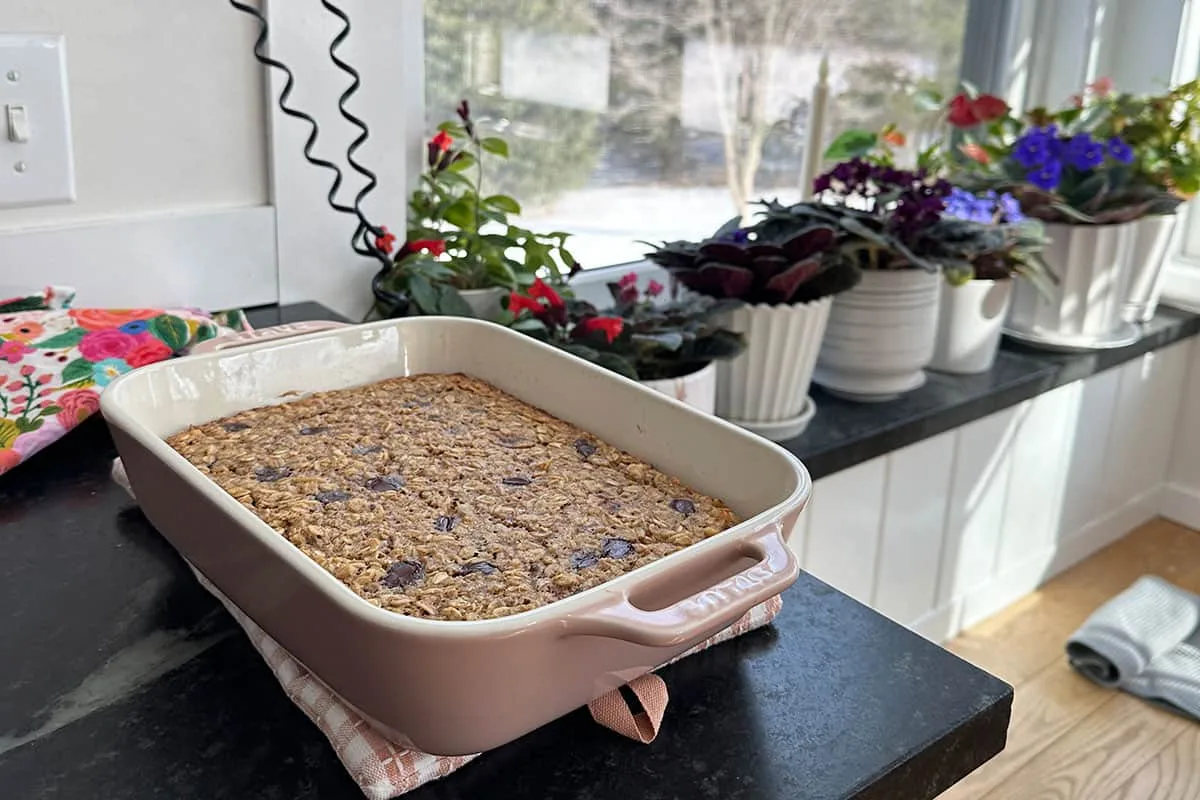
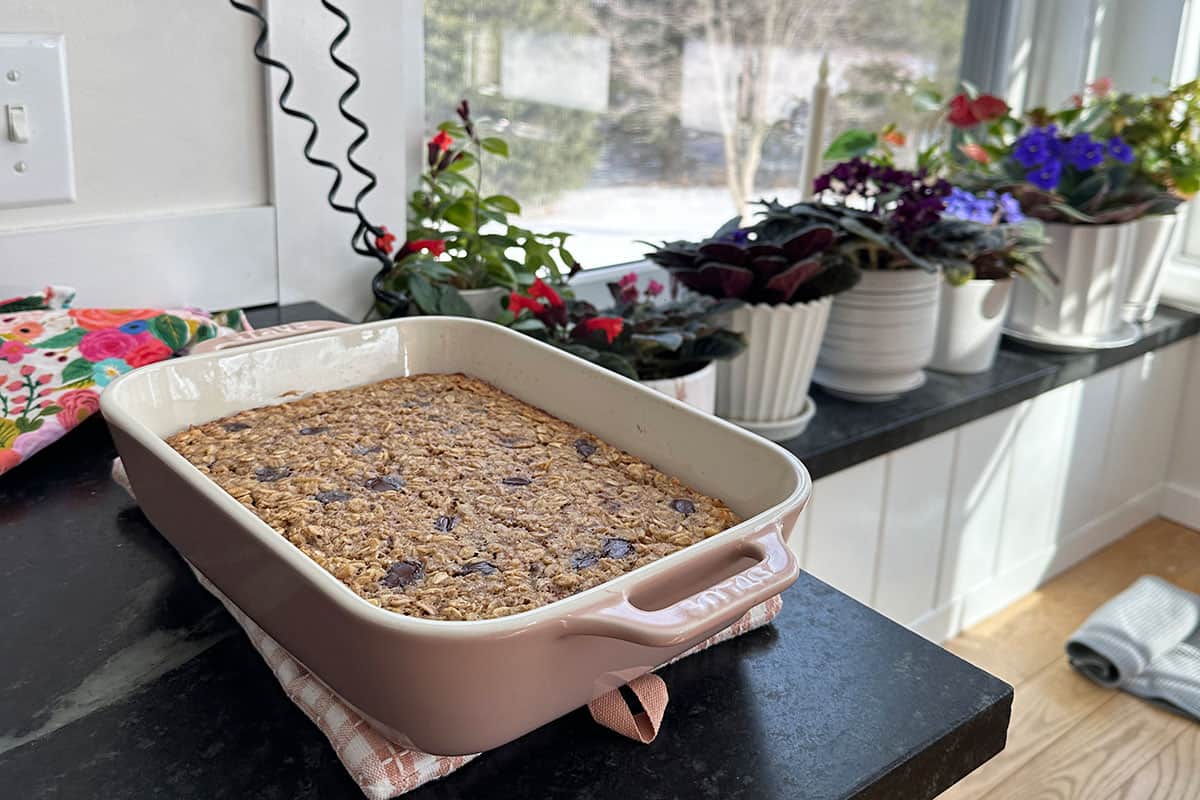
The lifecycle of a structured breakfast week typically begins with a "Prep Day," often designated as Sunday. During this phase, the primary caloric and nutritional components are assembled. For instance, a batch of baked oatmeal—often featured in pink baking dishes to appeal to the sensory preferences of younger children—is prepared. This serves as a foundational element that can be utilized from Monday through Friday.
- Phase One: Assessment and Inventory. The process begins with an audit of the "Freezer Stash," a strategic reserve of pre-cooked components such as muffins, pancakes, or frozen fruit blends.
- Phase Two: Bulk Preparation. Centralized cooking of a "hero" dish, such as the aforementioned baked oatmeal or a savory egg-based casserole, occurs.
- Phase Three: Daily Execution. On busy mornings, the preparation time is reduced to under five minutes. This phase also allows for the introduction of "Wizard Meals"—novelty-based presentations designed to encourage children to try new food groups.
- Phase Four: Evaluation. At the conclusion of the week, the success of new introductions (such as a child trying a previously rejected food item) is recorded to inform the subsequent week’s shopping list.
Supporting Data on Childhood Nutrition and Behavioral Eating
The importance of these structured routines is underscored by current pediatric nutrition statistics. According to the Centers for Disease Control and Prevention (CDC), approximately 1 in 5 children in the United States are affected by obesity, a condition often linked to dietary patterns established in early childhood. Furthermore, research into "picky eating" habits indicates that a child may need to be exposed to a new food between 10 and 15 times before they develop an acceptance or preference for it.
The YTF Community’s emphasis on "real-life" meals provides a practical application of the "Division of Responsibility" (DOR) in feeding. This model, pioneered by Ellyn Satter, dictates that parents are responsible for the what, when, and where of feeding, while the child is responsible for how much and whether they eat. By providing a consistent, pre-prepped breakfast, parents fulfill their role with less stress, creating a neutral environment that is statistically more likely to result in dietary exploration by the child.
Strategic Responses to Common Dietary Challenges
The digital content ecosystem surrounding family feeding has identified several recurring "pain points" that necessitate specialized advice. These include the "snack-only" child and the complexities of managing a freezer inventory.
Addressing Snack-Dependency
A significant portion of parental anxiety stems from children who refuse primary meals in favor of snack-based consumption. Journalistic analysis of feeding trends suggests that this is often a result of "grazing" patterns that suppress hunger during scheduled meal times. The YTF Community’s approach involves integrating "snack-like" textures and flavors into the breakfast meal itself—such as nutrient-dense muffins or yogurt parfaits—to bridge the gap between perceived snacks and substantial meals.
The Freezer Stash as Risk Mitigation
The "Freezer Stash" is not merely a storage method but a logistical safety net. In professional kitchen environments, this is known as mise en place on a macro scale. For the domestic setting, having a documented inventory of frozen, nutrient-complete meals prevents the total collapse of a nutritional plan during unforeseen scheduling conflicts. This systematic approach reduces the reliance on fast-food or low-nutrient convenience options during "crunch periods."
The Rise of Subscription-Based Parental Support Communities
The transition of YTF Community content toward a "Members Only" or "freemium" model reflects a broader trend in the creator economy. Parents are increasingly willing to pay for curated, expert-led advice that offers more than just recipes. The value proposition of such subscriptions includes:
- Customizable Meal Plans: Moving away from "one size fits all" to plans that account for specific allergies, dietary preferences, and household sizes.
- Peer Commenting and Community Engagement: Allowing parents to share anecdotal successes and failures, which provides emotional support and practical troubleshooting.
- Bonus Content and Direct Access: Deep dives into specific behavioral issues, such as the "picky eating" essays mentioned in the community’s recent updates.
From a market perspective, this represents the "Substack-ification" of parenting advice, where niche expertise is monetized through direct-to-consumer relationships. This model ensures the longevity of the content creator while providing the consumer with a high-density, ad-free information environment.
Broader Impact and Implications for Public Health
The institutionalization of make-ahead breakfast strategies has implications that extend beyond the individual kitchen. At a public health level, the widespread adoption of these habits could contribute to a reduction in long-term healthcare costs associated with diet-related illnesses. When parents are equipped with the tools to manage "Real Life Breakfasts" effectively, the household stress level decreases, which has been shown to improve overall family dynamics and child developmental outcomes.
Furthermore, the emphasis on "very real" meals—those that acknowledge the mess, the rejection of food, and the constraints of time—serves to counteract the often-unrealistic standards set by social media. This shift toward authenticity in digital nutrition advice fosters a more resilient and capable population of caregivers.
Conclusion: The Future of Household Food Management
As the line between digital advice and domestic practice continues to blur, the role of communities like YTF becomes increasingly vital. The strategic integration of make-ahead meals is no longer just a "life hack" but a necessary component of modern family management. By leveraging data, community support, and systematic preparation, families can navigate the complexities of childhood nutrition with greater confidence and success. The "wizard" breakfast that shocks a parent because a child finally tries it is not an accident; it is the result of a deliberate, structured, and informed approach to the first meal of the day. Through continued education and the refinement of meal-planning tools, the goal of making family feeding "easier" is becoming a quantifiable reality for thousands of households.
