

The development of nutrient-dense, shelf-stable snack options has become a primary focus for modern pediatric nutritionists and caregivers seeking to balance convenience with health-conscious ingredient profiles. Among the emerging staples in this category, the Peanut Butter Granola Bar has solidified its position as a versatile component of the daily juvenile diet, serving as both a primary snack and a supplementary meal element. Utilizing a methodology characterized by accessibility and efficiency, this specific formulation addresses the growing consumer demand for high-protein alternatives to traditional confectionery-style snacks. By integrating basic pantry staples such as rolled oats, chia seeds, and natural nut butters, this recipe offers a robust nutritional profile while maintaining structural integrity at room temperature—a critical factor for school-based consumption and portability.
The Evolution of the Homemade Snack Movement
The shift toward homemade granola bars is rooted in a broader systemic change within the consumer packaged goods (CPG) industry. Over the last decade, parental concerns regarding highly processed sugars, artificial preservatives, and the rising cost of specialized toddler foods have driven a resurgence in domestic food preparation. Market data indicates that while the global snack bar market continues to grow, there is a significant sub-sector of consumers who prioritize "clean label" transparency, which is most easily achieved through home manufacturing.
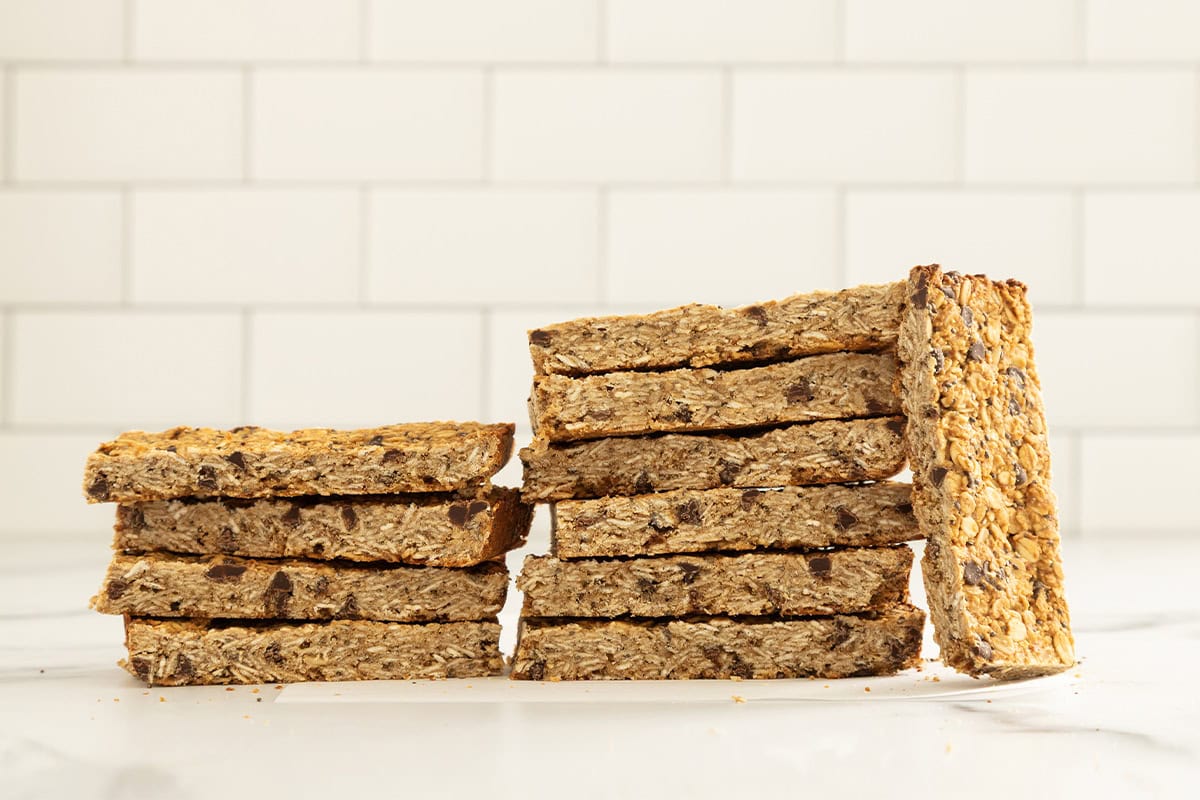
The Peanut Butter Granola Bar was developed as a direct response to consumer requests for a protein-enhanced version of existing chocolate-based recipes. This evolution reflects a sophisticated understanding of macronutrient balance, moving away from simple carbohydrate-heavy snacks toward options that provide sustained energy release through fats and proteins.
Comprehensive Ingredient Profile and Nutritional Analysis
The efficacy of the Peanut Butter Granola Bar is derived from its synergistic blend of whole-food ingredients. Each component serves a dual purpose: contributing to the sensory experience (flavor and texture) and providing specific physiological benefits.
The Foundation: Rolled Oats and Chia Seeds
Whole-grain oats serve as the primary structural and nutritional base. Rich in beta-glucan, a soluble fiber known for its heart-health benefits and ability to regulate blood sugar, oats provide the complex carbohydrates necessary for sustained energy in active children. The inclusion of chia seeds adds a modern nutritional upgrade, contributing plant-based Omega-3 fatty acids, additional fiber, and a unique gelling property that assists in binding the bars without the need for excessive processed waxes or gums.
Binding Agents and Natural Sweeteners
The wet-ingredient matrix consists of mashed bananas, peanut butter, and honey. Mashed bananas act as a humectant, retaining moisture and providing natural potassium, while peanut butter serves as the primary protein source (approximately 5 grams per serving). Honey and a minimal amount of brown sugar provide the necessary sweetness to ensure child compliance while acting as natural preservatives.
Nutritional Data Summary
A standardized serving (one bar) provides approximately 182 calories. The macronutrient breakdown is strategically aligned with pediatric dietary recommendations:
- Total Fat: 6g (including healthy polyunsaturated and monounsaturated fats)
- Protein: 5g (essential for muscle development and satiety)
- Carbohydrates: 30g (primarily complex)
- Fiber: 3g (supporting digestive health)
- Micronutrients: Notable levels of Potassium (159mg), Calcium, and Iron.
Methodology: The Chronological Development of the Final Product
The preparation of Peanut Butter Granola Bars follows a precise chronological sequence designed to optimize texture and ensure the bars do not crumble upon slicing.

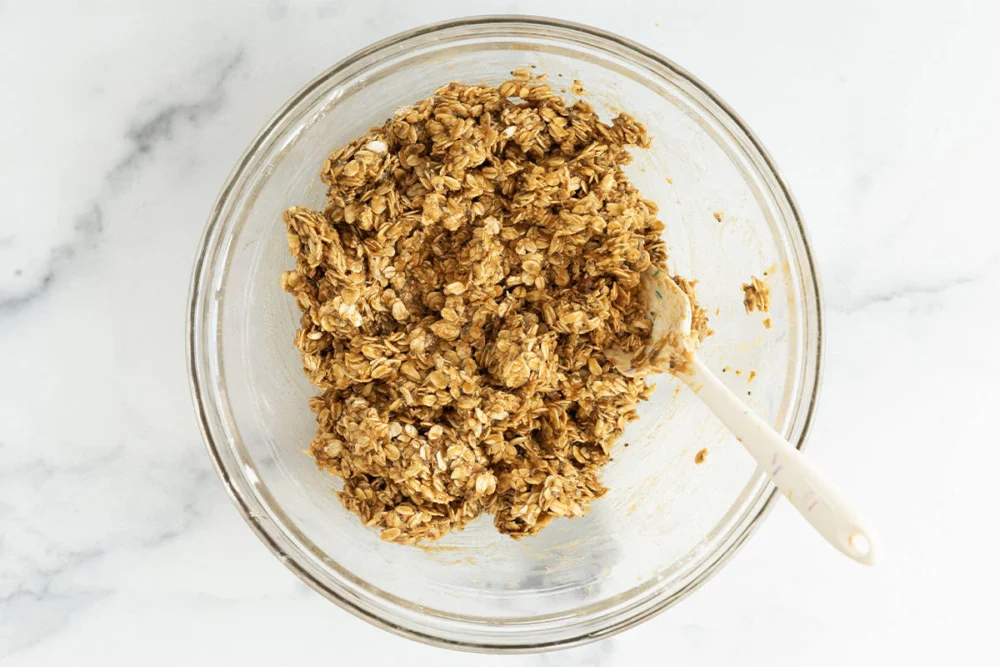
- Preparation of the Humectant Base: The process begins with the thorough mashing of ripe bananas. The degree of ripeness is a critical variable, as higher starch-to-sugar conversion in overripe bananas provides superior binding and natural sweetness.
- Integration of Lipids and Aromatics: Peanut butter, honey, and vanilla extract are incorporated into the banana base. This creates a cohesive emulsion that ensures even distribution of flavors.
- Dry Matter Incorporation: In a separate vessel, the oats, flour, chia seeds, and salt are combined. These are then folded into the wet mixture. The goal is complete hydration of the dry ingredients without overworking the batter, which could lead to a tough texture.
- Compression and Thermal Processing: The mixture is transferred to a prepared baking pan. A key technical requirement at this stage is firm compression. Pressing the batter into the corners of the pan eliminates air pockets, which is essential for the bar’s structural longevity.
- Crystallization and Cooling: Following the baking cycle, the bars must undergo a complete cooling period within the pan. This allows the sugars to set and the fibers to lock together, ensuring the product can be sliced into uniform units without disintegrating.
Economic Analysis: Homemade vs. Commercial Manufacturing
From a fiscal perspective, the domestic production of Peanut Butter Granola Bars offers a compelling case for household budget optimization. Industry analysis reveals that premium, organic, or "healthy" branded snack bars for children often retail for $1.00 to $1.50 per unit. In contrast, the raw material cost for a homemade batch—using bulk-purchased oats, peanut butter, and pantry staples—is estimated to be significantly lower, often ranging between $0.20 and $0.40 per bar.
Furthermore, the "store-well" nature of the product (up to two weeks in refrigerated storage or several months in a freezer) reduces food waste, a significant hidden cost in many households. The ability to produce 16 servings in a single 30-minute session provides a high return on time investment (ROTI) for busy caregivers.
Structural Integrity and Consumer Portability
One of the primary challenges in "healthy" snack design is maintaining shape without chemical stabilizers. The Peanut Butter Granola Bar addresses this through its specific ratio of oats to peanut butter. Unlike bars that rely on chocolate coatings or high-fructose corn syrup to stay together, these bars remain stable at room temperature.

This stability has significant implications for school environments. As many elementary schools and preschools require snacks to be stored in cubbies or backpacks rather than refrigerators, the ability of the bar to remain appetizing and intact throughout the day is a major functional advantage.
Expert Insights and Consumer Testimonials
Field reports from parents and educators highlight the high "acceptability rate" of this formulation among children, including those identified as "picky eaters." A review from a consumer identified as Beth noted, "These are so delicious! My three-year-old and I both love them. I used chocolate chips and craisins. I love that they taste good and have enough protein to make a filling snack."
Nutritionists point out that the versatility of the recipe—allowing for the addition of dried fruits or seeds—enables parents to customize the bars to meet specific caloric or micronutrient needs. The inclusion of peanut butter, while a common allergen, is praised for its high satiety index, which helps prevent the "sugar crashes" often associated with store-bought fruit snacks or crackers.

Broader Implications for Pediatric Nutrition and Food Literacy
The promotion of recipes like the Peanut Butter Granola Bar is part of a larger movement toward food literacy. When children are involved in the "mash and mix" process of making these bars, they develop a psychological connection to whole ingredients. This early exposure to "real food" preparation is linked to better dietary choices in later life and a reduced risk of obesity.
Moreover, the recipe serves as a template for allergen-friendly adaptations. In environments where peanuts are prohibited, the framework allows for the seamless substitution of sunflower seed butter or almond butter, maintaining the same nutritional ratios and structural benefits.
Final Assessment of Long-Term Viability
The Peanut Butter Granola Bar represents a successful intersection of nutritional science, economic practicality, and culinary simplicity. As the trend toward "functional snacking" continues to gain momentum, formulations that prioritize protein and fiber while remaining accessible to the average home cook will likely remain dominant in the market.

By providing a reliable, cost-effective, and health-positive alternative to industrial snacks, this recipe empowers caregivers to take control of the juvenile nutritional landscape. Its success is measured not just in its flavor profile, but in its ability to solve the daily logistical and nutritional challenges faced by modern families. With a shelf life that supports long-term planning and a nutrient density that supports physical growth, these bars are more than a snack—they are a strategic tool for healthy living.
