

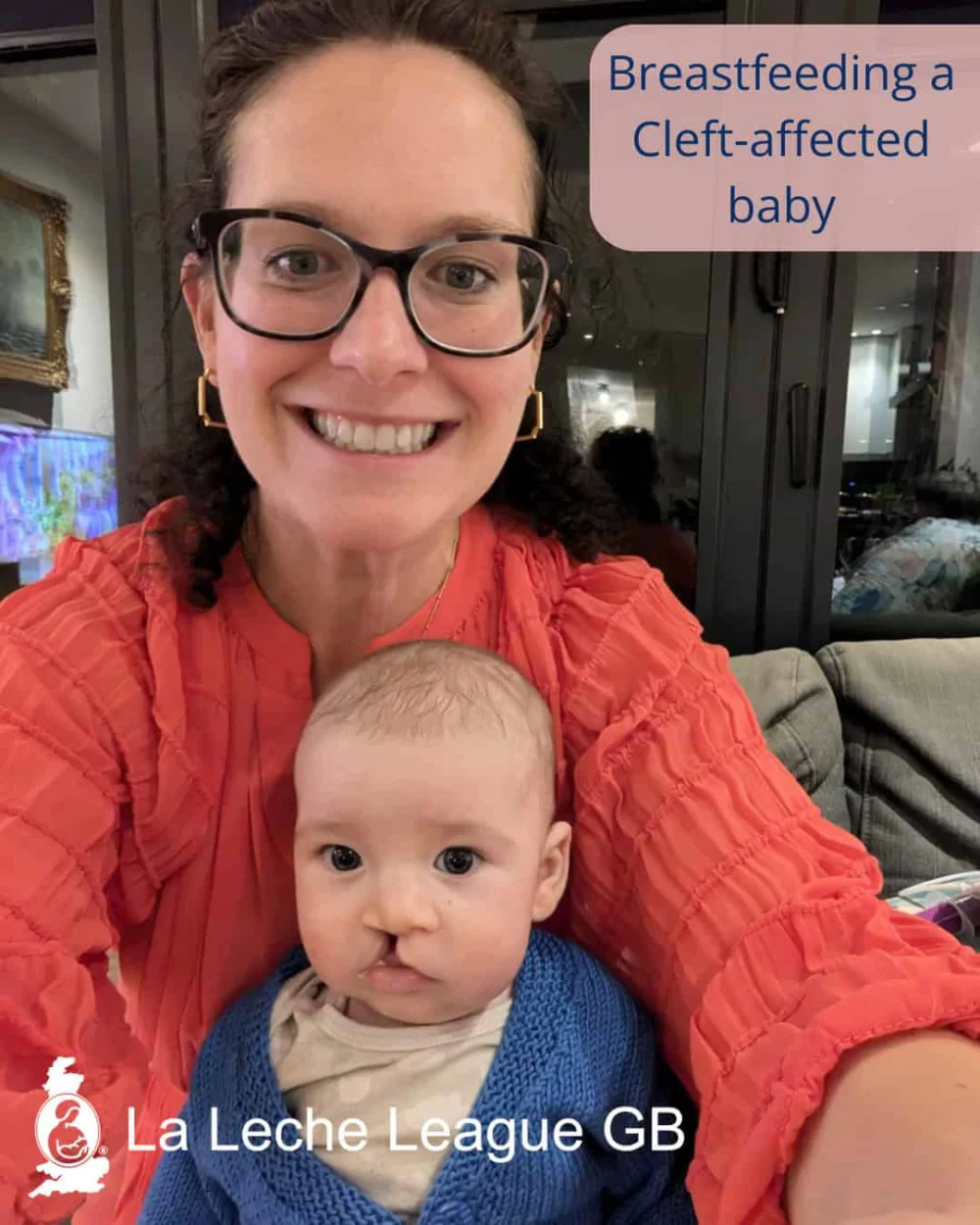
A cleft lip or palate occurs when the facial structures forming a baby’s upper lip or the roof of their mouth (palate) do not fully fuse during early fetal development. This congenital condition affects approximately 1 in 700 babies globally, making it one of the most common birth anomalies. While a cleft lip often allows for breastfeeding with specific adaptations, babies born with a cleft palate typically cannot generate the necessary suction pressure to efficiently remove milk from the breast until surgical repair. This anatomical challenge necessitates proactive planning and a robust support system for families committed to providing breast milk.
Understanding Cleft Lip and Palate: A Medical Perspective
Cleft lip and palate are conditions that arise during the first trimester of pregnancy, usually between the 6th and 10th weeks of gestation. The exact causes are multifactorial, involving a complex interplay of genetic predispositions and environmental factors. These conditions can present in various forms: an isolated cleft lip, an isolated cleft palate, or a combined cleft lip and palate. The severity can range from a small notch in the lip to a complete separation extending into the nose and through the palate.
- Cleft Lip: This involves a separation in the upper lip, which can be unilateral (one side) or bilateral (both sides). While it can present aesthetic challenges, many babies with a cleft lip can achieve an effective latch with strategic positioning and adaptations, as the palate remains intact for suction.
- Cleft Palate: This involves an opening in the roof of the mouth, which can affect the hard palate (bony front part), the soft palate (muscular back part), or both. The primary feeding challenge here is the inability to create negative pressure within the mouth due to the open connection to the nasal cavity. This prevents the baby from drawing milk efficiently from the breast or a standard bottle.
- Combined Cleft Lip and Palate: This is the most complex presentation, combining the challenges of both conditions.
Diagnosis often occurs during routine prenatal ultrasounds, providing parents with valuable time to research, connect with specialists, and prepare for their baby’s arrival. Postnatal diagnosis, immediately after birth, is also common. Regardless of when the diagnosis is made, early intervention and a multidisciplinary care team are crucial for managing feeding, speech, hearing, and overall development. This team typically includes a plastic surgeon, ear-nose-throat specialist, orthodontist, speech therapist, audiologist, and a specialist nurse, with lactation consultants playing a pivotal role in feeding support.
The Critical Role of Early Nutrition and Breast Milk

For any newborn, breast milk offers unparalleled nutritional and immunological benefits. For a baby with a cleft lip or palate, these benefits are even more pronounced, particularly given the likelihood of multiple surgeries and increased susceptibility to infections. Human milk provides vital antibodies, enzymes, and living cells that protect against common illnesses like ear infections (otitis media), which are highly prevalent in cleft-affected infants due to Eustachian tube dysfunction. Its anti-inflammatory properties also support healing and recovery following surgical procedures.
The primary hurdle in breastfeeding a cleft-affected baby, especially those with a cleft palate, is the inability to create the vacuum needed for suction. This means that while a baby might root and attempt to latch, they cannot effectively draw milk from the breast. Consequently, ensuring adequate milk intake and maintaining the mother’s milk supply becomes the immediate priority. Despite these challenges, breastfeeding remains a viable and highly beneficial goal, requiring perseverance, expert guidance, and often a combination of direct feeding and alternative methods.
Strategies for Successful Breastfeeding: A Comprehensive Approach
Successfully feeding a cleft-affected baby often requires a multi-faceted approach, integrating direct breastfeeding attempts with strategies to maintain milk supply and provide supplemental nutrition.
Maintaining Milk Production: The Foundation of Feeding
Establishing and maintaining a robust milk supply is paramount, whether the baby feeds directly from the breast or not. This ensures a steady supply of human milk, keeping the option of direct breastfeeding open for the future, especially after surgical repair. For babies needing surgery, the protective qualities of breast milk are invaluable for healing and reducing infection risks.

- Immediate Initiation: Ideally, mothers should begin expressing milk or attempting to breastfeed within the first few hours after birth. This early stimulation is critical for initiating the lactation process.
- Frequent Removal: In the initial days and weeks, the breasts learn how much milk the baby needs. To signal the body to produce a full supply, mothers typically need to breastfeed or express at least 8-12 times in 24 hours. The principle is "supply and demand": the more milk removed, the more milk will be made.
- Efficiency: Maintaining high milk production requires consistent milk removal. When breasts feel full, milk production slows down. Therefore, frequent, efficient milk removal is more important than the duration of each session.
- Tools for Expression: A double electric "hospital-grade" breast pump is often the most efficient tool for mothers needing to express all or most of their milk. Cleft specialist nurses can often facilitate borrowing these pumps or advise on rental options. Some mothers find success with smaller pumps, such as wearable hands-free models, or through effective hand expression, which can be particularly useful for colostrum collection in the first few days.
Bringing in a full milk supply for a baby who cannot breastfeed effectively is intensely demanding. Practical support from partners, family, and healthcare professionals is crucial to allow the mother to focus on her baby and milk production. While the first few weeks are often the most challenging, many mothers find that they can express less often later on while still maintaining their supply.
Feeding in the Early Days: Bridging the Gap
In the immediate postnatal period, babies consume small amounts of colostrum. If a cleft-affected baby cannot take enough at the breast, various methods can be employed to deliver expressed breast milk, donor milk, or formula.
- Syringes and Teaspoons: These can be used for very small amounts of colostrum initially but quickly become impractical as milk volume increases.
- Specialized Bottles: Several bottles are specifically designed for cleft-affected babies. These often feature softer teats, one-way valves, and elongated shapes to assist with milk delivery without requiring strong suction. Examples include the Haberman Feeder (now Medela SpecialNeeds Feeder) and Dr. Brown’s Specialty Feeding System. Cleft specialist nurses are best placed to advise on the most suitable type for an individual baby’s specific needs. These bottles allow milk to be delivered through compression rather than suction, making feeding less exhausting for the baby.
- Cup Feeding: For some babies, a small, soft cup can be used to deliver milk, carefully tipping small amounts into the baby’s mouth. This method requires skill and practice but can be effective.
Using a Nursing Supplementer: At-Breast Support
Nursing supplementers, also known as supplemental nursing systems (SNS) or lactation aids, allow a baby to latch onto the breast while simultaneously receiving supplemental milk through a thin tube positioned next to the nipple. These systems offer significant benefits, including promoting the at-breast experience, stimulating the mother’s milk supply through suckling, and fostering skin-to-skin contact and bonding. While less common than bottles, supplementers can be a powerful tool in a comprehensive feeding plan.
- Types of Supplementers:
- Commercial Systems: Such as the Medela Supplemental Nursing System (SNS), which typically involves a reservoir bottle that hangs around the mother’s neck, with thin tubes taped to the breast.
- Homemade Systems: Often using a feeding tube and a syringe or bottle, offering a more customizable approach.
- Delivering Milk: Babies with a cleft palate often lack the suction required to draw milk purely from a supplementer. Therefore, the supplemental milk usually needs to be actively delivered. If using a bag or bottle system, gentle squeezing can encourage flow. For syringe-based systems, a steady, controlled push of the plunger delivers milk. Making a small vent hole in the top of a bottle/bag system can also facilitate flow without relying solely on the baby’s suction.
- Tips for Use:
- Preparation: Ensure all components are clean and assembled before the baby shows feeding cues.
- Positioning the Tube: Tape the tube securely to the breast, ensuring it extends slightly past the nipple so the baby takes it deeply into their mouth.
- Flow Control: Start with a slower flow and adjust as the baby learns to coordinate sucking, swallowing, and breathing. Watch for signs of gulping or distress.
- Patience and Practice: Using a supplementer can be challenging initially, requiring perseverance to find a comfortable setup for both mother and baby. Working with a lactation consultant experienced with supplementers is highly recommended.
The reward for this effort is the ability to feed the baby at the breast, fostering a deep bond while ensuring they receive the vital benefits of breast milk. Many mothers report that while it takes weeks to master the technique, the process eventually becomes intuitive.

Feeding Positions: Optimizing Comfort and Efficiency
Finding comfortable and effective feeding positions is crucial for both mother and baby. There is no single "right" position; rather, it’s about discovering what works best for the unique anatomy of the baby’s cleft and the mother’s comfort.
- Upright Position: Holding the baby in a more upright or semi-upright position can help gravity assist milk flow and reduce nasal regurgitation, which is common with cleft palates.
- Football Hold (Clutch Hold): This position allows the mother to support the baby’s head and neck firmly while observing their mouth and latch. It can be particularly useful for ensuring a deep latch and for managing the supplementer tube.
- Cradle Hold with Adaptations: While a traditional cradle hold can be used, ensuring the baby’s head is well-supported and slightly elevated is important. The mother might need to use a finger to help seal the gap in the lip or palate if applicable.
- Side-Lying Position: This can be comfortable for both, especially for night feeds, but requires careful attention to the baby’s head elevation and latch.
The goal of any position is to achieve a deep latch, minimize air intake, and ensure efficient milk transfer. Observing the baby for signs of effective swallowing and contentment is key.
Feeding Your Baby at the Breast After Surgery
For babies with a cleft palate, direct breastfeeding may become fully possible only after surgical repair. If direct feeding is a goal, maintaining some level of at-breast contact (even with a supplementer) until surgery can help the baby "remember" how to latch and associate the breast with milk.
- Post-Operative Challenges: After lip or palate repair, babies may initially struggle to feed directly at the breast for several weeks. This is due to discomfort, swelling, and the need to adapt to their new oral anatomy. They may need to rebuild strength and learn new muscle movements for sucking.
- Continued Expression: During this recovery period, it is vital for mothers to continue expressing frequently to maintain their milk supply. The expressed breast milk remains crucial for the baby’s healing and recovery.
- Re-introduction to Breastfeeding: Gradually re-introducing the baby to the breast, with patience and support from lactation consultants, can lead to successful direct breastfeeding. The repaired palate provides the necessary structure for suction, opening new possibilities for feeding.
Support Systems and Broader Implications

The journey of breastfeeding a cleft-affected baby is often challenging but profoundly rewarding. It requires an unwavering commitment from parents and a robust network of support.
- Multidisciplinary Cleft Teams: These teams are indispensable, providing coordinated care from diagnosis through surgical repair and beyond. The cleft nurse specialist often acts as a central point of contact, offering practical advice and emotional support.
- Lactation Consultants: Specialized lactation support is critical. These professionals can help with latching techniques, supplementer use, milk supply management, and navigating the complexities of feeding a baby with unique anatomical challenges.
- Peer Support: Connecting with other mothers who have breastfed cleft-affected babies through organizations like La Leche League or online communities can provide invaluable emotional support, practical tips, and a sense of shared experience. Reading personal stories of success can be incredibly empowering.
- Psychological Well-being: Parents of cleft-affected babies often face significant emotional stress. Support for maternal mental health is as important as physical feeding support. The ability to breastfeed can offer a deep sense of accomplishment and strengthen the mother-infant bond, contributing positively to maternal well-being.
The long-term implications of successful breastfeeding for cleft-affected babies extend beyond immediate nutrition. Studies indicate that breastfed babies with clefts may experience fewer upper respiratory infections and ear infections, potentially leading to fewer complications and hospitalizations. The act of suckling, even with adaptations, can contribute to the development of oral motor skills, which are beneficial for speech development later on.
In conclusion, while the initial diagnosis of a cleft lip or palate can present significant anxieties regarding feeding, breastfeeding is often a highly achievable goal with the right knowledge, tools, and unwavering support. By prioritizing milk production, employing adaptive feeding methods, and leveraging expert guidance from healthcare professionals and support organizations, families can successfully nourish their cleft-affected babies with the unparalleled benefits of human milk, fostering health, healing, and a strong maternal bond throughout their unique journey.
Further Reading
- La Leche League International: Breastfeeding Your Baby with a Cleft Lip or Palate
- Cleft Lip and Palate Association (CLAPA): Information on feeding techniques and support services.
- Medela: Resources on SpecialNeeds Feeder and Supplemental Nursing System.
- Journal of Human Lactation: Research articles on breastfeeding outcomes for infants with clefts.
Written by Bronwyn Davies and Jayne Joyce, with thanks to Sarah Muir-Little.
Copyright LLLGB May 2025
