

Zarina Ayyub’s journey, commencing with the birth of her first child in Birmingham, England, at the age of 20, stands as a poignant testament to the enduring challenges and ultimate triumph of breastfeeding against a backdrop of cultural skepticism and inadequate institutional support. Her personal experiences, spanning over three decades and five children, have not only shaped her own family’s approach to infant feeding but have also propelled her into a significant role as a doula and breastfeeding peer supporter, advocating for greater understanding and culturally sensitive care, particularly within South Asian communities.
The Genesis of a Struggle: Early Motherhood and Systemic Lapses
Born in Birmingham to a Pakistani mother who arrived in England in the late 1960s, Zarina’s entry into motherhood in the early 2000s was marked by a profound lack of guidance. Her mother, a pioneer in her own right as one of the first in her Asian community to have children in the UK, had faced significant pressure from her in-laws and hospital staff to abandon breastfeeding, receiving formula and milk-drying pills—a traumatic experience she never forgot. This intergenerational trauma directly impacted Zarina, who was repeatedly cautioned against breastfeeding due to her mother’s painful memories and the prevailing cultural belief in India that colostrum was "dirty." Instead, traditional remedies like fennel-infused water were advocated for newborns to clear meconium.
This cultural backdrop was compounded by systemic deficiencies within the healthcare system. When Zarina’s first baby was born prematurely at 4 lbs 13 oz, she describes being isolated and her infant immediately separated and fed formula via a tube, without any explanation of colostrum, expressing, or even the option to hold her fragile newborn. This lack of informed consent and support aligns with historical criticisms of hospital practices during that era, where formula feeding was often implicitly or explicitly encouraged, and the physiological benefits of early skin-to-skin contact and colostrum were frequently overlooked, especially for mothers from vulnerable or minority backgrounds. The emotional distress of this period, marked by engorgement and a traumatic forced latch attempt by a midwife, underscores the urgent need for compassionate, evidence-based care.
Overcoming Initial Hurdles: A Battle for Breastfeeding
Returning home around day five or six, Zarina faced severe physical pain from cracked and bleeding nipples, coupled with immense pressure from her family to resort to formula. Her husband, unfamiliar with local shop hours in Birmingham, struggled to find suitable breastfeeding aids, highlighting the lack of readily available support and resources for new parents outside of hospital settings.
Her subsequent move to London with her husband’s extended Pakistani family introduced new layers of complexity. While living in her own flat offered some autonomy, societal pressures persisted. Zarina felt embarrassed to breastfeed in public, leading to social isolation. The expectation to maintain a spotless home and contribute to household chores, a deeply ingrained cultural priority within her in-laws’ community, clashed with the demands of responsive breastfeeding. Sitting to feed was often perceived as "laziness" rather than a vital maternal function. This societal expectation is a common barrier reported by women from certain cultural backgrounds, where the value of a woman is often tied to her domestic contributions rather than her maternal bonding or health choices.
Even her mother-in-law, who had breastfed her own sons, questioned Zarina’s commitment, comparing her to another daughter-in-law who prioritized housework over breastfeeding. Pressure from her husband, concerned about the perceived skinniness of their children compared to formula-fed relatives, further complicated matters. These pressures illustrate a critical intersection of cultural expectations, gender roles, and a pervasive lack of understanding regarding infant physiology and nutrition, particularly for breastfed babies who may follow different growth curves than formula-fed infants.
The Power of Knowledge: Education as Empowerment
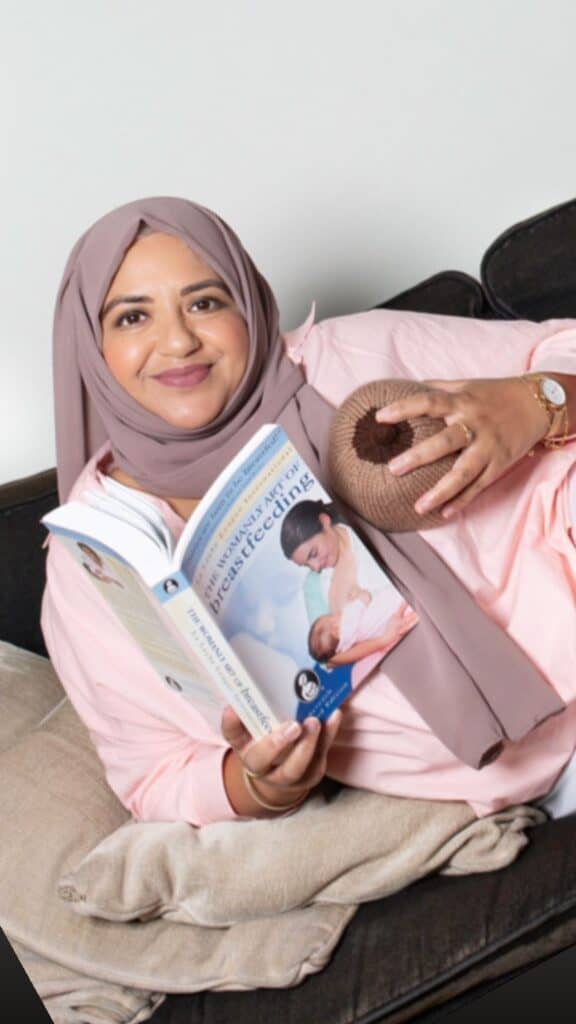
A pivotal turning point arrived with her third pregnancy. Dissatisfied with the prevailing lack of knowledge and support, Zarina proactively sought information, discovering The Womanly Art of Breastfeeding by La Leche League (LLL). She immersed herself in its pages for nine months, absorbing crucial information that directly contradicted the misconceptions she had encountered – notably, that colostrum was not "dirty" and that relactation was possible. This self-education proved transformative, equipping her with the confidence and conviction to assert her choices. She successfully breastfed her third child for two years, enduring numerous critical comments but fortified by her newfound knowledge.
Her experience highlights the critical role of accessible, accurate information in empowering mothers, especially when familial and institutional support is lacking. La Leche League, founded in 1956, has been instrumental globally in providing mother-to-mother support and evidence-based information, often filling gaps left by conventional healthcare systems.
From Recipient to Provider: Becoming a Peer Supporter
Zarina’s personal struggles ignited a deep-seated desire to help other mothers avoid similar pain. Even just weeks after her first birth, she found herself supporting her husband’s aunt with engorgement, recognizing a shared experience of isolation and lack of knowledge. She later supported her younger sister in breastfeeding all her children, eventually normalizing the practice for her own mother, who became a strong advocate during Zarina’s later pregnancies.
This natural inclination towards support crystallized into a formal role after the birth of her fifth child. Despite a difficult breastfeeding experience due to her baby’s prematurity (35 weeks) and severe reflux, Zarina persisted. Disappointed by poor advice from a breastfeeding counsellor, she found solace and opportunity at a local breastfeeding café. There, she discovered an advertisement for La Leche League’s 12-week peer supporter training course, run in partnership with the NHS. This moment of serendipity marked the formal beginning of her advocacy.
As a peer supporter for several years, Zarina was often the sole Muslim woman in her group, underscoring the significant underrepresentation of ethnic minority women in formal breastfeeding support roles. This demographic imbalance is a recognized barrier, as mothers often feel more comfortable and understood by supporters who share their cultural background and language, even without a direct language barrier. Her experience confirmed that while she supported diverse mothers, many expressed a strong desire for her continued presence, recognizing the unique connection she offered.
Broader Impact and Ongoing Advocacy
Today, Zarina works as a doula, providing crucial support during birth and the postnatal period, particularly now that her five children, aged 18 to 34, are grown. Her work extends beyond individual support, engaging with broader initiatives aimed at addressing disparities in maternal and infant care. She recently participated in a project with The Raham Project in Peterborough and the charity BLISS, focusing on neonatal intensive care units (NICUs) and premature babies, sharing her painful birth stories to inform better practices for ethnic minority families. Such initiatives are vital, as statistics often reveal lower breastfeeding rates and poorer health outcomes for infants from certain ethnic minority backgrounds, compounded by communication barriers and a lack of culturally competent care.
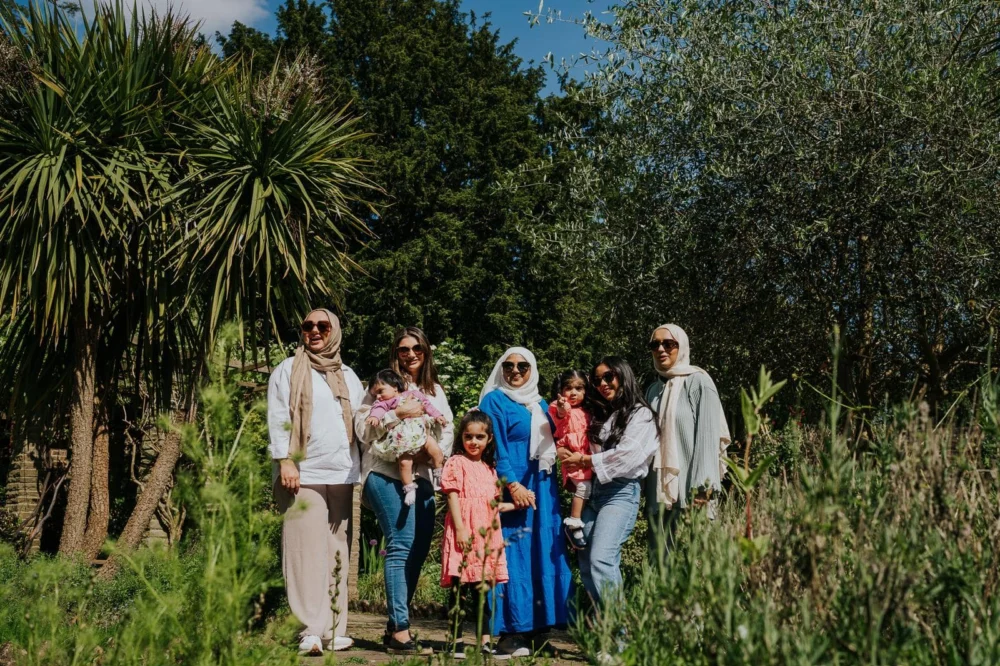
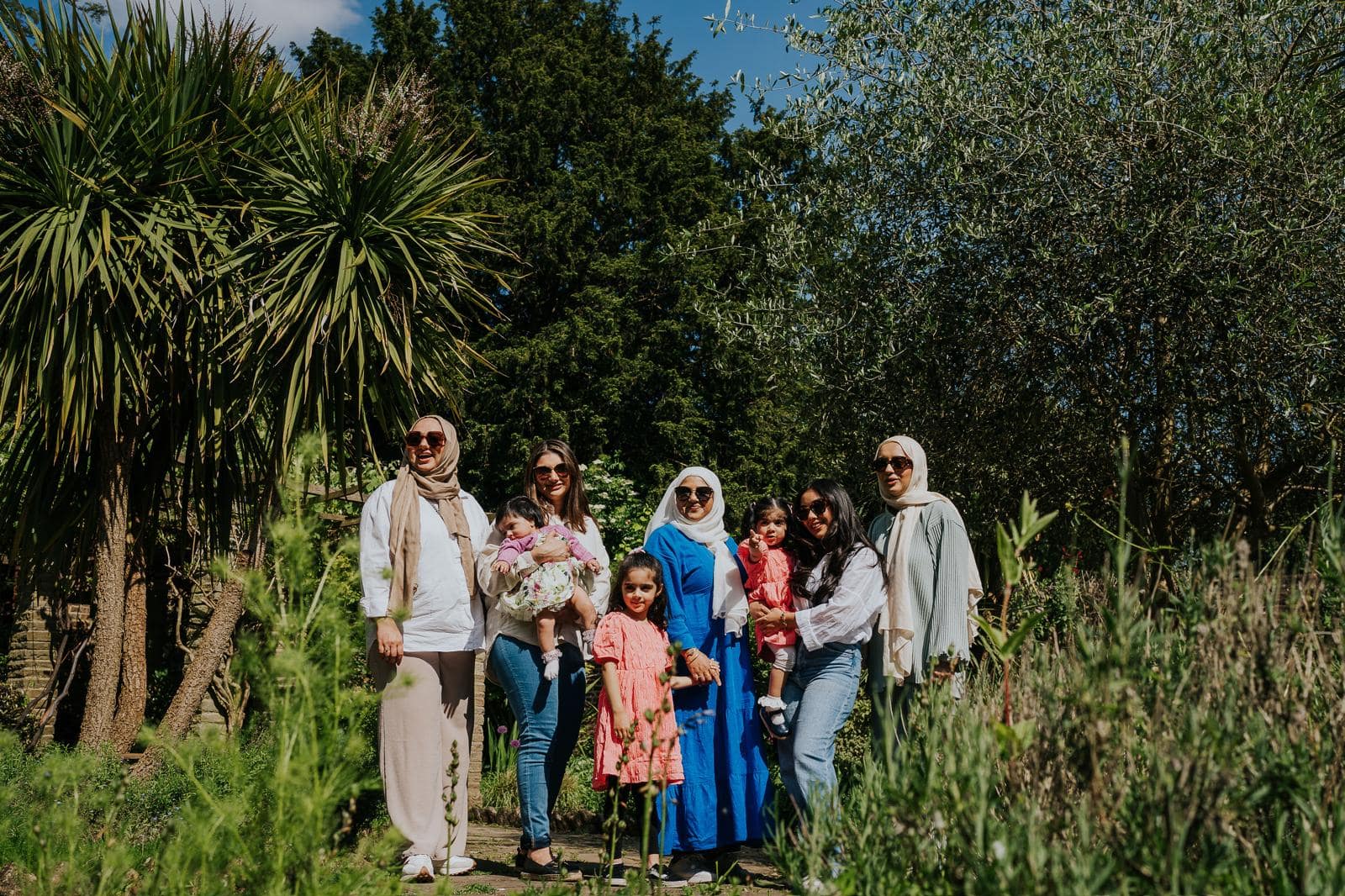
Her influence has profoundly reshaped her own family’s perceptions. Her eldest daughter, now a mother of three under four, has embraced breastfeeding with remarkable success, tandem feeding and continuing for years, a stark contrast to Zarina’s initial struggles. Her daughter’s husband, initially uncomfortable, has become a strong supporter, demonstrating the ripple effect of open dialogue. This generational shift within her family exemplifies the power of sustained advocacy.
Zarina’s efforts have normalized discussions around sensitive topics like breastfeeding and menstruation within her "unusual Pakistani household," extending to her children’s spouses and friends. Her daughters are now exploring options like home births, a significant departure from traditional norms within their community, further illustrating the transformative power of her pioneering spirit.
Addressing Cultural and Religious Nuances
Zarina emphasizes that while some perceive breastfeeding shame in the Asian community as religious, it is often a cultural phenomenon mistakenly conflated with faith. The Muslim faith, in fact, explicitly supports a baby’s right to be breastfed, often for up to two years. However, deeply ingrained cultural norms around modesty and public exposure create significant barriers. Many South Asian women still feel uncomfortable lifting their tops in a room full of other women, limiting their access to vital in-person support groups.
This highlights a critical need for breastfeeding support services to adopt culturally sensitive approaches, such as offering private spaces, one-on-one consultations, or even women-only sessions where appropriate cultural attire can be maintained. Building relationships of trust is paramount to addressing these fears and normalizing breastfeeding within these communities.
Conclusion: A Call for Collective Action
Zarina Ayyub’s life story is a powerful narrative of resilience, self-education, and dedicated advocacy. From a young mother navigating a system that offered little support and a community steeped in misconceptions, she emerged as a formidable force for change. Her journey underscores the enduring impact of personal experience on public health, revealing how individual struggles can illuminate systemic flaws and inspire transformative action.
Her ongoing call for more South Asian women to share their experiences and access support is a vital one. While progress has been made, persistent cultural barriers and a lack of culturally specific outreach mean that ethnic minority women remain underserved in breastfeeding support networks. By challenging misconceptions, fostering open dialogue, and championing culturally sensitive support mechanisms, Zarina Ayyub embodies the spirit of a true trailblazer, working tirelessly to ensure that breastfeeding is recognized and supported as the natural, beneficial process it is, for all mothers and all communities. The work of advocates like Zarina, alongside organizations like La Leche League, The Raham Project, and BLISS, is crucial in shaping a future where every mother, regardless of her background, receives the informed, compassionate care she deserves.
