

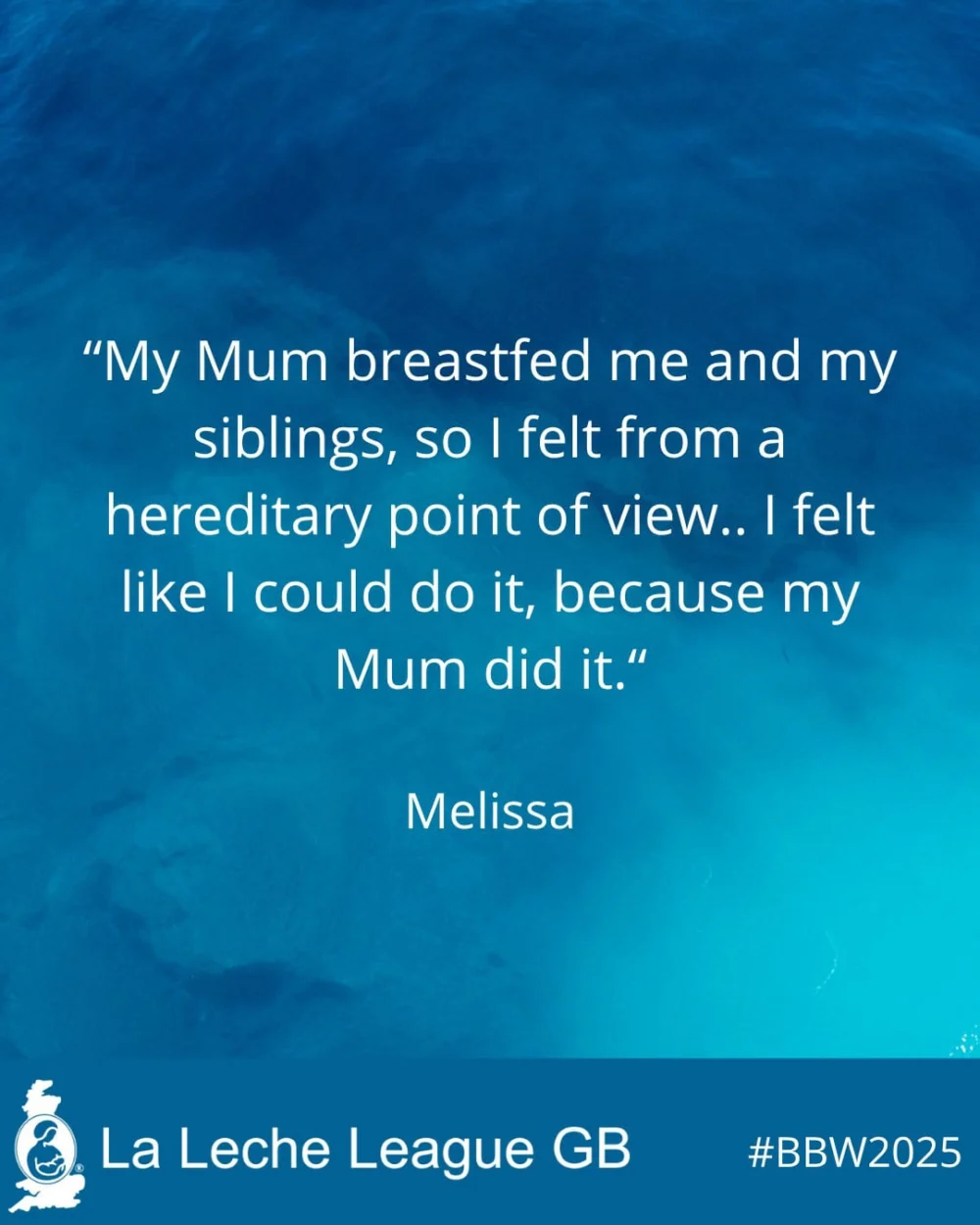
The observance of Black Breastfeeding Week (BFFW), which originated in the United States in 2012, emerged from a critical need to address significant racial disparities in breastfeeding rates and to provide a culturally affirming space for Black families. For decades, Black women have faced unique challenges, including systemic racism within healthcare, a lack of culturally competent lactation support, aggressive formula marketing in their communities, and a complex historical legacy that has profoundly impacted their relationship with breastfeeding. Organizations like La Leche League (LLL) recognize the profound power of personal narratives, understanding that sharing individual stories like Melissa’s from London fosters a vital connection within a global community of mothers and peers, creating a powerful network of learning and mutual support. Melissa’s experience, captured in audio notes while she soothed her five-month-old to sleep, serves as a poignant example of the diverse journeys and critical need for such community.
The Genesis of Black Breastfeeding Week
Black Breastfeeding Week was co-founded by Kimberly Seals Allers, Kiddada Green, and Anayah Sangodele-Ayoka. Their motivation stemmed from the stark realization that despite growing awareness and advocacy for breastfeeding, the specific needs and experiences of Black women were largely overlooked. Mainstream breastfeeding campaigns often failed to resonate with or adequately address the cultural, historical, and socio-economic realities of Black families. The founders pointed to alarming statistics, particularly in the United States, where Black women consistently had lower breastfeeding initiation and duration rates compared to white women. This disparity contributed to poorer health outcomes for both Black mothers and infants, including higher rates of infant mortality, SIDS, and various chronic diseases. The week’s establishment aimed to reclaim and celebrate Black women’s ancestral heritage of breastfeeding, advocate for equitable support, and build a powerful, visible community.
A Complex History: Black Women and Breastfeeding
The history of Black women and breastfeeding is deeply intertwined with the legacy of slavery and racial oppression, particularly in the Western world. During slavery, many enslaved Black women were forced to act as wet nurses for the children of their enslavers, often at the expense of nursing their own infants, who might be sold away or neglected. This traumatic history created a lasting association of breastfeeding with servitude and exploitation, contributing to a cultural distancing from it after emancipation.
In the post-slavery era and throughout the 20th century, economic pressures often compelled Black women to enter the workforce early, making extended breastfeeding challenging without adequate workplace protections or childcare. Concurrently, the rise of formula feeding was aggressively marketed as a symbol of modernity and liberation from past hardships, particularly within Black communities. Formula companies frequently targeted Black neighborhoods with free samples and promotional materials, further entrenching formula use. This historical trajectory, coupled with ongoing systemic racism within the medical establishment—where Black women often report feeling unheard, disrespected, or receiving inadequate care—has created significant barriers to breastfeeding success. These factors have contributed to a cycle of low breastfeeding rates and a lack of generational knowledge and support, making the act of choosing to breastfeed a challenging and often isolated path for many Black mothers today.
Unpacking the Data: Disparities and Health Imperatives
The statistical disparities in breastfeeding rates among Black women remain a significant public health concern. While global health organizations like the World Health Organization (WHO) and national bodies recommend exclusive breastfeeding for the first six months of life, followed by continued breastfeeding with complementary foods up to two years or beyond, Black women often fall short of these targets.
In the United States, for example, data from the Centers for Disease Control and Prevention (CDC) consistently show that Black infants have lower rates of breastfeeding initiation and duration compared to white infants. While national breastfeeding initiation rates have improved across all demographics, the gap persists. In 2019, 73.6% of Black infants were ever breastfed, compared to 85.3% of white infants and 85.9% of Hispanic infants. The disparities become even more pronounced when examining exclusive breastfeeding rates at six months. These lower rates contribute to significant health inequities. Breastfeeding is a crucial protective factor against numerous infant illnesses, including respiratory infections, ear infections, gastrointestinal issues, and Sudden Infant Death Syndrome (SIDS). For mothers, breastfeeding reduces the risk of type 2 diabetes, certain cancers (including breast and ovarian), and postpartum depression. When Black mothers and infants disproportionately miss out on these benefits, existing health disparities are exacerbated, contributing to higher rates of chronic disease and infant mortality within the Black community. In the UK, similar trends have been observed, with studies indicating that Black African and Black Caribbean mothers may face unique challenges in accessing culturally sensitive support, leading to lower rates of breastfeeding initiation and continuation compared to other ethnic groups.
Melissa’s Journey: A Beacon of Shared Experience
Melissa’s narrative, though shared through audio notes, profoundly embodies the essence of Black Breastfeeding Week and the critical need for shared experiences. As she navigated the tender act of getting her five-month-old to sleep, her reflections provide invaluable insights into the personal and systemic dimensions of breastfeeding as a Black woman in London.
Personal Conviction and Generational Shifts
For Melissa, breastfeeding was not merely a feeding choice but a deeply personal conviction. Her answers to "Why does breastfeeding matter to you?" likely illuminated the intrinsic desire to provide her child with the best possible start, perhaps driven by health consciousness, an emotional bond, or even a quiet reclamation of a practice that may have been less common in her immediate family history. The question, "Prior to having your own children what was your perception of breastfeeding? had anyone else breastfed in your family?" suggests a potential generational gap or a lack of visible role models. Many Black women grow up without seeing breastfeeding normalized within their families or communities, making their own journey feel like charting unknown territory. Melissa’s response would likely shed light on how she formed her own positive perception despite potential familial silences or differing practices.
Navigating Social Landscapes
The attitudes of friends and family can significantly shape a mother’s breastfeeding journey. Melissa’s reflections on "What were your friends’ and family’s attitude towards breastfeeding?" undoubtedly revealed a spectrum of responses. While some mothers receive unwavering support, others encounter skepticism, discomfort, or even outright discouragement. These attitudes can stem from a lack of understanding, cultural norms, or even well-meaning but misinformed advice. For Black mothers, navigating these social landscapes can be particularly challenging, as they may face judgment not only from within their immediate circles but also from a broader society that often lacks appreciation for their unique cultural context. Melissa’s story would likely highlight the resilience required to breastfeed amidst varying levels of acceptance.
Confronting Barriers and Seeking Knowledge
Melissa’s experience with "What do you wish you had known before embarking on your feeding journey? What barriers did you face?" speaks to the universal challenges of early parenthood, amplified by specific cultural and systemic hurdles. Many mothers wish they had more comprehensive, realistic information about the realities of breastfeeding—the initial pain, the constant demands, the sleep deprivation, and the emotional toll. For Black mothers, barriers can extend beyond these common challenges. They might include encountering healthcare providers who are not culturally sensitive or who dismiss their concerns, difficulty accessing lactation consultants who understand their specific needs, or a lack of representation in educational materials. Workplace policies that do not support pumping or flexible schedules also pose significant obstacles. Melissa’s account likely detailed the moments of struggle, the unexpected difficulties, and the gaps in knowledge that made her journey more arduous than anticipated.
The Power of Community and Support
The question, "What were useful sources of help and support on your nursing journey? How have you built your supportive community?" directly addresses the core mission of Black Breastfeeding Week and organizations like La Leche League. Melissa’s answer would underscore the invaluable role of peer support. In a world where formal medical systems may fall short, finding a "likeminded community" becomes a lifeline. This could include online groups, local support meetings, friends who have breastfed, or organizations specifically dedicated to Black maternal health. Such communities provide not only practical advice but also emotional validation, cultural affirmation, and a sense of belonging that combats the isolation many new mothers feel. Melissa’s ability to build this community highlights the proactive steps many Black mothers must take to find the support they need to succeed.
The Role of La Leche League and Peer Support
La Leche League International, founded in 1956, has long championed the power of mother-to-mother support in breastfeeding. Its philosophy aligns perfectly with the needs illuminated by Black Breastfeeding Week: that personal stories, shared experiences, and peer mentorship are fundamental to overcoming challenges and building confidence. LLL meetings provide a safe, informal space where mothers can ask questions, share triumphs and struggles, and receive evidence-based information from accredited Leaders. This model of peer support is particularly crucial for marginalized communities, including Black mothers, who may face systemic barriers to accessing professional lactation services or may prefer support from individuals who share similar cultural backgrounds and experiences. By encouraging stories like Melissa’s, LLL actively works to create a more inclusive and representative global network of support, recognizing that culturally competent care and relatable narratives are essential for empowering all mothers.
Broader Implications: Advancing Health Equity and Representation
The collective efforts embodied by Black Breastfeeding Week and individual narratives like Melissa’s carry significant broader implications for public health and social justice. These initiatives are not merely about increasing breastfeeding rates; they are about dismantling systemic inequities, challenging prevailing stereotypes, and fostering a healthcare system that genuinely serves all populations. By centering Black women’s experiences, BFFW advocates for policy changes that support breastfeeding mothers in the workplace, increased funding for culturally sensitive lactation support programs, and greater representation of Black lactation professionals.
Furthermore, these platforms promote a positive and empowering image of Black motherhood, countering historical narratives that have often pathologized or ignored Black women’s health experiences. The increased visibility helps to normalize breastfeeding within Black communities, rebuilding generational knowledge and fostering a sense of pride and agency. Ultimately, the ongoing commitment to amplifying these voices and addressing historical injustices is critical for achieving true health equity, ensuring that every mother, regardless of her race or background, has the support and resources needed to make informed infant feeding choices and achieve her breastfeeding goals.
The call from La Leche League for more mothers to share their stories for publications like "Breastfeeding Matters" or in person at meetings underscores the ongoing importance of this communal dialogue. Melissa’s experience from London, articulated in the intimate setting of her child’s bedtime routine, is a testament to the profound impact of individual voices in shaping a more inclusive and supportive world for all breastfeeding families. Her story, like countless others, serves as a beacon, reminding us that shared vulnerability and collective strength are powerful tools for change and connection.
