


The management of pediatric nutrition remains a primary concern for caregivers and healthcare providers, as the dietary habits established during the toddler years often serve as the foundation for long-term metabolic health and psychological relationships with food. Recent shifts in domestic feeding dynamics have highlighted a growing tension between traditional meal structures and the modern "snack culture," which frequently leads to parental anxiety regarding caloric intake and nutrient density. Experts in childhood development and nutrition emphasize that the transition from infancy to toddlerhood requires a sophisticated understanding of a child’s physiological needs, which differ significantly from those of adults. While many parents view frequent requests for snacks as a behavioral challenge or a sign of "picky eating," clinical data suggests these requests are often a direct response to the limited gastric capacity and high metabolic demands of growing children.
The Physiological Basis of Frequent Feeding
To understand the necessity of a structured snack routine, one must first examine the biological constraints of the toddler body. A child between the ages of one and four possesses a stomach roughly the size of their clenched fist. This anatomical limitation means that toddlers are physically unable to consume large volumes of food at a single sitting. Consequently, the traditional three-meal-a-day structure, designed for adult digestive systems, is often insufficient to meet the caloric requirements of a child who is undergoing rapid physical growth and neurological development.
Data from pediatric nutritional studies indicate that toddlers typically require between 1,000 and 1,400 calories per day, depending on their age, size, and activity level. When these calories are distributed across only three meals, a child would need to consume roughly 350 to 450 calories per sitting—a volume that often exceeds their physical comfort and digestive rate. By implementing a schedule that includes two to three planned snacks, the caloric load is distributed more evenly, preventing the blood sugar fluctuations that often lead to irritability, commonly referred to as "hunger-induced meltdowns."
Chronology of Feeding Development and Routine Implementation
The evolution of a child’s feeding schedule follows a distinct developmental timeline. In infancy, feeding is primarily demand-based, dictated by the immediate hunger cues of the newborn. However, as a child transitions to solid foods and enters the toddler phase, the introduction of a predictable schedule becomes a critical tool for self-regulation.
- Transition Phase (12–18 Months): This period marks the shift from a milk-dominant diet to a solid-food-dominant diet. Parents are encouraged to begin aligning the child’s eating times with the family’s schedule, typically introducing a mid-morning and mid-afternoon supplement to primary meals.
- Establishment of Routine (18–36 Months): During this stage, the "7-10-12-3-5:30" model is frequently cited by nutritionists as an effective survival strategy for caregivers. This involves breakfast at 7:00 AM, a morning snack at 10:00 AM, lunch at 12:00 PM, an afternoon snack at 3:00 PM, and dinner at 5:30 PM. For many families, a small bedtime snack at 7:00 PM or 7:30 PM is also utilized to ensure satiety through the night.
- Refinement of Autonomy (3–5 Years): As children gain better verbal communication skills, the routine allows them to understand the concept of "waiting for the next eating opportunity." This reduces the "all-day grazing" habit that can interfere with a child’s ability to recognize internal hunger and fullness cues.
Quantitative Analysis of Modern Snack Consumption
The prevalence of snacking has increased dramatically over the last four decades. According to data from the National Health and Nutrition Examination Survey (NHANES), the average number of snacks consumed by children in the United States has risen from approximately one per day in the late 1970s to nearly three per day in the current era. Furthermore, snacks now account for approximately 27% of a child’s total daily caloric intake.
This data underscores the importance of the "ample snack" philosophy. If snacks represent nearly one-third of a child’s nutrition, they can no longer be viewed as "treats" or "filler" foods. Instead, pediatricians recommend treating snacks as "mini-meals" that include at least two food groups, such as a protein and a fiber-rich carbohydrate. This approach shifts the perception of snacking from a negative "habit to be broken" to a positive "opportunity for nourishment."
Expert Perspectives and the Division of Responsibility
Leading experts in the field of pediatric feeding, including those aligned with the Ellyn Satter Institute, advocate for a model known as the "Division of Responsibility." This framework provides a clear boundary between the roles of the parent and the child, which is essential for reducing mealtime conflict.
Under this model, the parent is responsible for:
- What food is served.
- When the food is served (the schedule).
- Where the food is served (typically at a table, without distractions).
The child is responsible for:
- How much of the provided food they eat.
- Whether they eat at all.
Clinical observations suggest that when parents attempt to micro-manage the "how much" or the "whether," it often results in power struggles and an increased fixation on "forbidden" snack foods. Conversely, when a child knows that a snack is coming at a predictable time and that the snack will be "ample" (sufficient to satisfy their hunger), their anxiety regarding food scarcity decreases, leading to more adventurous eating during main meals.
Addressing the "Snack Rut" and Nutritional Quality
A common challenge cited by caregivers is the "snack rut," where children demand only highly processed, shelf-stable items. Journalistic investigation into food marketing reveals that many products labeled as "toddler snacks" are high in sodium and added sugars, which can desensitize a child’s palate to the subtle flavors of whole foods.
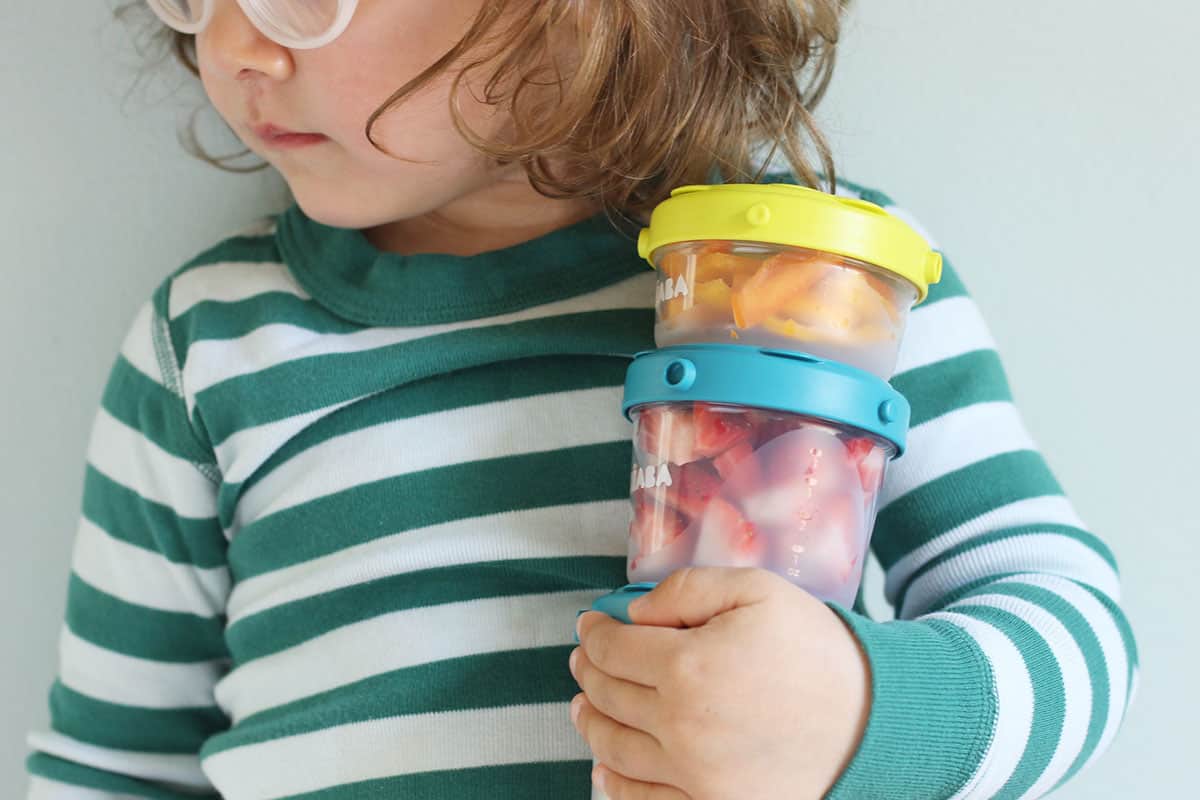
To counteract this, nutritional analysts suggest a "de-branding" of snack time. This involves offering "real food" in snack-sized portions. Examples include:
- Sliced hard-boiled eggs and whole-grain crackers.
- Greek yogurt with hemp seeds or berries.
- Leftover roasted vegetables from a previous dinner.
- Cheese slices with apple or pear sections.
By normalizing these foods as snacks, caregivers can ensure that the child is receiving a steady stream of vitamins and minerals throughout the day, rather than relying on the "nutritional catch-up" that often fails to occur during a fraught dinner hour.
Broader Impact on Family Dynamics and Long-term Health
The implications of a well-managed snack routine extend beyond the kitchen table. Structured feeding has been linked to lower levels of parental stress and a reduction in the "negotiation fatigue" that occurs when children ask for food every twenty minutes. When a schedule is firmly in place, the answer to "Can I have a snack?" changes from a potential conflict to a factual statement: "The kitchen is closed right now, but we will be having our afternoon snack at 3:00 PM."
From a long-term health perspective, teaching children to eat at set intervals helps to regulate insulin sensitivity and prevents the metabolic confusion associated with constant grazing. Furthermore, it fosters a "mindful eating" habit. Children who eat at a designated time and place are more likely to pay attention to their body’s satiety signals compared to children who eat while distracted or while moving from one activity to another.
Conclusion and Practical Implementation
The transition from viewing snacks as a problem to viewing them as a strategic tool requires a shift in both mindset and household organization. By establishing a consistent timeline—such as the 7-10-12-3-5:30 model—and ensuring that those eating opportunities are nutritionally substantive, caregivers can meet the physiological needs of their toddlers while maintaining domestic order.
As the YTF Community and other pediatric resources suggest, the goal is not to restrict a child’s access to food, but to provide a reliable structure in which they can thrive. When snacks are ample, scheduled, and balanced, they cease to be a source of dietary concern and instead become a vital component of a healthy, growing child’s daily routine. This systemic approach to childhood nutrition offers a path forward for families seeking to balance the demands of modern life with the foundational needs of early development.
