

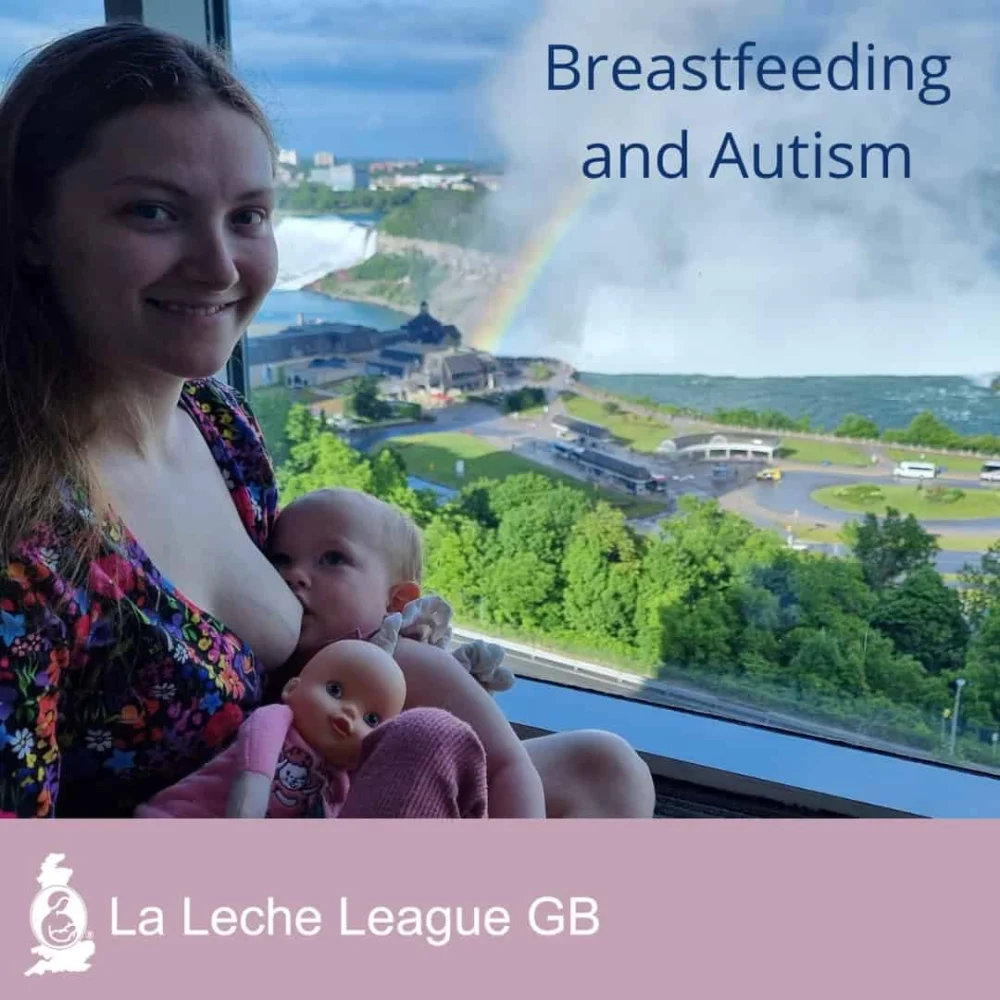
Autism, recognized as a neurodevelopmental difference, profoundly shapes an individual’s perception and interaction with the world. Often described as neurodivergent, autistic people experience a spectrum of abilities and challenges that can fluctuate significantly based on environmental and situational factors. This understanding is critical when considering the multifaceted experiences of autistic parents choosing to breastfeed, or parents nurturing an autistic child through breastfeeding. The intersection of neurodiversity and infant feeding presents unique opportunities for connection and well-being, alongside specific considerations that necessitate individualized and informed support.
The Unseen Journey: Autistic Parents and Breastfeeding
The landscape of autism diagnosis has historically been skewed, particularly for women, leading to a substantial portion of the autistic population remaining undiagnosed. In England, for instance, while approximately 0.82% of the population receives an autism diagnosis, an estimated 72% of autistic individuals may be undiagnosed, a statistic with profound implications for healthcare provision. This diagnostic disparity means that many autistic women and parents navigate maternity care and breastfeeding support without a formal recognition of their neurodivergent needs. The inherent diversity within the autistic spectrum dictates that support must be highly individualised, moving beyond conventional approaches that may inadvertently exclude or overwhelm. Many autistic women have mastered "masking," a coping mechanism where they suppress their natural behaviors to conform to neurotypical expectations, often at significant personal cost, and this can prevent them from openly seeking or articulating the support they require.
Unique Strengths and Challenges in Autistic Parenthood
Breastfeeding for autistic parents is not merely a biological function; it can be a deeply personal and often empowering experience, marked by both distinctive strengths and specific challenges.
-
Positive Aspects: Many autistic women articulate a profound sense of calm and quietude derived from breastfeeding. This act offers a protected time for rest and connection, serving as a restorative ritual in the often-chaotic postpartum period. The focused nature of breastfeeding can be deeply satisfying, fostering a sense of empowerment and control over one’s body and parenting journey. Furthermore, autistic individuals frequently demonstrate exceptional aptitude for in-depth research and independent information gathering. This strength often translates into a comprehensive understanding of breastfeeding mechanics and benefits, leading to a remarkable determination and commitment to their feeding goals. These parents are often highly informed and dedicated, which can be a significant asset in overcoming potential hurdles.
-
Communication Nuances: Communication differences are a hallmark of autism, varying widely among individuals and even situationally. Some autistic individuals may experience situational mutism, where their ability to verbally communicate is intermittently or entirely compromised in specific contexts, despite being verbal at other times. This can pose significant barriers when interacting with healthcare providers or seeking support in traditional, verbally-oriented settings. Recognizing this, healthcare providers and support groups are increasingly encouraged to offer a diverse array of communication methods. Options such as written communication (via text, email, or a dedicated help form), typing on a phone, visual aids like picture cards, or even sign language, can ensure that autistic parents can effectively express their needs and concerns, fostering a more inclusive and responsive support environment.
-
Sensory Processing Differences: Autistic individuals often experience sensory input in unique ways, with senses either heightened or diminished. This can lead to intense reactions to stimuli that neurotypical individuals might barely notice. For breastfeeding parents, sensory differences can manifest in various ways:
- Touch: The sensation of a baby latching, milk let-down, or even the feeling of their own skin during feeding can be intensely pleasurable or overwhelmingly aversive. The texture of clothing, blankets, or even the baby’s skin can be a factor.
- Sound: The sounds associated with breastfeeding, such as gulping, sucking, or even a baby’s cries, might be amplified or distressing. Busy or loud environments can make feeding impossible due to sensory overload.
- Smell and Taste: The scent of milk, baby, or even personal hygiene products can be either comforting or repellent.
- Sight: Bright lights, cluttered environments, or even direct eye contact can be overwhelming.
- Interoception: Difficulties with interoception, the sense of internal bodily states, can mean an autistic parent might struggle to recognize hunger, thirst, or even the physical cues associated with milk production or let-down, potentially impacting feeding regularity and supply.
Support providers must be acutely aware of these potential sensory triggers and work with the parent to create a feeding environment that minimizes distress and maximizes comfort. This might involve dimming lights, reducing noise, using specific textures, or finding a private, predictable space.
-
Accessing Support and Addressing Trauma: The journey to accessing standard breastfeeding support can be fraught with difficulties for autistic parents. Many find the typical group setting of local breastfeeding meet-ups overwhelming due to unpredictable social dynamics, noise levels, and unfamiliar environments. The lack of explicit information or visual guides about what to expect at such groups can exacerbate anxiety. Furthermore, the societal pressure to mask, coupled with an inherent difficulty in initiating requests for additional help, often means autistic parents struggle in silence. The impact of past experiences, particularly in healthcare settings, is also a significant factor. Autistic individuals have a higher prevalence of Post Traumatic Stress Disorder (PTSD) compared to neurotypical populations, often stemming from experiences where their autonomy was disregarded or their needs misunderstood. This can make interactions with maternity services particularly challenging, leading to a profound distrust or reluctance to seek help. Anxiety about phone calls, a common issue for many autistic individuals, can further isolate parents from national helplines or local support contacts. Recognizing these barriers, services offering written help forms or one-on-one, pre-arranged support in a controlled environment can be invaluable.
Supporting Autistic Parents: A Call for Inclusive Care
To truly support autistic parents in their breastfeeding journey, a paradigm shift towards truly inclusive and trauma-informed care is essential.
-
Tailored Approaches: Healthcare professionals and lactation consultants must move beyond a "one-size-fits-all" model. This means offering flexible communication options, providing clear and concise information without jargon, utilizing visual aids (e.g., diagrams, step-by-step instructions), and respecting an individual’s need for a calm, predictable environment. Offering choices and validating their experiences are paramount. For group settings, providing detailed pre-visit information, including photos of the venue and a clear agenda, can significantly reduce anxiety. Allowing a support person to accompany the parent is also crucial.

-
The Role of Healthcare Professionals and Support Networks: Training for all maternal and child health professionals on neurodiversity is vital. This includes understanding the nuances of autistic communication, sensory processing, and the potential for masking. Organisations like La Leche League, by offering diverse support channels such as written help forms, demonstrate a commitment to accessibility. Building trust through consistent, empathetic, and non-judgmental interactions is fundamental.
-
Addressing Trauma: A trauma-informed approach recognizes the widespread impact of trauma and incorporates this understanding into all aspects of care. For autistic parents, this means prioritizing autonomy, ensuring transparency in procedures, offering control over their environment and choices, and being mindful of sensory triggers that could re-traumatize.
Breastfeeding an Autistic Child: Nurturing Neurodivergent Needs
While adult autism diagnoses are often delayed, rates of autism diagnosis in children are increasing, leading to a greater awareness of neurodivergent needs from infancy. The World Health Organisation (WHO) recommends breastfeeding for two years and beyond, with the natural age of weaning estimated between 2.5 and 7 years. For children who are autistic or suspected to be neurodivergent, breastfeeding can play an especially vital role, though it may also introduce additional considerations for parents.
-
Rising Diagnoses and Extended Breastfeeding: As our understanding of neurodiversity expands, so does the recognition of its early manifestations. Breastfeeding, particularly extended breastfeeding, offers more than just nutrition; it provides consistent comfort, a predictable sensory experience, and a powerful tool for co-regulation, which can be profoundly important for an autistic child navigating a world that often feels overwhelming.
-
Sensory-Informed Feeding for Children: Just as autistic parents experience sensory differences, so too do autistic children. This can significantly impact their feeding patterns and preferences.
- Regulation and Comfort: Many autistic children instinctively seek out breastfeeding very frequently as a means of self-regulation. When feeling overwhelmed, anxious, or overstimulated by a busy, loud, or unfamiliar environment, returning to the breast offers a familiar scent, taste, and touch, providing immediate comfort and a pathway back to a regulated state.
- Sensory Sensitivities and Aversions: Conversely, sensory sensitivities can also make feeding challenging. A child might struggle to feed if they are bothered by the temperature of the room, the feel of their clothing, or specific sounds or smells in their environment. These sensitivities can lead to a child wanting to breastfeed less often or only in very specific, controlled conditions. Parents often find success by carefully observing and modifying the feeding environment to reduce or avoid the sensory input causing distress.
-
"High Needs" and Intensive Closeness: Many babies and children are described as "high needs," characterized by an intense desire for closeness to their primary caregiver. While this is a normal developmental stage, it can be particularly pronounced and prolonged in neurodivergent children. This intense need for proximity and frequent feeding can be physically and emotionally demanding for parents. Consequently, prioritizing parental self-care and actively seeking support from family, friends, and like-minded communities becomes not just beneficial, but essential, especially during the demanding early years.
-
Navigating Weaning and Food Aversions: The process of weaning can present unique challenges for parents of autistic children. Communication differences can make it difficult for children to understand boundaries or express their feelings about changes in feeding routines. Sensory issues, such as strong preferences or aversions to certain textures, tastes, smells, or even the appearance of solid foods, can significantly complicate the introduction of complementary foods. Breastfeeding may remain a primary source of nutrition and comfort if a child struggles with a limited diet due to sensory-based food aversions.
Interoception difficulties can also play a role, as an autistic child might struggle to recognize feelings of hunger, thirst, or fullness, leading to inconsistent eating patterns or an over-reliance on breastfeeding.
While many mothers choose to continue breastfeeding until their child self-weans, or to nurse responsively "on demand" into toddlerhood and beyond, others may opt to set gentle boundaries. These boundaries might involve limiting the number or length of feeds, or specifying when and where breastfeeding takes place. For parents seeking to introduce boundaries or initiate weaning, especially when communication is a challenge, professional guidance from an LLL Leader or lactation consultant can be invaluable.
Strategies for managing these transitions include:- Visual Schedules and Social Stories: Preparing the child for changes in routine through visual aids can help manage expectations and reduce anxiety.
- Offering Alternatives for Comfort: Providing cuddles, special activities, or other comforting items can help fulfill the child’s need for connection and regulation outside of breastfeeding.
- Clear Cues and Consistency: Establishing clear verbal cues and maintaining consistent routines around feeding times can help the child understand expectations.
- Gradual Reduction: Implementing a slow, gradual reduction in feeding frequency or duration is often more effective than abrupt changes.
- Distraction Techniques: Engaging the child in other activities during usual feeding times can help redirect their focus.
- Focus on Other Nutrition: Ensuring the child receives adequate nutrition and hydration from other sources is crucial, especially if they are struggling with solid foods.
Continuing to breastfeed into toddlerhood and beyond provides a rich array of benefits, including sustained nutritional support, particularly for children with limited diets, and ongoing emotional and developmental advantages for both mother and child.
Implications and Future Directions: Building a More Inclusive Breastfeeding Landscape
The insights gained from understanding the intersection of autism and breastfeeding underscore a critical need for systemic improvements in maternal healthcare and lactation support. The increasing recognition of neurodiversity demands that policies and practices evolve to be more inclusive, flexible, and person-centered.
-
Policy and Practice: Healthcare systems must integrate neurodiversity-affirming care principles into all maternal and child health services. This involves allocating resources for training, developing accessible communication tools, and fostering environments that prioritize individual autonomy and sensory comfort.
-
Education and Awareness: Broad-based education campaigns are needed to increase public understanding of neurodiversity, destigmatize autism, and highlight the unique needs and strengths of autistic parents and children. Professional development for healthcare providers must include comprehensive modules on autism, sensory processing differences, and trauma-informed care.

-
Community and Advocacy: Organizations like La Leche League and various autism advocacy groups play a pivotal role in creating supportive communities, disseminating information, and advocating for policy changes. Their efforts are crucial in empowering families and ensuring that every parent, regardless of their neurotype, receives the support they need to make informed decisions about infant feeding.
In conclusion, the journey of breastfeeding for autistic parents and parents of autistic children is a testament to the diverse and complex tapestry of human experience. By embracing neurodiversity, understanding its nuances, and providing compassionate, individualized, and accessible support, we can empower more families to navigate this journey with confidence, fostering well-being and strong connections that last a lifetime.
Written by Emily Lunny, November 2023. Review due November 2026.
Photos courtesy of Sophie Burrows and Emily Lunny.
Further Reading
Dysphoric Milk Ejection Reflex (D-MER)
Still Nursing after 1 year
Supporting a breastfeeding mother
Weaning from the breast
Online Information
Maternity Autism Research Group (MARG)
References
[1] O’Nions, E. et al., 2023
[2] Hampton, S. et al., 2021
[3] Hampton, S. et al., 2021
[4] Grant, A. et al. 2022
[5] Rumball, F., Happé, F. and Grey, N., 2020
[6] Grant, A. et al., 2022
[7] Crane, L. et al., 2018
[8] Dettwyler, K.A., 1999
Copyright LLLGB 2023
Breastfeeding and Autism: A Comprehensive Guide to Inclusive Support
Autism, recognized as a neurodevelopmental difference, profoundly shapes an individual’s perception and interaction with the world. Often described as neurodivergent, autistic people experience a spectrum of abilities and challenges that can fluctuate significantly based on environmental and situational factors. This understanding is critical when considering the multifaceted experiences of autistic parents choosing to breastfeed, or parents nurturing an autistic child through breastfeeding. The intersection of neurodiversity and infant feeding presents unique opportunities for connection and well-being, alongside specific considerations that necessitate individualized and informed support.
The Unseen Journey: Autistic Parents and Breastfeeding
The landscape of autism diagnosis has historically been skewed, particularly for women, leading to a substantial portion of the autistic population remaining undiagnosed. In England, for instance, while approximately 0.82% of the population receives an autism diagnosis, an estimated 72% of autistic individuals may be undiagnosed, a statistic with profound implications for healthcare provision. This diagnostic disparity means that many autistic women and parents navigate maternity care and breastfeeding support without a formal recognition of their neurodivergent needs. The inherent diversity within the autistic spectrum dictates that support must be highly individualised, moving beyond conventional approaches that may inadvertently exclude or overwhelm. Many autistic women have mastered "masking," a coping mechanism where they suppress their natural behaviors to conform to neurotypical expectations, often at significant personal cost, and this can prevent them from openly seeking or articulating the support they require.
Unique Strengths and Challenges in Autistic Parenthood
Breastfeeding for autistic parents is not merely a biological function; it can be a deeply personal and often empowering experience, marked by both distinctive strengths and specific challenges.

-
Positive Aspects: Many autistic women articulate a profound sense of calm and quietude derived from breastfeeding. This act offers a protected time for rest and connection, serving as a restorative ritual in the often-chaotic postpartum period. The focused nature of breastfeeding can be deeply satisfying, fostering a sense of empowerment and control over one’s body and parenting journey. Furthermore, autistic individuals frequently demonstrate exceptional aptitude for in-depth research and independent information gathering. This strength often translates into a comprehensive understanding of breastfeeding mechanics and benefits, leading to a remarkable determination and commitment to their feeding goals. These parents are often highly informed and dedicated, which can be a significant asset in overcoming potential hurdles.
-
Communication Nuances: Communication differences are a hallmark of autism, varying widely among individuals and even situationally. Some autistic individuals may experience situational mutism, where their ability to verbally communicate is intermittently or entirely compromised in specific contexts, despite being verbal at other times. This can pose significant barriers when interacting with healthcare providers or seeking support in traditional, verbally-oriented settings. Recognizing this, healthcare providers and support groups are increasingly encouraged to offer a diverse array of communication methods. Options such as written communication (via text, email, or a dedicated help form), typing on a phone, visual aids like picture cards, or even sign language, can ensure that autistic parents can effectively express their needs and concerns, fostering a more inclusive and responsive support environment.
-
Sensory Processing Differences: Autistic individuals often experience sensory input in unique ways, with senses either heightened or diminished. This can lead to intense reactions to stimuli that neurotypical individuals might barely notice. For breastfeeding parents, sensory differences can manifest in various ways:
- Touch: The sensation of a baby latching, milk let-down, or even the feeling of their own skin during feeding can be intensely pleasurable or overwhelmingly aversive. The texture of clothing, blankets, or even the baby’s skin can be a factor.
- Sound: The sounds associated with breastfeeding, such as gulping, sucking, or even a baby’s cries, might be amplified or distressing. Busy or loud environments can make feeding impossible due to sensory overload.
- Smell and Taste: The scent of milk, baby, or even personal hygiene products can be either comforting or repellent.
- Sight: Bright lights, cluttered environments, or even direct eye contact can be overwhelming.
- Interoception: Difficulties with interoception, the sense of internal bodily states, can mean an autistic parent might struggle to recognize hunger, thirst, or even the physical cues associated with milk production or let-down, potentially impacting feeding regularity and supply.
Support providers must be acutely aware of these potential sensory triggers and work with the parent to create a feeding environment that minimizes distress and maximizes comfort. This might involve dimming lights, reducing noise, using specific textures, or finding a private, predictable space.
-
Accessing Support and Addressing Trauma: The journey to accessing standard breastfeeding support can be fraught with difficulties for autistic parents. Many find the typical group setting of local breastfeeding meet-ups overwhelming due to unpredictable social dynamics, noise levels, and unfamiliar environments. The lack of explicit information or visual guides about what to expect at such groups can exacerbate anxiety. Furthermore, the societal pressure to mask, coupled with an inherent difficulty in initiating requests for additional help, often means autistic parents struggle in silence. The impact of past experiences, particularly in healthcare settings, is also a significant factor. Autistic individuals have a higher prevalence of Post Traumatic Stress Disorder (PTSD) compared to neurotypical populations, often stemming from experiences where their autonomy was disregarded or their needs misunderstood. This can make interactions with maternity services particularly challenging, leading to a profound distrust or reluctance to seek help. Anxiety about phone calls, a common issue for many autistic individuals, can further isolate parents from national helplines or local support contacts. Recognizing these barriers, services offering written help forms or one-on-one, pre-arranged support in a controlled environment can be invaluable.
Supporting Autistic Parents: A Call for Inclusive Care
To truly support autistic parents in their breastfeeding journey, a paradigm shift towards truly inclusive and trauma-informed care is essential.
-
Tailored Approaches: Healthcare professionals and lactation consultants must move beyond a "one-size-fits-all" model. This means offering flexible communication options, providing clear and concise information without jargon, utilizing visual aids (e.g., diagrams, step-by-step instructions), and respecting an individual’s need for a calm, predictable environment. Offering choices and validating their experiences are paramount. For group settings, providing detailed pre-visit information, including photos of the venue and a clear agenda, can significantly reduce anxiety. Allowing a support person to accompany the parent is also crucial.
-
The Role of Healthcare Professionals and Support Networks: Training for all maternal and child health professionals on neurodiversity is vital. This includes understanding the nuances of autistic communication, sensory processing, and the potential for masking. Organisations like La Leche League, by offering diverse support channels such as written help forms, demonstrate a commitment to accessibility. Building trust through consistent, empathetic, and non-judgmental interactions is fundamental.
-
Addressing Trauma: A trauma-informed approach recognizes the widespread impact of trauma and incorporates this understanding into all aspects of care. For autistic parents, this means prioritizing autonomy, ensuring transparency in procedures, offering control over their environment and choices, and being mindful of sensory triggers that could re-traumatize.
Breastfeeding an Autistic Child: Nurturing Neurodivergent Needs
While adult autism diagnoses are often delayed, rates of autism diagnosis in children are increasing, leading to a greater awareness of neurodivergent needs from infancy. The World Health Organisation (WHO) recommends breastfeeding for two years and beyond, with the natural age of weaning estimated between 2.5 and 7 years. For children who are autistic or suspected to be neurodivergent, breastfeeding can play an especially vital role, though it may also introduce additional considerations for parents.
-
Rising Diagnoses and Extended Breastfeeding: As our understanding of neurodiversity expands, so does the recognition of its early manifestations. Breastfeeding, particularly extended breastfeeding, offers more than just nutrition; it provides consistent comfort, a predictable sensory experience, and a powerful tool for co-regulation, which can be profoundly important for an autistic child navigating a world that often feels overwhelming.
-
Sensory-Informed Feeding for Children: Just as autistic parents experience sensory differences, so too do autistic children. This can significantly impact their feeding patterns and preferences.

- Regulation and Comfort: Many autistic children instinctively seek out breastfeeding very frequently as a means of self-regulation. When feeling overwhelmed, anxious, or overstimulated by a busy, loud, or unfamiliar environment, returning to the breast offers a familiar scent, taste, and touch, providing immediate comfort and a pathway back to a regulated state.
- Sensory Sensitivities and Aversions: Conversely, sensory sensitivities can also make feeding challenging. A child might struggle to feed if they are bothered by the temperature of the room, the feel of their clothing, or specific sounds or smells in their environment. These sensitivities can lead to a child wanting to breastfeed less often or only in very specific, controlled conditions. Parents often find success by carefully observing and modifying the feeding environment to reduce or avoid the sensory input causing distress.
-
"High Needs" and Intensive Closeness: Many babies and children are described as "high needs," characterized by an intense desire for closeness to their primary caregiver. While this is a normal developmental stage, it can be particularly pronounced and prolonged in neurodivergent children. This intense need for proximity and frequent feeding can be physically and emotionally demanding for parents. Consequently, prioritizing parental self-care and actively seeking support from family, friends, and like-minded communities becomes not just beneficial, but essential, especially during the demanding early years.
-
Navigating Weaning and Food Aversions: The process of weaning can present unique challenges for parents of autistic children. Communication differences can make it difficult for children to understand boundaries or express their feelings about changes in feeding routines. Sensory issues, such as strong preferences or aversions to certain textures, tastes, smells, or even the appearance of solid foods, can significantly complicate the introduction of complementary foods. Breastfeeding may remain a primary source of nutrition and comfort if a child struggles with a limited diet due to sensory-based food aversions.
Interoception difficulties can also play a role, as an autistic child might struggle to recognize feelings of hunger, thirst, or fullness, leading to inconsistent eating patterns or an over-reliance on breastfeeding.
While many mothers choose to continue breastfeeding until their child self-weans, or to nurse responsively "on demand" into toddlerhood and beyond, others may opt to set gentle boundaries. These boundaries might involve limiting the number or length of feeds, or specifying when and where breastfeeding takes place. For parents seeking to introduce boundaries or initiate weaning, especially when communication is a challenge, professional guidance from an LLL Leader or lactation consultant can be invaluable.
Strategies for managing these transitions include:- Visual Schedules and Social Stories: Preparing the child for changes in routine through visual aids can help manage expectations and reduce anxiety.
- Offering Alternatives for Comfort: Providing cuddles, special activities, or other comforting items can help fulfill the child’s need for connection and regulation outside of breastfeeding.
- Clear Cues and Consistency: Establishing clear verbal cues and maintaining consistent routines around feeding times can help the child understand expectations.
- Gradual Reduction: Implementing a slow, gradual reduction in feeding frequency or duration is often more effective than abrupt changes.
- Distraction Techniques: Engaging the child in other activities during usual feeding times can help redirect their focus.
- Focus on Other Nutrition: Ensuring the child receives adequate nutrition and hydration from other sources is crucial, especially if they are struggling with solid foods.
Continuing to breastfeed into toddlerhood and beyond provides a rich array of benefits, including sustained nutritional support, particularly for children with limited diets, and ongoing emotional and developmental advantages for both mother and child.
Implications and Future Directions: Building a More Inclusive Breastfeeding Landscape
The insights gained from understanding the intersection of autism and breastfeeding underscore a critical need for systemic improvements in maternal healthcare and lactation support. The increasing recognition of neurodiversity demands that policies and practices evolve to be more inclusive, flexible, and person-centered.
-
Policy and Practice: Healthcare systems must integrate neurodiversity-affirming care principles into all maternal and child health services. This involves allocating resources for training, developing accessible communication tools, and fostering environments that prioritize individual autonomy and sensory comfort.
-
Education and Awareness: Broad-based education campaigns are needed to increase public understanding of neurodiversity, destigmatize autism, and highlight the unique needs and strengths of autistic parents and children. Professional development for healthcare providers must include comprehensive modules on autism, sensory processing differences, and trauma-informed care.
-
Community and Advocacy: Organizations like La Leche League and various autism advocacy groups play a pivotal role in creating supportive communities, disseminating information, and advocating for policy changes. Their efforts are crucial in empowering families and ensuring that every parent, regardless of their neurotype, receives the support they need to make informed decisions about infant feeding.
In conclusion, the journey of breastfeeding for autistic parents and parents of autistic children is a testament to the diverse and complex tapestry of human experience. By embracing neurodiversity, understanding its nuances, and providing compassionate, individualized, and accessible support, we can empower more families to navigate this journey with confidence, fostering well-being and strong connections that last a lifetime.
Written by Emily Lunny, November 2023. Review due November 2026.
Photos courtesy of Sophie Burrows and Emily Lunny.
