

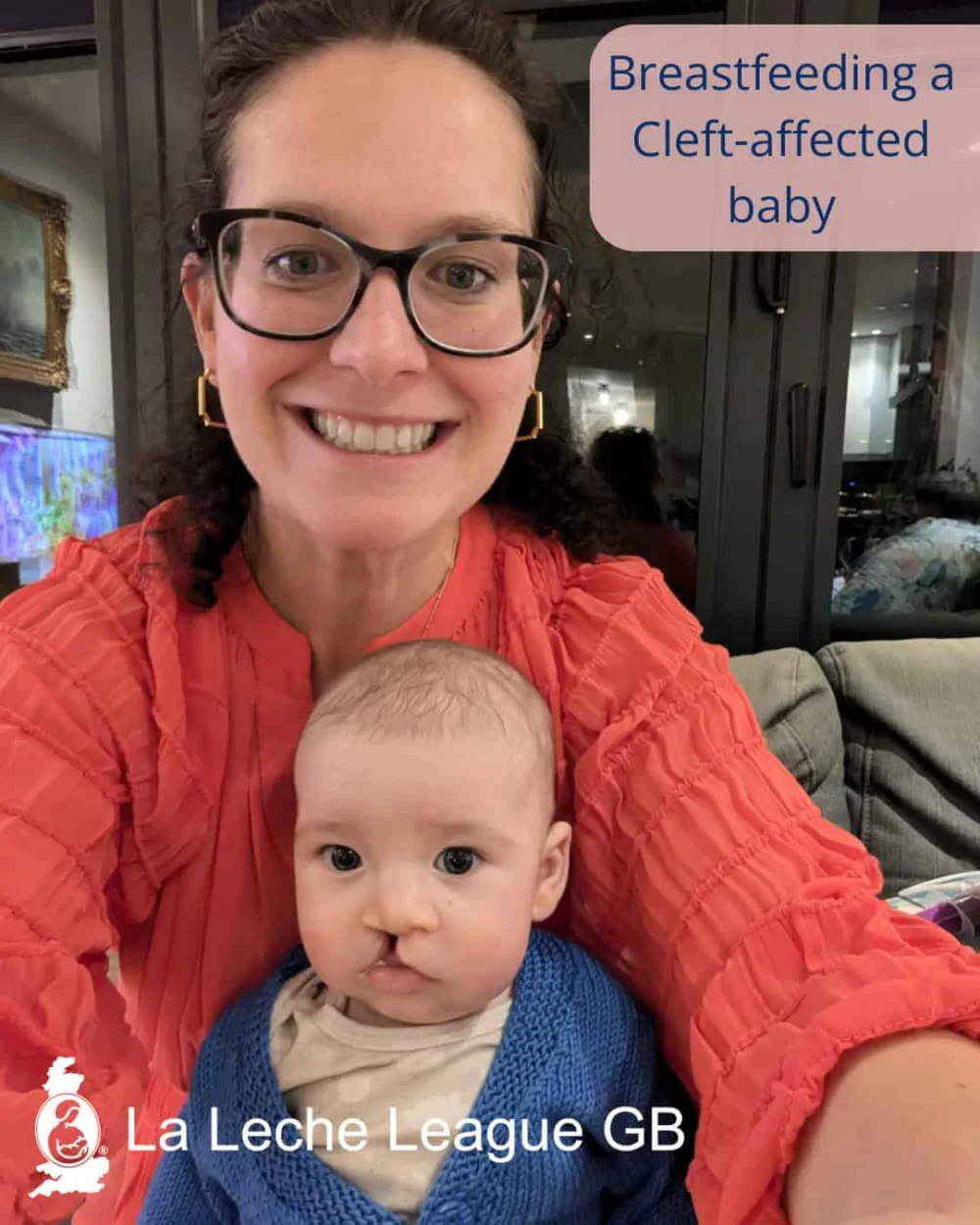
The remarkable journey of Sarah Muir-Little and her son, Russell, offers a compelling case study in maternal determination and innovative feeding strategies for infants born with cleft lip and palate. Diagnosed antenatally with a condition that medical professionals often deem incompatible with traditional breastfeeding, Sarah Muir-Little defied conventional wisdom, meticulously crafting a unique approach that allowed her to breastfeed Russell, fostering a profound bond and delivering crucial health benefits. This narrative transcends a personal anecdote, highlighting critical gaps in specialized breastfeeding support and underscoring the resilience required by families navigating complex medical conditions.
Understanding Cleft Lip and Palate: A Medical Overview
Cleft lip and palate are among the most common birth differences, affecting approximately 1 in 700 babies globally. This congenital condition occurs when the structures forming the baby’s upper lip or the roof of the mouth (palate) do not fully fuse during early fetal development. The severity can vary, ranging from a small notch in the lip to a complete separation of the lip and palate, potentially extending into the nose. Cleft lip alone may allow for breastfeeding with certain adaptations, as the baby can still form a seal around the nipple. However, a cleft palate presents a more significant challenge because it prevents the infant from generating the necessary suction pressure to extract milk from the breast. This anatomical barrier is typically corrected through a series of surgeries, often beginning within the first year of life. The Cleft Lip and Palate Association (CLAPA) serves as a vital resource in the UK, providing comprehensive support and information to affected families.
The Antenatal Diagnosis: A Shift in Expectation
For Sarah Muir-Little, the diagnosis arrived amidst a period of considerable emotional strain. Six weeks prior to her 20-week scan, her father-in-law had been admitted to intensive care, diverting much of the family’s emotional energy. The initial relief of a healthy pregnancy check-up quickly dissipated when the sonographer, after revealing the baby’s gender, posed the unexpected question: "Have you heard of a cleft lip?" This casual inquiry marked the beginning of a challenging chapter. A subsequent consultation with a midwife delivered the stark news that her baby’s cleft lip and palate would likely preclude breastfeeding. This pronouncement was deeply unsettling for Sarah, who had only recently weaned her toddler in anticipation of nursing her new baby. Breastfeeding had been a cornerstone of her maternal identity, and the perceived loss triggered a significant sense of grief.
However, a glimmer of hope emerged from a specialist nurse, who clarified that a form of breastfeeding journey might still be possible, albeit one that would undoubtedly differ from her previous experience. The extent of the challenge, particularly regarding the palate, would remain uncertain until Russell’s birth. If the palate was indeed affected, the absence of suction would make direct breastfeeding highly improbable. The nurse also outlined the typical surgical pathway for cleft repair: two operations within the first year to address the lip and palate, with potential for further procedures later in childhood. This information, while providing clarity, also underscored the complex medical road ahead.
Research and Preparation: Charting an Unconventional Path
Determined to explore every possibility, Sarah embarked on an extensive research mission. She scoured the websites of CLAPA and La Leche League (LLL), along with other medical resources, specifically searching for accounts of successful breastfeeding following palate surgery. The findings were sparse, highlighting the rarity of such outcomes, but they offered crucial insights: maintaining a robust milk supply and finding an effective method for milk delivery were paramount.
Sarah had a history of sufficient milk production for her toddler, a factor she felt was within her control. Despite a previous aversion to pumping due to low yield and single-sided functionality, she was confident that with improved knowledge and technique, she could meet the demanding milk requirements. The second point—milk delivery—presented a more significant hurdle. Her research pointed towards direct hand expression into the baby’s mouth or the use of a nursing supplementer. The latter, involving a system that delivers milk via a thin tube while the baby is latched, appeared to be the more practical long-term solution.
In the UK market, two primary nursing supplementer systems are available for cleft-affected infants. Sarah acquired both for evaluation. One operated on gravity, resulting in a slow flow, while the other featured a squeezable bottle for milk delivery. The squeezable system offered a more generous flow but was cumbersome to hold. Standard advice often suggested using the "dancer hand hold" for babies with feeding difficulties, a technique where the index finger and thumb form a ‘U’ shape to support the baby’s chin. However, practicing this hold with a doll and the supplementer proved unwieldy, leaving Sarah feeling that neither system, nor the recommended holds, felt intuitively right. This early experimentation underscored the intensely personal and often unconventional nature of navigating feeding with a cleft.
Developing a Bespoke Feeding System: Innovation at the Bedside
Russell’s arrival initiated the practical phase of their journey. In the initial days, he was fed expressed colostrum via a syringe, with a clean finger offered for non-nutritive sucking encouragement, while Sarah awaited her milk to establish. The plan was to transition to feeding at the breast with a supplementer. A serendipitous discovery occurred when a batch of ordered syringes, incompatible for direct feeding, perfectly fitted the supplementer tube. The midwife team then sourced larger syringes from the labour ward, which, with minor modifications—drilling a precise hole in their screw-on caps—could be adapted to integrate seamlessly with the supplementer tubing. This ingenious, albeit makeshift, adaptation highlights the necessity for parental creativity when standard solutions fall short. Medical professionals consistently advise strict adherence to safety guidelines for all feeding tools, emphasizing slow feeding and careful monitoring to prevent aspiration.
The conventional guidance for supplementer use involves either introducing the tube after the baby has latched or taping it to the breast pre-latch. Both methods presented challenges for Russell, whose latch was fragile due to his inability to create suction. Releasing the latch to insert a tube was unfeasible, and taping a long section of tubing proved too fiddly for a newborn’s small mouth. Sarah devised an alternative: taping the tube very close to the nipple, allowing for easier insertion into Russell’s mouth as he latched. This required experimenting with different tapes and positions to find a water-resistant solution that minimized milk loss and discomfort for both mother and baby. The initial period was marked by frustration and emotional distress, but Sarah’s unwavering determination eventually yielded a functional system capable of delivering an adequate milk volume at a controlled speed.
Navigating Early Weeks: Positioning, Perseverance, and Professional Scrutiny
The "dancer hold," despite its recommendation, continued to be a source of stress for Sarah and Russell. Achieving the correct positioning for a deep latch with the supplementer proved difficult, leading to repeated unlatching and distress. Sarah observed that Russell would calm and feed effectively when offered the non-taped breast with direct hand expression, confirming his hunger and her milk supply. The challenge lay in harmonizing a calm latch with the intricate supplementer setup.
Drawing on her prior experience, Sarah preferred the cradle hold, a position that felt most natural. A consultation with a specialist at Great Ormond Street Children’s Hospital validated this choice, acknowledging that while it might result in more milk spillage, maintaining a familiar and relaxed feeding environment was paramount for both mother and infant, especially for a newborn. Instead of adhering to specific cleft-related positioning advice like plugging the cleft with the breast or keeping the cleft side elevated, the focus remained on achieving calm feeds with a deep latch in the chosen cradle position. These early weeks were often messy, with milk loss around the tape, but Sarah deemed the effort entirely worthwhile for the benefits of breastfeeding.

Over time, mother and son developed a synchronized feeding rhythm. Sarah learned to pace the milk delivery via the syringe, pausing when Russell paused, ensuring the flow was neither too slow (requiring excessive sucking) nor too fast (overwhelming him). She also learned to manage Russell’s expectations during syringe refills, either putting him down or repositioning him to avoid distress from an abrupt halt in milk flow.
The visible nature of their feeding method sometimes led to misinterpretations. A friend, initially questioning Sarah’s extensive efforts, later understood the profound connection forged during these sessions, remarking, "I was already breastfeeding." Another friend, observing them from a distance, mistakenly concluded that the initial worries about breastfeeding had been unfounded. These affirming comments provided immense joy and validation.
However, the journey was not without its critics. A paediatrician, for instance, expressed reservations, stating that their method was not "recommended" in favor of "safe and effective" specialist cleft bottles. Such comments, particularly from healthcare professionals, were hurtful and demanded significant resilience to dismiss. Sarah, however, remained resolute, confident in their approach given Russell’s consistent weight gain and evident enjoyment of feeding at the breast. While she acknowledged the inconvenience of the supplementer, the overarching benefit of breastfeeding—fostering their bond and supporting Russell’s health—far outweighed any perceived drawbacks.
Evolving Strategies and Overcoming Setbacks
Around ten weeks of age, Russell began to show increased discomfort with the tape in his mouth. This prompted another adaptation: taping the tube much further from the nipple, and eventually, forgoing tape altogether. This progression demanded heightened coordination but became manageable as both mother and son gained experience.
The journey was punctuated by moments of perceived regression, where Russell would become upset or refuse to feed. In these instances, Sarah adopted a crucial perspective: recognizing Russell as a baby first, and a baby with a cleft second. She would first consider if the issue was a common infant behavior, such as distraction around three months of age. This approach often revealed that the feeding difficulties were typical developmental phases, not solely attributable to his cleft.
Post-Surgical Adaptations and the Long-Term Outlook
Russell recently underwent crucial surgery to reconstruct his lip and hard palate, marking a significant milestone in his medical journey. The immediate post-operative period presented new challenges. While recovering from morphine, Russell initially only accepted milk from a bottle. However, upon returning to the supplementer, he subsequently rejected bottles, perhaps associating them with the discomfort of his recovery, or simply finding the supplementer less effortful. This fluctuating preference underscored the ongoing need for adaptability.
The demands of expressing milk and managing all feeds can be exhausting, a reality Sarah openly acknowledges. Her husband’s unwavering support has been indispensable, from handling bottle washing and night feeds to providing emotional reassurance during difficult times. Their shared journey has been a testament to teamwork, navigating a complex path together.
Every day that Russell feeds at the breast with the supplementer is considered a bonus—a direct contribution to his health and the strengthening of their unique bond. The belief that any progress is better than not trying at all fuels their continued efforts. Sarah Muir-Little expresses immense pride in what they have achieved together, an accomplishment that transcends the mere act of feeding and embodies a profound commitment to her child’s well-being and their shared connection.
Broader Implications: Advocating for Enhanced Support
Sarah and Russell’s story carries significant implications for healthcare professionals and families facing similar diagnoses. It highlights the potential for individualized, adaptive breastfeeding solutions even in medically complex cases where traditional approaches are deemed impossible. The initial, definitive pronouncement that breastfeeding would be impossible for a baby with a cleft lip and palate reflects a potential gap in specialized, nuanced advice, particularly concerning alternative feeding methods that maintain the breast-milk bond.
The experience underscores the critical importance of a multi-disciplinary approach that not only addresses the surgical aspects of cleft care but also provides comprehensive, flexible feeding support. While specialist cleft bottles are indeed safe and effective, they should not be presented as the sole option, especially when parents express a strong desire to breastfeed. Healthcare professionals play a pivotal role in empowering parents by offering detailed information on supplementer use, proper positioning, milk expression techniques, and strategies for managing challenges unique to cleft-affected infants. Furthermore, parental determination, often fueled by an instinctual desire to provide the best for their child, should be respected and supported, not dismissed by rigid protocols.
Organizations like CLAPA and La Leche League are crucial in disseminating information and fostering peer support networks, which can be invaluable for parents navigating unconventional feeding journeys. Sarah’s reliance on these resources and her own ingenuity speaks volumes about the need for accessible, practical guidance that extends beyond standard medical recommendations. Ultimately, Russell’s breastfeeding journey is a powerful testament to the fact that with dedication, creativity, and the right support, the definition of "breastfeeding" can be expanded to embrace a spectrum of methods, all aimed at nurturing the child and strengthening the irreplaceable bond between mother and baby. The Muir-Little family’s perseverance offers a beacon of hope and a call for more personalized, empathetic care in the field of pediatric feeding challenges.
