

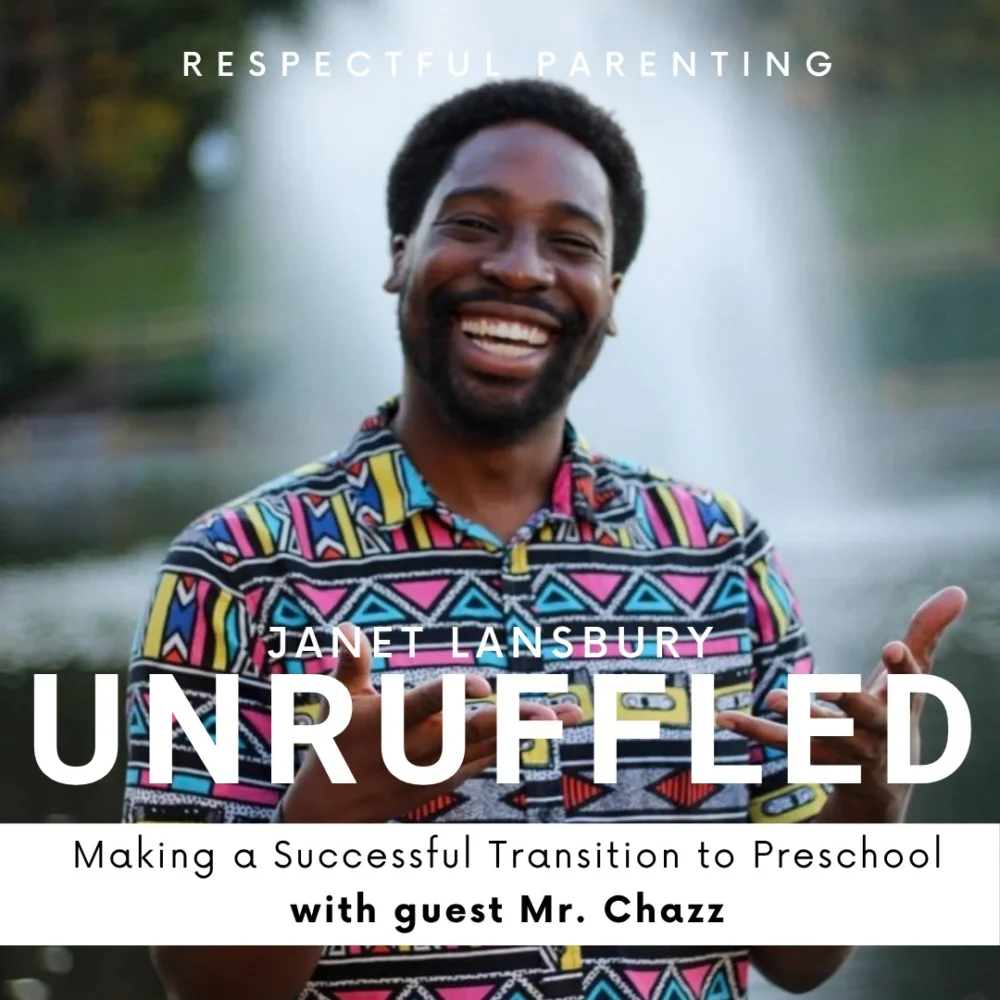
Renowned educator Mr. Chazz, celebrated for his insightful approach to child development and engagement with parents, recently joined Janet Lansbury on her podcast to discuss the crucial process of transitioning young children into preschool or childcare settings. The conversation, which took place in October 2025, underscored the paramount importance of trust and sustained connection in facilitating a confident and positive separation experience for both children and their families. Mr. Chazz, widely recognized as "America’s favorite teacher," shared his expertise, drawing from his extensive experience and his innovative work establishing the Birdhouse childcare center in Brooklyn.
The Foundation of Trust in Early Childhood Transitions
Mr. Chazz, a figure who has cultivated a significant following on platforms like TikTok and Instagram, as well as through his podcast "Learning Curve with Mr. Chazz," emphasized that the prevailing methods for preschool transitions in many traditional childcare settings are often suboptimal. He argued that these approaches frequently prioritize adult convenience over the developmental needs of children and the well-being of educators. "We often do things for the convenience of the adult rather than what’s best for the child or the teachers or even the family unit," Mr. Chazz stated, highlighting a systemic issue within early childhood education.
His own venture, Birdhouse, is designed to counteract these challenges. A key innovative element is housing the head teacher in a residential unit above the school. This arrangement aims to alleviate financial burdens on educators, such as rent, thereby freeing them from a state of "survival" and allowing them to fully engage their professional capacities in caring for the children. Mr. Chazz posited that educators who feel supported and cared for are better equipped to provide the high-quality emotional and educational support that young children require. This approach directly addresses the widely acknowledged issue of high teacher turnover in early childhood education, a factor that often compromises the consistency and stability crucial for children’s development.
Rethinking "Drop-off" and "Pick-up"
A significant focus of the discussion was the traditional model of "drop-off" and "pick-up," which Mr. Chazz described as often resembling the impersonal act of "dropping children off like Amazon packages." He advocated for a shift in language and practice, rebranding these moments as "arrival" and "reunion." This subtle but significant change signals a deeper philosophical commitment to acknowledging the emotional weight of separation for children and celebrating the reintegration into their school community.
At Birdhouse, the arrival process is intentionally designed to foster connection. Parents are invited to engage in a brief, personalized interaction with their child, which can include a high-five, hug, or fist bump, depending on the child’s preference. This is followed by a structured sequence of activities, often guided by visual aids: placing belongings in cubbies, removing shoes, and washing hands. This routine-based approach provides predictability and a sense of agency for the child, easing their entry into the school day.
"The arrival time is a time where they come in, they help their children wash their hands, they connect, it’s all focused on integrating them into the classroom and connecting a little bit more," Mr. Chazz explained. He acknowledged that this deliberate approach takes more time than a rushed drop-off but argued that it cultivates a sense of safety and belonging, which in turn facilitates a child’s engagement with learning and play.
Bridging the Gap: Strategies for Traditional Settings
While Birdhouse offers an ideal model, Mr. Chazz and Ms. Lansbury also addressed strategies for parents navigating more traditional childcare settings that may not allow for such extensive parental involvement.
Visual Routines and Preparation:
Mr. Chazz emphasized the power of visual aids. He described using simple, left-to-right visual routine cards that outline the steps of arrival. These cards, initially introduced with verbal guidance, quickly become a tool for children to self-direct their transition. This visual predictability helps children understand what to expect, reducing anxiety and fostering independence.
For parents unable to spend extended time at the school, Mr. Chazz suggested creating a personalized "picture book" of the school environment and daily schedule. This can help children visualize their day, build excitement, and provide a tangible reference point. Role-playing the arrival and departure process at home, using stuffed animals as fellow students and practicing playful goodbyes, can also significantly ease the transition. This "practice before the game" approach prepares children for the sequence of events and the emotional dynamics involved.
Open Communication with Educators:
The importance of open and detailed communication between parents and educators was repeatedly stressed. Mr. Chazz encouraged parents to share comprehensive information about their child’s routines, preferences, and any potential challenges, particularly regarding sensitive issues like naptime. He highlighted that in larger group settings, educators are actively working to understand each child’s unique "code" – their personality, habits, and home routines. Providing detailed information, even a lengthy list, is invaluable for teachers to gain attunement and offer personalized support.
Navigating Emotional Departures
The inevitable emotional responses of children during separation were a central theme. Mr. Chazz and Ms. Lansbury acknowledged that even with the best preparation, children may still experience sadness, disappointment, or frustration.
Validating and Regulating Emotions:
Instead of suppressing these emotions, Mr. Chazz advocated for acknowledging and validating them. He shared an anecdote where a child experiencing intense distress during circle time was not ignored but rather compassionately observed and supported by educators. The other children were guided to offer support through a collective deep breath, demonstrating how to regulate emotions collectively. This approach teaches children that their feelings are seen and accepted, and that they have a supportive community to help them through difficult moments.
"This moment feels like this," was a powerful phrase introduced, encouraging acceptance of the current emotional state without judgment or blame. Mr. Chazz stressed that children’s emotional displays are not an indictment of the parents’ actions but rather a natural expression of their deep connection and love. The act of saying goodbye to a loved one naturally evokes feelings, and these are signs of a strong bond, not a weakness.
The Role of the Caregiver’s Mindset:
Crucially, the caregiver’s mindset is identified as a key determinant in how challenging moments are navigated. Mr. Chazz emphasized that when caregivers approach these situations with a helpful mindset, confidence in their skills, and a belief in the child’s capacity to cope, they can transform potentially negative experiences into powerful learning opportunities. This perspective helps to de-escalate blame and fosters resilience.
He also noted that children’s intense emotional displays are often exhausting for them. Recognizing this can provide a different perspective for parents and educators, understanding that the child is not intentionally trying to create difficulty but is often expending significant emotional energy.
The Depth of the Teaching Profession
Mr. Chazz’s commitment to being directly involved in the classroom at Birdhouse, rather than solely focusing on speaking engagements, highlights his deep dedication to the practice of early childhood education. He described the work as emotionally demanding but profoundly rewarding, representing a "mile deep" engagement compared to a "mile wide" approach.
He extended a message of solidarity and appreciation to fellow early childhood professionals, acknowledging the inherent difficulties of the job while celebrating its immense rewards. "There’s nothing more rewarding than being with my kids day in and day out and supporting them and practicing my skills and supporting the parents and teaching the parents," he asserted. He specifically pointed to moments of breakthrough, where a child’s intense emotions shift after feeling understood, as profoundly motivating and validating.
Ms. Lansbury echoed these sentiments, reflecting on her own experiences and the continuous learning that the field of early childhood education offers. She noted how children teach invaluable life lessons and foster deep personal growth in educators.
Conclusion: Fostering Confidence Through Connection
The overarching message from Mr. Chazz and Janet Lansbury is that successful preschool transitions are built on a foundation of trust, consistent connection, and a deep understanding of children’s emotional needs. By reframing interactions, employing strategic preparation, and fostering a supportive environment for both children and educators, the often-challenging process of separation can be transformed into a positive and empowering experience. The insights shared offer practical guidance for parents and educators alike, emphasizing the profound impact of a compassionate and developmentally informed approach to early childhood education. The success of Birdhouse serves as a testament to the power of prioritizing connection and well-being in creating optimal learning environments for young children.
