

The postpartum period, often referred to by healthcare professionals as the "fourth trimester," represents a critical window for physiological recovery and psychological adjustment. During this time, the nutritional intake of the birthing parent is a primary determinant of healing, energy restoration, and, if applicable, the successful establishment of lactation. As the medical community increasingly emphasizes the importance of holistic postnatal care, the role of nutrient-dense, easily accessible meals has transitioned from a matter of domestic convenience to a pillar of maternal health strategy. Experts suggest that the ideal postpartum diet focuses on high-quality proteins, complex carbohydrates, and essential micronutrients—specifically iron, fiber, and healthy fats—to combat the common challenges of fatigue, hormonal fluctuations, and tissue repair.
The Clinical Importance of Postpartum Nutritional Intervention
The physiological demands placed on a body following childbirth are substantial. According to data from the American College of Obstetricians and Gynecologists (ACOG), the postpartum period requires a recalibration of nutrient intake to address blood loss during delivery and the high metabolic cost of breastfeeding. For individuals who are lactating, the body requires an estimated 450 to 500 additional calories per day. However, the quality of these calories is as significant as the quantity.
Iron deficiency remains one of the most prevalent concerns in the weeks following birth. Replenishing iron stores is essential for mitigating postpartum fatigue and supporting the immune system. Simultaneously, high fiber intake is clinically recommended to manage gastrointestinal changes and prevent constipation, a common secondary effect of both hormonal shifts and certain pain medications used during delivery. Furthermore, protein provides the necessary amino acids for tissue repair, particularly for those recovering from cesarean sections or perineal tears.

Strategic Breakfast Solutions for Sustained Energy
In the immediate weeks following the arrival of a neonate, traditional meal times often become fragmented due to erratic sleep schedules. Breakfast, therefore, must be designed for maximum efficiency and nutritional density.

Whole Grain and Fiber-Rich Options
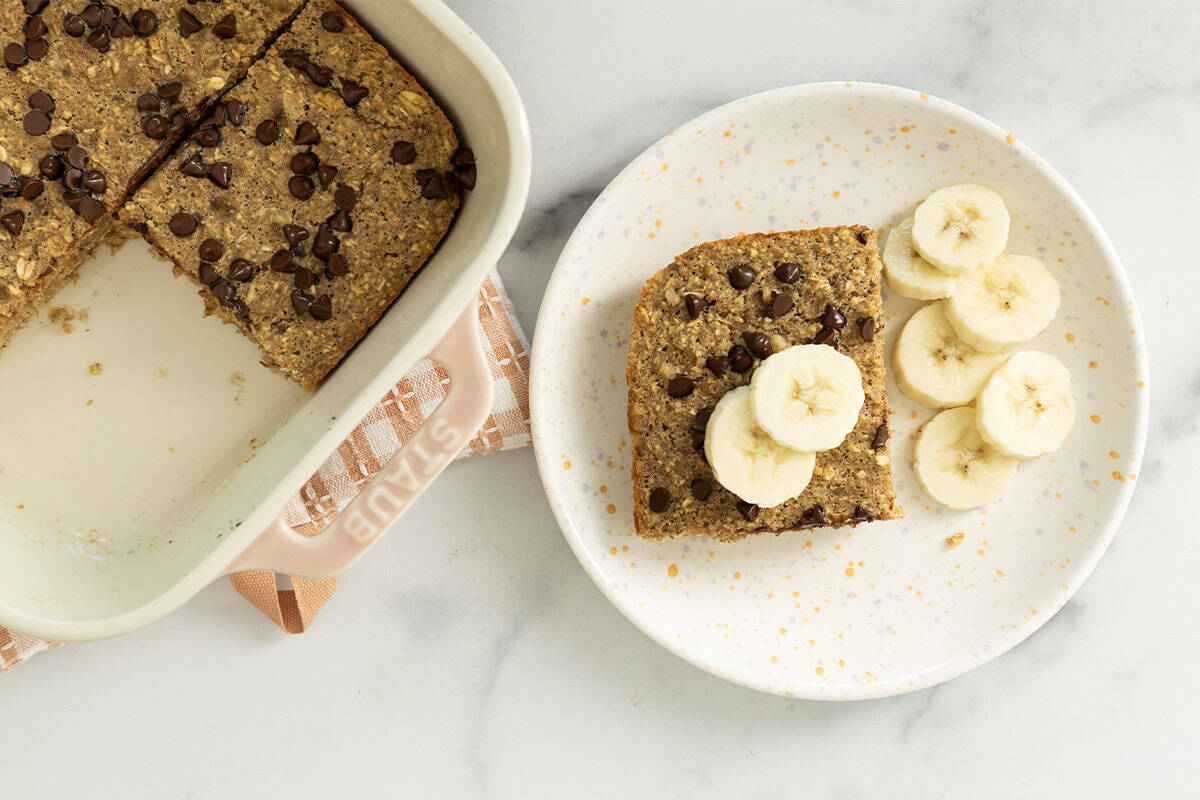
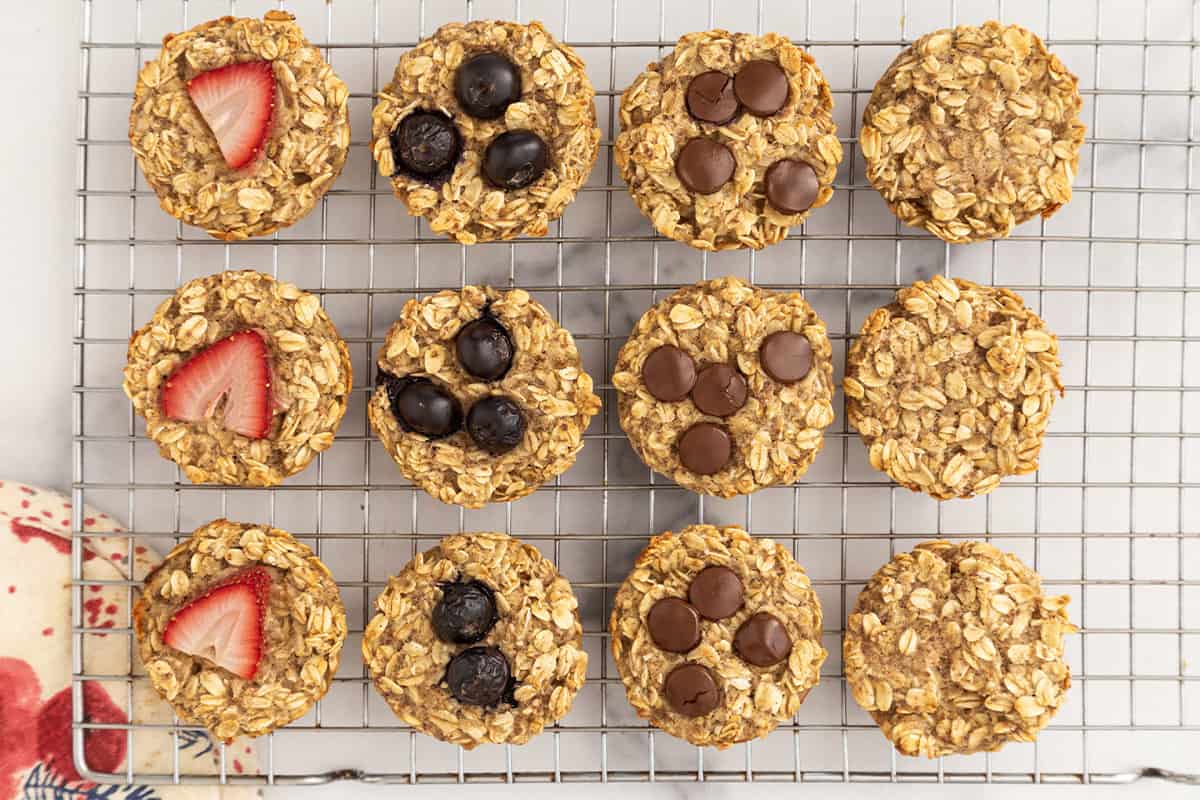
Oats are frequently cited by nutritionists as a premier postpartum food due to their high fiber content and potential galactagogue properties, which may support milk supply. Banana Bread Baked Oatmeal and customizable Oatmeal Cups serve as effective vehicles for whole grains. These dishes can be prepared in large batches, sliced, and refrigerated or frozen. Unlike refined cereal products, the complex carbohydrates in oats provide a slow release of glucose, preventing the "sugar crashes" that can exacerbate postpartum mood swings.
Portable Protein Sources
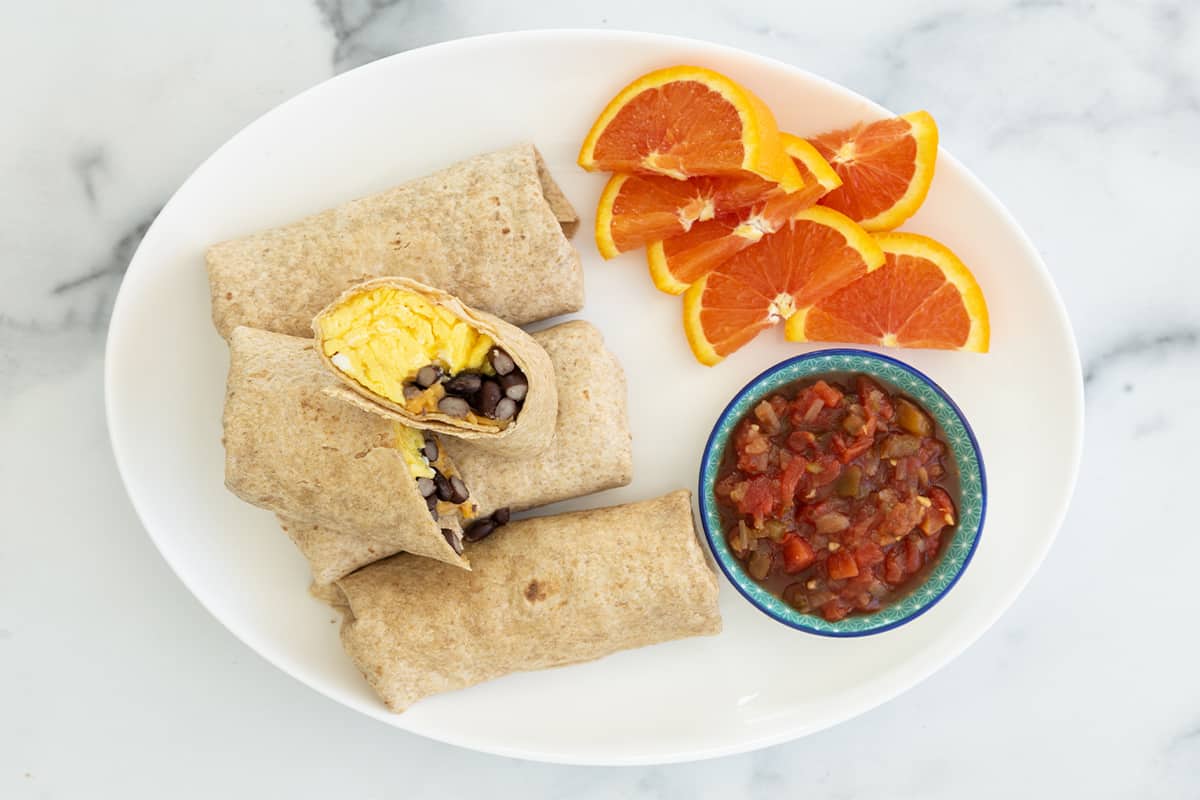
For parents who find themselves unable to sit for a traditional meal, portable options such as Easy Breakfast Burritos and Protein Banana Muffins are essential. The inclusion of eggs and beans in breakfast burritos provides a significant protein boost and essential B vitamins. Similarly, muffins enriched with Greek yogurt or nut butters offer a balanced macronutrient profile in a single-handed format, allowing for nourishment during infant feeding or soothing.
Probiotic-Infused Overnight Oats
Gastrointestinal health is a major component of postpartum recovery. Easy Overnight Oats, particularly those utilizing yogurt and fruit purees like applesauce, introduce probiotics into the diet. These beneficial bacteria support the gut microbiome, which is often disrupted during the birth process, especially if antibiotics were administered.

High-Protein Lunch and Dinner Frameworks
The transition to evening meals requires a focus on satiety and ease of preparation. Journalistic analysis of modern parenting trends indicates a rising reliance on "one-pot" or "dump-and-go" recipes that minimize the cognitive load and physical exertion required for cooking.
The Utility of Lean Meats and Legumes
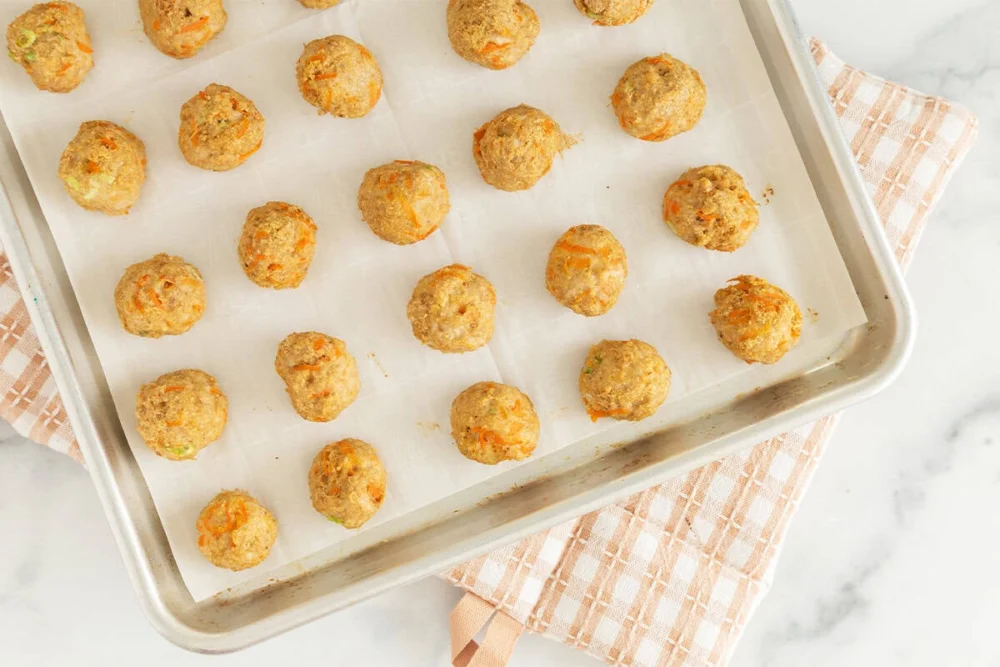
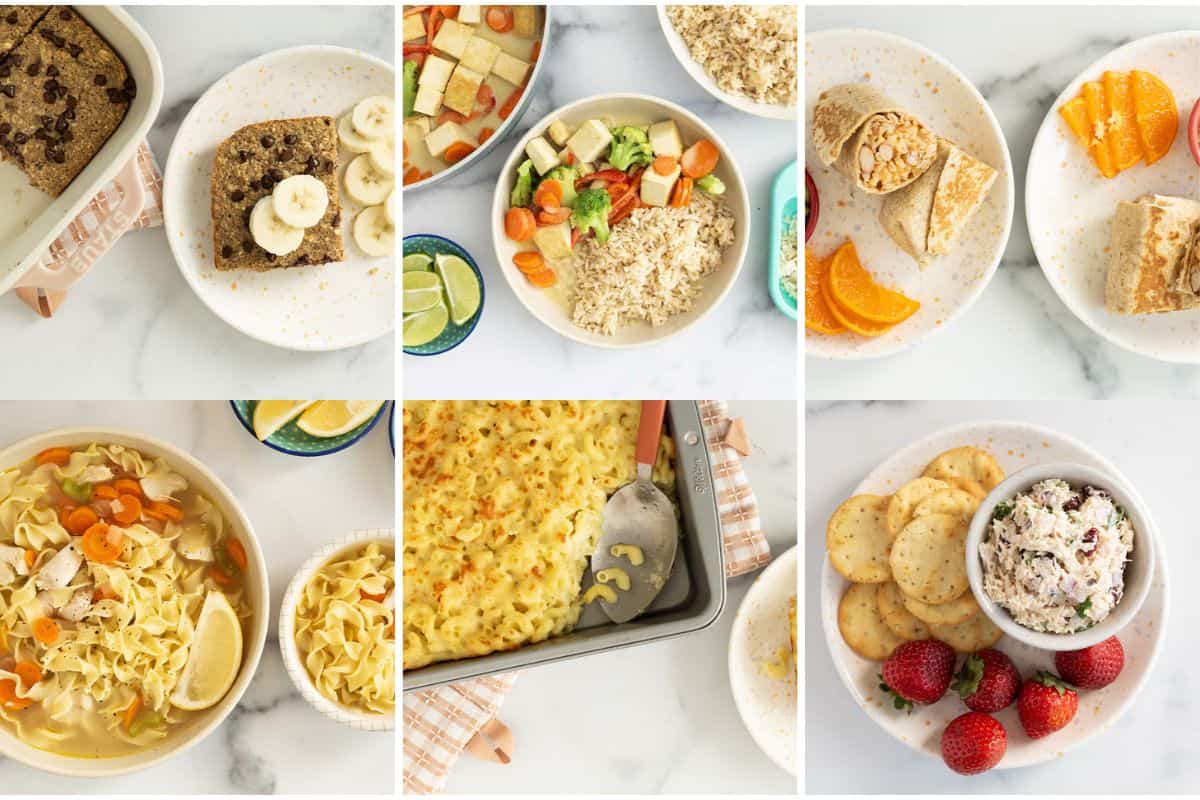
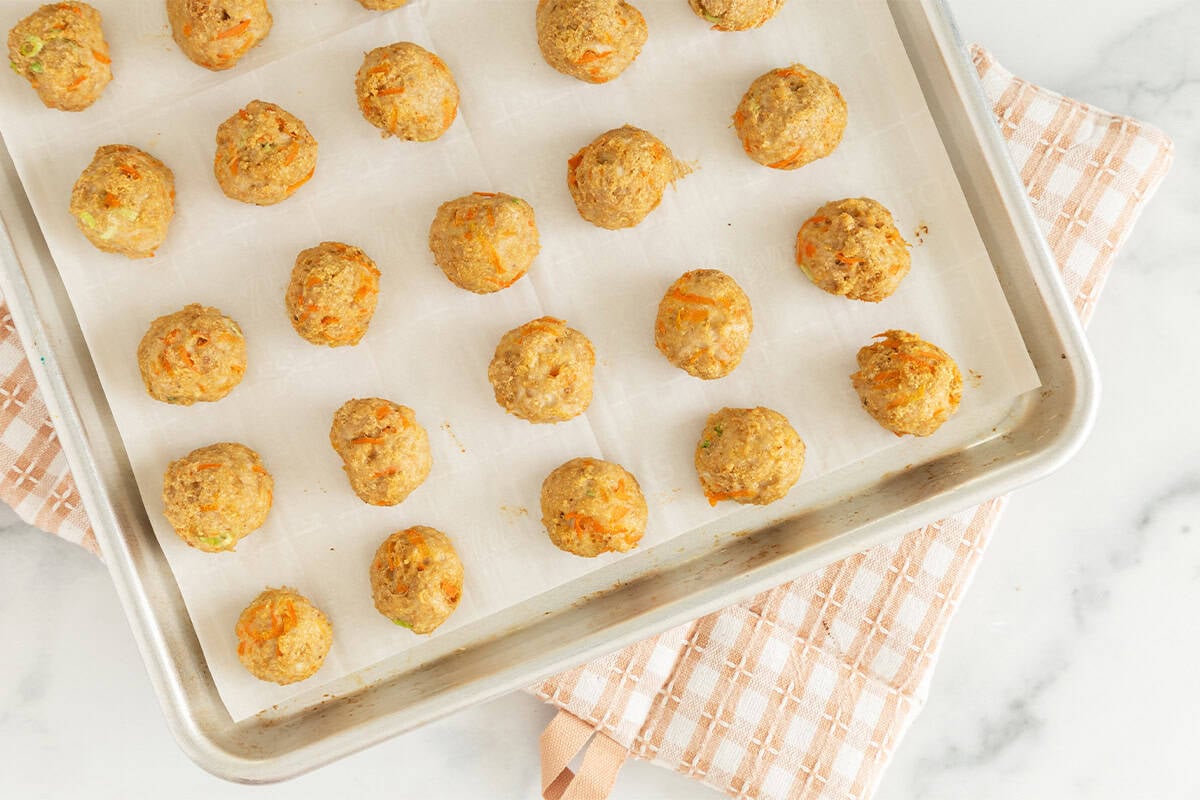
Chicken and legumes are central to a high-protein postpartum recovery plan. Asian-Inspired Chicken Meatballs and Sausage Meatballs offer versatile protein bases that can be paired with steamed vegetables or whole-grain pasta. From a food safety and preparation standpoint, meatballs are an ideal candidate for freezer storage, as they retain their structural integrity and nutritional value when reheated.

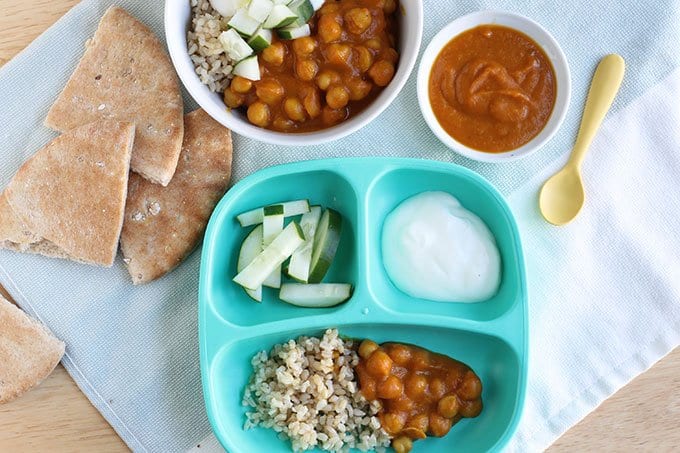
Vegetarian options, such as Instant Pot Chana Masala-Style Chickpeas and Rice and Bean Burritos, provide a dual benefit of high protein and high fiber. Legumes are also a significant source of folate and iron, making them an economical and shelf-stable staple for new families.

Comfort Foods and Psychological Well-being
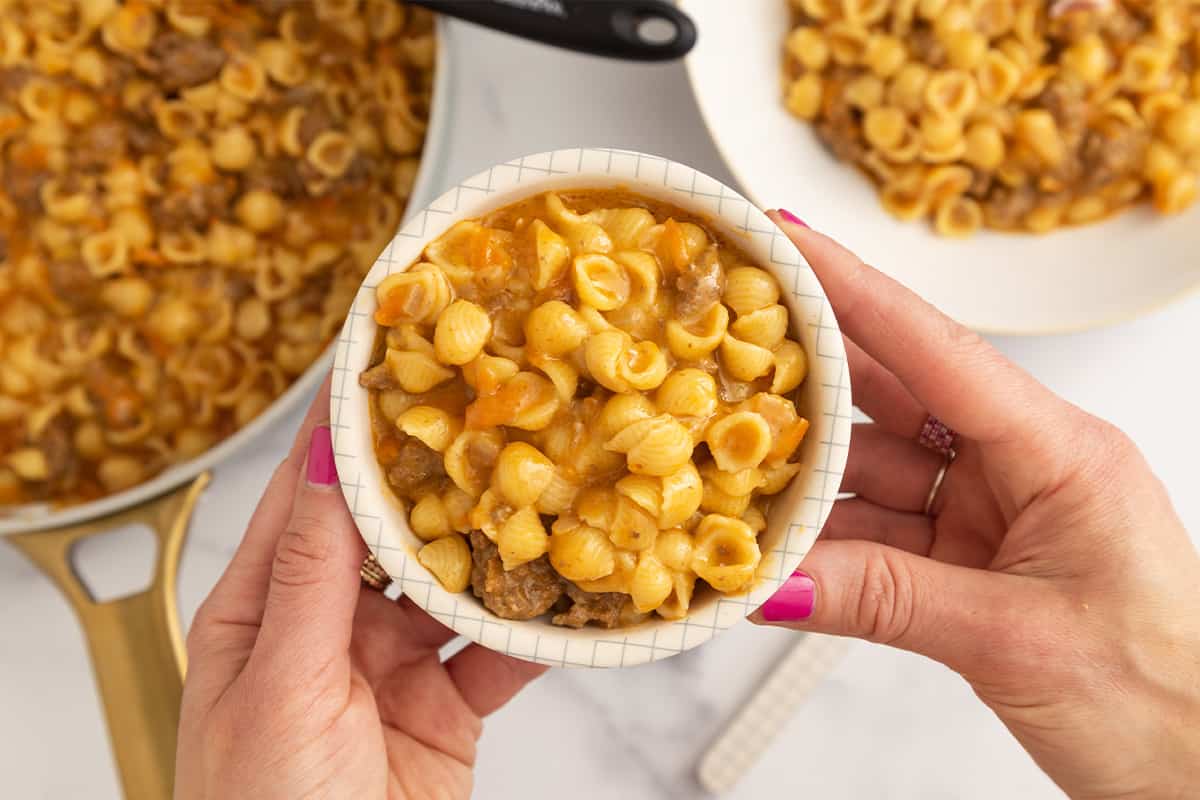
There is a documented link between "comfort foods" and the reduction of cortisol levels in high-stress environments. Dishes like One-Pot Cheeseburger Pasta, Baked Mac and Cheese, and Easy Instant Pot Butter Chicken provide the psychological comfort of familiar flavors while being adapted for higher nutritional yields. By incorporating pureed vegetables into sauces or using whole-grain pasta, these meals satisfy cravings while supporting physiological recovery.

Restorative Soups and Curries
The "warming food" tradition, prevalent in many Eastern cultures for postpartum recovery, finds its modern equivalent in recipes like Lemon Chicken Noodle Soup and Easy Thai Green Curry. These liquid-based meals assist with hydration—a critical factor for both recovery and milk production. The inclusion of ginger, garlic, and turmeric in these recipes provides natural anti-inflammatory properties, which may assist in reducing postpartum swelling and discomfort.

Nutrient-Dense Snacks and Lactation Support
Between-meal snacking is often a necessity rather than a luxury in the postpartum period. Frequent, small servings of food help maintain stable blood sugar levels and provide a continuous stream of energy.

The Science of Lactation Cookies
While the efficacy of specific galactagogues remains a subject of ongoing research, "Lactation Cookies" that utilize oats, flaxseed, and brewer’s yeast are a staple in the postpartum community. These ingredients are rich in omega-3 fatty acids and B vitamins. Even for non-lactating parents, these cookies provide a more nutritious alternative to standard processed snacks.
Energy Balls and Edible Doughs
Almond Butter Protein Balls and Edible Cookie Dough (formulated without raw eggs or untreated flour) represent a sophisticated approach to snacking. These items utilize healthy fats from nut butters and seeds to provide long-lasting satiety. Because they require no cooking and can be eaten with one hand, they are frequently recommended for the bedside tables of new parents.

Chronology of Postpartum Meal Planning
Effective postpartum nourishment is rarely accidental; it is usually the result of a structured timeline:
- Late Second Trimester (Weeks 20-27): Identification of preferred recipes and auditing of pantry staples.
- Early Third Trimester (Weeks 28-34): Gradual "batch cooking" begins. Parents often prepare double portions of dinners, freezing half for later use.
- Late Third Trimester (Weeks 35-40): Final organization of the freezer and establishment of a "Meal Train" or community support calendar.
- Immediate Postpartum (Weeks 0-2): Consumption of soft, warming, and easily digestible foods to assist with initial recovery.
- Established Postpartum (Weeks 3-12): Reintroduction of a wider variety of textures and flavors as the parent’s digestive system and energy levels stabilize.
Community Impact: The Rise of the Meal Train
The social structure surrounding new parents has shifted significantly in the 21st century. With the decline of the traditional multi-generational household, the "Meal Train"—a coordinated effort by friends, family, and neighbors to deliver meals—has become a vital social safety net.

Data suggests that families who receive consistent meal support during the first month postpartum report lower levels of perceived stress and a higher degree of confidence in their ability to manage the demands of a newborn. From a journalistic perspective, the meal train represents a democratization of postpartum care, where community members contribute to the health of the mother and child through the direct provision of labor and nutrition.
Broader Implications for Public Health
The focus on postpartum nutrition has broader implications for maternal mental health. Research conducted by various health organizations has identified a correlation between poor nutritional status and an increased risk of postpartum depression (PPD) and anxiety. Nutrient deficiencies, particularly in Vitamin D, Vitamin B12, and Omega-3 fatty acids, can negatively impact neurotransmitter function.
By prioritizing meals that are rich in these elements, families can potentially create a protective barrier against mood disorders. Furthermore, the reduction of "decision fatigue" through pre-planned and pre-made meals allows parents to focus their limited cognitive energy on infant bonding and self-care.
Storage and Food Safety Standards
For postpartum meal prepping to be effective, strict adherence to food safety is paramount. The USDA recommends the following guidelines for frozen meals:

- Temperature: Freezers should be maintained at 0°F (-18°C) or lower.
- Packaging: Use airtight containers or heavy-duty freezer bags to prevent freezer burn, which can degrade the texture and taste of the food.
- Labeling: Every item should be clearly labeled with the date of preparation and reheating instructions.
- Thawing: Meals should ideally be thawed in the refrigerator rather than at room temperature to prevent bacterial growth.
Conclusion
Nourishing new parents through the postpartum period is a multifaceted challenge that requires a balance of clinical nutrition, culinary simplicity, and community support. The recipes and strategies outlined—ranging from fiber-dense breakfasts to protein-rich, one-pot dinners—provide a roadmap for physical recovery and emotional stability. As society continues to recognize the "fourth trimester" as a pivotal phase of human health, the provision of high-quality, nutrient-dense food will remain the most fundamental form of care for the growing family.
