

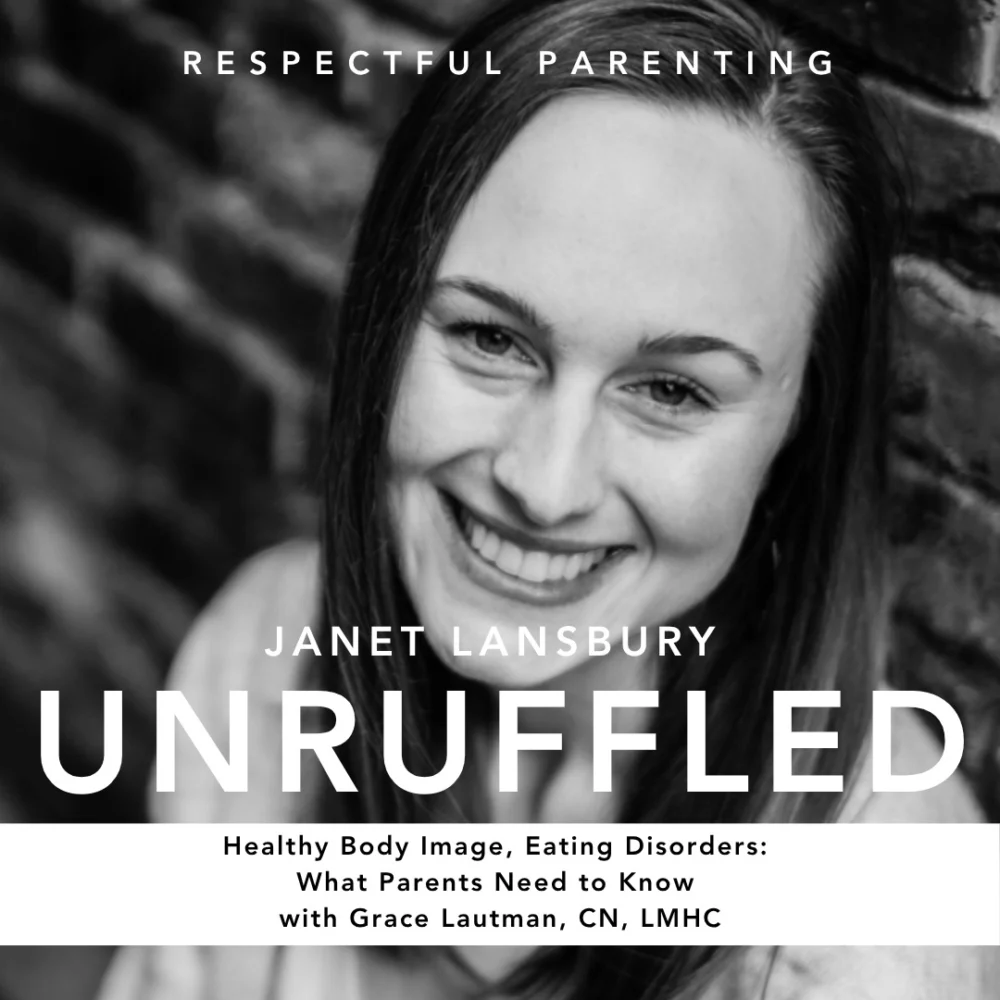
A recent discussion between parenting expert Janet Lansbury and therapist and nutritionist Grace Lautman shed light on the critical role parents play in fostering healthy body image and preventing eating disorders in children. Lautman, a specialist in eating disorders and trauma, emphasized that these conditions are complex, stemming from a combination of genetic predispositions and environmental influences. The conversation, featured on Lansbury’s podcast "Unruffled," aimed to equip parents with knowledge to navigate these sensitive topics from early childhood through adolescence.
Lautman, who works with individuals as young as 11 and their families, highlighted that her practice often involves both the prevention and treatment of eating disorders. A significant portion of her work focuses on adults who are grappling with their own histories of disordered eating while parenting, striving to avoid passing down similar struggles to their children. This underscores a key takeaway: while parents are not solely to blame for a child developing an eating disorder, their own relationship with food and body image significantly influences their children’s perceptions.
Understanding the Roots of Eating Disorders
The discussion delved into the intricate interplay of genetics and environment in the development of eating disorders. Lautman cited research, including twin studies, which strongly suggests a genetic component, indicating that a predisposition can be inherited. However, she stressed that this genetic vulnerability does not predetermine an outcome. Instead, environmental factors, particularly family dynamics and cultural influences, play a crucial role in either mitigating or exacerbating these tendencies.
"We do have influence," Lautman stated, drawing from her own experience as a parent. "Acknowledging the genetic aspect is important, as research indicates this is a brain difference. But there are many things we can do within our parenting to create a family culture that is more preventative." This perspective aims to alleviate parental guilt, a common reaction when discussing eating disorders, and redirects focus towards actionable strategies.
Early Warning Signs and Preventative Strategies
Identifying early signs of disordered eating in children is paramount, according to Lautman. She pointed out that normalizing puberty and growth, which inevitably involves weight gain, is a crucial aspect of prevention. The societal fear surrounding weight gain, often linked to misinformation about health conditions like diabetes, can create anxiety for parents. This anxiety, if not managed, can be inadvertently projected onto children.
"Our culture tends to be very fear-based around growth," Lautman explained. "Part of what happens in those preteen and teen years is that a lot of fat deposits happen, a lot of fat growth and weight growth happens. And it can be really, really scary for parents." She advocates for parents to pause, normalize these bodily changes, and prioritize their relationship with their child over reactive, fear-driven responses.
Lautman also shared insights into how subtle interactions around food can have a profound impact. For instance, a child’s request for a cookie can lead to a parent’s anxious response about sugar intake and vegetable consumption, inadvertently framing food as a moral issue rather than a simple choice. Instead, she suggests a more neutral approach, such as stating, "That’s not on the menu right now, but cookies are delicious, let’s have some later." This approach avoids attaching shame or judgment to food choices.
The Nuance of Body Image and the Role of Parents
The conversation touched upon the increasingly prevalent pressure for "body positivity." Lautman proposed that "body neutrality" might be a more accessible and healthier goal for many families. Body neutrality emphasizes accepting one’s body as it is, without necessarily feeling constant positivity, especially in a world saturated with often unrealistic body ideals. This approach acknowledges that bodies change and that experiencing discomfort is a normal part of life.
"What good body image is actually about," Lautman elaborated, "is that hopefully, sometimes you can evaluate it positively. We want that for everybody, that’s nice. But with different body sizes and culturally different messages, that can be a really hard goal for some people to feel like they can be positive. So just to acknowledge instead that it can be uncomfortable to be in a body." This nuanced perspective helps children understand that fluctuating feelings about their bodies are normal and do not define their worth.
Lansbury emphasized the importance of allowing children to express their feelings about their bodies, rather than immediately dismissing them. When a child says, "I feel fat" or "I look fat," a typical parental reaction might be to deny it. Lautman suggests a more empathetic approach: "Tell me more about what’s coming up and what it’s like to be with these friends and your body, their body. I want to hear about it." This validates the child’s feelings and opens the door for deeper understanding and support, rather than shutting down communication.
Reassessing Parental Influence and Intervention
The discussion highlighted that parents can inadvertently send harmful messages through their own anxieties and preoccupations with their bodies. Comments about weight, clothing choices, or even subtle self-deprecating remarks can be internalized by children. Lautman advised parents to be open about their own struggles and their journey toward a healthier relationship with their bodies.
"No surprises here, but I don’t have a great relationship with my body. That’s my own stuff and I’m going to work on that," Lautman suggested as a way to communicate with preteen and teenage children. This vulnerability can be incredibly powerful, fostering trust and understanding. It reframes the parental desire to protect children from hardship into a shared journey of self-improvement and acceptance.
Embracing the Division of Responsibility in Feeding
A core principle discussed was Ellyn Satter’s "division of responsibility in feeding." This model clearly delineates parental and child roles: parents are responsible for the what, when, and where of food, while the child is responsible for how much and whether to eat. This framework aims to empower children to develop internal regulation of their eating habits.
Lautman shared a personal anecdote about her five-year-old daughter finding a bag of chips and eating them at 8:00 AM. Instead of reacting with alarm, she joined her daughter, had a chip herself, and then they put the chips away. This approach, rooted in acknowledging the child’s initiative without judgment, reinforced the idea of a relaxed and trusting relationship with food. It avoided making the event a source of shame or a power struggle.
"We want to keep the food boundaries really kind of unruffled, if you will," Lautman stated. This means creating a predictable and calm environment around meals, free from pressure or negotiation. It allows children to develop an intuitive understanding of their hunger and fullness cues, fostering a more positive and lifelong relationship with food.
When to Seek Professional Help
Identifying when professional intervention is necessary is crucial. Lautman provided clear indicators for parents to consider reaching out for support. These include significant drops in a child’s growth chart trajectory (excluding BMI, which she advises against relying on solely), a noticeable shift in eating patterns, and increased distress surrounding food or mealtimes.
"It never hurts," Lautman reassured parents. "So if you feel a little nervous or you want to get on top of it, I feel like if you’re wondering, it doesn’t hurt to reach out and just sort of check in." She also highlighted the availability of online resources, including on-demand courses offered through her website, HonorNutritionCounseling.com, designed to support families navigating these challenges.
The Underlying Purpose of Eating Disorders
Lautman also explained that eating disorders can sometimes serve as a coping mechanism for underlying issues, such as anxiety, perfectionism, or even trauma. In these cases, restricting food or developing extreme picky eating habits can be a way to manage overwhelming emotions or sensory experiences. Understanding this underlying purpose is key to effective treatment.
"An eating disorder is an attempt to solve some complicated problems," she noted. Addressing these underlying issues, whether it’s anxiety, neurodivergence, or trauma, is an integral part of the healing process. This might involve helping individuals find alternative, healthier ways to cope with distress and regain a sense of control.
Body Dysmorphia and the Distortion of Reality
The conversation touched upon body dysmorphia, a condition where an individual has a distorted perception of their own appearance. Lautman described it as a state where one’s perception of their body becomes so focused and distorted that they lose a clear sense of what they actually look like. This can lead to a constant preoccupation with perceived flaws, significantly impacting daily life and well-being.
"There’s an aspect of distortion of your body image or body dysmorphia that can come into it," Lautman explained. This distortion can be so profound that it creates a "delusional aspect" to having an eating disorder, where the individual’s perception is significantly out of alignment with reality. The constant mental preoccupation with food and body is a hallmark of these conditions.
Ultimately, the dialogue between Lansbury and Lautman provided a comprehensive and compassionate guide for parents. It emphasized the profound influence of parental attitudes towards food and body image, the importance of early intervention, and the power of fostering a supportive and non-judgmental environment for children to develop a healthy relationship with themselves. The conversation underscored that while the journey may be challenging, proactive and informed parenting can significantly contribute to the well-being and resilience of children in navigating the complexities of body image and eating.
