

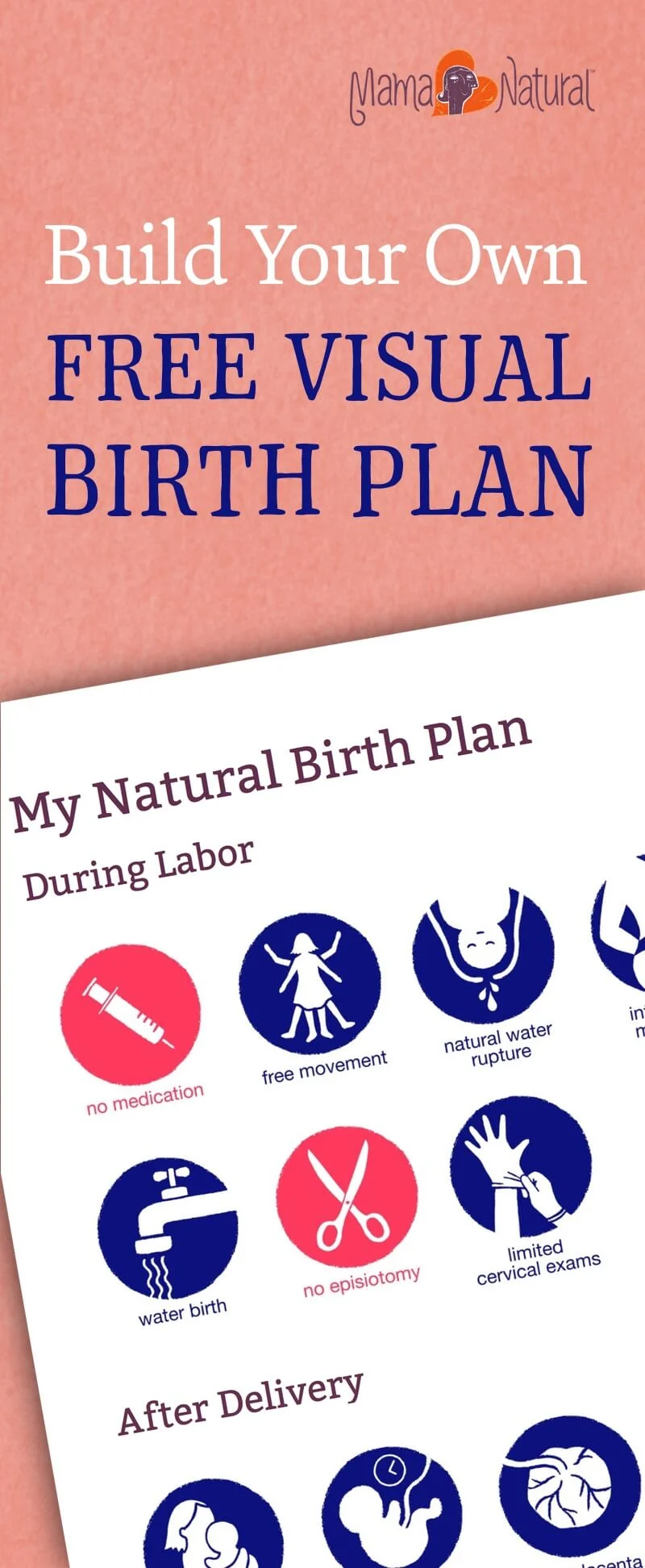
Comprehensive Digital Solutions for Maternal Autonomy and the 2025 Visual Birth Plan Framework serves as a critical resource for expectant parents navigating the complexities of modern obstetric care. As the landscape of maternal health shifts toward patient-centered models, the introduction of streamlined, visual communication tools has become a focal point for improving outcomes and ensuring informed consent during labor and delivery. The latest iteration of the visual birth plan template, recently updated for 2025, provides a standardized yet customizable blueprint designed to bridge the communication gap between laboring patients and medical staff. By utilizing a single-page, icon-based format, the template aims to present complex medical preferences in a manner that is immediately accessible to nurses, midwives, and physicians, even in high-pressure clinical environments.
The Evolution of the Birth Plan Document
The concept of a birth plan emerged in the late 1970s and early 1980s as a response to the increasing medicalization of childbirth. Historically, obstetric practices in the mid-20th century were often characterized by a paternalistic approach, where patients had limited input into interventions such as episiotomies, the use of forceps, or the administration of sedative "twilight sleep." Advocacy groups and maternal health pioneers, such as Sheila Kitzinger, began promoting written birth plans as a means for women to reclaim agency over their bodies and the birthing process.
Initially, these documents were often lengthy, narrative essays that detailed every possible scenario. However, clinical feedback over the subsequent decades indicated that long-form documents were frequently overlooked by hospital staff due to time constraints and the urgent nature of labor. The shift toward the "visual birth plan" represents a significant technological and communicative evolution. By condensing preferences into recognizable icons—distinguished by color-coded systems for affirmative and negative requests—the modern birth plan serves as a quick-reference guide rather than a dense legalistic document.
Technical Specifications of the 2025 Visual Template
The 2025 update to the visual birth plan template introduces a suite of new features designed to reflect current trends in evidence-based maternity care. The template is delivered as a customizable digital file, compatible with major word processing software such as Microsoft Word and Apple Pages. This flexibility allows users to drag and drop specific icons to create a personalized one-page document.
A key feature of the updated system is the binary color-coding of icons. Blue icons are utilized to represent "affirmative preferences"—actions the birthing team is encouraged to take, such as allowing for intermittent fetal monitoring, encouraging free movement, or practicing delayed cord clamping. Conversely, red icons signify "negative preferences" or interventions the patient wishes to avoid unless medically necessary, such as routine IV fluids, artificial rupture of membranes, or immediate newborn bathing.
The 2025 update specifically expands the iconography to include a dedicated section for "Gentle Cesareans." As surgical birth rates remain significant globally, the inclusion of icons for clear surgical drapes, immediate skin-to-skin contact in the operating room, and the presence of a doula during surgery reflects a growing demand for family-centered care even in a surgical context.
Statistical Evidence and the Impact of Birth Planning
Data from various maternal health organizations suggest that the use of a birth plan, when combined with prenatal education, can lead to higher rates of patient satisfaction. According to a study published in the Journal of Perinatal Education, women who prepared a birth plan felt more in control of their experience, regardless of whether the labor proceeded exactly as planned. This sense of "perceived control" is a major factor in reducing the incidence of birth-related trauma and postpartum depression.
Furthermore, birth plans play a role in reducing unnecessary interventions. In the United States, the Cesarean section rate has hovered around 32% for several years, a figure that the World Health Organization (WHO) suggests is higher than the 10-15% ideal for optimal maternal and neonatal outcomes. By clearly stating a preference for natural labor progression and intermittent monitoring, patients using birth plans often see a correlation with lower rates of epidural use and synthetic oxytocin (Pitocin) administration, provided they are in a supportive environment.
Addressing Disparities in Maternal Care
The implementation of birth plans is not merely a matter of personal preference but is increasingly viewed through the lens of health equity. Advocacy for maternal autonomy is particularly crucial for communities of color, who face disproportionately higher rates of maternal mortality and morbidity. Organizations such as the National Association of American Birth Interventions have highlighted the "Black Birthing Bill of Rights," emphasizing that clear communication tools like birth plans are essential for ensuring that women of color receive respectful, high-quality care.
In this context, the visual birth plan serves as a tool for advocacy. It provides a structured framework for patients to assert their rights to informed refusal and informed consent, which are often undermined by implicit bias in clinical settings. By having preferences documented in "black and white" before the onset of active labor, patients have a physical record that can be supported by birth partners or doulas.

Professional Reactions and Clinical Integration
The reception of birth plans among medical professionals remains varied, highlighting a divide between different philosophies of care. Midwifery-led models generally embrace birth plans as a foundational element of the provider-patient relationship. Midwives often view the document as a starting point for deep discussions during prenatal visits, ensuring that by the time labor begins, the provider and patient are fully aligned.
In contrast, some hospital-based nursing staff have historically expressed skepticism toward highly detailed birth plans. Clinical anecdotes suggest that some providers perceive rigid birth plans as a sign of a patient who may be "difficult" or "unrealistic" about the unpredictable nature of childbirth. Terms like "high maintenance" have occasionally been used in medical circles to describe patients with extensive lists of demands.
However, the "visual" aspect of the new 2025 template is specifically designed to mitigate this friction. Nurses have reported that one-page visual aids are significantly more helpful than multi-page documents. The clarity of the icons allows a nurse entering a shift change to understand a patient’s primary goals in seconds. This efficiency reduces the need for repeated questioning during labor, thereby preserving the "labor bubble" and allowing the patient to remain focused.
The Role of the Gentle Cesarean Movement
One of the most significant additions to the 2025 template is the inclusion of "Gentle Cesarean" (or "Family-Centered Cesarean") icons. Historically, a C-section was treated strictly as a major surgery with little regard for the "birth experience." The Gentle Cesarean movement seeks to change this by incorporating elements of natural birth into the operating room.
Key preferences now included in the visual template for surgical births include:
- Clear Drapes: Allowing the parents to see the baby being born.
- Vaginal Seeding: The practice of swabbing the newborn with maternal vaginal flora to mimic the microbiome exposure of a vaginal birth.
- ECG Lead Placement: Moving monitoring leads to the mother’s back or sides to allow for immediate skin-to-skin contact on the chest.
- Slow Delivery: Allowing the baby’s lungs to clear fluid as they are delivered through the incision, similar to the compression experienced in the birth canal.
The inclusion of these options in a mainstream template indicates that these once-niche requests are becoming standardized expectations in modern obstetrics.
Broader Implications for Informed Consent
Beyond the immediate practicalities of labor, the proliferation of visual birth plans has broader implications for the legal and ethical standards of informed consent. Medical ethics require that a patient be fully informed of the risks and benefits of any procedure and that they have the right to refuse treatment. In the heat of labor, however, "informed consent" is often rushed or overlooked.
A visual birth plan acts as a pre-emptive declaration of consent or refusal. While it is not a legally binding contract—as medical emergencies may necessitate deviations for the safety of the mother or child—it serves as a powerful evidentiary tool of the patient’s original intent. Healthcare systems that encourage the use of birth plans are often seen as more transparent and more committed to the principles of bodily autonomy.
Conclusion and Future Outlook
As we move further into 2025, the integration of digital, visual, and highly customizable birth planning tools like the Mama Natural template represents a maturing of the patient-advocacy movement. The focus has shifted from "confrontation" with the medical establishment to "collaboration" through clearer communication.
The future of birth planning likely lies in further digital integration, such as birth plans that are directly uploaded into Electronic Health Records (EHR) and displayed on digital monitors within labor and delivery suites. Until such technology is universal, the printed, one-page visual birth plan remains the most effective bridge between a parent’s vision for their birth and the reality of the clinical environment. By simplifying complex choices into a universally understood visual language, these templates empower parents and provide healthcare providers with the clarity they need to deliver safe, respectful, and personalized care.
