

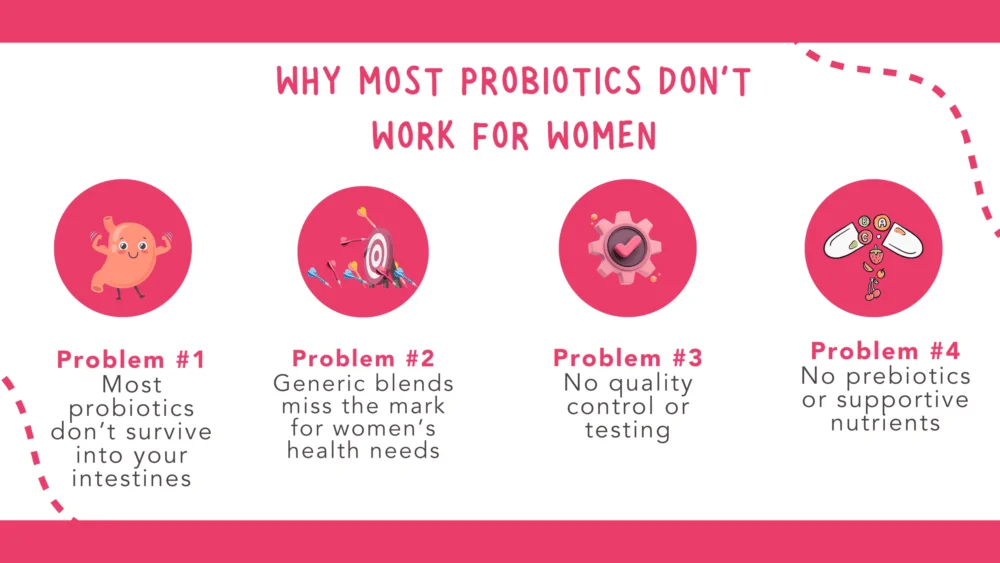
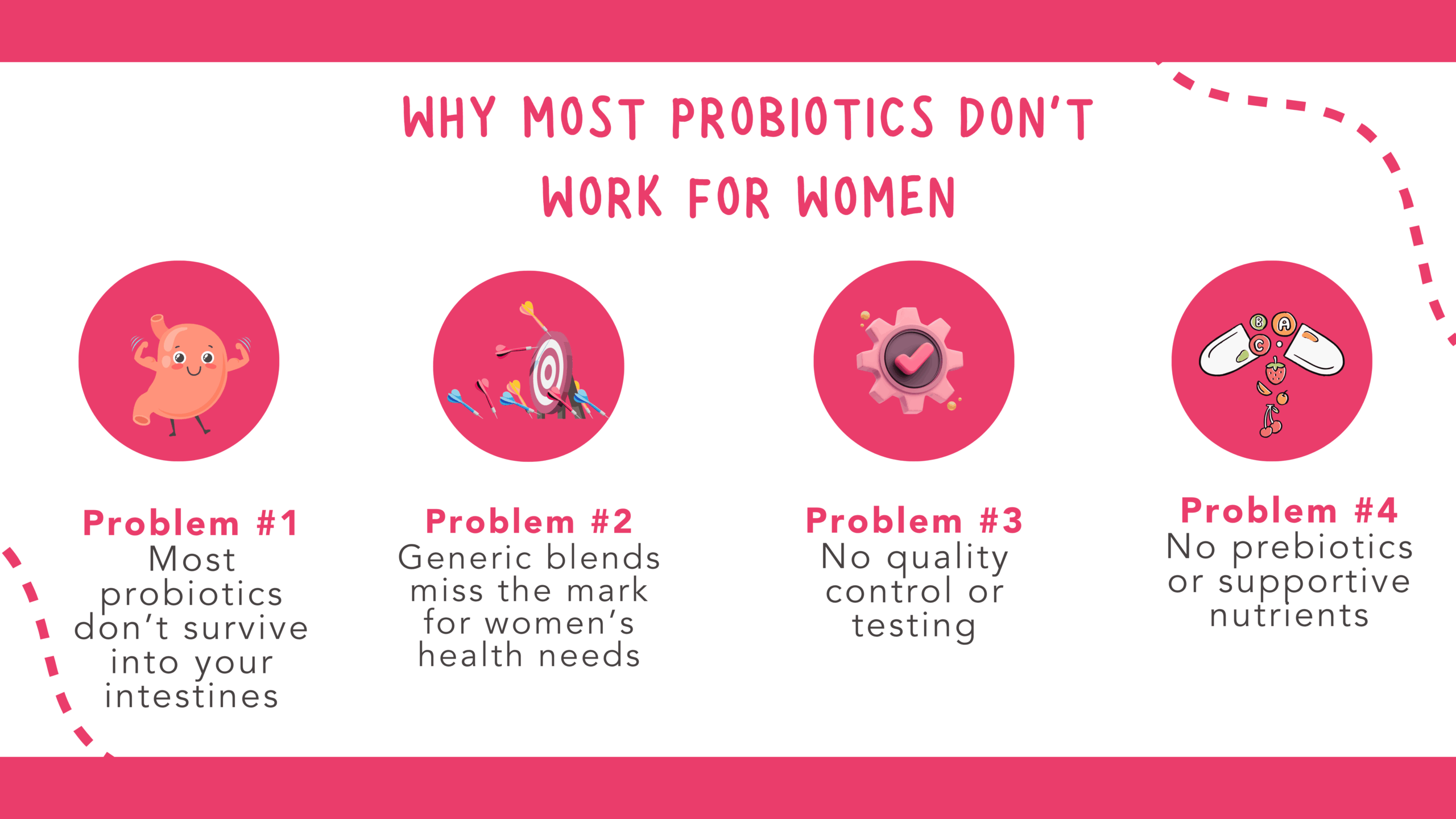
The global probiotic market, valued at over $70 billion in 2023, continues to expand as consumers seek natural interventions for digestive, immune, and mental health. However, a growing body of clinical evidence and consumer feedback suggests a significant efficacy gap, particularly concerning supplements marketed toward women. While the promise of improved digestion, clearer skin, and stabilized moods remains a primary driver for the industry, many users report negligible results after consistent use. This discrepancy is increasingly attributed to three fundamental systemic issues: the inability of live cultures to survive the human digestive tract, the historical reliance on generic bacterial blends that ignore female biological nuances, and a widespread lack of stringent quality control within the supplement manufacturing sector. As the industry pivots toward "precision probiotics," experts are highlighting the necessity of strain-specific formulations and symbiotic delivery systems to ensure that these microorganisms reach the lower intestine in a viable state.
The Gastric Barrier and the Challenge of Bacterial Survival
The primary obstacle to probiotic efficacy is the hostile environment of the human stomach. Gastric acid, which maintains a pH level between 1.5 and 3.5, serves as a biological defense mechanism designed to neutralize harmful pathogens ingested through food. Unfortunately, this acidic environment is equally lethal to many beneficial probiotic strains. Research indicates that unless a probiotic is specifically formulated for resilience, a significant percentage of the colony-forming units (CFUs) listed on the label are destroyed before reaching the small intestine or colon, where they are intended to colonize.
To address this "survival gap," a new standard in manufacturing has emerged known as "potent overage." This practice involves packing a supplement with a higher concentration of live bacteria than the label claims at the time of manufacture. This ensures that even after natural degradation during shelf life and the subsequent journey through the stomach, the remaining viable bacteria meet the therapeutic threshold. Unlike traditional enteric coatings, which can sometimes fail to dissolve at the correct physiological junction, using hardy, clinically studied strains and high-initial CFU counts is becoming the preferred method for ensuring delivery.
Chronology of Probiotic Development: From General to Gender-Specific
The evolution of the probiotic industry can be categorized into three distinct eras. The first, beginning in the mid-20th century, focused on fermented foods and general "gut health" without a deep understanding of microbial diversity. The second era, spanning the 1990s to the early 2010s, saw the commercialization of standardized capsules, often utilizing a "one-size-fits-all" approach centered on common Lactobacillus and Bifidobacterium strains.
The current third era is defined by personalization and gender-specific research. Historically, clinical trials for supplements often lacked female representation, failing to account for how hormonal fluctuations, the menstrual cycle, and the unique vaginal microbiome interact with gut flora. Women are statistically more likely to suffer from irritable bowel syndrome (IBS) and autoimmune conditions, both of which are linked to gut dysbiosis. Consequently, the industry is shifting toward formulations that include specific strains such as Lactobacillus reuteri and Lactobacillus rhamnosus, which have been shown in clinical settings to support not only the digestive tract but also the urogenital health of women.
The Critical Role of Strain-Specific Science
In the context of journalistic inquiry into supplement efficacy, the distinction between a bacterial "genus" and a "strain" is paramount. Many mass-market products list only the genus (e.g., Lactobacillus), which is the equivalent of referring to all canines as "dogs" without distinguishing between a wolf and a poodle. Scientific consensus now dictates that health benefits are strain-specific. For instance, while one strain of Lactobacillus gasseri may aid in weight management and metabolic health, another may have no effect.
For women, the following strains have emerged as the gold standard in recent clinical literature:
- Lactobacillus rhamnosus: Extensively studied for its ability to survive the gastrointestinal tract and its role in preventing urogenital infections.
- Lactobacillus gasseri: Identified for its potential support in vaginal flora balance and digestive comfort.
- Bifidobacterium longum: Known for its resilience and its role in strengthening the intestinal barrier and modulating the immune response.
- Lactobacillus reuteri: A well-documented strain that supports the production of antimicrobial molecules, helping to suppress the growth of harmful pathogens.
Regulatory Challenges and Quality Control Concerns
The probiotic industry operates under a regulatory framework that often classifies these products as dietary supplements rather than drugs. This distinction means that manufacturers are not always required to prove efficacy before a product hits the shelves. An independent study published in the Journal of Clinical Gastroenterology and Hepatology revealed that a significant portion of tested probiotics did not contain the quantity of live bacteria advertised on their labels. In some instances, products contained entirely different species than those listed, or the bacteria were dead by the time of purchase.
This lack of oversight has led to a "Wild West" market environment. To combat this, premium brands are increasingly adopting third-party testing and certifications to verify CFU counts and purity. Furthermore, the exclusion of common allergens and fillers—such as dairy, gluten, soy, and synthetic binders—has become a hallmark of high-quality formulations. These additives can inadvertently trigger inflammation in sensitive individuals, counteracting the anti-inflammatory benefits the probiotics are intended to provide.
The Symbiotic Revolution: Integrating Prebiotics and Whole Foods
A significant advancement in gut health is the move toward "symbiotics"—supplements that combine probiotics with prebiotics. Prebiotics are non-digestible fibers that serve as the primary food source for beneficial bacteria. Without adequate prebiotic fuel, even the most resilient probiotic strains may fail to thrive and colonize the gut.
The integration of organic, whole-food prebiotics is replacing synthetic fillers like maltodextrin. A notable example is the use of baobab fruit fiber, sourced from the Adansonia tree, often referred to as the "Tree of Life" in Africa. Baobab is uniquely suited for female health due to its high antioxidant content and its role as a gentle, soluble fiber. Given that the average woman requires approximately 25 grams of fiber daily—a target rarely met in the standard Western diet—the inclusion of 100 mg or more of whole-food fiber in a probiotic capsule provides a synergistic boost to the microbiome.
Implications for Public Health and Consumer Behavior
The implications of the "efficacy gap" in probiotics extend beyond consumer frustration; they touch upon broader public health concerns. As the link between the gut-brain axis and mental health becomes clearer, the failure of gut health supplements can have cascading effects on a person’s overall well-being. The medical community is increasingly advocating for "food-first" approaches, supplemented by high-quality, targeted probiotics rather than generic alternatives.
Industry analysts predict that the market will continue to bifurcate. On one side, low-cost, generic probiotics will continue to populate grocery store shelves with questionable efficacy. On the other, a "premium tier" of scientifically validated, gender-specific, and survival-tested products will dominate the professional and health-conscious sectors.
Conclusion and Future Outlook
For the modern consumer, particularly women, the path to gut health requires a move away from the "more is better" philosophy regarding CFU counts and a move toward "better is better" regarding strain specificity and delivery mechanisms. Consistency remains a vital factor; clinical data suggests that it takes between two to four weeks of daily supplementation for the gut microbiome to show measurable shifts in composition.
As research into the human microbiome continues to evolve, the expectation is that probiotics will become even more personalized, potentially involving at-home microbiome testing to tailor bacterial strains to an individual’s specific deficiencies. Until then, the focus remains on the "four pillars" of an effective probiotic: high-quality clinically studied strains, female-targeted formulations, survival-guaranteed delivery (through overage or specialized capsules), and the inclusion of clean, whole-food prebiotics. By adhering to these standards, the industry can bridge the gap between the promise of probiotic therapy and the actual health outcomes for women worldwide.
