

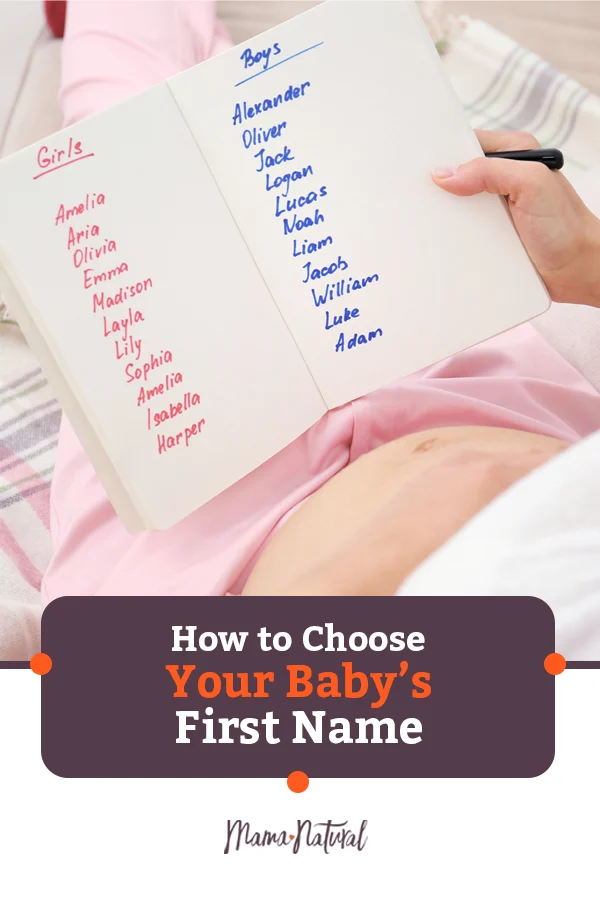
The process of selecting a child’s first name represents one of the earliest and most significant milestones in the transition to parenthood. Often described as a child’s "first gift," the name serves as a foundational element of identity, influencing social interactions, self-perception, and even professional trajectories. Despite the inherent excitement of the task, many expectant parents report experiencing substantial psychological pressure to choose a name that is simultaneously unique, meaningful, and enduring. To address these complexities, experts and naming consultants suggest a structured, analytical approach to the selection process, moving beyond mere aesthetic preference toward a comprehensive strategic framework.
The Evolution of Naming Trends and Statistical Context
Data from the Social Security Administration (SSA) reveals a profound shift in naming patterns over the last century. In the mid-20th century, a relatively small pool of traditional names dominated the landscape; in the 1950s, for instance, the top 10 names for boys and girls accounted for a significant percentage of all births. In contrast, the 21st century has seen a surge in "naming diversification." Parents are increasingly moving away from the top of the charts in favor of rare or custom-built names. According to recent demographic analyses, while names like Liam and Olivia currently lead the rankings in the United States, they represent a much smaller share of the total population than the "Johns" and "Marys" of previous generations.
This trend toward uniqueness is driven by several factors, including the globalization of culture, the rise of social media—where a "unique" handle is a digital asset—and a shift in parenting philosophy toward celebrating individual identity. However, this desire for distinction must be balanced against the practicalities of pronunciation, spelling, and social integration.
Establishing a Foundational Strategy: Wants and Needs
The first stage of a successful naming process involves establishing clear parameters between partners. Sociologists specializing in family dynamics suggest that conflict often arises not from the names themselves, but from unaligned expectations regarding the "vibe" or "category" of the name.
Key considerations for this foundational stage include:
- Popularity Thresholds: Some parents prefer names within the top 100 to ensure familiarity, while others explicitly avoid any name that might result in their child sharing a name with multiple classmates.
- Cultural and Religious Heritage: Determining whether a name should honor a specific lineage, language, or religious tradition.
- Style Preferences: Identifying an affinity for specific categories, such as "vintage" (e.g., Sadie, Minnie), "nature-based" (e.g., Willow, River), or "modern/occupational" (e.g., Harper, Mason).
By discussing these feelings at the outset, parents can foster a spirit of compromise and avoid "veto fatigue" later in the pregnancy.
Sources of Inspiration and the Rise of Digital Curation
In the modern era, the search for inspiration has migrated from physical baby name books to sophisticated digital databases and AI-driven tools. These platforms allow parents to filter results by origin, syllable count, and meaning. For example, parents seeking "biblical first names for boys" or "unique first names for girls" can access curated lists that provide historical context alongside popularity rankings.
Beyond traditional lists, many parents are turning to the "Surprise Me" or random generator features found in naming apps. Behavioral psychologists note that these tools can be surprisingly effective; they bypass the "overthinking" phase and trigger an immediate emotional response, helping parents identify sounds or styles they might have subconsciously dismissed.
Stepping Outside the Box: The Globalization of Names
As the world becomes more interconnected, the boundaries of "traditional" naming are expanding. Parents who appreciate the aesthetic of a popular name but dislike its ubiquity are increasingly looking toward international equivalents. For instance, a parent who likes the floral connotations of "Lily" but finds it too common might consider the Polynesian "Leilani," which translates to "heavenly flower."

This global approach requires careful research into etymology. Every name carries a linguistic history, and understanding these roots can add a layer of personal significance. A child named "Ethan" carries a name meaning "enduring and strong," while "Vida" or "Eva" conveys "life." For parents of twins, selecting names with complementary meanings—such as "Salma" and "Arina," both signifying "peace"—can create a subtle, meaningful connection between siblings.
The Mechanics of Sound and Surname Compatibility
A name does not exist in a vacuum; it must function harmoniously with the family surname. Professional naming consultants often recommend several "litmus tests" for potential candidates:
- The Syllabic Flow: Does a three-syllable first name sound balanced with a one-syllable last name?
- The Initial Analysis: Do the child’s initials form an unintended acronym?
- The "Yell Test": How does the name sound when spoken loudly or across a room?
- The "Coffee Shop Test": Parents are encouraged to use a potential name when ordering at a restaurant to see how it feels to introduce the name to a stranger and how easily it is transcribed.
These exercises bring the name to life in a practical context, often weeding out options that look good on paper but feel cumbersome in daily use.
Conflict Resolution and Parental Negotiation
It is common for partners to reach an impasse, where one favors a traditional name like "Isabella" while the other prefers something more avant-garde like "Chevelle." In these instances, experts suggest several resolution strategies:
- The "Middle Name Compromise": Using the more controversial choice as a middle name.
- The "Double-Barreled" Approach: Combining names to create a unique hyphenated version.
- The "Scoring System": Both partners list their top 20 names and assign points to each; the name with the highest aggregate score wins.
- The "Labor Day Deadline": Some parents choose to wait until they meet the infant to decide, allowing the child’s appearance or temperament to break the tie.
The Social Dynamics of the "Name Reveal"
The decision of when and how to reveal a baby’s name has become a point of significant debate in the digital age. With the rise of "gender reveal" and "name reveal" events on social media, there is increased pressure to make the announcement a public spectacle. However, many privacy advocates and psychologists recommend a more cautious approach.
Keeping a name private until birth can protect parents from unsolicited opinions or "name theft" within social circles. When faced with external pressure, parents are advised to maintain firm boundaries, often using a "placeholder" name or simply stating that they are waiting to meet the baby before finalizing the decision. This ensures that the naming process remains an intimate experience rather than a public consultation.
Long-Term Implications and Socioeconomic Analysis
While naming is often viewed through the lens of sentimentality, it also carries long-term socioeconomic implications. Various academic studies, including those in the fields of economics and sociology, have explored how names can influence implicit bias in grading, hiring, and social perception. Research suggests that while a unique name can be a mark of distinction, names that are difficult to spell or pronounce may occasionally face "fluency bias," where people unconsciously associate ease of pronunciation with familiarity and trust.
Furthermore, the "professionalism" of a name is a frequent concern for parents. However, analysts note that as the workforce becomes more diverse, the definition of a "professional" name is rapidly evolving. The "CEO test"—asking if a name sounds appropriate for a high-level executive—is increasingly seen as an outdated metric in a world where individuality is valued in leadership.
Conclusion: A Milestone of Intentionality
Ultimately, the process of choosing a baby’s first name is an exercise in intentionality. Whether a name is chosen years before conception or in the moments following birth, it represents the parents’ first act of shaping their child’s story. By utilizing a combination of historical data, linguistic testing, and emotional intuition, parents can navigate the pressures of the selection process and arrive at a name that serves as a fitting and enduring gift for their child’s lifetime. The bottom line for modern parents is to enjoy the process, embrace the research, and remember that the name is the beginning of a unique journey.
