

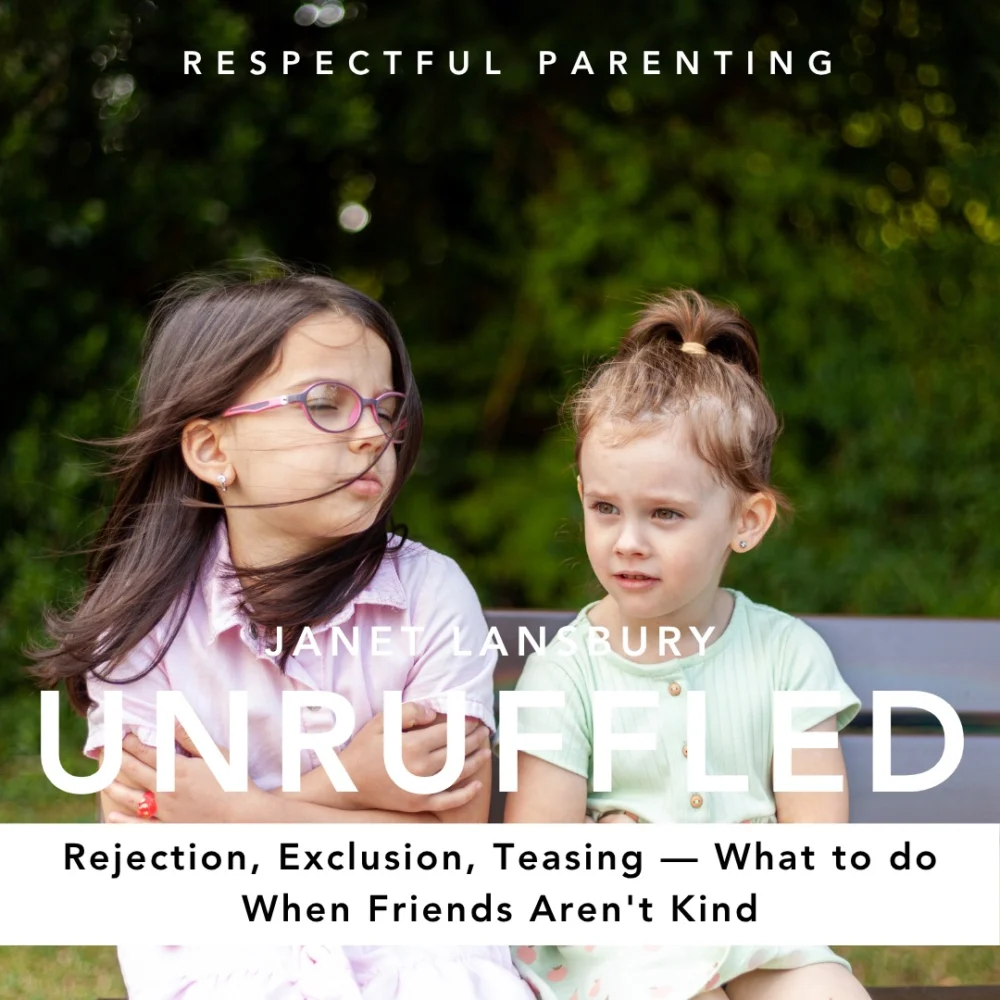
The complex dynamics of childhood friendships, often marked by moments of joy and support, can also be a source of significant distress for young children. When peers engage in behaviors like rejection, exclusion, or teasing, parents often grapple with how best to support their children without overstepping or undermining their ability to navigate social challenges independently. This article explores expert insights and parental experiences concerning these difficult peer interactions, emphasizing a core principle: children’s power over their own emotional responses.
Understanding the Landscape of Childhood Social Dynamics
Friendships are foundational to a child’s development, offering opportunities for social learning, emotional regulation, and the formation of identity. However, the path to healthy, supportive peer relationships is not always smooth. Children, particularly around the age of five, are in a critical phase of developing social skills. During this period, they begin to understand nuanced social cues, negotiate group dynamics, and experience the sting of social exclusion or unkind words. Data from child development studies consistently show that the ability to form and maintain positive peer relationships is a strong predictor of long-term emotional well-being and social adjustment. Conversely, experiences of rejection and bullying in early childhood can have lasting negative impacts, including increased risk for anxiety, depression, and behavioral issues.
Recent inquiries from parents highlight a recurring theme: their children, typically around five years old, are facing challenging interactions with peers that manifest as exclusion, ultimatums, and emotional manipulation. These situations are particularly difficult for parents who wish to empower their children to handle these issues themselves while still offering crucial support. The underlying philosophy guiding intervention, as advocated by early childhood education specialist Janet Lansbury, centers on the idea that individuals, including young children, possess agency over the power they grant to others.
The Core Principle: Empowering Children Through Agency
The central tenet in addressing unkind peer behavior, as articulated by Lansbury, is that "people only have power over us when we give it to them." This principle, while seemingly simple, offers a profound shift in perspective for parents. It suggests that while external actions can be hurtful, a child’s internal response and the power they attribute to the actions of others are key determinants of their emotional experience.
This concept is particularly relevant in today’s social landscape, where social media and constant comparison can amplify feelings of inadequacy and "fear of missing out" (FOMO) among children. By teaching children to recognize that they have the choice to grant or withhold power, parents can equip them with a vital tool for navigating not only childhood peer conflicts but also future social and professional interactions. This approach emphasizes that while authority figures like teachers or bosses hold a different kind of power, in most personal relationships, the degree of influence is a matter of choice.
Case Studies: Navigating Peer Conflict in Real-Time
Several anecdotal accounts from parents illustrate the practical application of this philosophy.
Case Study 1: The Ultimatum and the Silent Treatment
One parent described a recurring scenario with her five-and-a-half-year-old daughter’s friend. The friend would issue ultimatums like, "If you don’t do X, I won’t be your friend anymore," or resort to ignoring the daughter entirely when play ended. The friend also seemed to derive satisfaction from withholding positive interactions, such as refusing a goodbye hug. The parent, recognizing the pattern of relational aggression, felt conflicted about how much to intervene.
Lansbury’s advice in this situation is to step back and support the child in processing her feelings, rather than trying to engineer a resolution between the children. Acknowledging the hurt, saying, "Yes, I saw that, and it hurt your feelings," can be validating. However, over-involvement, such as attempting to negotiate rules of interaction or directly addressing the ultimatums, can inadvertently lend more power to the situation. The core message for the child is that the friend’s behavior, while hurtful, is not a reflection of her own worth and that she has the agency to decide how much importance to give to these interactions. The parent is encouraged to trust her child’s ability to navigate these dynamics, potentially learning from them and deciding whether to continue the friendship or seek out more positive peer connections.
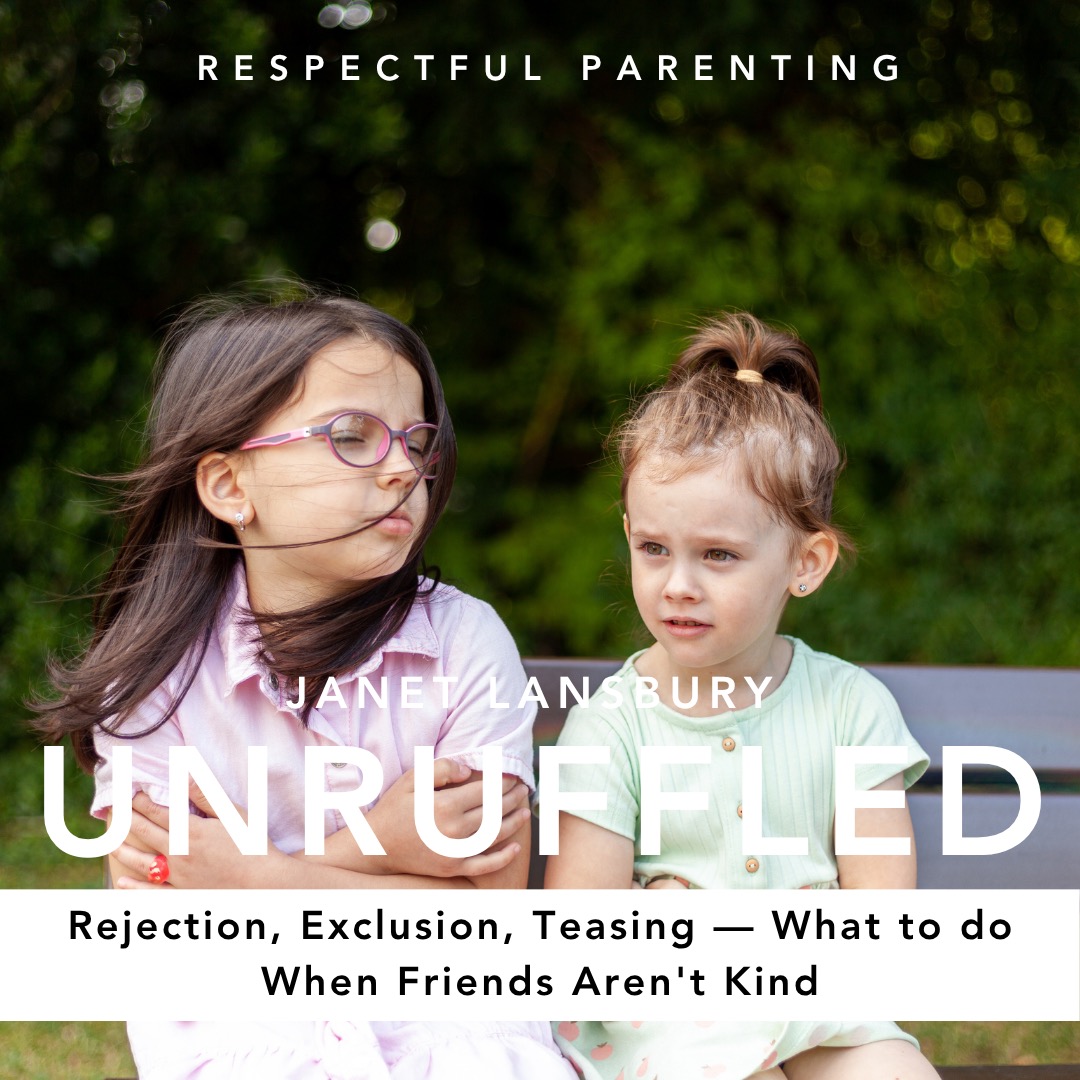
Case Study 2: Neighborhood Exclusion and Social Influence
Another parent shared the experience of her nearly six-year-old daughter being systematically excluded by two sisters in their new neighborhood. These sisters not only excluded her but also influenced other children, including younger siblings, to do the same. They would invite the daughter to play only to abandon her, and even yelled at their siblings to stay away if the daughter was present.
This situation presents a significant challenge for parents, balancing the desire for their child to develop resilience with the need to provide support. The parent’s instinct to talk to the other children’s parents was met with receptiveness, but the exclusion continued. Lansbury suggests that the parent’s role is to empower her daughter by affirming her support and belief in her ability to handle the situation. Instead of directly intervening with the exclusionary children, the focus should be on reinforcing the daughter’s own social choices. This includes encouraging her to spend time with friends who are kind and supportive, and reminding her that the exclusionary behavior is a reflection of the other children’s insecurities, not her own shortcomings. The parent is advised against excessive attempts to "fix" the situation, as this can inadvertently give more power to the negative dynamic. The younger daughter’s loyalty to her sister, in this instance, demonstrates that children can often see through such social maneuvering.
Case Study 3: The "Too Nice" Child and Parental Fears
A poignant account came from a parent whose five-year-old daughter is described as "naive, sweet, thoughtful, smart, and kind to absolutely everyone." This parent worries that her daughter’s inherent kindness will be perceived as weakness, leading to her being taken advantage of, mirroring her own difficult childhood experiences with bullying. She has observed instances where her daughter has been told, "You can’t play with us!" and has accepted it, later expressing sadness.
Lansbury’s response highlights the importance of distinguishing between genuine kindness and allowing oneself to be exploited. The parent’s fear, stemming from her past, is understandable. However, the child’s current behavior, while seemingly submissive, can be reframed as a sign of inner strength and self-possession. The ability to walk away from an unwelcome situation, even with sadness, demonstrates a form of power. The advice here is to nurture this inherent strength by reinforcing the child’s positive attributes and helping her understand that kindness does not equate to weakness. Parents are encouraged to trust their child’s capacity to navigate social complexities, focusing on building her self-esteem and encouraging her to seek out friendships with those who reciprocate her warmth and respect. The parent’s self-awareness regarding her own fears is a crucial step in avoiding the projection of those fears onto her child.
Case Study 4: Bickering Siblings and Parental Triggers
In a different scenario, a parent described her five-year-old daughter and her best friend, who often bicker like siblings. The parent finds this bickering "triggering" and admits to noticing her own daughter’s behavior more, sometimes reprimanding her. She acknowledges that her experience as an only child might make her less adept at handling sibling-like conflict.
This case illustrates how parental reactions can inadvertently escalate or amplify a situation. The parent’s discomfort with the bickering, and her tendency to focus on her own daughter’s actions, suggests she is giving this behavior more power than necessary. Lansbury emphasizes that when children are comfortable with each other, some level of conflict and teasing is normal. The parent’s role is not to fix the conflict but to support both children. When the friend becomes upset, the parent should listen and validate her feelings without immediately blaming her own daughter. Reflecting the child’s emotions ("You didn’t like that, huh?") and gently inquiring if she communicated her feelings ("Did you tell her?") allows the child to process the situation. The key is to avoid taking over the problem, thereby empowering the children to find their own resolutions and learn from their interactions.
Broader Implications and Expert Analysis
The recurring theme across these parental accounts and Lansbury’s guidance is the profound influence parents have on their children’s social and emotional development. By adopting a stance of trust and support, rather than intervention and problem-solving, parents can foster greater resilience and self-efficacy in their children.
- Data on Social-Emotional Learning: Research from organizations like the Collaborative for Academic, Social, and Emotional Learning (CASEL) consistently highlights the long-term benefits of strong social-emotional skills, including improved academic performance, better mental health outcomes, and enhanced civic engagement. The strategies discussed in these case studies directly contribute to the development of these crucial skills.
- The Role of Parental Modeling: Children learn by observing. When parents react to peer conflicts with anxiety, frustration, or an immediate desire to "fix" things, they inadvertently model a lack of trust in their child’s capabilities. Conversely, a parent who remains calm, supportive, and trusts their child’s agency models confidence and resilience.
- Understanding Relational Aggression: The behaviors described—exclusion, social manipulation, and emotional ultimatums—fall under the umbrella of relational aggression. This form of aggression, often prevalent in early childhood, can be particularly insidious because it operates on social dynamics rather than physical force. Understanding its patterns is crucial for parents to respond effectively.
- The Concept of Agency: The idea that children can choose who to give their power to is a powerful reframe. It shifts the focus from external control to internal empowerment. This is not about ignoring hurtful behavior but about helping children understand that they have the ultimate control over how that behavior affects them.
In conclusion, navigating the complexities of childhood friendships requires a delicate balance of support and non-interference. By understanding the core principle of agency and applying it through patient observation and trust, parents can empower their children to develop robust social-emotional skills, navigate peer challenges with confidence, and ultimately, build healthier, more resilient relationships throughout their lives. The ongoing dialogue between parents and experts like Janet Lansbury provides invaluable insights into fostering this critical aspect of childhood development.
