


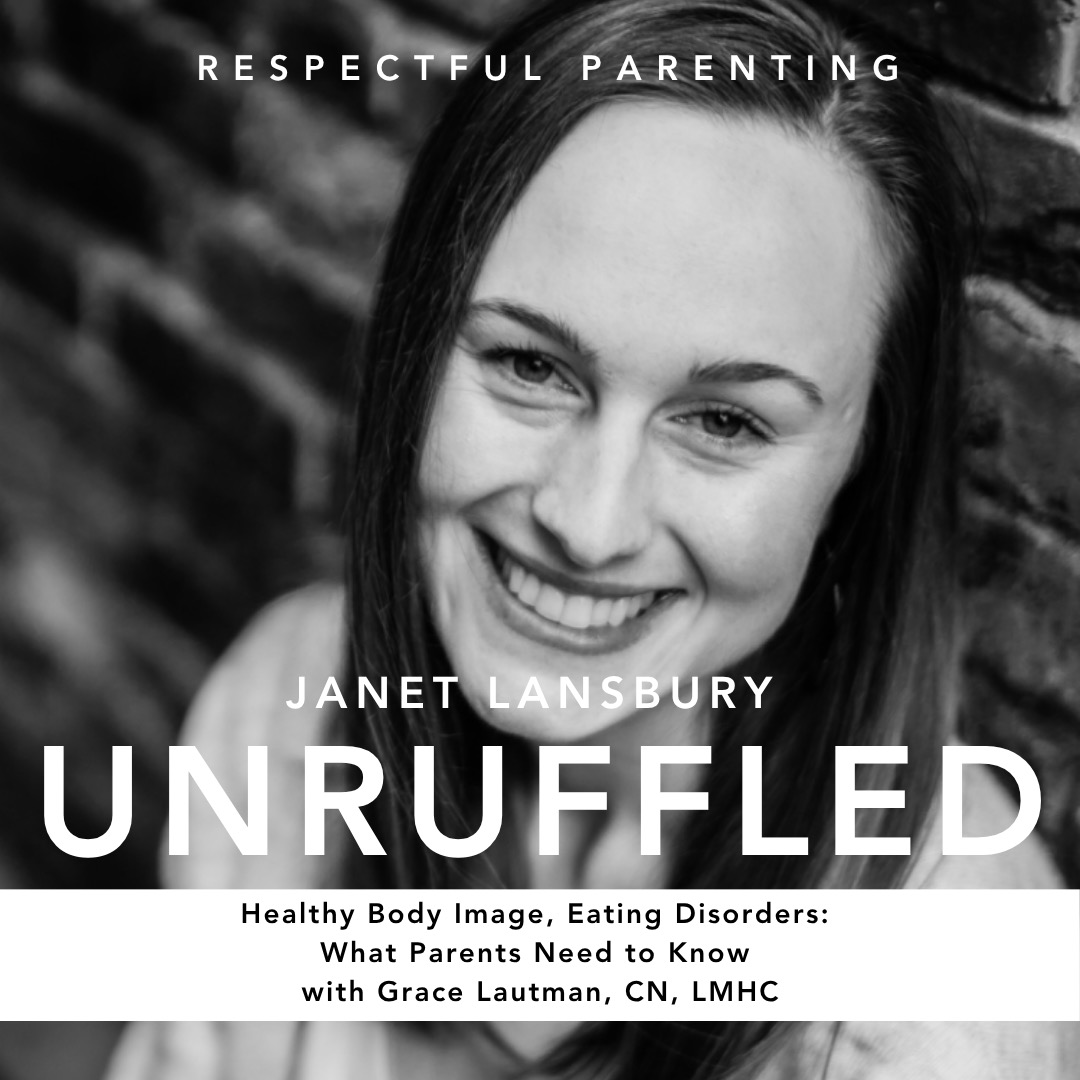
The urgent need for parents to understand and address the complexities of healthy body image and eating disorders in children is highlighted in a recent discussion featuring renowned therapist and nutritionist Grace Lautman, LMHC. Lautman, who specializes in eating disorders and their underlying psychological factors, joined Janet Lansbury on the "Unruffled" podcast to share critical insights for parents navigating these sensitive issues with their children, from early childhood through adolescence. The conversation underscored the intricate interplay between genetics, environment, and parental influence in shaping a child’s relationship with food and their own bodies.
The Evolving Landscape of Eating Disorders
Lautman, whose practice focuses on prevention and treatment of eating disorders in individuals as young as eleven, emphasized that these conditions are not solely the result of parental actions but are influenced by a complex web of genetic predispositions and environmental factors. "It’s absolutely genetics plus environment," Lautman stated, drawing parallels to other complex health conditions. She noted that research, including twin studies, points to a significant genetic component, often rooted in brain differences. However, she was quick to reassure parents that while they don’t "cause" an eating disorder, their actions and the family culture surrounding food and body image play a crucial role in prevention and recovery.
The prevalence of eating disorders is a growing concern globally. According to the National Eating Disorders Association (NEDA), approximately 20 million women and 10 million men in the United States will struggle with an eating disorder at some point in their lives. These disorders can affect individuals of all ages, genders, races, and socioeconomic backgrounds. The impact extends beyond physical health, often entangling individuals in cycles of shame, isolation, and significant mental health challenges.
Understanding the Early Warning Signs and Prevention Strategies
A key focus of the discussion was on identifying early indicators and implementing preventative measures. Lautman stressed the importance of normalizing puberty and growth, including weight gain, as natural and healthy processes. She noted that societal fear surrounding weight, often fueled by cultural narratives about health and beauty, can create significant anxiety for both parents and children. This fear can lead parents to attempt to control aspects of their child’s development, inadvertently exacerbating concerns.
"The prevention is… normalizing puberty and growth in childhood and throughout childhood. Normalizing fat and weight gain as a part of that, because our culture tends to be very fear-based around growth," Lautman explained. She highlighted how this fear can manifest in parents’ reactions to their child’s changing body during pre-teen and teen years, leading to a focus on weight and diet rather than on the child’s overall well-being and relationship with their body.
Lautman also touched upon the subtle ways parental anxiety can be transmitted. Even well-intentioned comments, such as expressing concern about a child’s weight or eating habits, can inadvertently create body image issues. Teens, in particular, are highly attuned to parental anxieties, and what might be intended as a protective measure can backfire, leading them to develop concerns they might not have otherwise had. "I’ve heard a lot of teens say things in private to me like, ‘I never worried about my body until it was starting to be commented on’," she shared.
The "Division of Responsibility" in Feeding
Central to Lautman’s approach is the concept of the "division of responsibility" in feeding, a framework popularized by Ellyn Satter. This model clearly delineates the parent’s role as providing what, when, and where food is offered, while the child’s role is to decide how much and whether to eat. This approach aims to foster autonomy and reduce power struggles around mealtimes.
"The parent responsibility is the what, when, and the where, and the child’s responsibility is how much and whether," Lautman elaborated, emphasizing that this division helps parents relinquish the pressure to control their child’s intake. This can be particularly challenging for parents who fear their child isn’t eating enough, a concern often rooted in deeply ingrained societal messages about food and health.
Lautman recounted a personal anecdote about her own daughter eating chips at 8:00 AM. Instead of reacting with alarm, she embraced the division of responsibility, acknowledging the child’s autonomy while maintaining her role as the provider of meals and snacks. This "unruffled" approach, as Lansbury terms it, allows for a more peaceful and trust-based relationship with food.
Navigating Body Image and the Shift Towards Neutrality
The conversation also delved into the complex topic of body positivity and the potential benefits of aiming for body neutrality instead. Lautman suggested that for many, especially in a culture saturated with often unattainable beauty standards, body positivity can feel like an overwhelming or even inauthentic goal.
"Body neutrality," she proposed, "is more accessible to shoot for body neutrality because we don’t always feel positive about our bodies and our kids don’t always feel positive either. And it’s okay to normalize discomfort because what we’re trying to do is we’re trying to take our body off a pedestal of, ‘It needs to look a very specific way. We need to be super positive with it all the time’."
This approach allows for a more realistic and compassionate stance, acknowledging that bodies change and that discomfort is a normal part of the human experience. Instead of striving for constant positivity, the focus shifts to accepting and coexisting with one’s body, even during times of change or perceived imperfection. This can be particularly helpful when addressing a child’s expression of negative body image, such as saying "I feel fat."
Addressing Underlying Issues: Anxiety, Perfectionism, and Trauma
Lautman underscored that eating disorders often serve as a maladaptive coping mechanism for deeper emotional distress. They can be an attempt to solve complex problems that feel overwhelming or unsolvable. This can include managing anxiety, perfectionism, neurodivergence (such as autism or ADHD), or even trauma.
"An eating disorder is really not what people think, right? An eating disorder is an attempt to solve some complicated problems," she explained. For instance, anorexia can be a way to gain a sense of control in the face of anxiety or perfectionism, while binge eating might serve as a strategy to numb difficult emotions.
Addressing these underlying issues is crucial for recovery. Lautman detailed how therapy can help individuals find healthier ways to cope with distress, such as developing strategies to manage anxiety, process trauma, or understand and accommodate neurodivergent needs. This often involves a combination of harm reduction strategies for immediate eating behaviors and deeper therapeutic work to address the root causes.
When to Seek Professional Help
Lautman emphasized that parents should not hesitate to seek professional guidance if they have concerns about their child’s eating habits, body image, or overall well-being. "It never hurts," she stated. "So if you feel a little nervous or you want to get on top of it, I feel like if you’re wondering, it doesn’t hurt to reach out and just sort of check in."
Clear indicators that warrant professional consultation include significant drops in a child’s growth chart trajectory (distinct from BMI), noticeable shifts in their eating patterns and their emotional experience around food, and heightened distress related to meals or social eating situations. Lautman also offers online resources and courses for parents seeking to deepen their understanding and improve their approach to feeding and body image conversations with their children.
The Power of Parental Vulnerability and Self-Reflection
A recurring theme throughout the discussion was the profound impact of parental self-reflection and vulnerability. Lautman encouraged parents to be open about their own struggles with food and body image, framing it not as a confession of failure but as an opportunity for connection and learning. Sharing their own journey, acknowledging past missteps, and expressing a commitment to doing things differently can be incredibly powerful for children.
"No surprises here, but I don’t have a great relationship with my body. That’s my own stuff and I’m going to work on that," Lautman suggested as a way to communicate with older children. This honesty can dismantle shame and foster a more authentic and supportive family environment. It reframes parental concern from a place of fear to a desire for their child to experience greater self-acceptance and well-being than they themselves may have.
Ultimately, the conversation between Lautman and Lansbury provided a comprehensive and compassionate guide for parents, offering practical strategies and a foundational understanding of the complex factors contributing to healthy body image and the prevention of eating disorders. The emphasis on trust, normalization, and addressing underlying emotional needs serves as a vital resource for families navigating these critical developmental stages.
