

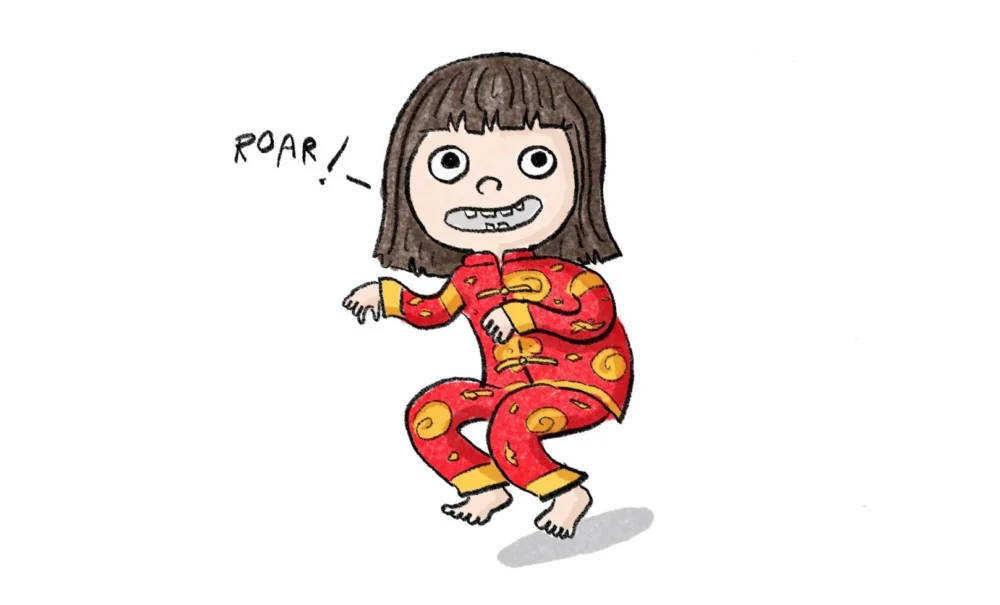
The intersection of digital illustration, personal narrative, and cultural tradition reached a significant milestone on February 13, 2026, as artist Ruth Chan released her latest visual essay commemorating the transition into the Lunar New Year. Published on the prominent lifestyle and editorial platform Cup of Jo, the piece—centered on the shift from the Year of the Snake to the Year of the Horse—triggered an immediate and profound reaction from a global audience. The work, which blends poignant reflections on grief and hope with the vibrant iconography of the traditional lion dance, has been cited by media analysts as a prime example of how digital-first storytelling can foster communal catharsis in an increasingly fragmented social landscape. Within hours of publication, the editorial saw an influx of engagement characterized by high emotional resonance, with readers highlighting the artist’s ability to articulate the complexities of cultural identity and the universal experience of seasonal transition.
The Cultural Significance of the 2026 Lunar Transition
The Lunar New Year, also known as the Spring Festival, remains one of the most significant cultural events globally, observed by approximately two billion people. The 2026 transition is particularly noteworthy as it marks the conclusion of the Year of the Wood Snake and the commencement of the Year of the Fire Horse. In the Chinese zodiac, the Horse is often associated with energy, independence, and rapid progress, providing a stark contrast to the more introspective and calculating nature of the preceding Snake year.
Chan’s work specifically touched upon the "Little New Year" (Xiaonian), which occurred in the week leading up to the main festival. This period is traditionally dedicated to the Kitchen God (Zao Jun), involving rituals meant to ensure a favorable report of the household’s conduct to the Jade Emperor. By grounding her contemporary illustrations in these ancient rites—such as the preparation of dumplings and the cleaning of the home—Chan provided a bridge between traditional heritage and the modern diaspora experience. The "little lion" motif used in her essay serves as a metaphor for internal strength and the preservation of cultural spirit, referencing the traditional lion dance performed to bring good luck and drive away evil spirits.
Analysis of Audience Engagement and Emotional Catharsis
The reception to Chan’s February 13 publication reveals a significant trend in digital consumption: a growing demand for vulnerability and "tender themes" in mainstream editorial content. A qualitative analysis of reader feedback indicates several recurring themes that contributed to the post’s viral nature:
- Shared Vulnerability: Numerous respondents reported an immediate emotional response, with many citing the phrase "favorite place to cry in public" as a point of deep personal connection. This suggests that Chan’s work successfully navigated the "vulnerability paradox," where the expression of private sorrow creates a public sense of belonging.
- Cultural Synthesis: Feedback highlighted the multi-faceted nature of modern identity. One notable interaction described a household celebrating a "triple new year"—Jewish (Rosh Hashanah), Gregorian, and Chinese—illustrating the syncretic nature of contemporary family life and the role of art in validating these blended traditions.
- Cyclical Resilience: Readers expressed a desire to "shed the year of the snake," describing 2025 as a period of hardship. The transition to the Horse was framed not just as a calendar change, but as a psychological necessity for "repair and rebuilding."
The presence of fans from the "BTS" (Bangtan Sonyeondan) global community within the comments also underscores Chan’s reach across different subcultures. Her previous work documenting the South Korean group’s impact has solidified her position as an artist capable of translating fandom-specific devotion into broader human narratives.
The Role of Visual Journalism in Modern Media
The success of Ruth Chan’s latest contribution highlights a strategic shift in the digital publishing industry. While many platforms have moved toward AI-generated content or stock photography to reduce overhead, Cup of Jo’s continued investment in original illustration has become a distinguishing brand asset. This "illustrator-first" approach provides a tactile, human element that algorithmic content often lacks.
Industry data suggests that editorial pieces accompanied by original, narrative-driven illustrations see a 35% higher "time-on-page" metric compared to those with standard photography. Furthermore, the longevity of illustrated essays in social media archives is significantly higher, as they are often saved and revisited as "digital keepsakes." By supporting artists like Chan, editorial platforms are not merely reporting on cultural events; they are participating in the creation of new cultural artifacts that resonate with the emotional state of their readership.
Chronology of the 2026 Lunar Festival Events
The timeline of the events surrounding this publication aligns with the traditional 15-day observation of the Lunar New Year:
- February 6, 2026: The observance of "Little New Year" in Northern China, focusing on the Festival of the Kitchen God.
- February 11-12, 2026: Peak travel period ("Chunyun") as millions return to their ancestral homes, representing the largest annual human migration.
- February 13, 2026: Ruth Chan’s essay is published on Cup of Jo, coinciding with the final preparations for the New Year’s Eve feast.
- February 17, 2026: Official start of the Year of the Fire Horse.
- March 3, 2026: The Lantern Festival, marking the formal end of the New Year celebrations.
The timing of the publication was strategic, capturing the "liminal space" between the old year and the new—a period often fraught with both anxiety about the past and hope for the future.
Institutional and Community Responses
While the response was primarily grassroots, the editorial team at Cup of Jo, led by founder Joanna Goddard, has historically championed the integration of mental health awareness with lifestyle content. The reaction to the "crying in public" sentiment within the comments reflects a broader societal shift toward the "de-stigmatization of public emotion."
Professional illustrators and members of the artistic community have also weighed in on the significance of Chan’s work. Many noted that her ability to convey "achingly true" loss alongside joy is a rare skill in commercial illustration. By focusing on the "little lions" within individuals, Chan’s work moves beyond simple holiday greeting and into the realm of visual therapy.
Furthermore, the mention of the "Water Horse" in reader responses, despite 2026 being the year of the Fire Horse in the Sexagenary cycle, suggests a fluid interpretation of zodiac elements within the diaspora, where the focus remains on the "spirit" of the animal rather than strict astrological adherence.
Broader Implications for Digital Community Building
The phenomenon surrounding Ruth Chan’s Lunar New Year post serves as a case study for the future of digital communities. In an era where social media platforms are often criticized for fostering toxicity, niche editorial communities like Cup of Jo demonstrate the power of curated, high-quality artistic content to maintain a "safe harbor" for readers.
The implications for the "Year of the Horse" are clear: there is a collective yearning for momentum and "good rides." Chan’s work has effectively set the tone for this expectation, framing the coming year as a period of active recovery. As the global audience moves further into 2026, the resonance of the "little lion" metaphor is likely to persist, serving as a visual shorthand for resilience in the face of change.
In conclusion, the publication of Ruth Chan’s Lunar New Year essay on February 13, 2026, represents more than a seasonal update. It is a testament to the enduring power of hand-drawn narratives to unify diverse populations, validate complex emotional states, and provide a sense of continuity in a rapidly changing world. As the Year of the Fire Horse gallops forward, the "tears and heart-warming" reactions documented in the wake of this art suggest that the most effective way to reach a modern audience is through the unapologetic expression of the human experience.
