

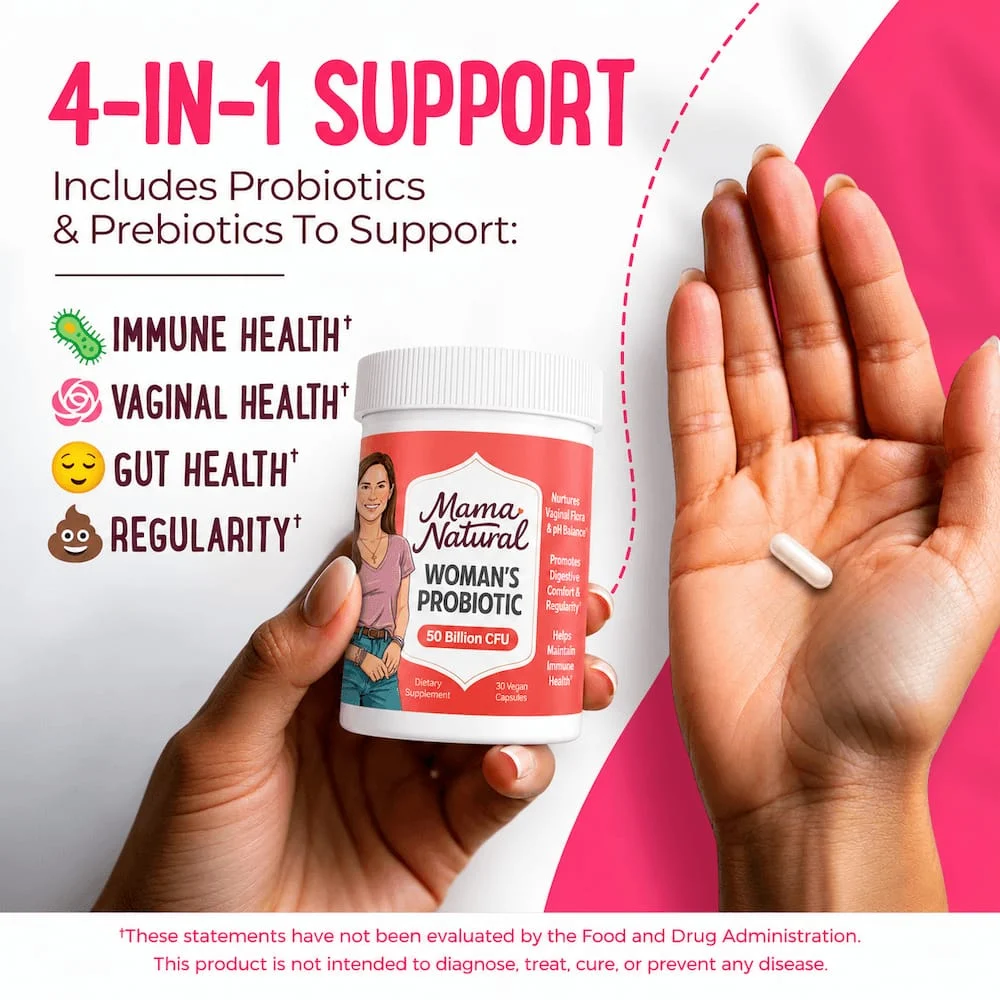
The global probiotic market, valued at approximately $70 billion in 2023 and projected to grow significantly through 2030, has transformed from a niche health food segment into a cornerstone of modern preventative medicine. As consumers increasingly prioritize gut health, the marketplace has become saturated with an array of products ranging from shelf-stable capsules to refrigerated liquids, boasting varying concentrations of Colony Forming Units (CFUs). However, the surge in availability has also led to widespread consumer confusion regarding the efficacy and suitability of specific probiotic strains. Medical professionals and nutritional scientists emphasize that the effectiveness of these microorganisms is highly strain-specific, meaning that a probiotic beneficial for digestive regularity may have no impact on immune function or vaginal health. To navigate this complex landscape, it is essential to understand the intersection of microbial science, manufacturing standards, and individualized health requirements.
The Historical Evolution of Probiotic Science
The concept of utilizing beneficial bacteria to enhance human health is not a modern invention but a scientific field that has evolved over more than a century. The chronology of probiotic research began in earnest in the early 1900s when Nobel laureate Élie Metchnikoff observed that Bulgarian peasants who consumed fermented milk products lived longer, healthier lives. He hypothesized that "putrefactive" bacteria in the gut could be suppressed by acid-producing microbes.
Throughout the mid-20th century, research shifted toward identifying specific species, such as Lactobacillus and Bifidobacterium. The 1990s marked a turning point as the term "probiotic"—defined by the World Health Organization (WHO) as "live microorganisms which when administered in adequate amounts confer a health benefit on the host"—gained regulatory and commercial traction. The most significant leap occurred between 2007 and 2016 with the Human Microbiome Project (HMP). This international effort mapped the microbial communities inhabiting the human body, revealing that the gut microbiome contains trillions of organisms that influence everything from metabolic rate to cognitive function. Today, the focus has moved from general supplementation to "precision probiotics," where specific strains are matched to clinical symptoms.
Deciphering Strain Specificity: Matching Microbes to Symptoms
The efficacy of a probiotic is determined at the strain level, not just the genus or species level. For example, while Lactobacillus rhamnosus is a well-known species, the specific strain Lactobacillus rhamnosus GG has vastly different clinical data supporting it than other strains within the same species.
Gastrointestinal Stability and Bloating
For individuals addressing digestive distress, including bloating and irregular bowel movements, research highlights the importance of strains like Lactobacillus acidophilus and Bifidobacterium lactis. These microorganisms assist in the breakdown of complex carbohydrates and support the integrity of the intestinal barrier. By enhancing enzyme production and nutrient absorption, these strains can mitigate the fermentation processes in the gut that lead to gas and discomfort.
Urogenital Health in Women
The female microbiome is a distinct ecosystem where the dominance of certain bacteria prevents the overgrowth of pathogenic organisms. Strains such as Lactobacillus reuteri and Lactobacillus rhamnosus are frequently cited in clinical literature for their ability to migrate to and colonize the vaginal tract. These strains produce lactic acid, which maintains an acidic pH level, thereby supporting the body’s natural defenses against common urinary and vaginal imbalances.
Immune System Modulation
Approximately 70% to 80% of the human immune system is located within the gut-associated lymphoid tissue (GALT). Probiotic strains like Lactobacillus casei and Bifidobacterium longum interact with dendritic cells and T-cells, "training" the immune system to distinguish between harmless environmental triggers and actual pathogens. This modulation is critical in reducing systemic inflammation and preventing the immune system from overreacting to allergens.
The Gut-Brain Axis and Mental Wellness
One of the most innovative frontiers in microbiology is the study of "psychobiotics." Research into the gut-brain axis has demonstrated that certain strains, including Lactobacillus helveticus and specific Bifidobacterium species, can influence the production of neurotransmitters like serotonin and GABA. Clinical trials have suggested that regular supplementation with these strains can lower cortisol levels, potentially offering a complementary approach to managing stress and mood disorders.
Technical Standards: Quality, Potency, and Delivery Systems
A significant challenge in the probiotic industry is ensuring that the live cultures survive the journey from the manufacturing facility to the consumer’s lower intestine. The "survivability" of a product is influenced by several technical factors that consumers must evaluate during the selection process.
Colony Forming Units (CFUs) and Potency
The CFU count indicates the number of viable bacteria per dose. While marketing often emphasizes high numbers—sometimes exceeding 100 billion—scientific consensus suggests that for general health maintenance, a range of 10 billion to 50 billion CFUs is often sufficient, provided the strains are high-quality. More important than the initial count at the time of manufacture is the "guaranteed potency at expiration," which ensures the bacteria remain alive throughout the product’s shelf life.

Shelf Stability and Desiccant Technology
The traditional requirement for refrigeration was due to the sensitivity of many probiotic strains to heat and moisture. However, advancements in freeze-drying (lyophilization) and packaging have led to the rise of shelf-stable probiotics. Modern supplements often utilize specialized desiccant-lined bottles that wick away moisture, allowing the bacteria to remain in a dormant but viable state at room temperature. This innovation has significantly increased consumer compliance and ease of travel.
Gastric Acid Resistance
The human stomach is a highly acidic environment designed to kill bacteria. For a probiotic to be effective, it must reach the small and large intestines. Manufacturers address this through various delivery methods, such as enteric coatings or delayed-release capsules, which are designed to dissolve only when they reach the higher pH environment of the intestines.
The Role of Prebiotics and Synbiotics
The integration of prebiotics—non-digestible fibers that serve as "fuel" for beneficial bacteria—has led to the development of "synbiotics." A synbiotic product combines probiotics and prebiotics in a single formulation to enhance the chances of successful colonization. Common prebiotics include inulin, fructooligosaccharides (FOS), and galactooligosaccharides (GOS).
While synbiotics offer a synergistic advantage, nutritionists caution that individuals with highly sensitive digestive systems or conditions like Small Intestinal Bacterial Overgrowth (SIBO) should introduce prebiotics gradually. Rapid introduction of high-fiber prebiotics can lead to temporary increases in gas and bloating as the microbial landscape shifts.
Market Analysis and Regulatory Oversight
The probiotic industry operates within a complex regulatory framework. In the United States, the Food and Drug Administration (FDA) generally classifies probiotics as dietary supplements rather than drugs. This means that while manufacturers must ensure their products are safe and their labels are truthful, they are not required to undergo the same rigorous pre-market approval process as pharmaceutical medications.
Industry analysts note a growing trend toward third-party certification. Organizations such as NSF International, USP (United States Pharmacopeia), and Labdoor provide independent testing to verify that the contents of the bottle match the claims on the label and are free from contaminants like heavy metals or common allergens (gluten, soy, dairy). Consumers are increasingly seeking these seals of approval as a benchmark for quality in an unregulated market.
Broader Implications for Public Health
The shift toward personalized microbiome management reflects a broader movement in healthcare toward "P4 medicine": predictive, preventive, personalized, and participatory. As the scientific community continues to uncover the links between the microbiome and chronic conditions—including obesity, Type 2 diabetes, and autoimmune diseases—probiotics are being viewed not just as supplements, but as essential tools in metabolic health.
However, experts maintain that probiotics are most effective when integrated into a holistic lifestyle. A diet rich in diverse plant fibers, adequate hydration, stress management, and the minimization of unnecessary antibiotic use are foundational to maintaining a resilient microbiome.
Conclusion and Future Outlook
As microbial research progresses, the industry is expected to move toward even more specialized formulations. We are likely to see the emergence of "next-generation probiotics," which involve the use of commensal bacteria that were previously difficult to culture outside the human body. Furthermore, the integration of AI and genetic sequencing may soon allow consumers to receive probiotic recommendations based on a personal stool analysis, moving the industry from generalized health goals to precision-engineered wellness.
In the interim, the most effective strategy for consumers remains a combination of symptom-to-strain matching, rigorous quality assessment, and patience. Clinical benefits typically manifest after three to four weeks of consistent use, as the newly introduced strains work to rebalance the existing microbial community. By understanding the nuances of CFU counts, strain specificity, and delivery mechanisms, individuals can make informed decisions that provide tangible support for their long-term health and vitality.
