

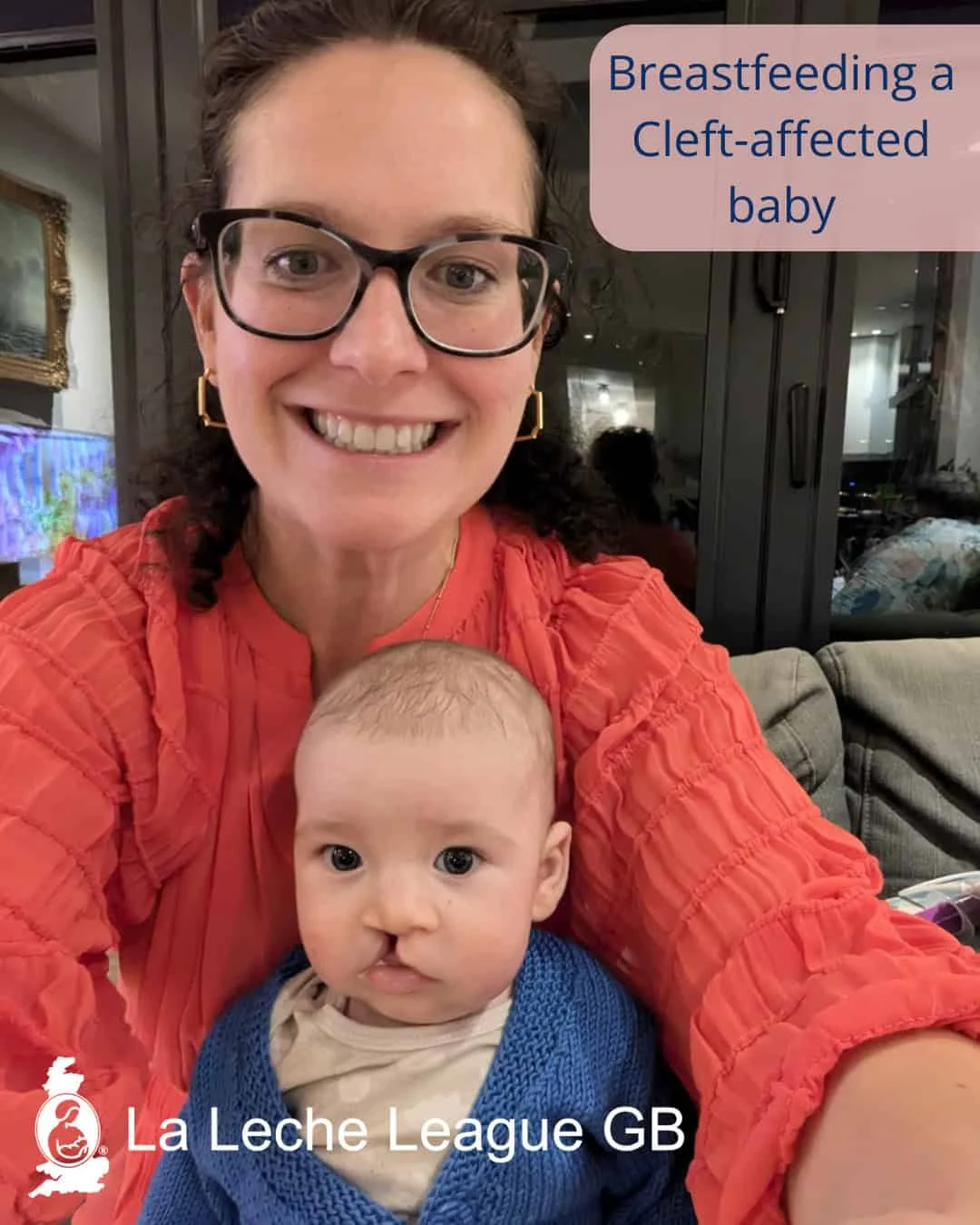
A cleft lip or palate, a congenital condition where the structures forming the baby’s upper lip or roof of the mouth fail to join during prenatal development, affects approximately 1 in 700 babies worldwide. This anatomical variation presents unique challenges for infant feeding, particularly breastfeeding, yet with dedicated support, perseverance, and adapted strategies, successful nursing remains a tangible goal for many families.
Understanding Cleft Lip and Palate: A Medical Overview
Cleft lip and palate are among the most common birth anomalies. A cleft lip involves a split in the upper lip, which can range from a small notch to a complete separation extending into the nose. A cleft palate, often more complex, is an opening in the roof of the mouth that connects the oral cavity directly to the nasal cavity. These conditions can occur independently or together, and may affect one side (unilateral) or both sides (bilateral) of the face.
The exact causes of cleft lip and palate are multifactorial, involving a complex interplay of genetic predispositions and environmental factors. These can include certain medications taken during pregnancy, maternal illnesses, and nutritional deficiencies, though in many cases, the cause remains unknown. Diagnosis is often made during routine prenatal ultrasound scans, allowing prospective parents valuable time to prepare and consult with multidisciplinary medical teams. In other instances, the condition is identified immediately after birth.
The Unique Challenges of Infant Feeding
For infants with a cleft lip, the primary feeding difficulty stems from the inability to form a complete seal around the breast or bottle nipple, leading to air intake and inefficient milk transfer. However, many babies with isolated cleft lip can still breastfeed effectively with adaptations to latch and positioning.
The challenges are significantly greater for babies with a cleft palate. The intact palate is crucial for creating the negative pressure, or suction, necessary to draw milk from the breast or a standard bottle. Without a complete palate, this suction mechanism is compromised, making it impossible for the baby to extract sufficient milk. This often means that direct breastfeeding, in the traditional sense, is not feasible until surgical repair of the palate has been completed. Furthermore, the opening in the palate can lead to milk passing into the nasal cavity, causing discomfort and potential aspiration, which is the inhalation of food or liquid into the lungs.

The Critical Role of Breast Milk for Cleft-Affected Infants
Despite these hurdles, human milk is considered exceptionally beneficial, and even more vital, for infants with cleft lip and palate. Breast milk provides unparalleled nutritional completeness, containing essential antibodies, enzymes, and growth factors that bolster the baby’s immune system. This protection is particularly crucial for infants who will undergo surgery, as it can reduce the risk of infections and support faster healing and recovery.
Moreover, the oral motor stimulation involved in attempting to breastfeed, even if the baby isn’t effectively transferring milk, can be beneficial for developing the muscles around the mouth and jaw. This can contribute positively to future speech development and eating skills after surgical correction. The act of breastfeeding also provides profound comfort and bonding opportunities between mother and baby, which are invaluable during a potentially stressful medical journey.
A Journey of Preparation, Perseverance, and Adaptive Strategies
For families embarking on the feeding journey with a cleft-affected baby, proactive planning and robust support are paramount. The medical pathway typically involves a multidisciplinary cleft team, including plastic surgeons, orthodontists, speech and language therapists, and crucially, lactation consultants. Early consultation with these specialists can provide parents with essential information and practical guidance.
Establishing and Maintaining Milk Production: The Foundation of Feeding
Whether a baby can feed directly at the breast or not, establishing and maintaining a robust milk supply is the first priority. This proactive approach keeps the option of direct breastfeeding open for the future and ensures a steady supply of expressed milk for the baby in the interim.
- Timely Initiation: Ideally, mothers should begin expressing milk within the first few hours after birth. This early stimulation is critical for signaling the body to initiate a full milk supply.
- Supply and Demand: The principle governing milk production is supply and demand. The more frequently milk is removed from the breasts, the more milk the body will produce. In the initial weeks, most mothers need to express or breastfeed at least 8-12 times in 24 hours to establish a full supply. Regular and thorough milk removal prevents the breasts from becoming overly full, which can signal the body to slow production.
- Efficient Tools: A hospital-grade double electric breast pump is generally the most efficient tool for mothers who need to express all or most of their milk. These pumps offer stronger suction and more effective milk removal. Cleft specialist nurses can often facilitate the loan or rental of such equipment. Some mothers may also find success with smaller, portable pumps or hand expression, particularly for colostrum collection in the early days. Comprehensive resources on expressing and storing milk are invaluable for navigating this intensive phase.
- The Demanding Early Weeks: Bringing in a full milk supply for a baby who cannot breastfeed efficiently is undoubtedly challenging. It requires significant commitment and practical support from partners, family, and healthcare providers. The initial weeks are often the most demanding, but many mothers report that after this period, they can maintain their supply with less frequent pumping sessions.
Adaptive Feeding Strategies in the Early Days

In the immediate days after birth, babies consume small amounts of colostrum. If a baby cannot feed effectively at the breast, alternative methods are employed to deliver expressed milk:
- Small Volume Feeding: Syringes, spoons, or small cups can be used to feed colostrum and early milk. These methods ensure the baby receives the vital first milk without requiring suction.
- Specialized Bottles: As milk production increases, these small methods become impractical. Specialized bottles and teats designed for cleft-affected babies are often introduced. These bottles typically feature softer nipples, one-way valves, or compressible designs that allow milk to be delivered without the need for the baby to generate suction. Cleft specialist nurses are instrumental in advising on the most suitable bottle type for an individual baby’s specific needs.
The Efficacy of Nursing Supplementers: Bridging the Gap
For mothers who wish to maintain the direct breast-to-baby connection and stimulate their milk supply while ensuring adequate milk intake, nursing supplementers (also known as supplemental nursing systems or lactation aids) offer a powerful solution.
These systems involve a reservoir (a bag or bottle) filled with expressed breast milk, donor milk, or formula, connected to a thin tube. This tube is taped alongside the mother’s nipple, allowing the baby to latch onto the breast and receive supplementary milk directly through the tube as they suckle.
Benefits of At-the-Breast Supplementation:
- Maintains Breast-Baby Bond: Allows for invaluable skin-to-skin contact and strengthens the emotional connection between mother and infant.
- Stimulates Milk Supply: The baby’s suckling at the breast, even if not fully effective, provides stimulation that helps maintain or increase the mother’s milk production.
- Oral Motor Development: Encourages the baby to practice latching and suckling motions, which can be beneficial for muscle development and preparation for direct breastfeeding post-surgery.
- Psychological Comfort: For mothers, being able to "breastfeed" their baby, even with assistance, can be incredibly validating and emotionally fulfilling. As one mother, Sarah, shared about feeding her cleft-affected son, Russ, "A friend said she had wondered why I was going to all this effort to bridge the gap until potentially breastfeeding after Russ’s palate surgery, but on seeing us feed she said she got it: I was already breastfeeding."
Types of Nursing Supplementer Systems:
Supplementers come in various designs, from gravity-fed systems with tubes taped to the breast, to syringe-based methods for more controlled milk delivery. The choice often depends on the mother’s preference, the baby’s feeding capabilities, and the availability of specialized support.
Practical Tips for Using a Nursing Supplementer (Syringe Method):
When a baby with a cleft palate cannot generate suction, milk often needs to be delivered through the supplementer. A syringe-based approach offers precise control:
- Prepare the System: Fill the syringe with expressed milk and connect it to the supplementer tube.
- Position the Tube: Tape the end of the tube securely to the mother’s breast, ensuring it sits just beyond the nipple when the baby latches.
- Latching: Help the baby achieve a deep latch onto the breast, encompassing both the nipple and the supplementer tube.
- Controlled Delivery: Gently push the plunger of the syringe to deliver small amounts of milk into the baby’s mouth as they suckle. Observe the baby’s feeding cues, swallowing patterns, and breathing to pace the flow appropriately. This prevents gulping and discomfort.
- Maintain Flow: Continue to deliver milk as the baby actively suckles, ensuring they are well-fed without overwhelming them.
Using a nursing supplementer requires patience and practice. It can feel cumbersome initially, juggling the baby, the breast, and the feeding apparatus. However, with consistent effort and support from experienced lactation consultants, many families find their rhythm, making the process smoother and more rewarding.

Optimizing Feeding Positions
Finding a comfortable and effective feeding position is crucial for both mother and baby. While there is no single "right" way, certain positions can help manage the unique challenges posed by a cleft:
- Upright Positions: Holding the baby in a more upright position can help gravity assist milk flow and reduce the risk of milk entering the nasal cavity or causing aspiration.
- Cradle Hold: A modified cradle hold, where the baby’s head and neck are well-supported and slightly elevated, can be effective.
- Football Hold (Clutch Hold): This position allows the mother to have better control over the baby’s head and body, facilitating a deeper latch and allowing her to support the baby’s jaw.
- Cross-Cradle Hold: Similar to the football hold in terms of control, this position allows the mother to guide the baby’s head and position them optimally.
- Support the Jaw: Gentle support to the baby’s jaw can help improve their ability to maintain a latch and compress the breast.
- Positioning Towards the Intact Side: If the baby has a unilateral cleft lip, positioning them so the intact side of their lip is against the breast can help create a better seal.
Experimentation and guidance from a lactation consultant are key to discovering the most effective and comfortable positions.
The Surgical Pathway and Post-Operative Feeding
Cleft lip repair typically occurs around 3 to 6 months of age, while cleft palate repair is usually performed between 6 and 12 months. These surgeries are transformative, significantly improving the baby’s ability to feed, speak, and develop normally.
For babies undergoing cleft lip repair, direct breastfeeding may become more feasible after surgery as the lip structure is restored, allowing for a better seal. However, after cleft palate repair, the baby’s mouth anatomy is significantly altered. While this allows for suction, babies may initially struggle to feed directly at the breast for several weeks as they adapt to their "new" mouth and build strength.
During this post-operative period, maintaining a strong milk supply through continued expression is vital. Breast milk not only provides optimal nutrition but also contains anti-inflammatory properties that can aid in healing and reduce discomfort. Healthcare providers will offer specific post-surgical feeding guidelines, which may include temporary restrictions on pacifiers or certain feeding tools to protect the surgical site. Patience, consistent support, and continued communication with the medical team are essential for navigating this recovery phase and gradually reintroducing direct breastfeeding.
The Broader Impact: Health, Development, and Parental Well-being

The ability to breastfeed, even with adaptations, carries far-reaching implications for both the cleft-affected baby and their family.
- Enhanced Health Outcomes: Breast milk’s protective qualities can significantly reduce the incidence of ear infections, which are more common in babies with cleft palates due to Eustachian tube dysfunction. It also supports healthy gut development and can lessen the severity of common infant illnesses.
- Improved Oral Development: The act of suckling, even with a supplementer, can contribute to the development of oral motor skills that are foundational for later speech and feeding.
- Psychological Benefits for Mothers: Successfully navigating the challenges of feeding a cleft-affected baby can be an empowering experience for mothers, fostering a deep sense of achievement and strengthening the maternal bond. It can alleviate feelings of helplessness and contribute positively to maternal mental health during a demanding period.
- Economic Implications: While difficult to quantify precisely, successful breastfeeding can potentially reduce healthcare costs associated with formula, specialized feeding equipment (if not loaned), and complications like infections or longer hospital stays.
- Community and Support: The journey often connects families with invaluable support networks, including other parents of cleft-affected children, peer support groups, and organizations like La Leche League, which provide crucial emotional and practical assistance.
Expert Perspectives and Policy Recommendations
Leading pediatric surgeons and lactation consultants consistently emphasize a holistic approach to care for cleft-affected infants. Dr. Elena Petrova, a craniofacial surgeon at a prominent children’s hospital, states, "Our primary goal is to ensure optimal nutrition and facilitate the best possible developmental outcomes. For infants with clefts, breast milk is a gold standard, and we are committed to providing every resource to help mothers provide it, whether directly at the breast or through expressed milk."
Lactation consultants, such as Maria Rodriguez, highlight the critical need for individualized, hands-on support. "Every baby and every cleft presentation is unique. We work closely with families to find tailored solutions, adapting techniques and offering continuous encouragement. The journey can be long, but the rewards are immense," she notes.
Advocacy groups worldwide, like the Cleft Lip and Palate Association (CLAPA), champion integrated care pathways that include immediate access to specialized lactation support as a standard component of the cleft care team. They advocate for policies that ensure parents receive comprehensive education, access to necessary equipment, and ongoing emotional support to sustain their feeding goals.
Conclusion
Breastfeeding a baby with a cleft lip or palate is undeniably a journey marked by unique challenges, requiring immense dedication and resilience from parents. However, with the right information, specialized medical and lactation support, adaptive feeding tools, and unwavering perseverance, it is a journey that many families navigate successfully. The profound benefits of breast milk for these vulnerable infants, coupled with the invaluable bonding and empowerment experienced by mothers, underscore the importance of promoting and supporting breastfeeding as a viable and highly beneficial option for babies with cleft lip and palate. The triumphs achieved along this path are a testament to the strength of parental love and the power of comprehensive, compassionate care.
