

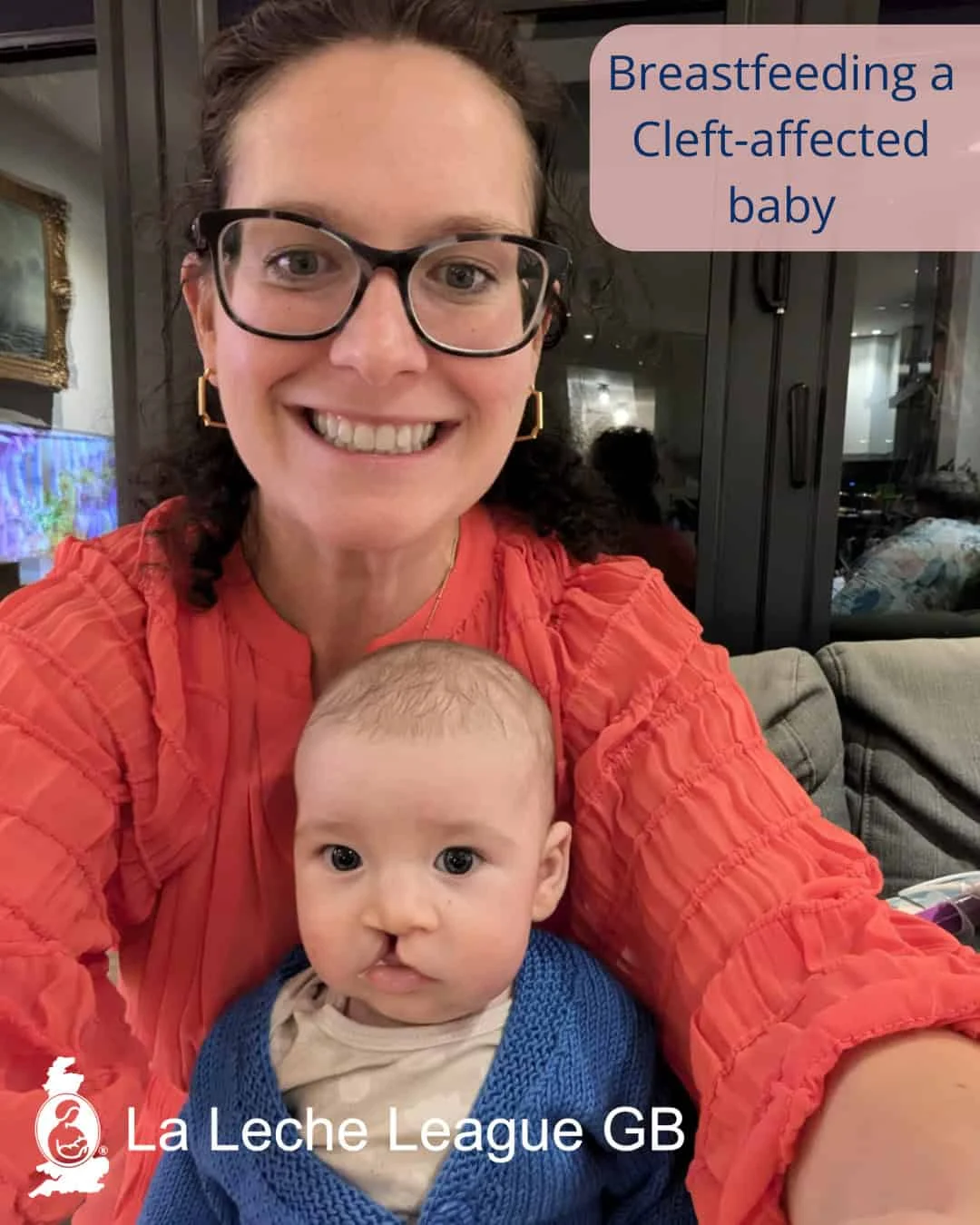
The profound journey of Sarah Muir-Little and her son, Russell, offers a compelling narrative of determination, adaptation, and the enduring power of maternal bond in the face of significant medical challenges. Their story illuminates the complexities of infant feeding, particularly when a baby is diagnosed with a cleft lip and palate, challenging conventional medical advice and highlighting the critical role of parental resilience and informed choice. Beginning with a routine 20-week antenatal scan, what should have been a moment of uncomplicated joy transformed into the start of a protracted battle for the family, culminating in a unique breastfeeding success story that defied initial prognoses.
Antenatal Diagnosis and the Initial Shock
The initial six weeks of Sarah’s pregnancy had been overshadowed by a family crisis, with her father-in-law in intensive care, leaving little room for the usual excitement of impending parenthood. It was against this backdrop of emotional exhaustion that the 20-week anomaly scan, typically a reassuring milestone, delivered unexpected news. After confirming the baby’s gender, the sonographer delivered the stark question, "Have you heard of a cleft lip?" This query introduced Sarah to a world of medical terminology and an immediate sense of loss, as a subsequent conversation with a midwife relayed the devastating news: her baby had a cleft lip and palate, and breastfeeding would likely be impossible.
A cleft lip or palate is a congenital condition occurring when the structures forming the baby’s upper lip or the roof of the mouth fail to fuse completely during early fetal development. Affecting approximately one in 700 babies globally, these conditions can vary in severity, from a small notch in the lip to a complete separation extending into the nose and palate. While many babies with only a cleft lip can breastfeed with minor adaptations, a cleft palate presents a more significant barrier. The opening in the roof of the mouth prevents the creation of the necessary suction pressure crucial for extracting milk from the breast, making direct breastfeeding impractical until surgical repair. This medical reality was a crushing blow to Sarah, who had successfully breastfed her toddler and viewed it as a cornerstone of her maternal identity. The grief associated with the perceived loss of this experience was immediate and profound.
However, a glimmer of hope emerged during a consultation with a specialist nurse. While acknowledging the difficulties, the nurse clarified that some form of breastfeeding journey might still be possible, albeit one that would likely diverge significantly from traditional methods. The full extent of the palate’s involvement would only be known after birth, but the specialist outlined a challenging path ahead: two major operations within Russell’s first year to repair the lip and palate, with further surgeries anticipated in childhood. This comprehensive overview, while sobering, also provided a framework for understanding the road ahead, shifting the focus from an absolute "no" to a complex "how."
The Quest for Alternative Feeding Solutions
Armed with a newfound resolve, Sarah embarked on an exhaustive research mission, meticulously scouring resources from organizations such as the Cleft Lip and Palate Association (CLAPA) and La Leche League International, alongside other medical literature. Her objective was to uncover any examples of successful breastfeeding post-palate surgery. The findings were sparse, underscoring the rarity of such outcomes, but the few cases she did find offered crucial insights: successful breastfeeding typically relied on maintaining a sufficient milk supply through regular expression and employing specialized feeding methods, often involving nursing supplementers.
The first point, maintaining milk supply, seemed within Sarah’s control. She had a history of adequate milk production for her first child, though expressing had been a cumbersome and often frustrating process. Recalling months of hand-expressing small volumes to build a freezer stash, she recognized the need for improved pumping knowledge. Her determination led her to believe she could meet the demanding milk requirements for a cleft-affected baby.
The second point, specialized feeding methods, proved more challenging. Sarah investigated various techniques, including direct hand expressing into the baby’s mouth and the use of nursing supplementers. The latter, which involves a thin tube delivering milk from a bottle to the baby while they latch onto the breast, appeared to be the more practical long-term solution. The UK market offered two primary nursing supplementer systems suitable for cleft-affected infants. One was gravity-fed, resulting in a slow milk flow, while the other utilized a squeezable bottle for milk delivery. Sarah acquired both systems, but neither felt intuitive or manageable, particularly when combined with recommended holds like the "dancer hold," which supports a baby’s head and chin for better attachment. Practicing with a doll highlighted the ergonomic difficulties of simultaneously managing the baby, the breast, and the supplementer system.
The dancer hold, a technique where the index finger and thumb form a "U" shape to support the baby’s chin, is often recommended for infants with low muscle tone or prematurity who struggle with latch. However, the added complexity of a supplementer system made this technique feel insurmountable to Sarah. This initial frustration underscored the gap between theoretical medical advice and practical, real-world application for parents navigating such unique feeding challenges.
Russell’s Arrival and the Early Days of Feeding
Baby Russell’s birth initiated a new phase of intense experimentation and adaptation. Immediately after birth, he was fed expressed colostrum via a syringe, with a finger simultaneously offered for sucking practice. This method aimed to encourage his natural sucking reflex while awaiting Sarah’s milk supply to establish. The plan was then to transition to direct feeding at the breast with a supplementer.
An unexpected practical challenge arose with the feeding syringes. While some ordered syringes were unsuitable for direct feeding, they coincidentally fit the supplementer tube perfectly. Resourceful and determined, Sarah adapted by obtaining larger, screw-cap syringes from the labour ward. With a bit of ingenuity, she drilled precise holes in the caps, creating a snug fit for the supplementer tube. This improvisation allowed for controlled milk delivery, demonstrating the critical need for flexible thinking in such situations. It also highlighted the importance of adhering to safety guidelines for any improvised feeding tools, ensuring caps are removed for direct syringe feeding to prevent choking hazards, and monitoring the baby’s comfort with milk flow.
The conventional guidance for supplementer use involves either inserting the tube after the baby has latched or taping it to the breast before latching. Both presented difficulties for Sarah and Russell. Russell’s fragile latch, due to his inability to create suction, made inserting the tube post-latch impossible. Taping the tube to the breast prior to latching created a long, unwieldy section of tubing that was difficult to maneuver into a newborn’s tiny mouth, especially with a baby who might bob on and off the breast. Sarah developed an alternative strategy: taping the tube very close to the nipple, requiring a strong, water-resistant tape. This method, while reducing the fiddliness, compromised the latch, leading to milk loss and distress for both mother and baby until a workable, albeit imperfect, solution was found.
Despite seeking assistance from various sources, Sarah often found that healthcare professionals lacked specific experience with this complex feeding setup. Concerns about aspiration (choking on milk) were frequently voiced, adding to her stress. Yet, her determination remained unshaken. After a demanding week encompassing a magical home birth and the frustrations of early feeding, she finally established a system that, while imperfect, promised a decent milk flow at a manageable speed, affirming her commitment to their unique breastfeeding journey.
Navigating Feeding Techniques and Conflicting Advice
The challenges with positioning continued. Sarah found the dancer hold impractical and stressful for both herself and Russell. He would repeatedly bob on and off the breast, struggling to latch effectively. Interestingly, he would calm and feed readily from the untaped breast when milk was directly expressed into his mouth, confirming his hunger and the potential for a successful feed if the method was right.

Sarah had primarily used the cradle hold for her toddler, finding it the most natural. After consulting with a specialist at Great Ormond Street Children’s Hospital, they decided to stick with the cradle hold. While this position led to more milk loss from the side of Russell’s mouth due to the cleft, it was more comfortable and familiar for Sarah, prioritizing a relaxed feeding environment. Traditional advice for cleft-affected babies sometimes suggests plugging the lip cleft with the breast or keeping the cleft side elevated to minimize milk loss. However, Sarah prioritized calm feeds and a deep latch within the familiar cradle position. In those initial weeks, feeds were often messy, with both mother and baby frequently wet from spilled milk around the taped supplementer. Despite the fiddliness and frustration, Sarah felt the effort was profoundly worthwhile.
Over time, Sarah and Russell developed a synchronized feeding rhythm. Sarah learned to deliver milk through the syringe, pausing when Russell paused, observing his cues to find an optimal flow rate – not too slow to make him work excessively, nor too fast to overwhelm him. She also discovered that refilling the syringe while he was still at the breast would upset him, leading her to either put him down or adjust his position to manage his expectations.
The unique nature of their feeding method often drew attention and comments, both positive and negative. A friend, initially questioning Sarah’s strenuous efforts, later understood the profound connection she was witnessing: "I was already breastfeeding." Another friend, observing them across a restaurant, commented, "Oh, so the worries about Russ not being able to breastfeed didn’t come to fruition!" These affirmations provided immense emotional validation.
However, the journey was also punctuated by discouraging remarks. A paediatrician, for instance, questioned their method, asserting that specialized cleft bottles were "safe and effective," implying their chosen approach was not. Such comments from healthcare professionals were particularly hurtful and required significant resilience to overcome. Sarah’s conviction remained unshaken: Russell was gaining weight, seemed content, and enjoyed feeding at the breast. While she didn’t love the necessity of the supplementer, she cherished the ability to breastfeed and provide Russell with its myriad benefits, including immunological support and the strengthening of their bond. This highlighted a critical tension between standardized medical protocols and individualized, parent-led care, particularly when families develop effective, if unconventional, solutions.
Evolution of Feeding and Surgical Milestones
As Russell grew, their feeding dynamic continued to evolve. Around ten weeks old, he began to show increased irritation from the tape in his mouth. In response, Sarah gradually moved the tape further from the nipple, eventually eliminating it entirely. This demanded greater coordination but became more manageable as both mother and baby became more adept.
The journey was not linear; there were moments when progress felt stalled, and Russell would become upset or refuse to feed. During these times, Sarah learned to reframe the challenges, reminding herself that Russell was primarily a baby, and his cleft was secondary. Often, the issues were common infant behaviors, such as distraction around three months of age, rather than cleft-specific problems. This perspective was crucial for maintaining emotional equilibrium and avoiding unnecessary self-blame.
Russell underwent his first major surgery to reconstruct his lip and hard palate. The immediate post-operative period was challenging. Once the morphine wore off, Russell initially refused the supplementer, only accepting milk from a bottle. This phase, while temporary, added to the demanding routine of expressing milk and feeding. However, as he recovered, he eventually rejected bottles, preferring the supplementer, perhaps associating bottles with the discomfort of those initial recovery days, or finding the supplementer less effort. This period underscored the exhausting nature of expressing and feeding, a burden largely shared with her husband, whose unwavering support in bottle-washing, night feeds, and emotional reassurance proved invaluable. Their journey was a testament to teamwork, with every successful supplementer feed seen as a bonus for Russell’s health and their unique bond.
The Breakthrough: Post-Palate Repair Breastfeeding
The most significant turning point arrived just before Russell’s first birthday, with his palate surgery. The surgeon advised avoiding suction for a month post-operation to aid healing. Yet, almost immediately, Sarah could detect Russell attempting to suck for the very first time. This nascent ability, a direct consequence of the repaired palate, was a powerful moment of hope. Four weeks later, Russell achieved another milestone: he learned to use a straw, and the very next day, he began sucking and swallowing at the breast.
From this pivotal moment, progress was gradual but consistent. The supplementer, once an indispensable tool, was used less and less as Russell developed the strength and coordination to extract more milk independently. After 15 months of daily pumping, a demanding and relentless commitment, Sarah was finally able to stop. Russell’s latch, while not always typical, was effective, and he was content. He now breastfeeds once or twice a day, a profound achievement that once seemed impossible. This remarkable outcome underscores the body’s incredible capacity for adaptation and the potent influence of a mother’s persistent love and dedication.
Broader Implications: Resilience, Support, and Advocacy
Sarah Muir-Little’s experience with Russell is more than a personal anecdote; it is a powerful case study with broader implications for healthcare, parental support, and societal perceptions of disability and infant feeding. Her journey highlights the immense resilience required by parents of children with complex medical needs, particularly when navigating feeding challenges that lie outside conventional medical advice. The emotional toll of an antenatal diagnosis, the subsequent grief, the relentless research, the daily struggle with feeding logistics, and the emotional impact of both supportive and critical external comments, paint a vivid picture of the parental experience.
The role of organizations like the Cleft Lip and Palate Association (CLAPA) and La Leche League is critical. These organizations provide vital information, community support, and advocacy, often filling gaps in conventional medical advice that may not fully account for individualized solutions or parental preferences. CLAPA, for instance, offers extensive resources for families affected by cleft in the UK, covering everything from antenatal diagnosis to surgical pathways and feeding support. La Leche League International focuses on empowering mothers to achieve their breastfeeding goals, offering support and evidence-based information, which Sarah evidently leveraged extensively. Their existence allows parents to find alternative pathways and validation when faced with rigid medical guidelines.
The conflicting advice Sarah received from healthcare professionals underscores a systemic challenge within the medical community: balancing standardized, evidence-based protocols with individualized care that respects parental intuition and unique circumstances. While specialized cleft bottles are indeed "safe and effective" for many, they may not be the only or even the preferred solution for all families. Sarah’s success with her adapted supplementer system demonstrates the need for healthcare providers to be open to and supportive of creative, parent-led solutions that prioritize the baby’s health and the parent-child bond. The fact that Russell thrived and gained weight under Sarah’s chosen method should serve as a powerful testament to its efficacy.
Furthermore, this story contributes to the ongoing conversation about inclusive breastfeeding support. It broadens the definition of "breastfeeding" to encompass various methods of delivering breast milk at the breast, challenging the often narrow perception that breastfeeding must always involve direct, unassisted sucking. By demonstrating that "breastfeeding the best we can" can take many forms, Sarah’s journey empowers other parents facing similar obstacles, offering hope and practical strategies.
Sarah Muir-Little and Russell’s journey is a beacon of hope and a testament to the power of human connection and determination. It underscores the profound benefits of breast milk, the deep emotional significance of breastfeeding for many mothers, and the critical importance of personalized, compassionate support for families navigating complex medical conditions. Their story is a powerful reminder that with resilience, resourcefulness, and unwavering love, seemingly impossible dreams can indeed become a beautiful reality.
