

The 2026 holiday retail season has seen a significant shift in consumer behavior, characterized by a dual demand for tactile, nostalgic playthings and innovative, low-screen communication devices. As the toy and adolescent gift market continues to evolve, current trends indicate that parents and gift-givers are increasingly prioritizing items that foster intergenerational connection, cognitive development, and social responsibility. This comprehensive analysis examines the leading product categories for the current year, ranging from competitive tabletop games and literary revivals to ethically manufactured plush toys and analog-inspired communication tools.
The Resurgence of Tabletop Gaming and Cognitive Play
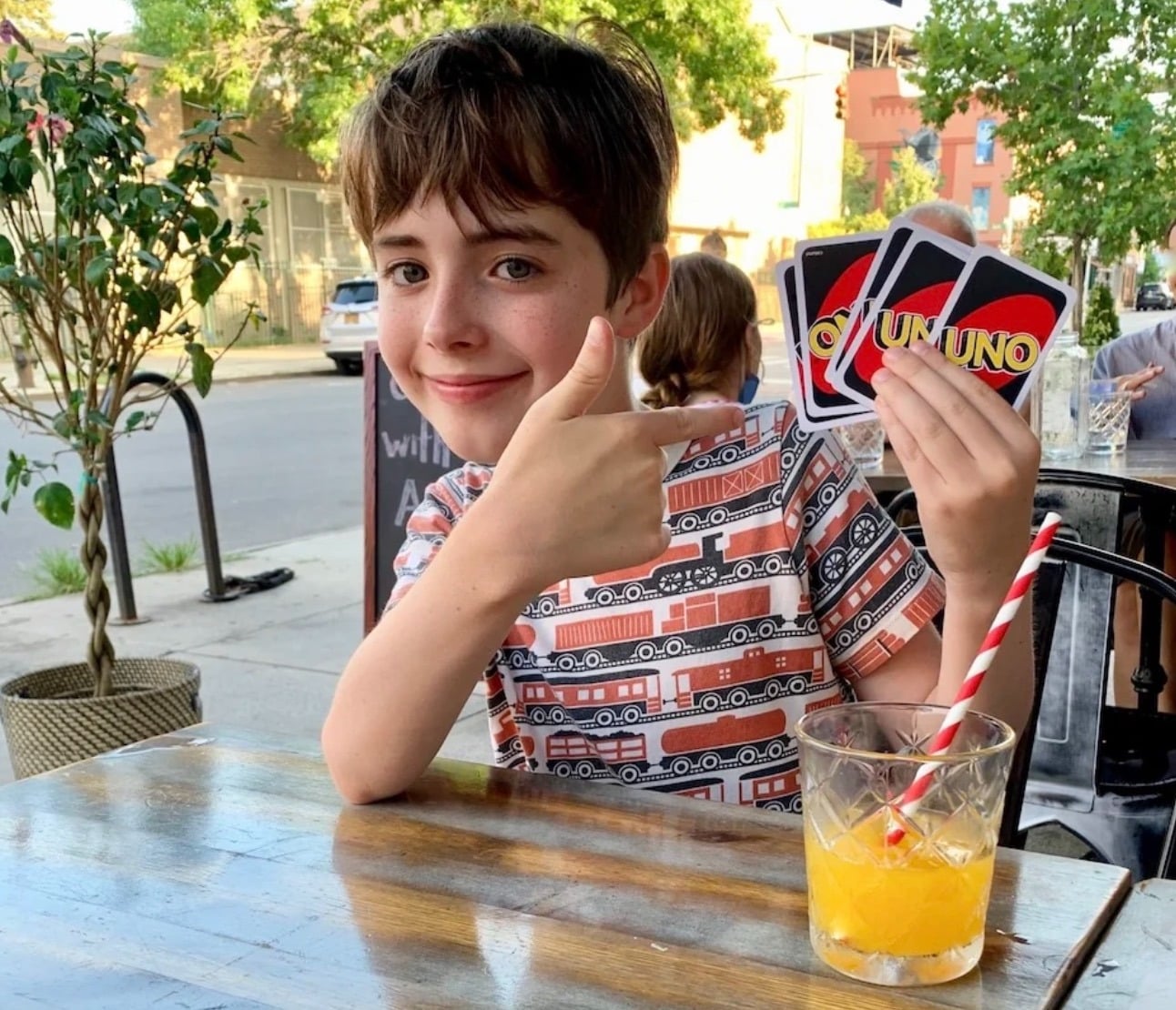
The tabletop gaming sector has maintained robust growth through 2026, with industry reports suggesting a 7.4% compound annual growth rate (CAGR) in the family games category. Leading the current selection is the Uno Tournament Set, a product that elevates the traditional card game into a structured competitive format. Market analysts suggest that "tournament-style" packaging of classic games appeals to the growing "kidult" demographic as well as families seeking high-engagement, low-cost entertainment.
Complementing this trend is the rise of music-integrated games such as Hitster. This product utilizes modern technology to facilitate a multi-generational trivia experience, requiring players to identify hits from various decades. Retail data indicates that games bridging the gap between digital convenience and physical interaction are performing exceptionally well in the mid-range price bracket. Additionally, novelty board games that emphasize humor and physical movement continue to see high turnover rates, particularly among the elementary-aged demographic.

Literary Trends: Nostalgia and the Visual Narrative
In the publishing sector, 2026 has witnessed a "literary renaissance" driven by nostalgia. Classic titles, such as those by Judy Blume, are experiencing a resurgence as parents seek to share their own childhood reading experiences with their offspring. This trend is supported by data from the American Booksellers Association, which notes a 12% increase in sales for backlist children’s titles over the past 24 months.
Conversely, the pre-teen and "middle-grade" market is shifting toward high-intensity visual storytelling. The "Escape from Alcatraz" comic book series exemplifies this movement, combining historical intrigue with the fast-paced consumption style of graphic novels. Educators and child psychologists suggest that the comic book format serves as a vital "bridge" for reluctant readers, particularly in an age where digital distractions are ubiquitous. The affordability of these items—often priced under $10—makes them ideal for recurring purchases and collectible series.
Ethical Consumerism and the "Social Impact" Plush Market
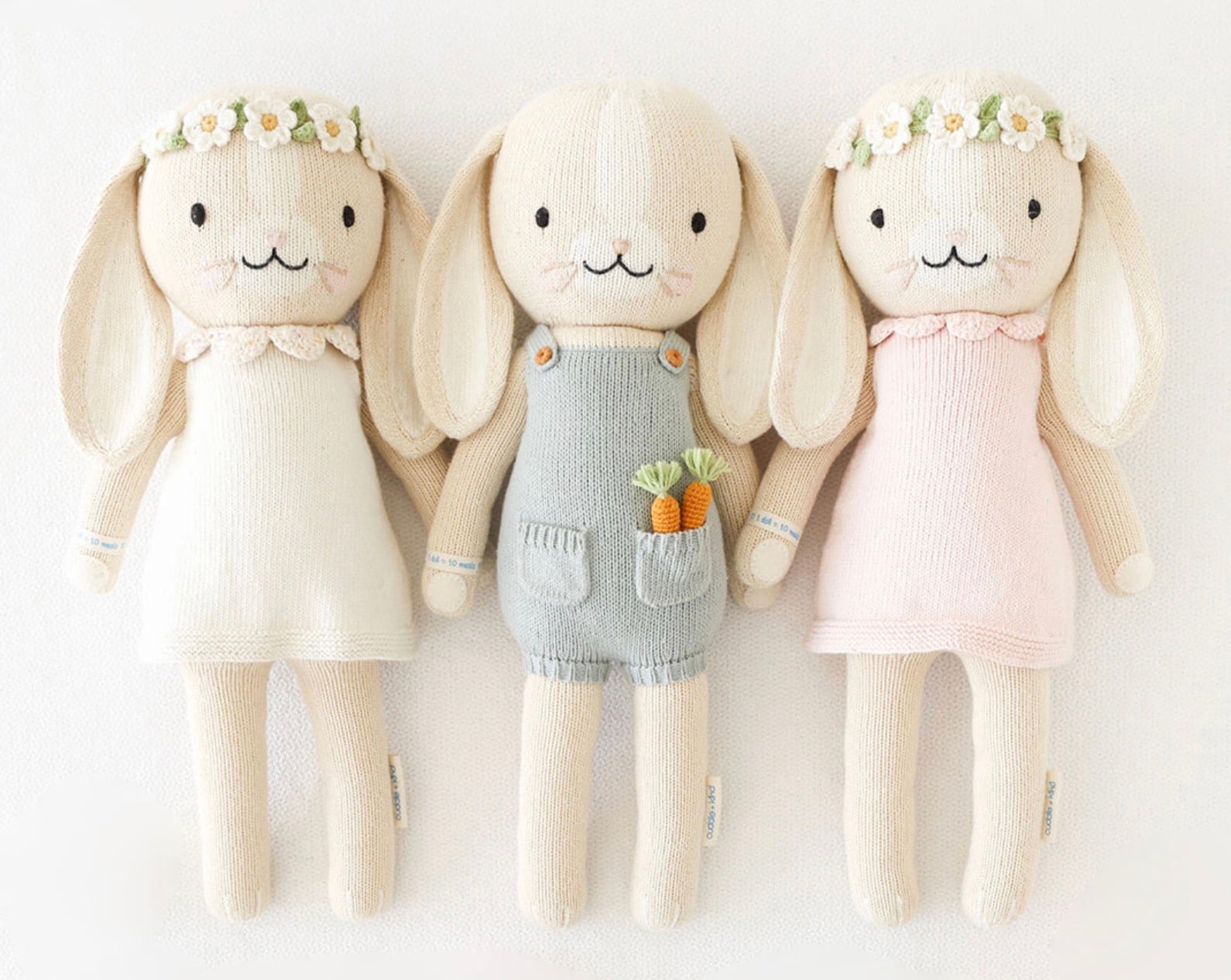
A defining characteristic of the 2026 gift market is the integration of philanthropy with consumer goods. Cuddle + Kind, a prominent manufacturer of handmade cotton dolls, has become a benchmark for this model. The company recently announced a milestone of providing over 40 million meals to children in need, a statistic that resonates deeply with socially conscious Gen Z and Millennial parents.
Market research from 2025 indicates that 64% of parents are more likely to purchase a toy if it has a clear social or environmental mission. The demand for "heirloom-quality" plush items—those made from natural fibers like cotton rather than synthetic polyesters—is also on the rise. These products, while positioned at a higher price point (starting at approximately $43), are marketed as durable alternatives to the "fast-toy" culture that dominated the previous decade.
The Return to Analog: Communication and Exploration Tools
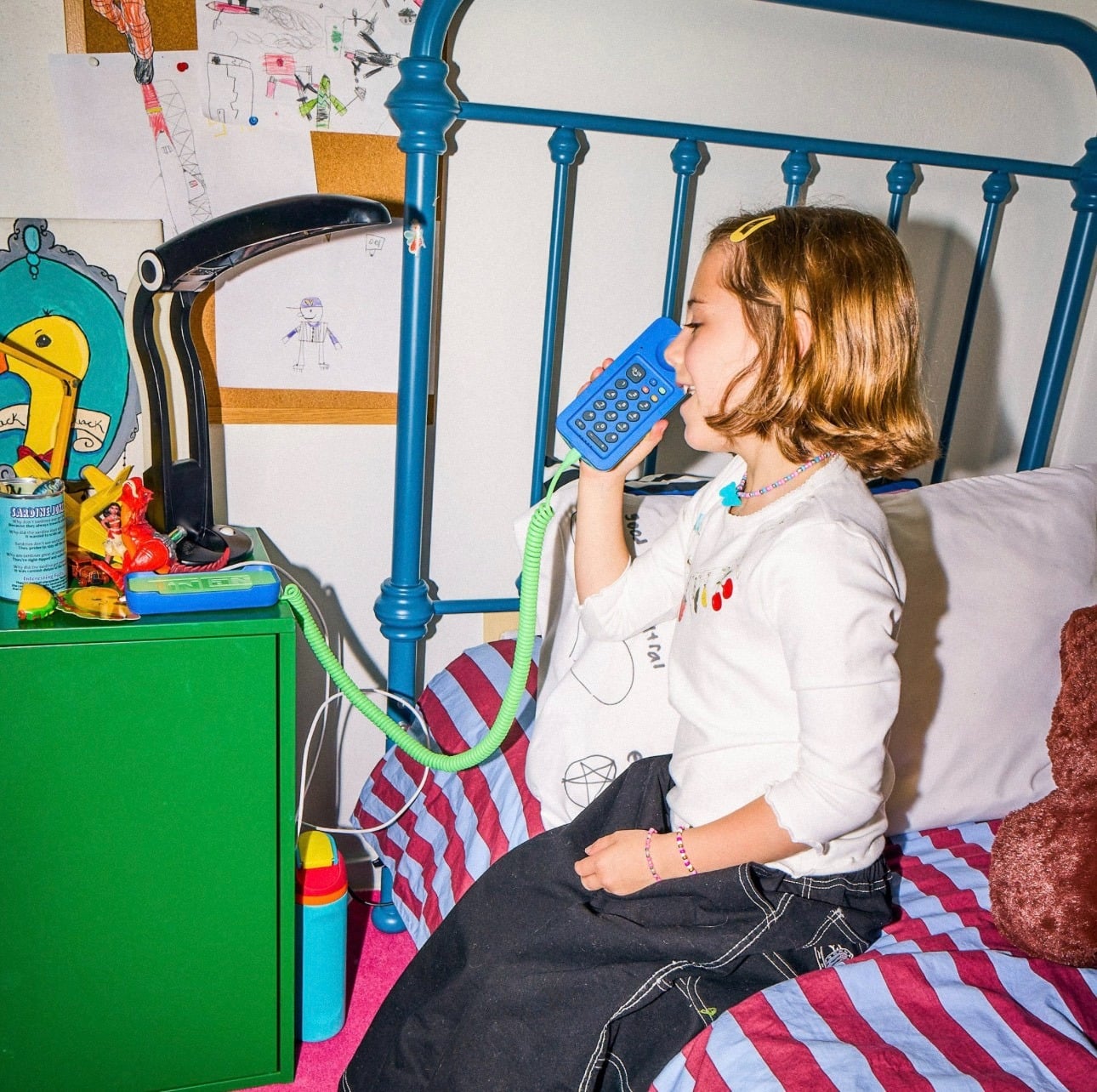
Perhaps the most unexpected trend of 2026 is the rejection of smartphones for children in favor of "tech-lite" communication devices. The "Tin Can" phone, which utilizes WiFi to simulate a traditional landline experience, has emerged as a high-demand item. This product allows children to experience the tactile sensation of a wired conversation without the risks associated with unrestricted internet access.
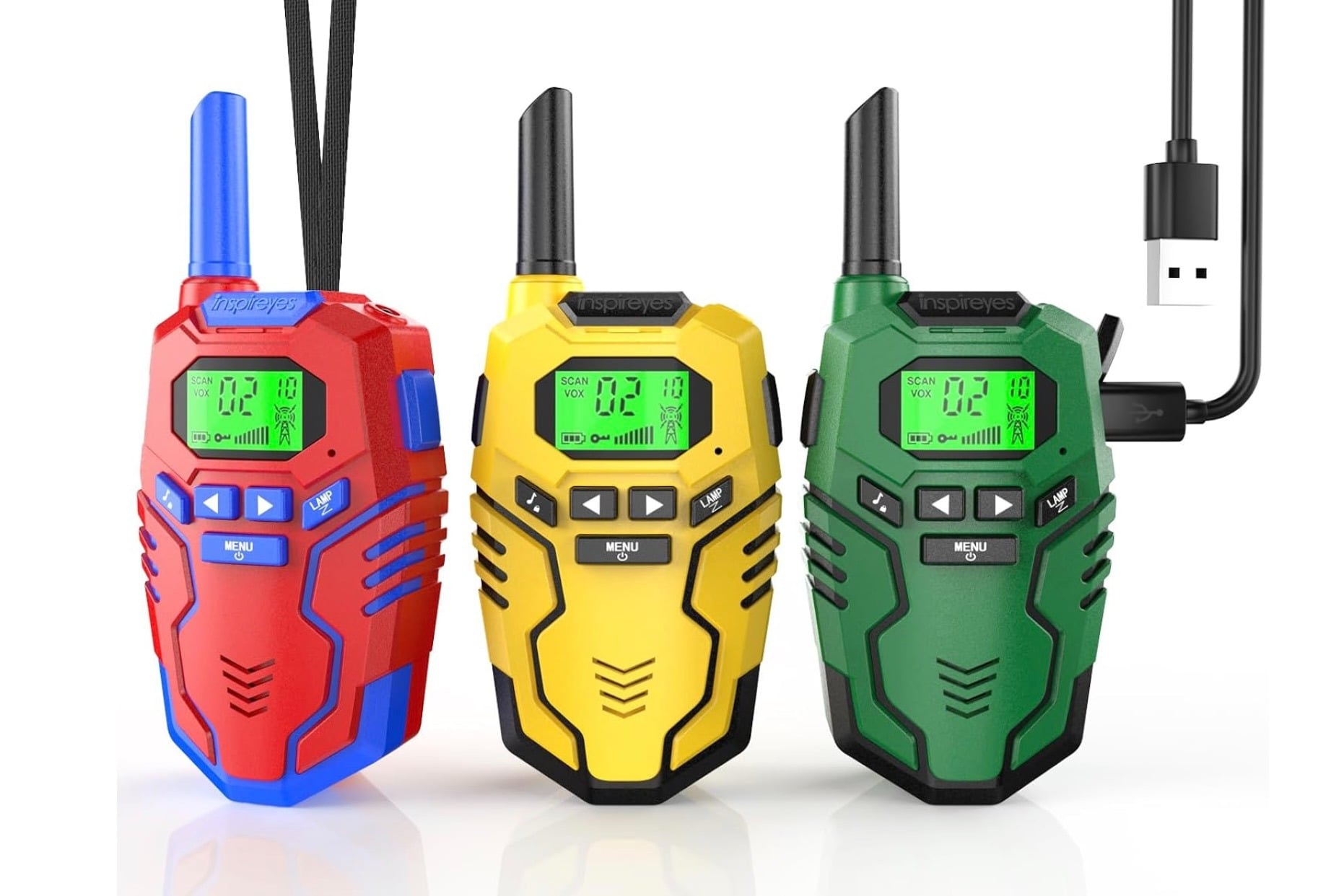
Similarly, long-range walkie-talkies have seen a 15% increase in sales volume this year. With ranges now extending up to two miles, these devices are being marketed as tools for "neighborhood independence," allowing children to explore their surroundings while maintaining a direct line to home. Supporting this category are "everyday tools" repurposed for play, including:
- High-lumen LED flashlights for outdoor exploration.
- Precision stopwatches for athletic and speed-based challenges.
- Mechanical clicker counters for data collection and observational games.
Analysts suggest that these items empower children by providing them with functional, adult-grade equipment rather than simplified plastic toys.
Heirlooms and Aesthetic Integration in Youth Spaces
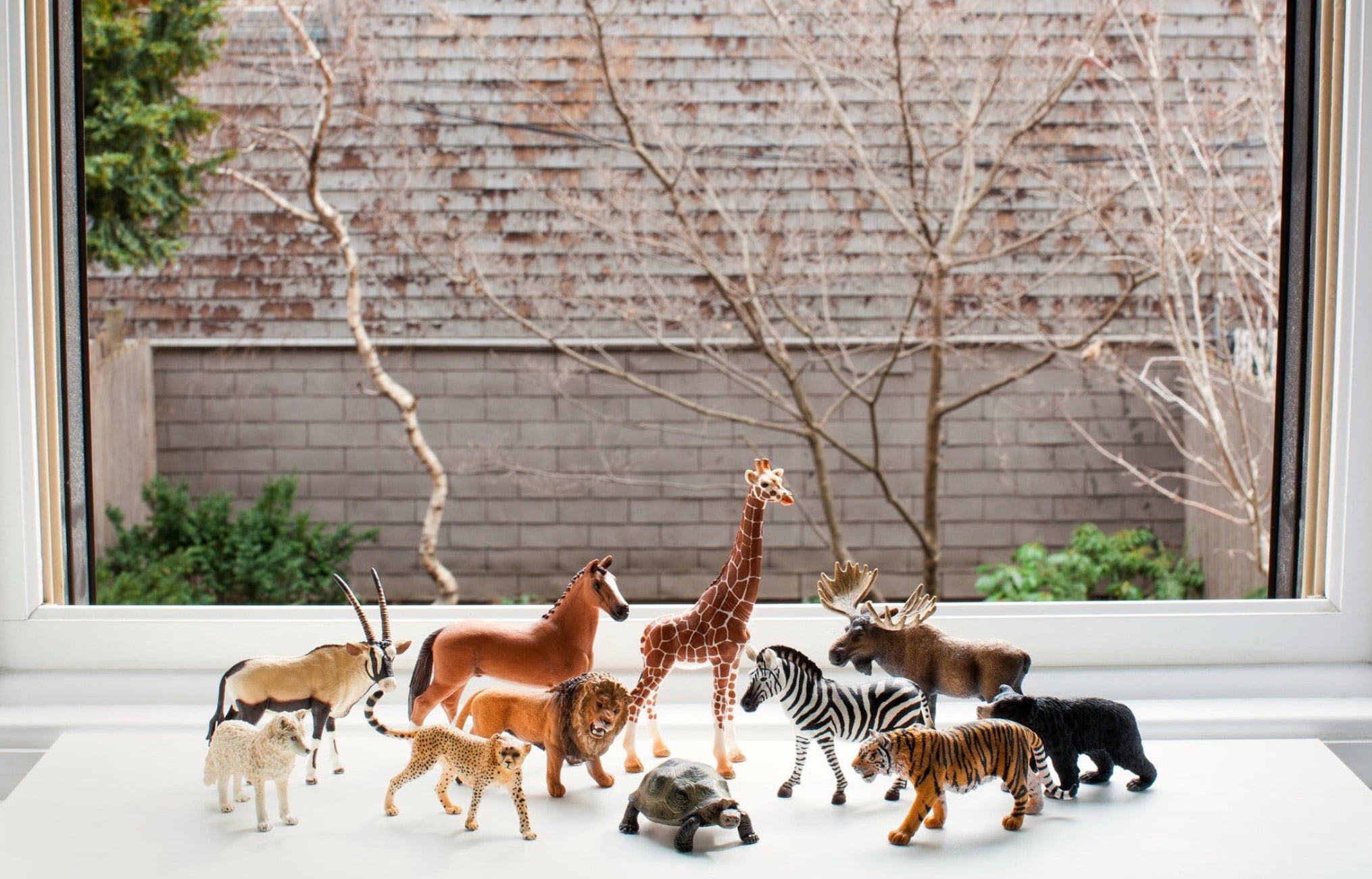
The 2026 market reflects a growing desire for toys that complement modern interior design. Schleich animal figurines remain a staple in this category. Known for their durability and anatomical accuracy, these figurines are increasingly viewed as collectible investments that can be passed down through generations. The secondary market for vintage Schleich models has also seen increased activity on platforms like eBay and specialized toy exchanges.
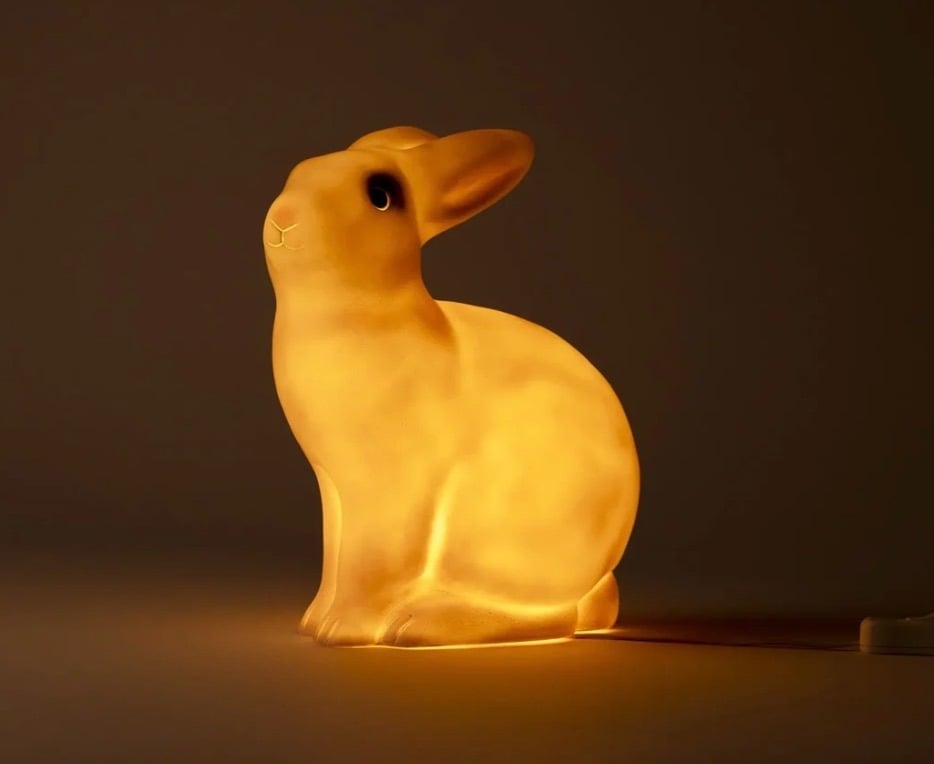
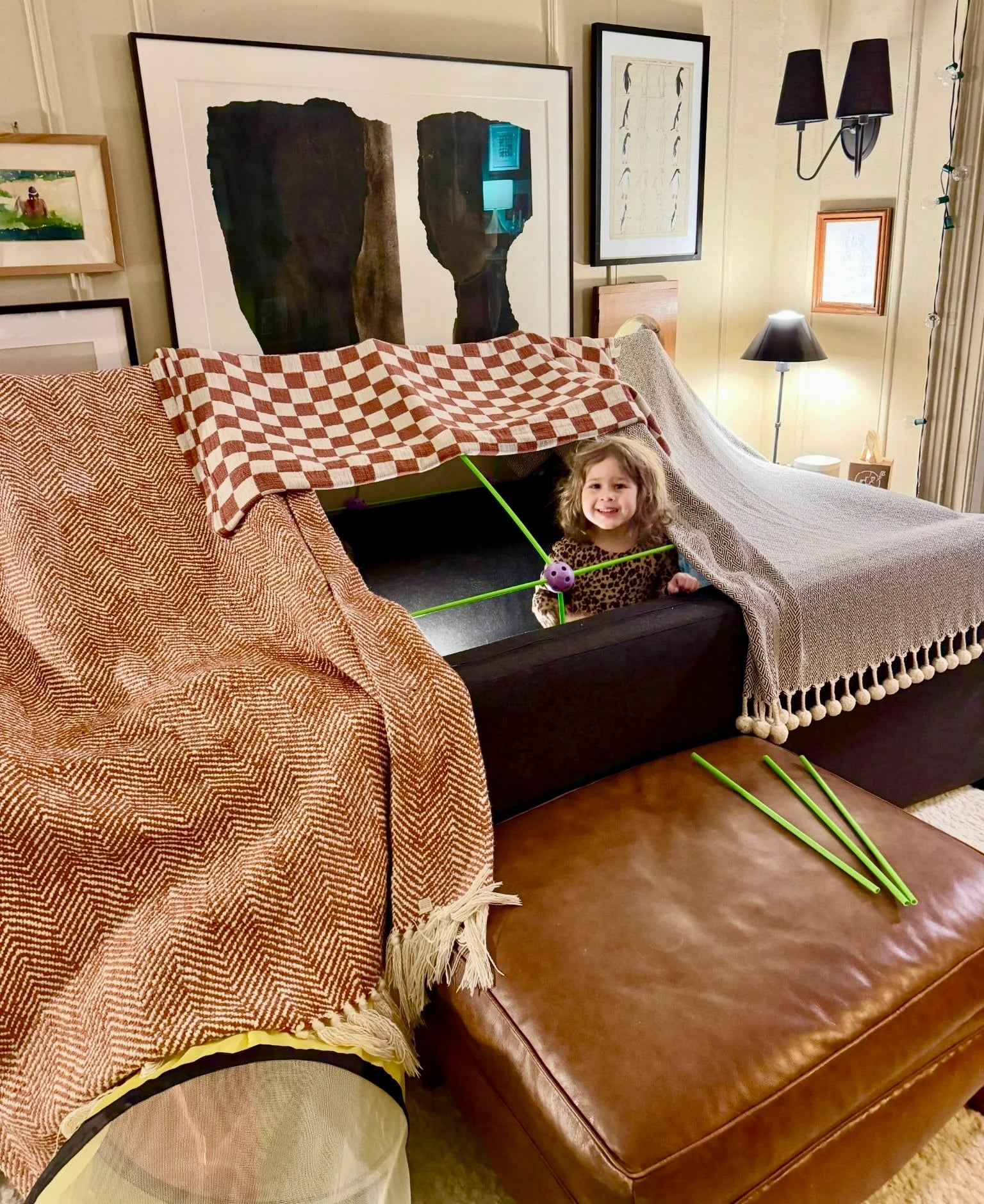
Interior aesthetics also drive the demand for functional décor, such as children’s lighting. The Rabbit Lamp and various novelty nightlights (such as the "potato" lamp) represent a trend where playfulness meets home utility. These items are often priced as "investment gifts," with high-end models reaching $130. Simultaneously, the "fort-building" category has been professionalized, with modular sets replacing the chaotic use of household linens. These sets encourage spatial reasoning and engineering skills, aligning with the ongoing emphasis on STEAM (Science, Technology, Engineering, Arts, and Mathematics) education.
Personalized Media and Novelty Confections
Data-driven personalization continues to be a lucrative sector. Wooden photo blocks, which allow for the display of rotating family snapshots, bridge the gap between digital photography and physical mementos. Retailers specializing in these items report that they are frequently purchased as "sentimental anchors" for children in a rapidly changing world.
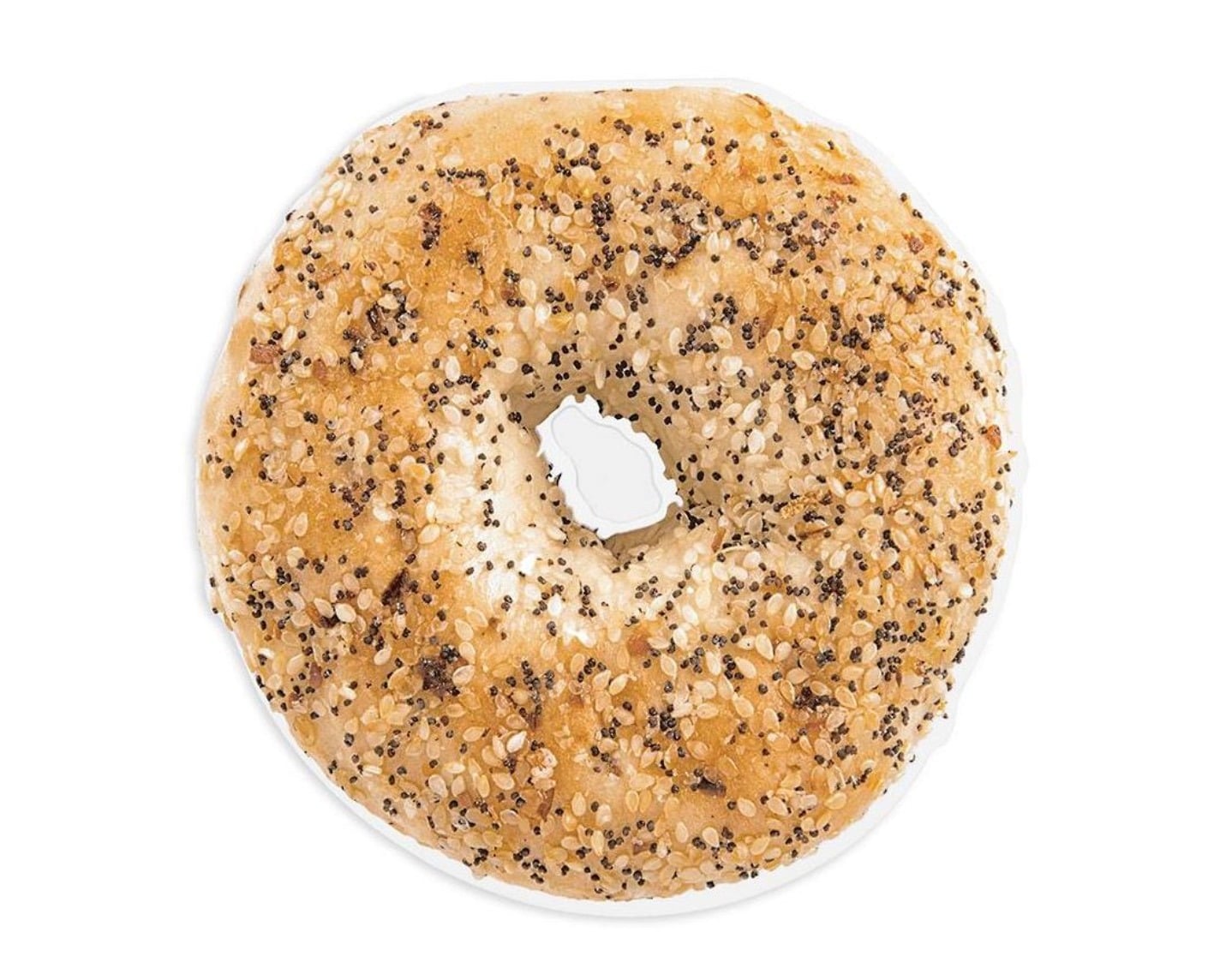
In the culinary gift space, "trompe l’oeil" treats—food that looks like something else—have captured the public imagination. The "Not Fried Chicken" ice cream bucket, while carrying a premium price tag of over $100, has become a viral sensation. This intersection of gourmet food and visual humor represents a growing niche in the luxury gift market for teenagers and families.
Chronology of Gifting Trends: 2023–2026
To understand the current landscape, it is necessary to examine the trajectory of the market over the last four years:
- 2023: Dominance of "Screen-Adjacent" play. High sales in VR headsets and app-integrated toys.
- 2024: The "Tactile Pivot." A resurgence in LEGO sets and complex puzzles as families sought screen-free activities.
- 2025: The "Eco-Conscious" wave. A massive shift toward sustainable materials and carbon-neutral shipping in the toy industry.
- 2026: The "Nostalgia and Connectivity" era. A synthesis of old-school play patterns (landlines, walkie-talkies, classic books) with modern, ethically-sourced manufacturing.
Implications for the Retail and Manufacturing Sectors
The trends observed in the 2026 gift guides suggest a permanent shift in how manufacturers must approach the youth market. Durability is no longer an optional feature but a primary selling point. The success of brands like Petite Plume (high-end pajamas) and Schleich indicates that consumers are willing to pay a premium for quality over quantity.
Furthermore, the role of affiliate marketing and curated editorial content—such as those found in influential lifestyle publications—cannot be overstated. These platforms serve as the primary discovery engines for parents, often driving immediate sell-outs of niche products. For retailers, this necessitates a more agile supply chain capable of responding to sudden, social-media-driven demand for specific "aesthetic" or "nostalgic" items.
In conclusion, the 2026 youth gift market is defined by a sophisticated balance of the past and the future. By prioritizing social impact, physical connectivity, and heirloom quality, consumers are sending a clear message to the industry: the most valuable gifts are those that facilitate real-world interaction and lasting memories. As we move toward 2027, the industry is expected to further refine these categories, with a continued focus on mental well-being and the promotion of independent, imaginative play.
