

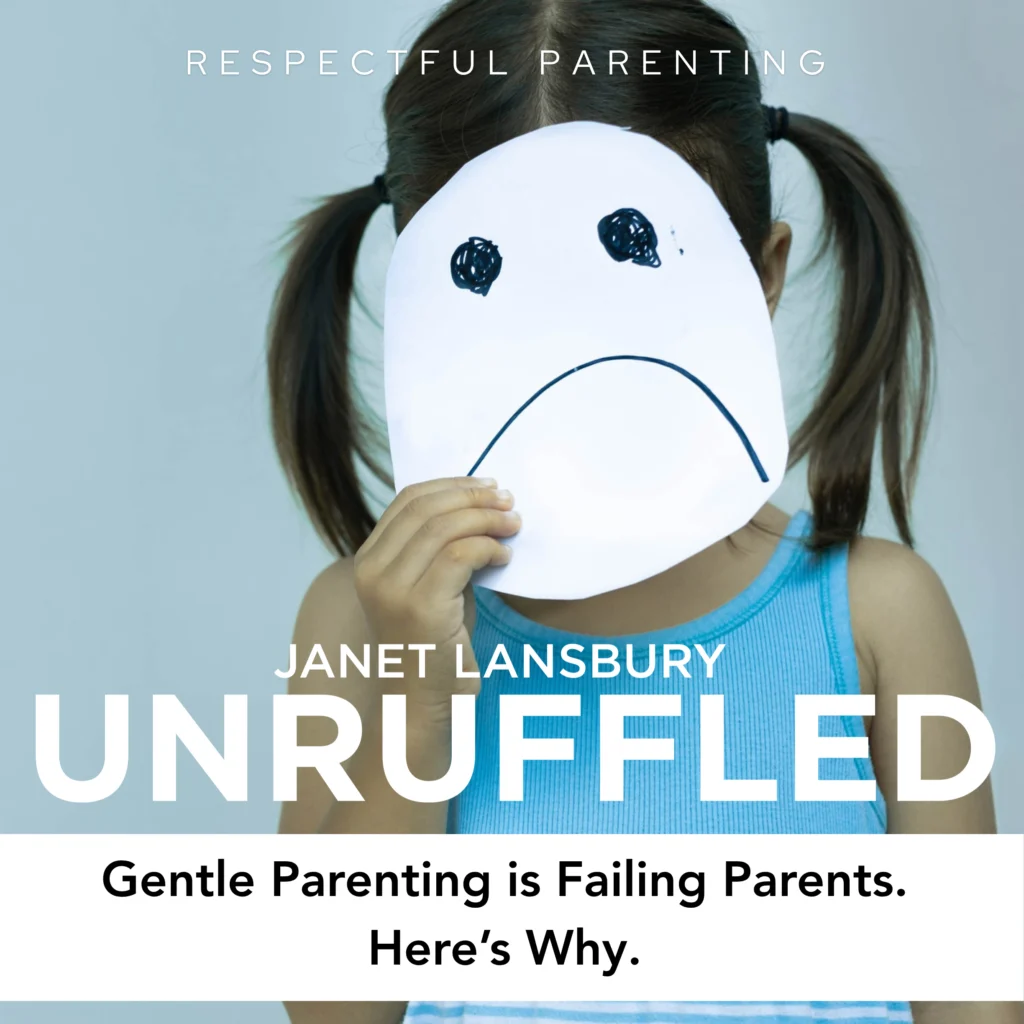
A growing number of parents are expressing frustration and exhaustion with the tenets of "gentle parenting," an approach that has surged in popularity in recent years. What was intended to foster calmer family dynamics and stronger parent-child bonds appears to be leaving many feeling overwhelmed, perpetually second-guessing their decisions, and struggling to establish necessary boundaries. This trend has prompted a critical re-evaluation of the approach, with experts suggesting that a shift towards confident leadership, rather than an adherence to potentially misinterpreted "gentle" directives, may be the key to more effective and fulfilling parenting.
The Ambiguity and Misinterpretation of "Gentle Parenting"
The term "gentle parenting" itself has become a point of contention, lacking a universally agreed-upon definition. This ambiguity has led to diverse interpretations and applications, often diverging from its original intent. Janet Lansbury, a prominent parenting advisor whose work is often cited in discussions of gentle parenting, notes that the term has been inconsistently defined and applied. "I have actually not been sure, because it’s not a term that I’ve ever used to describe the approach that I recommend," Lansbury stated in a recent podcast episode. "Although it seems that a lot of publications, when they write articles about gentle parenting—it’s been a popular thing the last couple of years, that people want to bash this and say how terrible it is."
Historically, the concept of "gentle discipline" emerged from attachment parenting circles around 2009, often interpreted as a method to avoid causing children disappointment. However, Lansbury’s early observations suggested this approach could lean towards permissiveness, a concern that seems to resonate with current critiques.
The Rise of Counter-Trends and Parental Dissatisfaction
Recent reports indicate a significant shift in parental attitudes, with younger generations, particularly Gen Z and Millennials, reportedly moving away from gentle parenting. A YPulse report, referencing a longer article in the Wall Street Journal, highlights the emergence of "FAFO" parenting, an acronym for "F-Around and Find Out." This approach emphasizes allowing children to experience the natural consequences of their actions, a stark contrast to the often-prolonged explanations and emotional validation associated with gentle parenting. For instance, if a child refuses to wear a raincoat, FAFO parenting might involve allowing them to experience getting wet.
This pivot suggests a desire for more direct and less emotionally taxing parenting strategies. Some young parents express a preference for this more "blunt style of consequence learning," feeling it frees them from "tiptoeing around their children’s feelings." This trend underscores a perceived exhaustion with the perceived demands of gentle parenting, which some feel can lead to parents "tiptoeing around their children’s feelings."
Expert Analysis: The Pitfalls of Leading with "Gentle"
Lansbury argues that the very emphasis on "gentle" as the primary descriptor for parenting is problematic. "Taken at face value, ‘gentle’ is not a helpful foot for us to put forward as parents," she contends. She posits that "gentle" is more of a trait or a byproduct of effective parenting, rather than a foundational principle. Leading with gentleness, especially in disciplinary situations, can lead to a hesitant, overly cautious approach that stifles parental confidence and clarity.
Instead, Lansbury advocates for "confident leadership" as the core of effective parenting. This approach, she believes, fosters security in children and clarity for parents. While respect is a crucial element—treating children as capable individuals from birth—confidence provides the necessary strength to navigate challenging behaviors. "When I’m confident, I can be truly gentle from a place of strength," Lansbury explains. "Not because I’m afraid you’re going to react and you’re going to be mad at me, because I already know that you are going to react, because I’m doing something that you don’t want. That’s my job as a parent, I’ve got to be the leader for you."
Seven Pillars of Confident Parenting
To cultivate this essential confidence, Lansbury outlines seven key considerations:
-
Take a Step Back and Gain Perspective: Recognizing the developmental stage of children is crucial. While their behaviors can seem overwhelming, understanding their inherent smallness and immaturity can shift parental perception from being intimidated to feeling capable of guiding them. Observing children in play settings often reveals their true size and dependence, counteracting the inflated sense of their power in moments of misbehavior.
-
Understand the "Why" Behind Misbehavior: A fundamental understanding of child development and the root causes of challenging behavior is essential. When parents grasp that misbehavior is often a sign of a child "losing it" or struggling, rather than a deliberate act of defiance, it reduces anxiety and allows for a more compassionate response. Resources like Lansbury’s "No Bad Kids Master Course" aim to provide this foundational knowledge, which, once internalized, becomes a permanent shift in perspective.
-
Accept the Dynamic: Set Boundaries, Allow Feelings: A core principle is the acceptance that parents are responsible for setting boundaries, and children are entitled to their feelings about those boundaries. This means acknowledging and allowing children to express their emotions—frustration, anger, disappointment—without necessarily trying to fix or immediately appease them. The parent’s role is to hold the boundary firmly yet kindly, while allowing the child to process their feelings.
-
Navigate Cooperative Tasks with Confidence: Tasks such as tidying up, personal hygiene, or bedtime routines require a specific type of confidence. These are opportunities for parents to demonstrate leadership by setting clear expectations, sometimes accepting partial completion, and maintaining a sense of calm. This involves the confidence to "cut losses" when necessary, focusing on the overall goal rather than perfection in every instance.
-
Embrace the Messiness: Parenting, especially with young children, is inherently messy. Emotions, both positive and negative, can be overwhelming for children to manage. Parents should embrace this inherent messiness, recognizing that mistakes are part of the process and an opportunity for repair. The ability to apologize and make amends later for parental shortcomings reinforces trust and strengthens the parent-child bond.
-
Recall Moments of Success: Parents are encouraged to reflect on times when their parenting felt effective, particularly when setting boundaries. Identifying the internal state during those successful moments—feeling more sure of oneself, decisive, or capable—can provide a blueprint for recreating that confidence in future situations. This involves consciously adopting that mindset for all boundaries, not just the ones that feel intuitively easy.
-
Aim for Progress, Not Perfection: The journey of parenting is a process, and aiming for confidence even 50% of the time is a significant achievement. The focus should be on consistently moving in the direction of confident, respectful leadership, understanding that "gentle" is a natural outcome of this foundation, not the foundation itself. This consistent effort fosters resilience and a more positive parent-child relationship.
Contrasting with Formal Definitions of Gentle Parenting
Examining formal definitions of gentle parenting, such as those found in articles by medical professionals, reveals potential points of divergence. One common aspect highlighted is the "parent as teacher" role, where parents help children identify and understand emotions. However, Lansbury suggests that, during a tantrum, labeling a child’s emotion ("you look frustrated") can be counterproductive, potentially escalating their distress. Studies indicate that extensive talking during tantrums can prolong them, as it can feel like the parent is prioritizing their own need to teach over the child’s immediate need for support.
The emphasis on "appropriate developmental expectations" is universally recognized as important, but Lansbury argues it should inform any parenting style, not just gentle parenting. Understanding why children behave as they do—whether biting as toddlers or door-slamming as teenagers—should lead to a more informed and less judgmental approach, regardless of the parenting label.
Furthermore, the avoidance of punishments and behavioral rewards, a cornerstone of gentle parenting, is often cited. While this aims to foster an internal moral compass, the proposed alternatives—lengthy dialogues about impulsive behaviors or alternative actions—can be perceived as overly complex for young children. The example of a parent explaining to a child what else they could do when angry after throwing a toy is seen by some as a disconnect between the child’s impulsive action and the parent’s rational explanation.
The concept of "developing boundaries" within gentle parenting, which emphasizes empathy and flexibility, is also scrutinized. While acknowledging a child’s feelings is important, Lansbury cautions against excessive explanation, suggesting a more direct and authentic approach is often more effective. The goal, she emphasizes, is not to have prolonged conversations about every boundary, but to provide clear guidance and support.
The Crucial Role of the Parent-Child Relationship
Despite critiques, the principle that the parent-child relationship is central remains a shared ideal across most parenting philosophies. The argument that gentle parenting prioritizes this relationship is valid, but Lansbury contends that any effective parenting approach must place the relationship at its core. When an approach leads to disconnection or a sense of being on opposing teams, it inevitably impacts a child’s behavior, self-esteem, and overall well-being.
Broader Implications for Family Dynamics
The perceived failures of gentle parenting and the rise of alternative approaches like FAFO signal a broader parental quest for efficacy and sustainability. The notion that gentle parenting is "time and energy intensive" is a significant point of contention. If misinterpreted as requiring constant emotional attunement and lengthy explanations, it can indeed lead to burnout. However, Lansbury argues that a confident leadership approach, which prioritizes clear boundaries and acceptance of feelings, can be more efficient and less draining in the long run.
The idea that gentle parenting requires "high parental investment" and an understanding of child psychology is also debated. Lansbury suggests that simple reflections of a child’s emotional state, such as "I see you, my love, and I’m here," are sufficient without requiring deep psychological analysis.
Ultimately, the discourse surrounding gentle parenting highlights a critical need for clarity and practical application. While the intention to foster kind, empathetic, and respectful relationships is laudable, the execution can falter if the approach is perceived as permissive, overly complex, or emotionally draining. The enduring message from experts like Lansbury is that confident leadership, grounded in respect and understanding, provides a more robust framework for navigating the complexities of raising children, leading to more secure children and more empowered parents. The shift away from rigid labels and towards core principles of leadership, connection, and respect appears to be the most sustainable path forward.
