

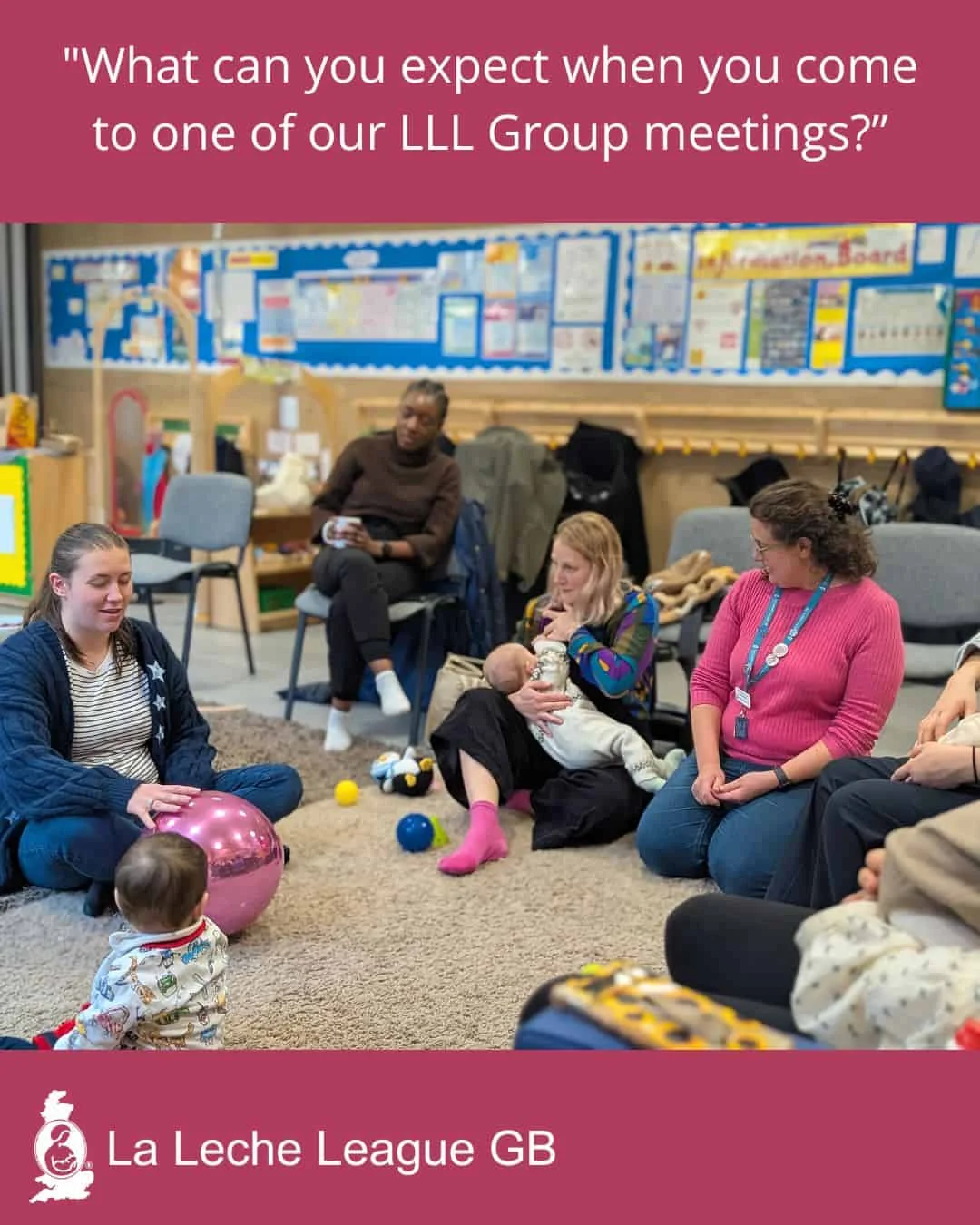
A recent La Leche League (LLL) Barnet circle discussion brought together a diverse group of mothers, spanning varied stages of parenthood and infant development, to address the multifaceted challenges and triumphs associated with breastfeeding while navigating the return to professional life. The gathering, characterized by its open dialogue and shared experiences, underscored the profound emotional and practical considerations inherent in this significant transition for many families. Participants included solo mothers, those with older children, and mothers whose infants ranged from three to 20 months, collectively illustrating the broad spectrum of modern maternal journeys. The conversation revealed a deep sense of connection amidst varied personal circumstances, providing a grounding perspective on shared anxieties and adaptive strategies.
Understanding the Emotional Landscape of Transition
The predominant theme emerging from the circle was the significant anxiety accompanying the return to work for breastfeeding mothers. This emotional intensity was described as a deeply biological response, rooted in mothers’ innate wiring to provide continuous care for their infants. The mere anticipation of separation, whether for part-time or full-time employment, often triggers a wave of apprehension, preceding the practical logistics. This emotional pre-computation of potential distress, the imagined time apart, and the unknown reactions of their infants can feel overwhelming and emotionally charged.
Research consistently supports the profound psychological impact of maternal separation. Studies indicate that mothers returning to work often experience increased levels of stress, guilt, and anxiety, particularly when balancing breastfeeding goals with professional responsibilities. A 2021 study published in the Journal of Women’s Health highlighted that maternal stress levels can significantly impact milk supply and the overall breastfeeding experience, creating a cyclical challenge. The LLL Barnet discussion echoed these findings, with mothers expressing concerns not only about their babies’ well-being but also about their own capacity to manage the emotional demands of such a significant life shift. This period represents a critical juncture where maternal identity, career aspirations, and infant care needs intersect, often leading to a complex emotional ride.
Navigating the Practicalities: Breastfeeding and Employment Logistics
Beyond the emotional preparation, the discussion delved into the tangible logistics of exclusively breastfeeding (EBF) alongside work commitments. For many, this involves intricate planning around childcare arrangements and milk expression. Several mothers shared plans for their infants to attend nursery three days a week, necessitating a robust strategy for providing breast milk during their absence. The conversation also highlighted the varied experiences with pumping; one mother recounted the immense stress associated with regular pumping, ultimately finding that her child adapted well without a consistent pumped supply, offering a gentle reminder that diverse paths can lead to successful outcomes.
According to the Centers for Disease Control and Prevention (CDC), while 84.1% of infants born in the U.S. in 2017 started breastfeeding, only 25.8% were exclusively breastfed at six months. The return to work is frequently cited as a primary reason for early cessation of breastfeeding. Workplace support, including dedicated pumping spaces and flexible schedules, is crucial. The Fair Labor Standards Act (FLSA) mandates that employers provide reasonable break time for an employee to express breast milk for one year after her child’s birth and a place, other than a bathroom, that is shielded from view and free from intrusion. However, compliance and adequate facilities remain challenges for many working mothers. The LLL Barnet group’s discussion implicitly touched upon the need for employers to move beyond minimal compliance to truly supportive environments that recognize the biological and emotional needs of breastfeeding employees.
Infant Feeding Strategies Beyond Direct Latch
The group explored various methods for providing breast milk when mothers are absent, including the introduction of bottles or, for some families, skipping bottles entirely in favor of cups. The timing and method often depend on the baby’s developmental stage and how established solid foods are in their diet. Between six and twelve months, breast milk remains a central and nutritionally vital source of nourishment. It was acknowledged that mothers should extend grace to themselves and their infants if their child still heavily relies on milk during this period. The World Health Organization (WHO) and UNICEF recommend exclusive breastfeeding for the first six months of life, followed by continued breastfeeding alongside appropriate complementary foods up to two years of age or beyond. This global guidance underscores the importance of continued milk intake even as solids are introduced.
For babies transitioning to alternative feeding methods, LLL International provides extensive resources. They suggest introducing a bottle or cup once breastfeeding is well established, typically around four to six weeks, to avoid nipple confusion. However, the discussion noted that some babies might refuse bottles if introduced later, making cups a viable alternative, especially for infants approaching six months and showing readiness for solids. This flexibility in feeding strategies highlights the individualized nature of infant care and the importance of adapting to each baby’s unique pace and preferences.
The Rapid Dynamics of Infant Development
A key insight shared was the incredibly rapid pace of infant development. The period between two to four months, for example, can bring about radical growth and developmental leaps, making it feel as though one has an entirely different child. This swift evolution means that predicting precisely how a baby will adjust to new routines, such as nursery attendance, is often impossible. However, experience suggests that transitions frequently unfold more smoothly than anticipated. Infants possess a remarkable capacity for adaptation, a fact that can offer reassurance to anxious parents.
Pediatric developmental milestones illustrate this rapid progression. By three months, infants can often follow objects with their eyes, hold their head steady, and respond to sounds. By six months, they are typically sitting with support, babbling, and reaching for objects. These continuous changes mean that a baby who struggled with a particular feeding method or routine at three months might adapt seamlessly to it at six months. This dynamic nature of infant development underscores the need for flexibility and patience from parents and caregivers alike, reinforcing the idea that "this season" of life is constantly shifting.
Entrusting Care: Navigating the Childcare Conundrum
A deeply felt concern among many mothers is the vulnerability associated with entrusting their infants to others, especially when they are the primary caregivers and possess an intimate understanding of their babies’ unique cues and needs. The idea of ceding this specialized knowledge to external caregivers can be daunting. Yet, one mother’s positive experience with nursery staff provided a powerful counter-narrative. She shared her pleasant surprise at the knowledge, attunement, and responsiveness of the caregivers, highlighting the importance of thorough vetting and open communication with childcare providers.
The decision of choosing childcare – be it a nursery, a grandparent, or a nanny – is one of the most significant parents make. Quality childcare has been shown to have long-term benefits for children’s cognitive and social-emotional development. However, access to affordable, high-quality childcare remains a significant societal challenge in many regions. For breastfeeding mothers, ensuring caregivers are knowledgeable about safe handling and feeding of breast milk, as well as responsive feeding cues, is paramount. Checking in regularly, asking questions, and seeking reassurance are not only beneficial for the baby’s transition but also vital for regulating the mother’s own nervous system, helping to mitigate anxiety and build trust.
Understanding Reverse Cycling and Its Implications
The concept of "reverse cycling" was also discussed, referring to the phenomenon where babies compensate for time apart from their mothers by taking a greater proportion of their milk feeds at night or during periods when they are reunited. This is a common and entirely normal adaptive behavior for breastfed babies. After a day apart, many infants will naturally seek more frequent nursing sessions, not only for nutritional intake but also for comfort, connection, and to re-establish proximity with their primary caregiver.
Reverse cycling is a testament to the intelligent design of breastfeeding and the profound bond between mother and child. It allows babies to maintain their milk intake and mothers to sustain their supply even when separated during the day. While it can lead to more frequent night wakings, understanding it as a natural adaptive mechanism can help mothers cope with the disrupted sleep patterns. LLL leaders often reassure mothers that this is a temporary phase and a sign that their bodies and babies are successfully navigating the demands of separation. It underscores that breastfeeding is not merely about nutrition but also about comfort, security, and attachment.
Adapting to New Rhythms: Life in a Nursery Setting
The discussion touched upon how babies adapt to the predictable rhythms of nursery life. While some babies may initially refuse milk unless it is directly from the breast, many eventually settle into the structured routine of play, snack, nap, and home. This predictable environment often provides a sense of security that helps infants adjust. Early childhood educators emphasize the importance of consistent routines in helping young children feel safe and regulated in new environments.
Creating a bridge between home and nursery routines can also aid in this transition. Parents might share their child’s typical schedule, comfort items, and preferred soothing techniques with nursery staff. Over time, babies learn to associate the nursery with play and interaction, and home with comfort and closeness, including frequent nursing. This dual adaptation demonstrates the incredible resilience of infants and their capacity to thrive in diverse environments, provided there is consistent, responsive care.
Prioritizing Parental Well-being and Self-Care
The circle also acknowledged the critical importance of parental well-being. One mother’s plan to prepare her baby for nursery by scheduling an evening out with her partner, entrusting bedtime to a grandparent, highlighted the value of parents carving out time for themselves. There was a shared sentiment that letting go of some anxiety and trusting the experience, even if it means the baby might play longer or sleep later, is beneficial. The ultimate outcome, it was affirmed, is that "everyone survives," and parents benefit immensely from opportunities for enjoyment and rejuvenation.
Parental mental health is inextricably linked to family well-being. The stress of balancing work, childcare, and breastfeeding can take a significant toll. Maternal self-care, which can range from short breaks to dedicated time for personal interests or partner connection, is not a luxury but a necessity. Supporting mothers in this transition means recognizing their needs for emotional and physical replenishment. This holistic approach to maternal and infant well-being is a core tenet of LLL’s philosophy, emphasizing that a nurtured mother is better equipped to nurture her child.
Broader Societal Context and Support Systems
The LLL Barnet circle’s discussions, while personal and intimate, resonate with broader societal challenges and policy implications. The anxieties and logistical hurdles faced by these mothers are not isolated incidents but reflections of systemic issues concerning parental leave, workplace support for breastfeeding, and access to affordable, high-quality childcare. In many countries, parental leave policies are insufficient, forcing mothers to return to work sooner than desired, often before breastfeeding is fully established or when infants are still highly dependent.
Organizations like La Leche League International play a vital role in providing peer-to-peer support, evidence-based information, and advocacy for breastfeeding families. Their circles offer a safe space for mothers to share, learn, and feel understood, mitigating feelings of isolation that can accompany the intense demands of early motherhood and career re-entry. Public health initiatives, employer policies, and government legislation all have a part to play in creating an environment where mothers can successfully integrate breastfeeding with their professional lives without undue hardship. This includes advocating for extended paid parental leave, mandatory and well-equipped lactation spaces in workplaces, and comprehensive childcare subsidies. The implications extend beyond individual family well-being, impacting national breastfeeding rates, maternal workforce participation, and overall public health outcomes.
Conclusion: The Enduring Power of Community and Shared Experience
The LLL Barnet circle discussion concluded with a powerful affirmation of the tenderness and honesty shared within the group. The consensus was clear: transitions, especially those involving the return to work while breastfeeding, can feel monumental. However, the experience of shared vulnerability and mutual support underscored that mothers are not alone in these journeys. The collective wisdom, practical advice, and emotional validation offered within such a community are invaluable resources, helping mothers navigate these complex phases with greater confidence and resilience. The open-hearted sharing demonstrated the enduring power of community in fostering strength and adaptability during one of life’s most transformative periods.
