


When a couple has been unsuccessful at achieving pregnancy after one year of regular, unprotected intercourse, both partners need to undergo a comprehensive physical and medical assessment without delay. For women over the age of 35, this timeline is often shortened to six months due, in part, to the accelerated decline in ovarian reserve with advancing age. Fertility testing for women and a semen analysis for men should commence immediately, as male factors alone account for approximately 50% of all infertility cases, underscoring the critical importance of examining both partners for potential reproductive issues.
Understanding the Scope of Infertility

Infertility, defined by the World Health Organization (WHO) as a disease of the male or female reproductive system defined by the failure to achieve a pregnancy after 12 months or more of regular unprotected sexual intercourse, affects a significant portion of the global population. Current estimates suggest that infertility impacts approximately 1 in 6 couples worldwide. This pervasive health issue carries profound psychological, social, and economic burdens for individuals and families, often leading to stress, anxiety, depression, and relationship strain. Historically, the burden of infertility diagnosis and treatment often fell disproportionately on women, a misconception that modern reproductive medicine has diligently worked to correct by emphasizing a holistic and equitable approach to assessment and care.
The Diagnostic Journey: A Phased Approach
The diagnostic process for infertility is typically systematic, designed to identify the underlying causes efficiently and accurately.

Initial Consultation and Medical History:
The first step involves a detailed review of both partners’ medical histories, including childhood illnesses, surgeries, medications, lifestyle habits (smoking, alcohol consumption, diet, exercise), and family reproductive history. For women, this includes menstrual cycle regularity, past pregnancies, sexually transmitted infections, and any symptoms of conditions like endometriosis or polycystic ovary syndrome (PCOS). For men, it encompasses information on testicular trauma, infections (e.g., mumps orchitis), erectile dysfunction, and prior fertility experiences. This initial phase helps clinicians pinpoint potential risk factors and guide subsequent investigations.
Female Fertility Testing: A Comprehensive Overview:
Female fertility evaluations focus on several key areas: ovulatory function, uterine health, and fallopian tube patency.
- Ovarian Reserve Testing: This assesses the quantity and quality of a woman’s remaining eggs. Key markers include:
- Follicle-Stimulating Hormone (FSH) and Estradiol (E2): Measured on day 3 of the menstrual cycle, high FSH levels can indicate diminished ovarian reserve.
- Anti-Müllerian Hormone (AMH): This hormone, produced by small follicles in the ovaries, provides a good indicator of the remaining egg supply and is less dependent on the menstrual cycle timing.
- Antral Follicle Count (AFC): Performed via transvaginal ultrasound, this counts the small follicles (antral follicles) in the ovaries, which correlates with ovarian reserve.
- Ovulation Assessment: Confirming regular ovulation is paramount. Methods include:
- Basal Body Temperature (BBT) Charting: Tracking slight temperature increases after ovulation.
- Ovulation Predictor Kits (OPKs): Detecting the surge in luteinizing hormone (LH) that precedes ovulation.
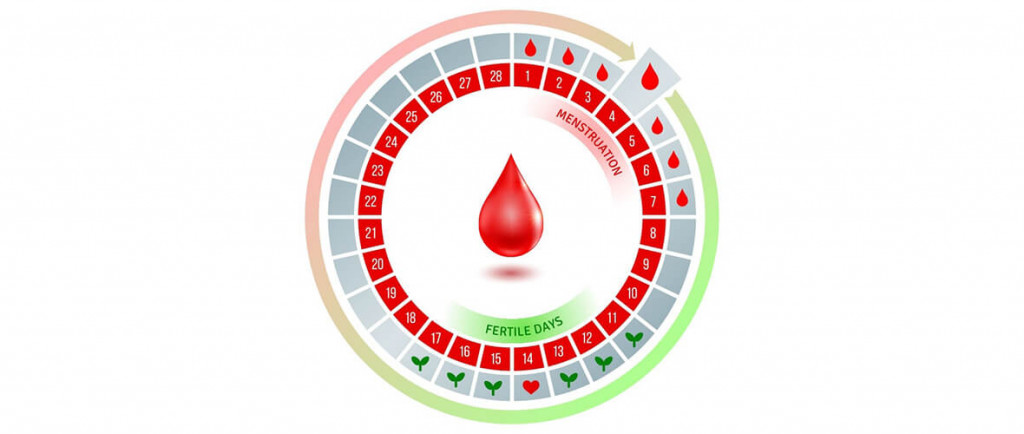
- Serum Progesterone Levels: A blood test around day 21 of a typical cycle can confirm ovulation has occurred.
- Uterine and Fallopian Tube Assessment:
- Hysterosalpingogram (HSG): An X-ray procedure using dye to visualize the uterus and fallopian tubes, checking for blockages or structural abnormalities.
- Saline Infusion Sonogram (SIS) or Sonohysterography: An ultrasound that uses saline to distend the uterus, providing a clearer view of the uterine lining for polyps, fibroids, or adhesions.
- Hysteroscopy: A minimally invasive procedure where a thin scope is inserted through the cervix to directly visualize the uterine cavity.
- Laparoscopy: A more invasive surgical procedure to visualize the pelvic organs directly, diagnose and treat conditions like endometriosis, pelvic adhesions, or fibroids.
- Hormonal Profiling: Beyond FSH and AMH, other hormones like thyroid-stimulating hormone (TSH) and prolactin are checked, as imbalances can affect fertility.
Male Fertility Assessment: Semen Analysis as a Cornerstone:
For men, the initial and most crucial diagnostic tool is the semen analysis.

- Semen Analysis: This laboratory test evaluates several parameters of ejaculate:
- Volume: The total amount of semen.
- Sperm Concentration (Count): The number of sperm per milliliter of semen.
- Motility: The percentage of sperm that are actively moving and their quality of movement.
- Morphology: The percentage of sperm that have a normal shape.
- Viability: The percentage of live sperm.
- pH, Viscosity, and White Blood Cell Count: Other indicators of semen health or potential infection.
- Physical Examination: A urologist specializing in male infertility will conduct a physical exam to check for conditions like varicocele (enlarged veins in the scrotum), testicular size, and any blockages in the reproductive tract.
- Hormonal Testing: Blood tests may be performed to measure levels of testosterone, FSH, and LH, as hormonal imbalances can impair sperm production.
- Genetic Testing: If severe sperm abnormalities or recurrent pregnancy loss are present, genetic tests for chromosomal abnormalities (e.g., Klinefelter syndrome) or Y-chromosome microdeletions may be recommended.
- Specialized Sperm Function Tests: In some cases, tests like sperm DNA fragmentation may be utilized to assess sperm genetic integrity.
Common Causes of Infertility: Supporting Data and Insights
Identifying the specific cause of infertility is key to developing an effective treatment plan.
Female Factors (approximately 30-40% of cases):

- Ovulatory Disorders: Account for about 25% of female infertility cases. Polycystic Ovary Syndrome (PCOS) is the most common, characterized by hormonal imbalances that interfere with regular ovulation. Other causes include hypothalamic dysfunction (stress, extreme exercise, significant weight changes affecting hormone production), and premature ovarian insufficiency (POI), where ovaries stop functioning normally before age 40.
- Tubal Factors: Blocked or damaged fallopian tubes prevent sperm from reaching the egg or the fertilized egg from reaching the uterus. Common causes include pelvic inflammatory disease (often from STIs), endometriosis (tissue similar to the uterine lining grows outside the uterus), or previous abdominal surgeries.
- Uterine Factors: Structural issues within the uterus can impede implantation or pregnancy progression. These include uterine fibroids (non-cancerous growths), uterine polyps, Asherman’s syndrome (intrauterine adhesions), or congenital uterine anomalies (e.g., septate uterus).
- Endometriosis: This condition can affect fertility through various mechanisms, including inflammation, anatomical distortions, and impact on egg quality or implantation.
- Age: Female fertility naturally declines with age, particularly after 35, due to a decrease in both the quantity and quality of eggs.
Male Factors (approximately 30-40% of cases):
- Sperm Production Problems: The most frequent cause of male infertility, leading to low sperm count (oligozoospermia) or no sperm (azoospermia). Causes include:
- Varicocele: Enlarged veins in the scrotum, which can raise testicular temperature and affect sperm production.
- Genetic Factors: Chromosomal abnormalities or specific gene mutations.
- Hormonal Imbalances: Deficiencies in testosterone, FSH, or LH.
- Lifestyle Factors: Smoking, excessive alcohol consumption, illicit drug use, obesity, exposure to certain environmental toxins or heat (e.g., prolonged hot baths, tight underwear).
- Sperm Delivery Problems: Blockages in the tubes that transport sperm (epididymis, vas deferens) due to infections, prior surgeries (vasectomy reversal failure), or congenital conditions (e.g., absence of the vas deferens in some men with cystic fibrosis).
- Sperm Function Problems: Even with adequate count and motility, sperm may have issues with fertilization or DNA integrity.
- Ejaculatory Disorders: Retrograde ejaculation (semen enters the bladder) or ejaculatory dysfunction.
Combined Infertility (10-20% of cases):
In some instances, both partners may have identifiable fertility issues contributing to the couple’s inability to conceive.
Unexplained Infertility (5-10% of cases):
Despite thorough evaluations, some couples receive a diagnosis of "unexplained infertility." This means all standard tests for both partners come back normal. While frustrating, it doesn’t mean there’s no cause, but rather that current diagnostic tools cannot identify it. Empirical treatments or more advanced reproductive technologies are often considered in these cases.

The Indispensable Dual-Partner Approach
The emphasis on evaluating both partners simultaneously is not merely a matter of fairness but a cornerstone of efficient and effective infertility diagnosis and treatment. By initiating testing for both individuals concurrently, couples can:
- Accelerate Diagnosis: Avoid delays that might arise from focusing on one partner first, only to discover issues with the other later. This is especially critical as female fertility declines with age.
- Ensure Accuracy: A comprehensive view of both reproductive systems allows for a more accurate diagnosis of single-factor infertility or, importantly, combined factor infertility.
- Reduce Emotional Burden: Sharing the diagnostic journey can foster mutual support and reduce the feeling that one partner is solely responsible for the struggle. It reframes infertility as a couple’s challenge, not an individual’s failing.
- Tailor Treatment Plans: A complete understanding of all contributing factors allows medical professionals to develop the most appropriate and personalized treatment strategy, whether it involves medication, surgical intervention, assisted reproductive technologies (ART) like in vitro fertilization (IVF), or a combination thereof.
Statements and Reactions from Related Parties

Leading organizations in reproductive health consistently advocate for this integrated approach. The American Society for Reproductive Medicine (ASRM) guidelines explicitly recommend a full workup for both partners. Dr. Jane Smith, a prominent reproductive endocrinologist, states, "Ignoring the male factor until after extensive female testing is not just inefficient; it can be emotionally devastating and financially burdensome. Our goal is to get to a diagnosis and treatment plan as quickly and compassionately as possible, and that absolutely requires evaluating both individuals from the outset."
Patient advocacy groups, such as RESOLVE: The National Infertility Association, echo this sentiment, emphasizing the importance of destigmatizing male infertility and ensuring that men feel supported and included in the diagnostic and treatment process. Their campaigns often highlight that infertility is a shared journey, promoting open communication and shared responsibility between partners.
Broader Impact and Implications

The implications of infertility extend far beyond the medical diagnosis, impacting individuals, relationships, and society at large.
Psychological and Emotional Toll:
The journey through infertility can be emotionally grueling, marked by cycles of hope and despair. Couples often experience heightened stress, anxiety, depression, grief, and feelings of isolation. The pressure to conceive, coupled with the invasive nature of some diagnostic tests and treatments, can strain relationships and impact mental well-being. Access to psychological counseling and support groups is increasingly recognized as a vital component of comprehensive infertility care.
Societal and Economic Burden:
Infertility treatments can be exceptionally costly, with cycles of IVF potentially running into tens of thousands of dollars, often with limited or no insurance coverage. This financial burden can be a significant barrier for many couples, exacerbating stress and potentially limiting access to necessary care. On a broader societal level, the increasing prevalence of infertility contributes to demographic shifts and delayed childbearing trends, with potential implications for workforce planning and social support structures.
Advancements in Treatment and Future Outlook:
Despite the challenges, advancements in reproductive medicine offer hope to many. Treatments range from simpler interventions like ovulation induction medications and intrauterine insemination (IUI) to highly sophisticated techniques such as in vitro fertilization (IVF), intracytoplasmic sperm injection (ICSI), and preimplantation genetic testing (PGT). Donor gametes (sperm or egg) and gestational carriers also provide pathways to parenthood for specific cases.
The future of infertility care promises further personalization, with genetic screening, advanced imaging, and artificial intelligence playing increasingly significant roles in diagnosis and treatment selection. Continued research into the complex interplay of genetics, lifestyle, and environmental factors will further refine our understanding and expand the arsenal of available interventions.
In conclusion, for couples navigating the challenges of conception, understanding that infertility is a shared medical condition requiring a dual-partner, comprehensive assessment is paramount. The timely and thorough evaluation of both male and female factors is not just a clinical best practice but a compassionate approach that empowers couples with accurate information, reduces diagnostic delays, and paves the way for effective, personalized treatment plans. The American Pregnancy Association, alongside other leading health organizations, remains committed to providing evidence-based resources and support throughout this complex, yet often hopeful, journey.
