

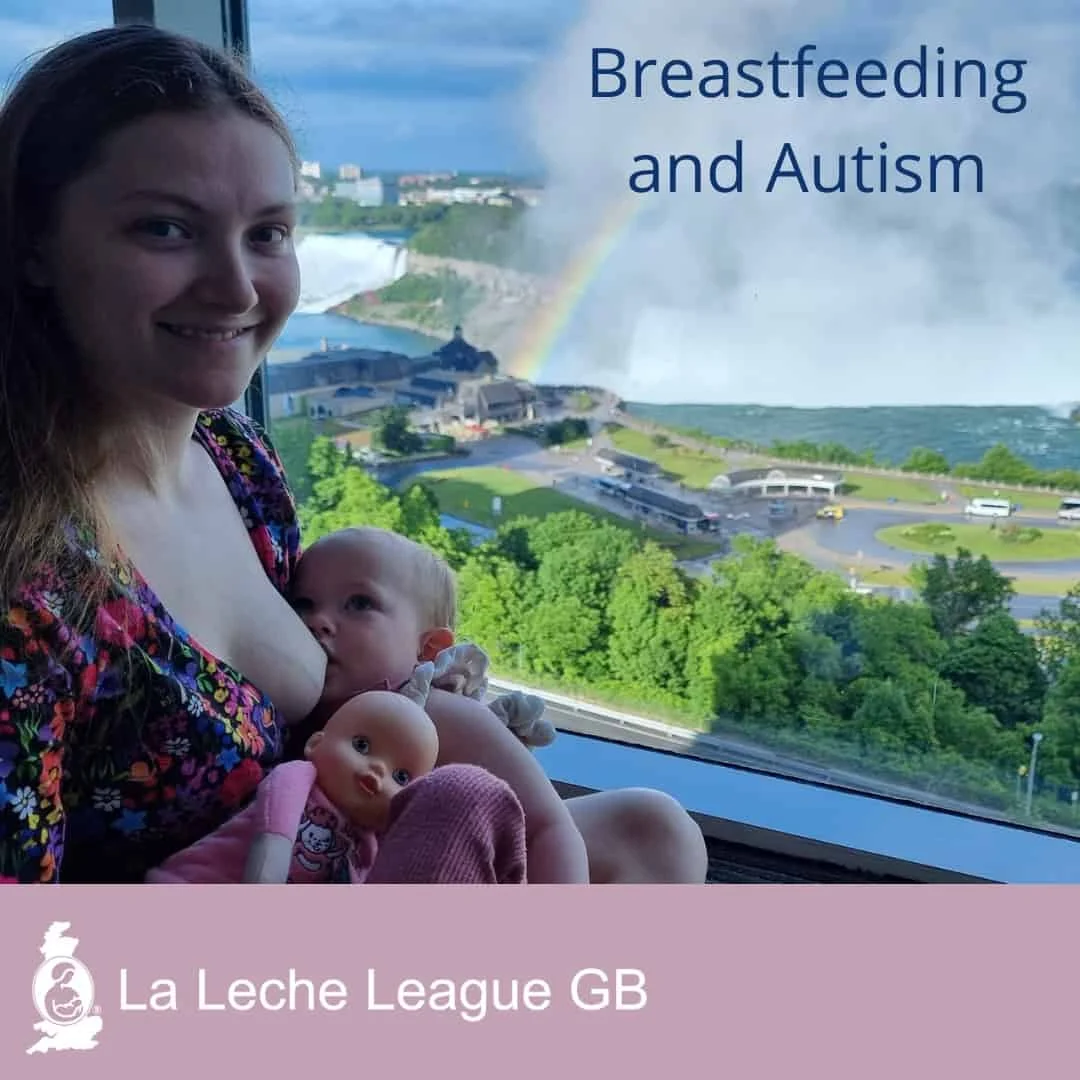
Autism, a multifaceted neurodevelopmental difference, profoundly shapes an individual’s perception and interaction with the world, leading to a diverse range of experiences that often require tailored approaches, particularly within the sensitive realm of maternity care and infant feeding. This article delves into the unique challenges and strengths encountered by autistic parents who choose to breastfeed, and by parents raising autistic children, advocating for a more informed, individualized, and neurodiversity-affirming support system.
Evolving Understanding of Autism and Neurodiversity
For decades, autism was largely understood through a narrow lens, often associated with specific, overt behaviors and primarily diagnosed in males. However, contemporary understanding has broadened significantly, embracing the concept of neurodiversity – the idea that neurological differences like autism are natural variations of the human brain, not deficits to be cured. This paradigm shift has led to increased recognition of how autism presents across a vast spectrum, with abilities and challenges fluctuating based on environmental and situational factors. Critically, there’s a growing awareness of the prevalence of undiagnosed autism, particularly among women, who often mask their autistic traits to conform to societal expectations. This historical oversight has profound implications for how maternity and breastfeeding support services are designed and delivered.
The journey towards a comprehensive understanding of autism has seen pivotal moments, from Leo Kanner’s initial descriptions in the 1940s to the expansion of diagnostic criteria in the DSM-5 in 2013, which unified different diagnoses under the umbrella of Autism Spectrum Disorder (ASD). This evolution has underscored the importance of person-centered care, recognizing that each autistic individual’s experience is unique. As diagnosis rates in children continue to climb, a corresponding increase in the identification of autistic adults, especially women, is also occurring, highlighting a critical need for healthcare systems to adapt.
The Autistic Parent’s Breastfeeding Experience: Strengths and Specific Needs
An estimated 0.82% of the population of England is formally diagnosed as autistic, yet a staggering 72% of the autistic population in England is believed to be undiagnosed. This significant hidden demographic means that many parents accessing maternity and breastfeeding services may be autistic without their healthcare providers, or even themselves, being aware. This reality necessitates a radical rethinking of standard support models. Autistic women and parents may present with a wide array of experiences, demanding highly individualized support. Masking, a coping mechanism where autistic individuals suppress their natural behaviors to blend in, can make it exceptionally difficult for them to articulate their needs or seek help, even when in distress.

The Unseen Challenges in Mainstream Maternity Care
The conventional structure of maternity and breastfeeding support, often reliant on group settings, verbal communication, and implicit social cues, can inadvertently create formidable barriers for autistic parents. Sensory overload in busy clinic waiting rooms, bright lights, loud noises, or strong smells can trigger significant distress. Communication differences are another major hurdle; some autistic individuals experience situational mutism, rendering them unable to speak in certain stressful environments, despite being verbal at other times. This can hinder their ability to ask questions, express pain, or seek clarification during crucial moments like labor, birth, or breastfeeding consultations. Furthermore, anxiety around phone calls can prevent access to national helplines or local support networks, isolating parents who desperately need assistance.
The psychological impact of navigating these systems without adequate understanding can be severe. Research indicates that rates of Post-Traumatic Stress Disorder (PTSD) are significantly higher in the autistic community compared to neurotypical individuals, particularly following birth experiences where they may have felt a profound lack of control over their bodies. This vulnerability is compounded when breastfeeding support feels prescriptive rather than empowering, potentially re-triggering feelings of disempowerment.
Empowerment Through Breastfeeding: The Positive Aspects
Despite these challenges, many autistic parents report finding deep satisfaction and empowerment in breastfeeding. For some, the act provides a predictable, calming, and quiet refuge in an often overwhelming world. It offers a protected time to sit, rest, and connect with their infant, creating a sense of peace and routine. The profound commitment often seen in autistic individuals, particularly those who have thoroughly researched a topic of interest, translates into remarkable determination in their breastfeeding journeys. These parents often become incredibly knowledgeable about lactation, approaching potential difficulties with a well-informed, tenacious spirit. This intrinsic motivation and ability to independently gather information can be a powerful asset, allowing them to overcome obstacles that might deter others.
Designing Neurodiversity-Affirming Support
To truly support autistic parents, healthcare providers and support organizations must adopt flexible, accessible, and person-centered approaches. Offering a range of communication methods, such as written help forms (like those provided by LLLGB), typing on a phone, picture cards, or sign language, is crucial. For group support, providing clear visual information about the venue, what to expect, and allowing a trusted support person to accompany the parent can significantly reduce anxiety. Training for healthcare professionals in neurodiversity awareness, including understanding masking and sensory sensitivities, is paramount. This training should emphasize active listening, respect for individual preferences, and the avoidance of assumptions.

A representative from a leading lactation support organization, inferring from the article’s tone, might state, "Our goal is to ensure every parent feels seen and supported. For our autistic parents, this means moving beyond one-size-fits-all solutions to embrace truly individualized care, respecting their unique communication styles and sensory needs. We must actively remove barriers, whether they are sensory, communicative, or systemic."
Breastfeeding an Autistic Child: A Unique Dynamic
While adult autism diagnoses are gaining traction, autism diagnosis rates in children continue to rise steadily. The World Health Organization (WHO) recommends breastfeeding for two years and beyond, with the natural age of weaning estimated between 2.5 and 7 years. For children who are autistic or suspected to be neurodivergent, breastfeeding can play an even more critical role, offering profound benefits beyond basic nutrition.
Sensory Landscapes and Feeding Patterns in Autistic Children
Autistic children often process sensory input differently, experiencing a heightened or reduced sensitivity to sights, sounds, smells, tastes, and textures. This can profoundly impact their feeding behaviors. Some autistic children may seek frequent breastfeeding as a means of self-regulation, finding comfort, predictability, and a calming sensory experience in the act of nursing, especially when overwhelmed by external stimuli in busy or unfamiliar environments. Conversely, intense sensory input, such as the temperature of a room, certain clothing textures, or specific sounds, can make it difficult for an autistic child to feed effectively. Identifying and mitigating these sensory triggers is key to successful breastfeeding.
The concept of a "high needs" baby, characterized by an intense need for closeness and frequent feeding, is often particularly pronounced in neurodivergent children. Breastfeeding provides a powerful tool for co-regulation, helping the child manage emotions and sensory input. While this can be deeply bonding, it also places significant demands on the breastfeeding parent, underscoring the vital importance of robust self-care strategies and strong support networks from family, friends, and like-minded communities.
Weaning Challenges and Nutritional Considerations

Weaning an autistic child can present unique complexities compared to neurotypical children. Sensory issues often play a significant role, with children struggling to accept solid foods due to specific aversions to textures, tastes, smells, or even the visual appearance of food. This can lead to a reliance on breastfeeding for extended periods, not just for comfort but also for crucial nutrition that might otherwise be missed from a limited diet. Furthermore, communication differences can complicate the process of setting boundaries around feeding, as the child may not easily understand verbal cues or abstract concepts like "not now."
Interoception, the sense of the internal state of the body, can also be challenging for some autistic individuals, making it difficult for them to recognize hunger, thirst, or fullness cues. This can lead to irregular feeding patterns, where a child might overfeed or underfeed, further complicating weaning efforts.
Many parents of autistic children choose to continue breastfeeding responsively ("on demand") until the child naturally self-weans. Others may opt to set gentle boundaries, limiting the number or duration of feeds, or specifying when and where breastfeeding can occur. Strategies for setting these boundaries, particularly when communication is complex, might include:
- Using visual schedules or social stories to explain changes in feeding routines.
- Offering alternative comfort items or activities during non-feeding times.
- Gradually reducing feed duration or frequency rather than abrupt cessation.
- Utilizing clear, consistent, and simple language or visual cues.
A lactation consultant, reflecting the advice given, might counsel, "When navigating weaning with an autistic child, patience and creativity are paramount. We focus on gentle, predictable transitions, respecting the child’s sensory world and communication style. It’s about finding alternatives for comfort and nutrition, not just taking away the breast."
Implications for Healthcare and Societal Support
The insights gleaned from understanding breastfeeding within the autistic community underscore a broader need for systemic change in healthcare and societal support structures.
- Professional Development: All healthcare professionals, from midwives to lactation consultants, require comprehensive training in neurodiversity-affirming care. This includes understanding the nuances of communication, sensory processing differences, and the potential for masking.
- Accessible Services: Services must be designed with accessibility at their core, offering varied communication options, sensory-friendly environments, and flexible appointment structures.
- Peer Support Networks: The establishment and promotion of peer support groups specifically for neurodivergent parents can provide invaluable shared experience, understanding, and emotional support.
- Policy Advocacy: Policy makers must recognize the unique needs of autistic families and allocate resources to ensure equitable access to support, reducing the disproportionate burden currently placed on these families.
The long-term implications of inadequate support for autistic parents and children are significant, potentially leading to increased parental stress, poorer maternal mental health outcomes, and challenges in child development if nutritional or emotional needs are not met. By investing in neurodiversity-affirming care, society can foster healthier, more inclusive environments for all families.

Conclusion
Breastfeeding, a deeply personal and often challenging journey, becomes even more nuanced when viewed through the lens of autism. By recognizing the strengths and specific needs of autistic parents and their children, and by advocating for flexible, informed, and compassionate support, we can transform the breastfeeding experience from one of potential struggle into one of empowerment, connection, and optimal health outcomes for all. The call to action is clear: embrace neurodiversity, adapt our systems, and champion individualized care to ensure every family receives the support they deserve.
Written by Emily Lunny, November 2023. Review due November 2026. Photos courtesy of Sophie Burrows and Emily Lunny. Copyright LLLGB 2023.
