

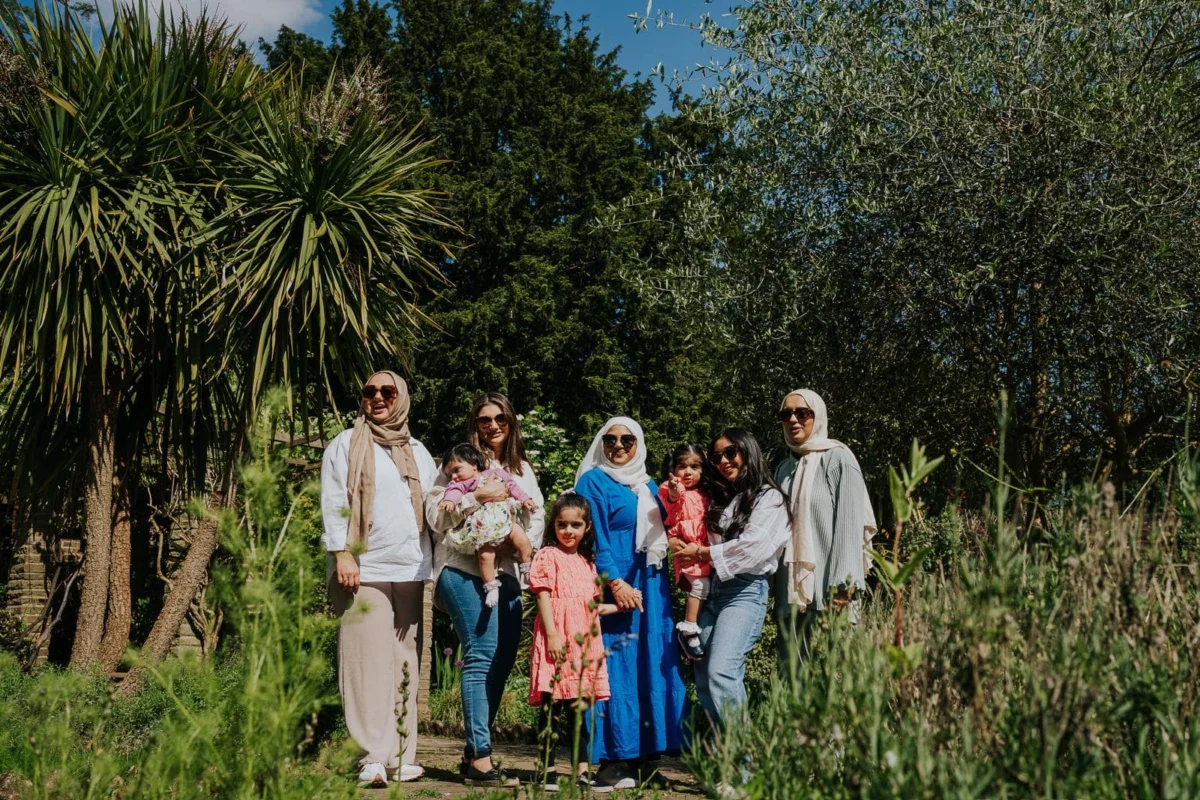
The journey of Zarina Ayyub, a Birmingham-born woman of Pakistani heritage, is a compelling narrative of resilience, advocacy, and cultural transformation in the realm of maternal health. Her personal struggle to breastfeed her five children, spanning over three decades, mirrors the broader challenges faced by countless mothers from ethnic minority backgrounds in the UK, while also highlighting the profound impact of individual determination in shifting long-held societal norms. From navigating a medical system that often undermined natural feeding instincts to confronting deeply ingrained cultural taboos within her own community, Ayyub has emerged as a trailblazer, now dedicating her life to supporting other mothers through her work as a Doula and peer supporter.
Early Life and the Echoes of a Traumatic Past
Zarina Ayyub’s story begins in Birmingham, where she was born into a household shaped by her mother’s experiences as a Pakistani immigrant arriving in England in the late 1960s. Her mother, a pioneer in her own right, was among the first in her Asian community to have children in the UK. However, her early motherhood was marked by significant isolation and a lack of culturally appropriate support. Living with in-laws who did not encourage breastfeeding, Ayyub’s mother faced immense pressure. In the hospital, a common practice of the era, she was given formula and medication to dry up her milk – an intervention that left an indelible, painful memory. This systemic discouragement, coupled with the discomfort of sharing a crowded home with five other adults, primarily men, made breastfeeding a wincing, unenjoyable ordeal for her. The cultural context of the time often prioritized family harmony and deference to elders, leaving little room for individual maternal choices, especially when they diverged from established norms. Her mother’s experience of feeling "never full" and "never enjoyed a minute of it" vividly illustrates the profound psychological impact of unsupported breastfeeding. The shared living arrangements, with Zarina, her siblings, and parents occupying a single room until Zarina was nearly a decade old, underscores the lack of privacy and personal space that further complicated her mother’s ability to nurture her newborns as she might have wished.
This intergenerational trauma profoundly influenced Zarina. Her mother, still scarred by her own experience, actively dissuaded Zarina from breastfeeding, fearing she would endure similar pain. Cultural beliefs prevalent in parts of India, where colostrum was mistakenly deemed "dirty," further compounded the issue. Instead, a traditional concoction of cooled boiled water with fennel and other seeds was often administered to newborns, believed to aid in clearing meconium. This deeply rooted misinformation directly conflicted with modern understanding of colostrum as "liquid gold" – the vital first milk rich in antibodies and nutrients essential for a newborn’s immune system and gut development. Zarina’s mother, therefore, struggled to comprehend her daughter’s nascent desire to breastfeed, viewing it through the lens of her own suffering and inherited cultural wisdom.
The Ordeal of First Motherhood: Systemic and Cultural Barriers
Zarina Ayyub’s first encounter with motherhood at the tender age of 20, just days after her own birthday on November 1st, mirrored many of the systemic failings her mother had endured. Her baby, born prematurely at 4 lbs 13 oz due to a poorly functioning placenta, was immediately whisked away to a special nursery, fed formula via a tube, and isolated from her young mother. Ayyub herself was placed in a separate room, alone and bewildered. The hospital environment offered no guidance; crucial information about colostrum, expressing milk, or even holding her tiny infant was conspicuously absent. This period, characterized by a profound lack of support and information, left Ayyub feeling scared and disempowered. Her mother’s advice, echoing her own forced compliance, was to "not ask questions" and to simply "trust them," reinforcing a culture of unquestioning obedience to medical authority, regardless of personal discomfort or intuition.
When her daughter was finally brought to her on day three, Ayyub was severely engorged, her breasts "big and hard, and felt heavy like bricks!" The pain was excruciating, yet she resisted her mother’s pleas to take milk-drying pills. Her baby struggled to latch onto her swollen breasts, and a midwife’s forceful intervention – "grasped my breast and forced my baby onto me" – was a traumatic experience, leaving Ayyub in tears. The intervention, though perhaps well-intentioned, lacked the gentle, supportive approach necessary for a vulnerable new mother. This forceful action, combined with her mother’s renewed insistence on formula, underscored the pervasive lack of empathetic and informed breastfeeding support available at the time.
The challenges continued upon returning home around day five or six. Ayyub’s nipples were cracked, sore, and bleeding. Her husband, unfamiliar with Birmingham’s limited night-time shopping hours, struggled to find a working hand pump or a suitable dummy, resorting to one "about as big as my baby’s whole face." This early period was a chaotic symphony of tears and desperation, highlighting the isolation and lack of practical resources for new parents.
Initial attempts at establishing breastfeeding were further complicated by their living situation. After two weeks at her mother’s, Zarina and her husband moved into their own flat in London. However, their home was often a revolving door for newly arrived relatives from abroad, a testament to her husband’s hospitality but a significant imposition on a new mother. The constant presence of guests meant Ayyub felt embarrassed to breastfeed openly, confining herself to the house and making privacy a luxury. Moreover, she adhered to a rigid three-hour feeding schedule, a practice she inherited from her mother’s formula-feeding routine, unaware of the concept of responsive, on-demand feeding crucial for establishing a healthy milk supply. Her initial goal was to breastfeed only until returning to work at six months, planning to transition her baby to formula thereafter.
The cultural pressures extended to her husband’s family in London. Despite her mother-in-law having breastfed all her sons, she, along with other in-laws, could not comprehend Zarina’s desire to breastfeed. In their community, a "spotless house" and active contribution to household chores often superseded maternal bonding activities. Breastfeeding was perceived as an indulgence, a "laziness" that kept a woman from her duties. Zarina’s instinctive need to pick up her crying baby and offer comfort and closeness was at odds with these expectations. Compounding this, her husband expressed concerns about their babies being "too skinny," constantly comparing them to other, larger children in the family and advocating for "bottle milk." This pressure, a common theme among South Asian families, often stems from a cultural belief that larger babies signify better health and nourishment, overlooking genetic predispositions (Zarina herself is only five feet tall) and the different growth patterns of breastfed infants.
The Turning Point: Empowerment Through Knowledge
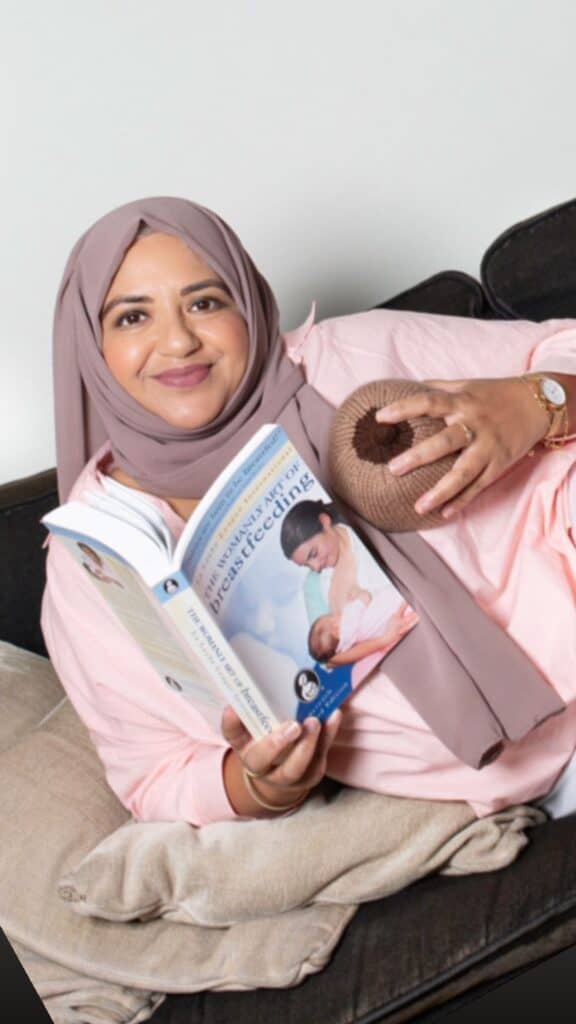
Despite the relentless societal and familial pressures, an innate maternal instinct drove Zarina Ayyub. She possessed an intuitive understanding that her baby needed touch, closeness, and responsive care. The true turning point in her breastfeeding journey arrived with her third pregnancy. It was then that she discovered "The Womanly Art of Breastfeeding," a seminal work borrowed from the library. She devoured its contents over nine months, absorbing vital information that challenged every misconception she had encountered: "colostrum is not dirty, if you lose your milk, you can relactate…" This newfound knowledge was transformative. It armed her with facts, instilling a profound sense of confidence and determination. "I felt that now I had all this information, no one was going to mess with me!" she declared. This empowerment enabled her to breastfeed her third child for two years, despite a barrage of critical comments.
Her dedication to breastfeeding was further solidified when she experienced mastitis, a painful breast infection, a few weeks after her third child’s birth. Seeking support, she contacted a La Leche League (LLL) Leader and attended a local group in Wimbledon. This experience, while beneficial for her physical health, highlighted another dimension of her unique position: she was the only woman present wearing a shalwar kameez, the traditional South Asian attire. While she wore it to "fit in with the in-laws," it made public feeding awkward and embarrassing, causing her to retreat from support groups for years. This experience underscores the critical need for culturally sensitive spaces and diverse representation within breastfeeding support networks.
From Personal Struggle to Public Advocacy: Becoming a Peer Supporter and Doula
Even from the early days of her first child, Zarina Ayyub harbored a quiet ambition to become a breastfeeding peer supporter. Her natural inclination to help manifested early, as she assisted her husband’s aunt, who, like Zarina, faced engorgement and a lack of support in a house full of non-breastfeeding relatives. She also provided invaluable guidance to her younger sister, helping her successfully breastfeed all her children. Over time, seeing her sister’s "big, happy babies" slowly chipped away at her own mother’s trauma, eventually leading her to embrace and support Zarina’s breastfeeding choices for her later children. This intergenerational healing is a powerful testament to the ripple effect of informed support.
The opportunity to formalize her passion arose after the birth of her fifth child. This birth was more positive, but the breastfeeding journey proved challenging, as her baby was born at 35 weeks and suffered from severe reflux. After receiving "poor advice" from a breastfeeding counsellor, she sought help at a local breastfeeding café, years after her previous awkward experience. There, she discovered an advertisement for La Leche League’s 12-week peer supporter training course, run by the NHS. This discovery felt like divine intervention: "thank God I came today!" she recalled. The course equipped her with the formal knowledge and skills to channel her lived experience into structured support. Her graduation, symbolized by a special pink knitted breast, marked a pivotal moment in her transition from a struggling mother to a confident advocate.
As a peer supporter for two to three years, Zarina Ayyub was often the sole Muslim voice in the room. She observed a significant disparity: "We very rarely saw any Asian women at the group we ran." This highlighted a persistent barrier – the comfort of relating to someone who looks like you, even when language is not an issue. Her ability to connect with mothers from diverse backgrounds, however, was undeniable; many mothers she helped expressed a desire to "take me home with them!"
Today, Zarina Ayyub works as a Doula, offering holistic support to mothers during birth and the postnatal period. With her children grown, her schedule allows her to dedicate herself fully to this calling. She actively engages in initiatives aimed at supporting Asian and other ethnic minority families. Last year, she participated in a project with The Raham Project in Peterborough and the charity BLISS, sharing her deeply personal birth stories to inform discussions about neonatal intensive care units and premature babies. The raw pain of her first birth still resonates, underscoring the enduring impact of early maternal experiences.
A Legacy of Openness and Empowerment
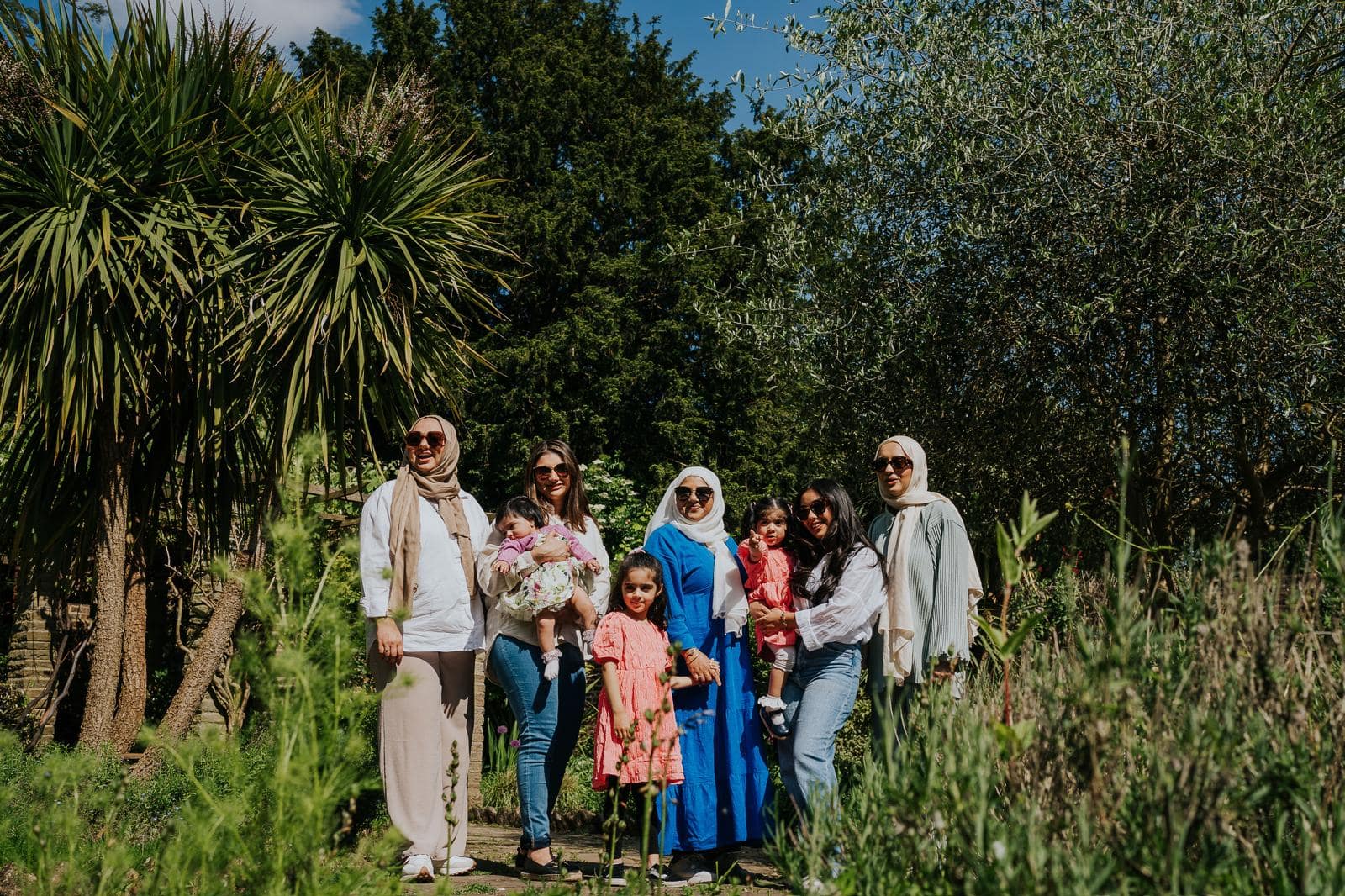
Zarina Ayyub’s legacy is most vividly seen in her own family. Her children, now aged 34, 33, 30, 23, and 18, embody the fruits of her perseverance. Her daughters, living nearby, have embraced breastfeeding with remarkable dedication. One daughter breastfed her first child for two years, tandem-fed her first two, and her youngest, at eight months, continues to thrive on breastmilk. This stark contrast to Zarina’s own initial struggle speaks volumes about the power of positive role modeling and accessible support. Even when her daughter’s husband’s family was initially uncomfortable with breastfeeding, his unwavering support made all the difference, demonstrating the critical role of partners in a successful breastfeeding journey. Zarina also extended her support to her daughter-in-law, who has "done brilliantly" with her own breastfeeding.
The Ayyub household has become an "unusual Pakistani household" – a beacon of openness where discussions about breastfeeding, periods, and other traditionally taboo subjects are normalized. Zarina’s persistent advocacy has spread her influence to her children’s spouses and friends, fostering a new generation of informed and empowered individuals. The fact that her other daughters are now exploring the option of home births, a "huge miracle" in their community, signifies a profound cultural shift rooted in Zarina’s trailblazing efforts.
Addressing Persistent Barriers and Advocating for Culturally Competent Support
Despite the progress, Zarina Ayyub acknowledges that significant challenges remain, particularly within the South Asian community. "There is still a lot of shame surrounding breastfeeding in the Asian community. Many families are still quite prudish." While greater openness exists now, South Asian women continue to access breastfeeding support at lower rates than other demographics. The cultural discomfort of "lifting up their tops in a room full of other people, even women" is a powerful barrier, often misattributed to religious injunctions. However, as Ayyub clarifies, "The Muslim faith teaches that the baby has a right to be breastfeed for however long they wish, although many of them think it should only be for two years." This distinction between cultural norms and religious tenets is crucial for effective advocacy.
The solution, Zarina passionately argues, lies in building relationships of trust and providing culturally competent support. Breastfeeding supporters who understand and respect diverse cultural contexts can help dismantle fears and normalize breastfeeding, reframing it not as something to be embarrassed about, but as a "normal and natural process that is so beneficial for your baby and your own health, too."
Zarina Ayyub’s life story is a powerful reminder that individual courage, combined with accessible information and empathetic support, can dismantle systemic and cultural barriers. Her work as a Doula and her advocacy within organizations like La Leche League, including her participation in the "Breastfeeding Matters LLLGB Podcast" discussing the "fourth trimester" and ancient traditions of maternal care, underscore her ongoing commitment to creating a world where every mother has the knowledge, confidence, and support to nourish her baby as nature intended. Her journey from a vulnerable young mother to a formidable advocate is an inspiration, urging society to collectively ensure that breastfeeding becomes the natural and normalized way of life it truly is.
