

Held annually during the last week of August, Black Breastfeeding Week serves as a crucial platform to elevate the voices, experiences, and cultural narratives of Black women in the realm of infant feeding, an area historically marked by underrepresentation and systemic inequities. This dedicated observance, which commences on August 25th and concludes on August 31st, aims to foster greater awareness, dismantle persistent barriers, and champion community-driven support systems for Black mothers and birthing individuals. The initiative underscores the profound importance of shared stories in connecting individuals within a global community, fostering mutual learning, and providing indispensable peer support, as exemplified by organizations like La Leche League.
The Genesis and Purpose of Black Breastfeeding Week
The establishment of Black Breastfeeding Week in 2012 by Kiddada Green and Kimberly Seals Allers was a direct response to the glaring disparities in breastfeeding rates and support faced by Black communities. Despite the widely acknowledged health benefits of breastfeeding for both infants and mothers, Black women in the United States and other Western nations consistently exhibit lower initiation and duration rates compared to their white counterparts. This gap is not merely a statistical anomaly but a deeply rooted issue intertwined with historical trauma, socio-economic factors, aggressive formula marketing practices, and systemic racism within healthcare systems.
Historically, the narrative surrounding Black women and infant feeding has been complex and often painful. During slavery, Black enslaved women were frequently forced to act as wet nurses for their enslavers’ children, often at the expense of breastfeeding their own infants. This traumatic legacy contributed to a cultural disconnect with breastfeeding in subsequent generations, compounded by economic pressures and a lack of access to adequate support. In the 20th century, targeted formula marketing campaigns disproportionately impacted Black communities, further eroding breastfeeding rates and reinforcing the perception of formula feeding as a modern, convenient, and often necessary alternative. Black Breastfeeding Week seeks to reclaim and redefine this narrative, celebrating the resilience, strength, and inherent capacity of Black women to nurture their children through breastfeeding, while also advocating for the structural changes necessary to support them fully.
Personal Narratives: A Cornerstone of Community and Advocacy
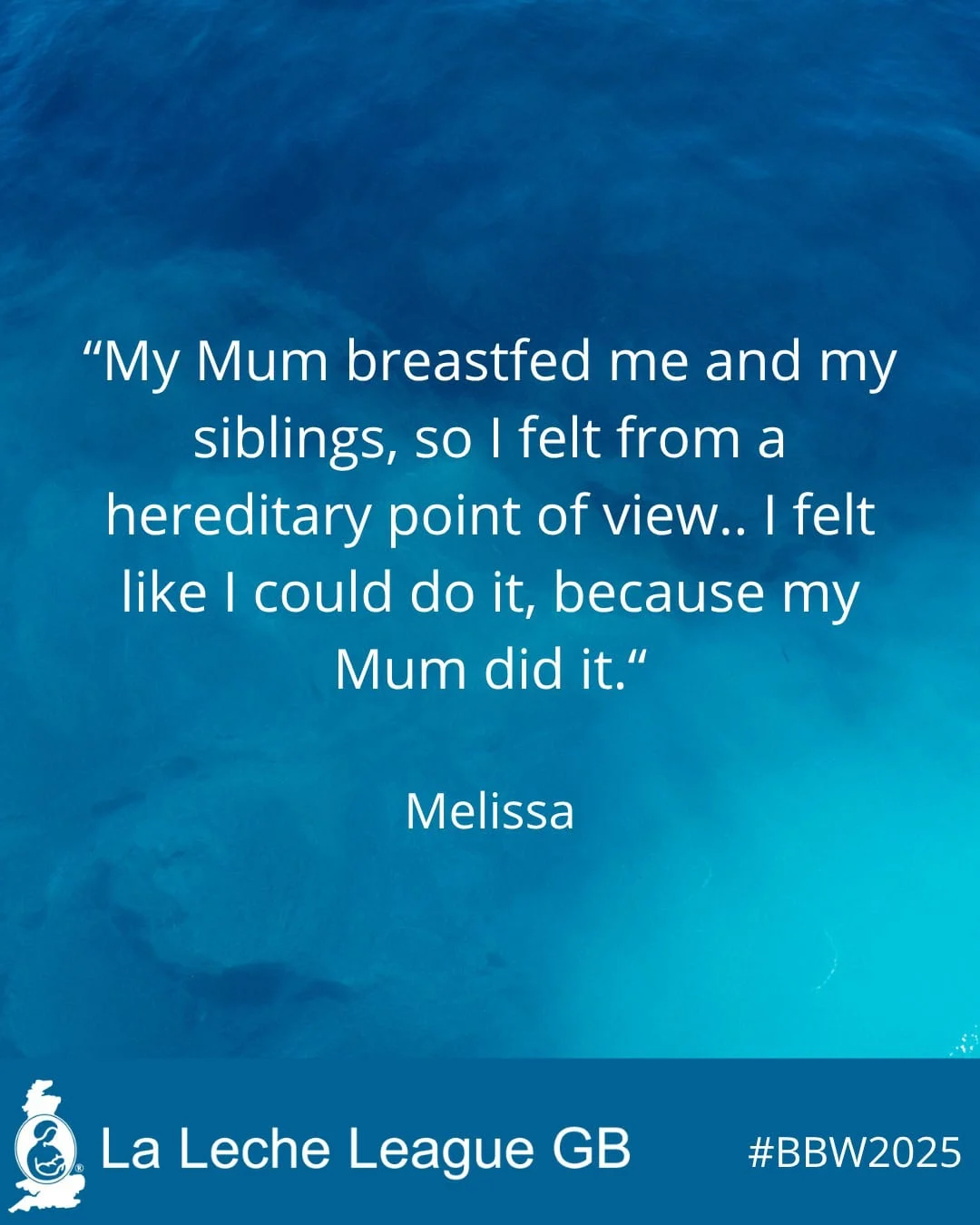
Central to the mission of organizations like La Leche League and the broader Black Breastfeeding Week movement is the belief that "stories matter." Sharing individual experiences creates a powerful ripple effect, enabling mothers to connect with a wider network, learn from diverse journeys, and find validation and encouragement. Melissa, a mother from London, offers a poignant illustration of this principle through a series of audio notes recorded while comforting her five-month-old. Her reflections illuminate the multifaceted aspects of her breastfeeding journey, providing invaluable insights into the realities faced by many Black mothers today.
Melissa’s narrative begins with a fundamental question: "Why does breastfeeding matter to you?" For many mothers, including Melissa, breastfeeding transcends its nutritional function, becoming a profound act of bonding, a connection to ancestral practices, and an affirmation of maternal capability. It represents a commitment to providing optimal health and development for their child, often amidst external pressures and internal struggles. This personal motivation is frequently the bedrock upon which mothers navigate the complexities of their feeding journeys.
Her reflections then delve into her "perception of breastfeeding prior to having her own children" and whether "anyone else had breastfed in her family." This query touches upon a critical aspect of cultural transmission and intergenerational knowledge. For many Black women, a lack of visible breastfeeding role models within their immediate families or communities can create a void, making the initiation of breastfeeding feel like venturing into uncharted territory. This absence of familial precedent can be attributed to the aforementioned historical and societal factors that disrupted traditional breastfeeding practices in Black communities. Without direct examples, new mothers may rely solely on mainstream information, which often lacks cultural relevance or fails to address the specific challenges Black women encounter.
Further exploring the social environment, Melissa considers "her friends’ and family’s attitudes towards breastfeeding." The responses from one’s immediate social circle can significantly influence a mother’s confidence and persistence. While some mothers are met with unwavering support, others face skepticism, judgment, or a lack of understanding. For Black mothers, these attitudes can be particularly nuanced, sometimes reflecting deeply ingrained societal views or even intergenerational differences in perception. Navigating these varied reactions requires resilience and often necessitates seeking out alternative sources of affirmation and encouragement.
A pivotal part of Melissa’s story addresses what she "wished she had known before embarking on her feeding journey" and the "barriers she faced." This segment is critical for identifying gaps in prenatal education and systemic shortcomings. Common barriers include insufficient support in hospitals, a lack of culturally competent lactation consultants, workplace inflexibility, and societal stigma surrounding public breastfeeding. For Black mothers, these barriers are often amplified by racial bias in healthcare, leading to inadequate pain management, rushed consultations, and a general feeling of not being heard or understood. Many mothers express a desire for more realistic expectations about the challenges of breastfeeding, practical tips for managing common issues like latch difficulties or low milk supply, and greater awareness of the support resources available.
Crucially, Melissa highlights "useful sources of help and support on her nursing journey." This underscores the vital role of comprehensive support networks. These sources can range from certified lactation consultants, peer support groups, online communities, and non-profit organizations dedicated to maternal and infant health. For Black mothers, culturally specific support groups and Black lactation consultants are particularly impactful, as they provide a space where experiences are understood and validated without the need for constant explanation or defense against implicit biases.
Finally, Melissa’s journey culminates in the question, "How have you built your supportive community?" This question encapsulates the essence of Black Breastfeeding Week and the broader movement for equitable infant feeding support. In the absence of robust systemic support, many mothers, particularly those from marginalized communities, actively seek out or create their own "likeminded community." These communities offer a sanctuary of shared experiences, practical advice, emotional solace, and unwavering encouragement. They are spaces where struggles are normalized, successes are celebrated, and mothers feel truly seen and supported in their choices.
Supporting Data and Persistent Disparities
The lived experiences of mothers like Melissa are corroborated by extensive data revealing persistent racial disparities in breastfeeding. According to the Centers for Disease Control and Prevention (CDC), while breastfeeding initiation rates have generally increased across all racial and ethnic groups in the U.S., significant gaps remain. For instance, in 2018, 85.9% of white infants were ever breastfed, compared to 73.7% of Black infants. The disparity widens when examining duration, with Black infants less likely to be exclusively breastfed for six months and to continue breastfeeding for one year. Similar patterns are observed in the UK, where data consistently shows lower breastfeeding rates among Black mothers compared to white mothers.
These disparities are not benign; they have profound implications for maternal and infant health outcomes. Breastfeeding is associated with a reduced risk of sudden infant death syndrome (SIDS), ear infections, respiratory illnesses, and childhood obesity for infants. For mothers, it lowers the risk of type 2 diabetes, certain breast and ovarian cancers, and postpartum depression. When Black mothers face disproportionate barriers to breastfeeding, their infants miss out on these critical health protections, exacerbating existing health inequities within the community. Furthermore, these disparities contribute to the alarming rates of infant and maternal mortality among Black populations, where Black women are significantly more likely to die from pregnancy-related complications than white women. While breastfeeding alone cannot resolve these complex issues, it is a vital component of a holistic approach to improving Black maternal and infant health.
Systemic Barriers and the Call for Equity
The barriers highlighted by Melissa and supported by data are multifaceted and deeply entrenched in systemic issues. These include:
- Healthcare System Bias: Black mothers often report experiencing implicit bias, microaggressions, and a lack of culturally sensitive care from healthcare providers. This can manifest as providers making assumptions about a mother’s feeding choices, offering less support for breastfeeding, or failing to adequately address pain and discomfort during the postpartum period.
- Lack of Culturally Competent Lactation Support: There is a significant shortage of Black lactation consultants and doulas, who can provide support that resonates culturally and understands the unique challenges faced by Black families. This lack of representation means many Black mothers do not see themselves reflected in the professionals meant to support them.
- Socioeconomic Factors: Lower rates of paid parental leave, inflexible work environments, and economic insecurity disproportionately affect Black families, making sustained breastfeeding challenging. Returning to work soon after birth without adequate pumping facilities or break times can lead to premature cessation of breastfeeding.
- Historical Trauma and Cultural Perceptions: The legacy of slavery and wet nursing continues to influence perceptions of breastfeeding in some Black communities. Coupled with targeted formula marketing, these factors can create a complex cultural landscape where formula feeding is sometimes perceived as a symbol of progress or economic advancement.
- Limited Access to Information and Resources: Disparities in access to comprehensive prenatal education, quality hospitals with baby-friendly designations, and community-based breastfeeding support programs contribute to lower rates.
Official Responses and Advocacy for Change
Public health organizations globally recognize the importance of addressing these disparities. The World Health Organization (WHO) and UNICEF advocate for exclusive breastfeeding for the first six months of life, followed by continued breastfeeding with complementary foods for up to two years or beyond. National health agencies, like the CDC, actively monitor breastfeeding rates and support initiatives aimed at improving outcomes for all populations, with a specific focus on reducing racial and ethnic disparities.
Organizations such as La Leche League International and La Leche League UK are actively working to create more inclusive and equitable spaces for all mothers. Their commitment extends to ensuring that their leadership, resources, and outreach efforts reflect the diversity of the families they serve. Advocacy groups like the Black Mamas Matter Alliance, Black Women Do Breastfeed, and the National Association of Professional Black Doulas are at the forefront of driving systemic change, pushing for policies that support paid parental leave, increased access to culturally competent care, and funding for community-based initiatives. These organizations play a crucial role in amplifying the voices of Black mothers and ensuring their needs are met within the healthcare system and broader society.
Broader Impact and Future Implications
Black Breastfeeding Week is more than just a commemorative event; it is a catalyst for profound change. By shining a spotlight on the unique experiences of Black mothers, it challenges existing biases, fosters cultural pride, and strengthens community bonds. The emphasis on personal stories, like Melissa’s, humanizes statistics and provides relatable narratives that can empower other mothers. This collective sharing helps dismantle the isolation many new mothers feel and builds a robust network of support essential for navigating the challenges of infant feeding.
The long-term implications of this movement are far-reaching. By improving breastfeeding rates among Black women, Black Breastfeeding Week contributes directly to better health outcomes for a demographic that has historically faced significant health inequities. It promotes intergenerational healing by addressing historical trauma and reclaiming cultural practices. Furthermore, it advocates for a more equitable healthcare system, pushing for policies and practices that truly support all families, regardless of race or socioeconomic status. As the movement gains momentum, it continues to inspire more research, more culturally sensitive programs, and a greater commitment from policymakers to ensure that every Black mother has the resources and support she needs to achieve her breastfeeding goals.
Continuing the Conversation: Share Your Story
The power of personal narratives remains an indispensable tool in this ongoing advocacy. Inspired by Melissa’s candid reflections, La Leche League warmly encourages other mothers to share their own breastfeeding journeys. Such stories are not merely anecdotes; they are vital pieces of a larger tapestry that informs, educates, and inspires. Whether shared through written submissions for member publications like Breastfeeding Matters, presented in person at meetings, or submitted via online forms, each story contributes to a growing body of knowledge and support. Your experience, however unique it may feel, could be precisely the encouragement or insight another mother desperately needs to hear. To share your story for Breastfeeding Matters or the La Leche League website, please email [email protected], or utilize the provided form at bit.ly/lllgb-newsletter. By continuing to share, we collectively build a stronger, more inclusive, and more equitable world for all breastfeeding families.
