

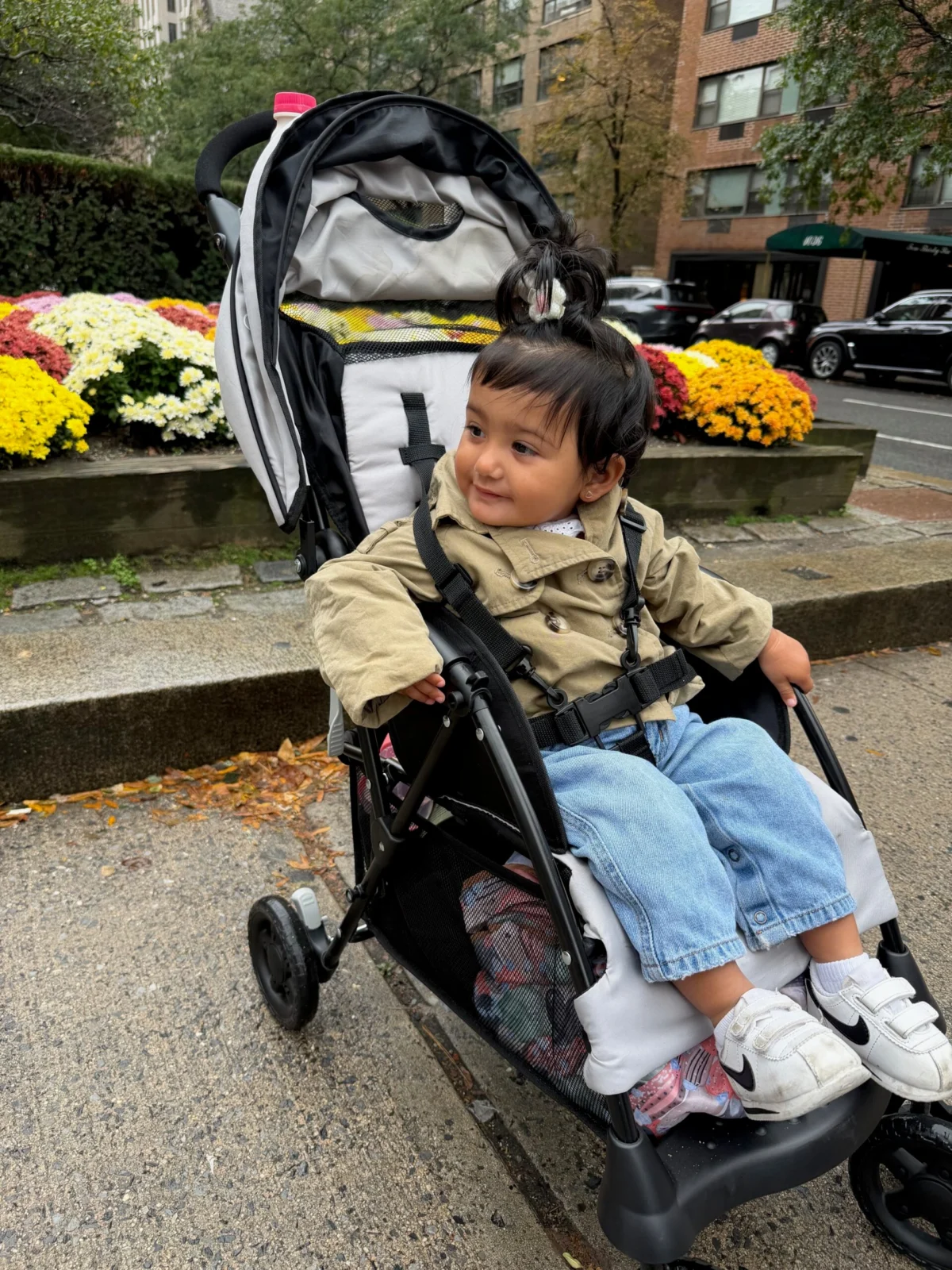
The complexities of navigating professional obligations while fulfilling parental duties were recently highlighted during a multi-day business engagement in New York City, where an incident involving a traveling mother and a local resident underscored the enduring strength of informal maternal support networks. This event, occurring in the context of a high-pressure urban environment, serves as a focal point for examining the sociological phenomenon often referred to as "the village"—a decentralized system of mutual aid among caregivers that facilitates the management of childcare logistics in modern society.
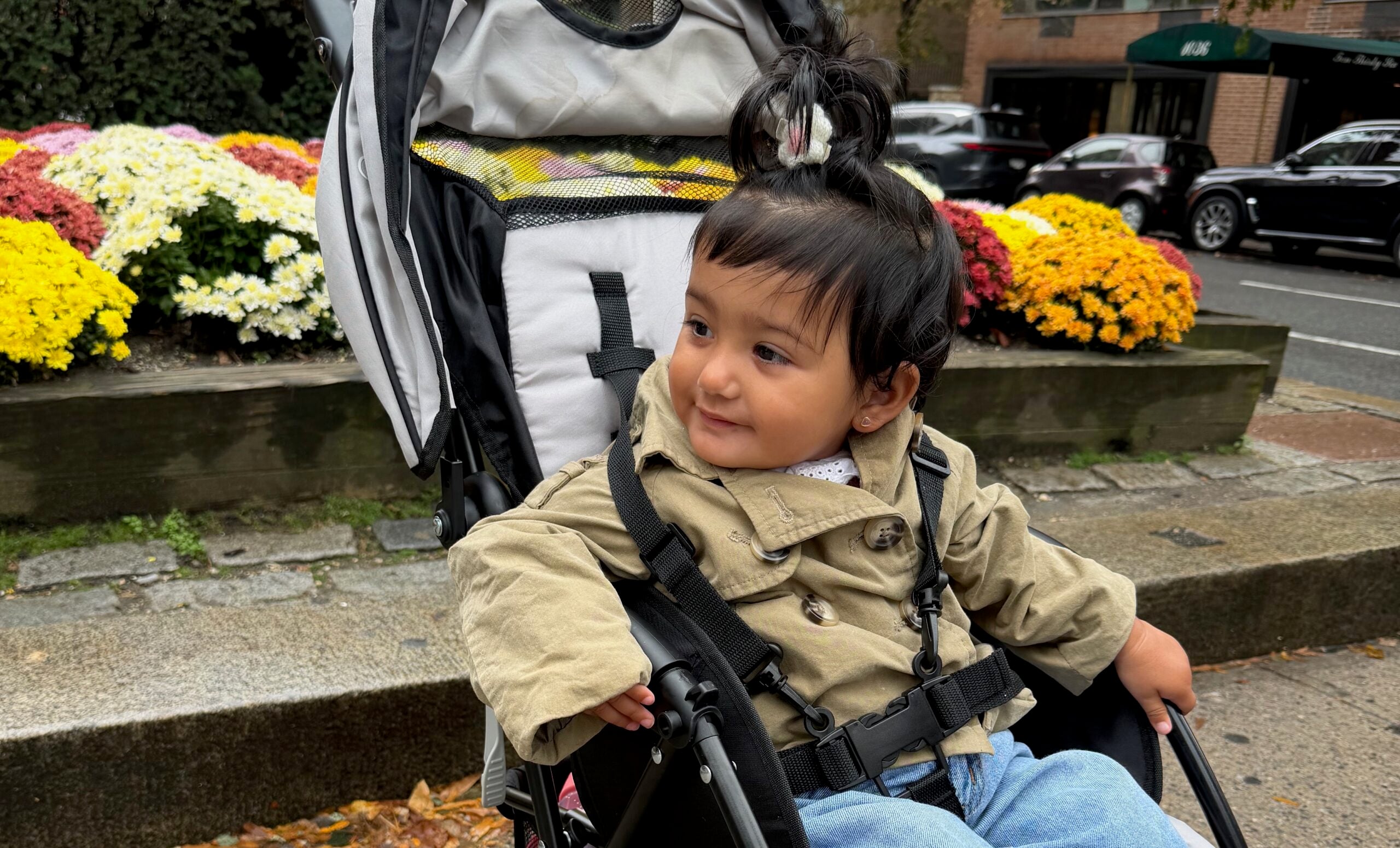
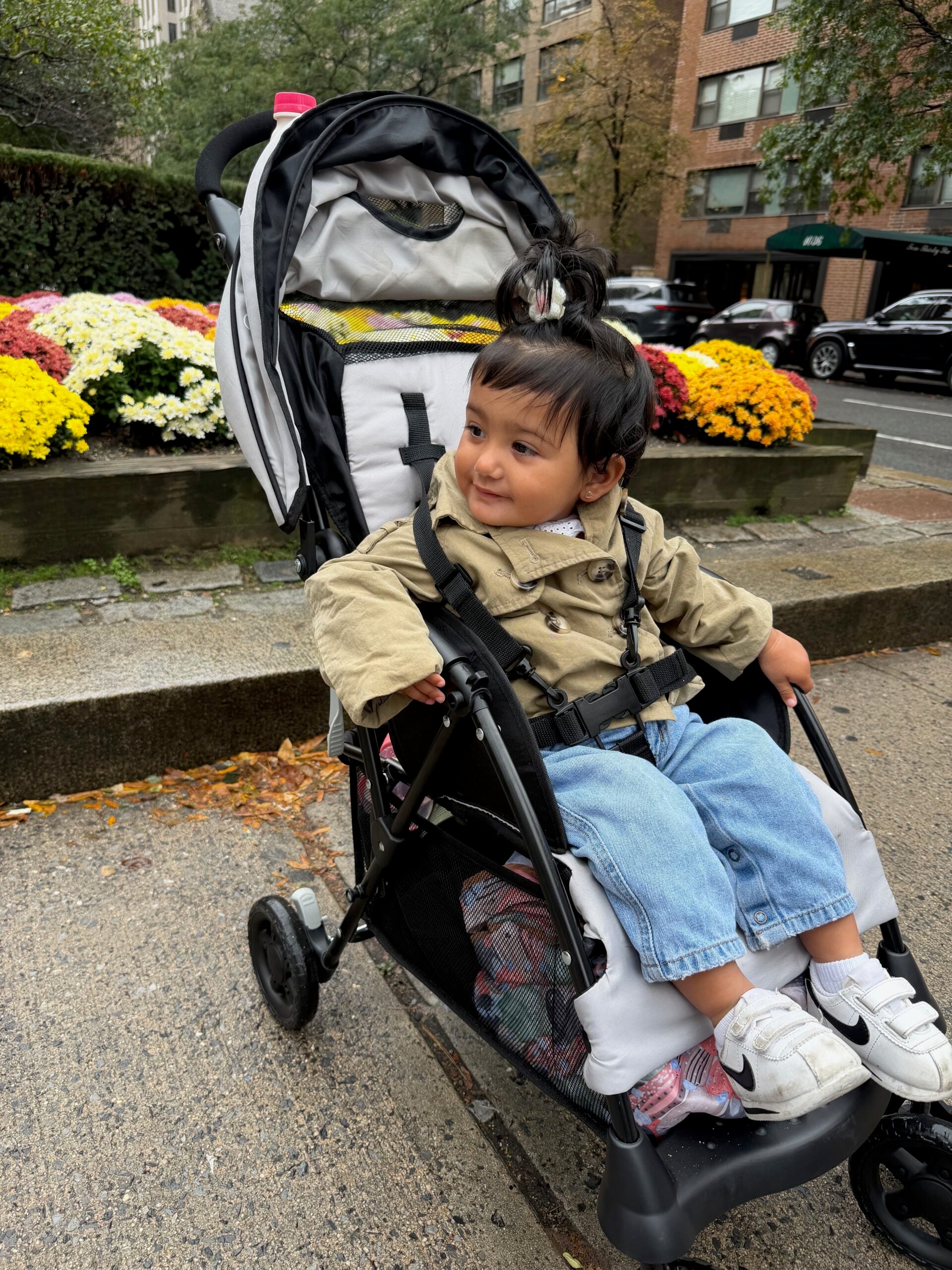
On the second day of a scheduled professional visit to Manhattan, a mother traveling with her one-year-old daughter, Evelynn, encountered a logistical crisis that threatened the stability of her itinerary. The trip’s schedule included high-profile engagements at notable New York institutions, including a luncheon at the Brooklyn-based restaurant Sailor, a series of interviews with newlywed couples at New York City Hall, and a scheduled wellness session at Blissful. These activities required a coordinated childcare effort involving two assistants, Angela and Ally, who had volunteered to supervise the infant during the mother’s working hours. However, the morning of the departure for these engagements was marked by the sudden realization that essential soothing implements—specifically, pacifiers—had been inadvertently left at the hotel.
The Logistics of Parental Travel and Cognitive Load
The incident highlights a broader trend in the challenges faced by working parents who travel with infants. According to data from the Family Travel Association, approximately 30% of parents report that the "logistical stress" of ensuring all necessary equipment is present constitutes the most significant barrier to successful travel. The "cognitive load" of parenting—the invisible labor of remembering schedules, comfort items, and safety protocols—is often amplified in unfamiliar urban settings like New York City, where the pace of life and the density of the population can exacerbate the psychological impact of a forgotten item.
In this instance, the traveler reported physical symptoms of stress, including sweating and a sense of impending panic, upon discovering the absence of the pacifier. This reaction is consistent with psychological studies on "parental urgency," where the potential for infant distress triggers an acute stress response in the caregiver. The pacifier, while a small object, serves as a critical tool for emotional regulation in infants, making its absence a significant operational failure in the context of a day-long separation between mother and child.
Chronology of the Intervention
At approximately 9:00 AM, the mother initiated a search for a replacement item at a local drugstore on the Upper East Side. Despite the high density of retail outlets in Manhattan, specialized infant supplies are not always immediately accessible or organized in a manner conducive to rapid retrieval. Upon failing to locate the necessary items on the shelves, the mother engaged with another patron—a local mother accompanied by an infant in a stroller.
The interaction followed a predictable pattern of maternal solidarity. When the traveler inquired about the location of pacifiers, the stranger did not merely offer directions but actively participated in the search. This collaborative effort culminated in a notable act of generosity: when it became clear that the store’s inventory was insufficient, the local resident offered a clean, spare pacifier from her own personal supplies.
This transaction, while brief, represents a significant transfer of social capital. By providing a necessary resource to a stranger without expectation of reimbursement, the local mother reinforced a long-standing cultural norm within the parenting community: the prioritization of child welfare over individual property.
The "Village" Concept and Informal Mutual Aid
The concept of "the village" has been a cornerstone of child-rearing discourse for decades, yet its manifestation in the 21st century has shifted from kinship-based networks to situational peer support. Abbey Nova, a noted commentator on parenting dynamics, has previously observed that the generosity of other women is a critical component of the modern maternal experience. Nova’s research suggests that mothers frequently act as a "redundancy system" for one another, filling in gaps left by the inevitable lapses in memory or planning that occur under the pressure of modern life.
Data from the Pew Research Center indicates that nearly 70% of mothers feel they are doing a "good job" at parenting, yet a similar percentage report feeling overwhelmed by the expectations of the role. In urban centers like New York, where traditional extended family structures are often absent due to migration and professional mobility, these brief encounters with strangers serve as a vital substitute for the traditional support network.
Urban Infrastructure and the Challenges of Childcare
The setting of this incident—New York City—provides a unique backdrop for analyzing parental stress. While the city offers world-class amenities, its infrastructure often presents hurdles for those with small children. Navigating the Metropolitan Transportation Authority (MTA) subway system with a stroller, for example, remains a significant challenge, with only about 25% of stations being fully accessible.
Furthermore, the cost of childcare in New York City is among the highest in the United States. A report from the Economic Policy Institute indicates that the average annual cost of infant care in New York is approximately $15,000, or $1,250 per month. These economic pressures, combined with the logistical difficulties of the city, create a high-stakes environment for parents. In such a climate, small acts of kindness—such as sharing a pacifier or helping a mother carry a bag—take on an outsized importance, acting as a buffer against the friction of urban life.
Analysis of Implications for Working Mothers
The successful resolution of the pacifier crisis allowed the traveler to proceed with her professional obligations, including her work with the "Cup of Jo" editorial team. This outcome underscores the symbiotic relationship between personal support systems and professional productivity for working mothers. When the "logistical safety net" provided by the community functions effectively, it enables parents to engage more fully in the workforce.
The incident also highlights the role of digital communities in reinforcing these real-world behaviors. The traveler’s account was shared via a popular lifestyle platform, where it garnered over 170 comments from other parents sharing similar experiences of "stranger-aided" parenting. This digital echo chamber serves to codify the expectation of mutual aid, encouraging more parents to offer help when they see others in distress.
Broader Sociological Perspectives
From a sociological standpoint, the interaction in the drugstore is an example of "generalized reciprocity." Unlike direct exchange, where an item is traded for another of equal value, generalized reciprocity involves giving without a specific return, under the assumption that the community as a whole will benefit and that the giver may one day be a receiver.
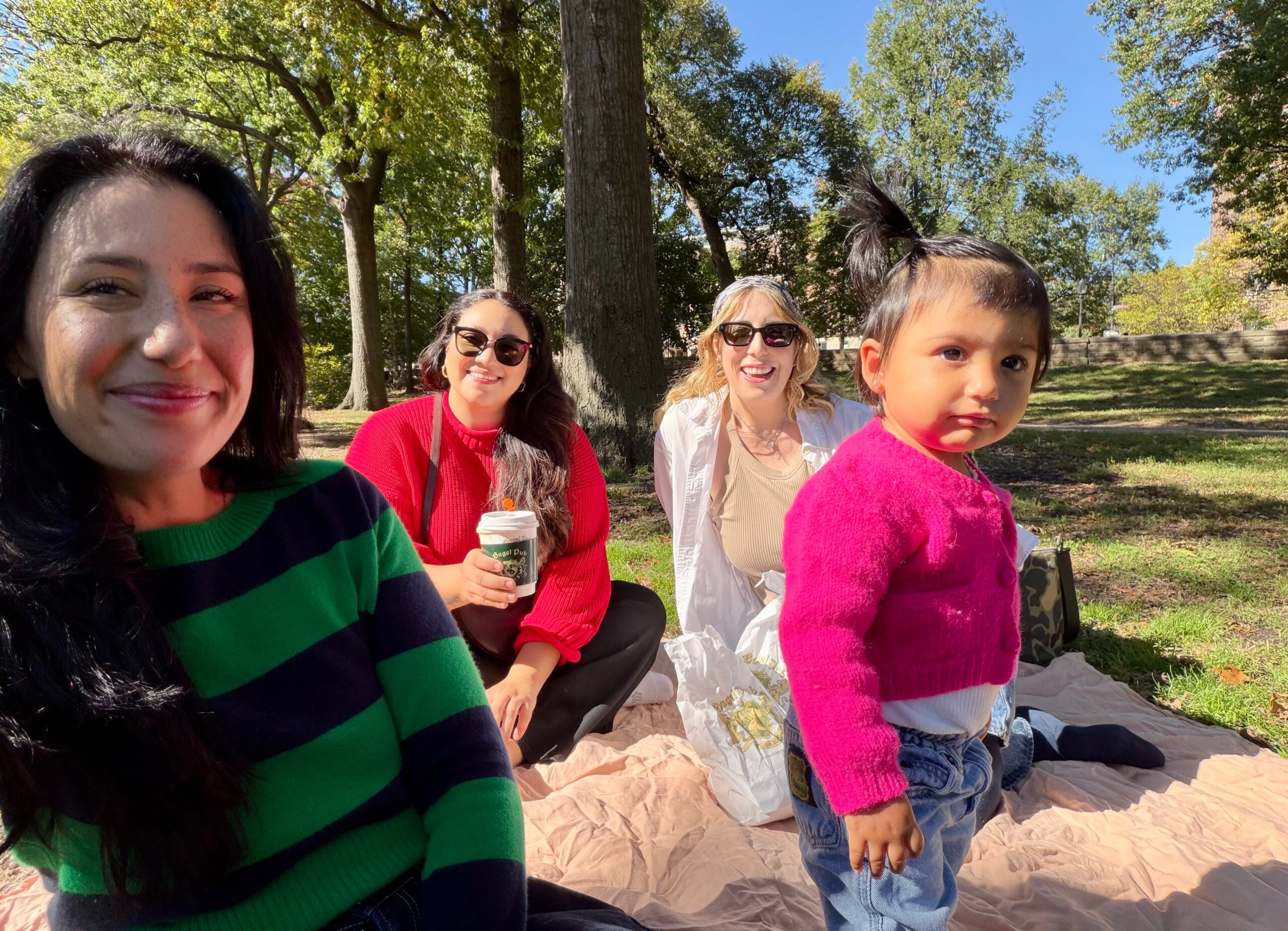
Experts in social cohesion argue that these micro-interactions are the "glue" that holds dense urban populations together. In a city of over eight million people, the knowledge that a stranger might offer a pacifier, a snack, or a helping hand creates a sense of psychological safety. This is particularly relevant for "solo travelers" or parents working in isolation, for whom the city can otherwise feel indifferent or hostile.
Conclusion and Outlook
The case of the forgotten pacifier in New York City is more than a personal anecdote; it is a data point in the ongoing study of how modern parents navigate the intersection of career and caregiving. The intervention by a local mother demonstrates that despite the perceived anonymity of the "big city," maternal solidarity remains a potent force.
As urban centers continue to evolve, the importance of these informal support networks is likely to grow. Policy makers and urban planners may look toward these natural patterns of mutual aid when designing more "family-friendly" cities. Until then, the resilience of the "village" remains dependent on the individual actions of parents who, remembering their own moments of desperation, choose to reach into their bags and offer a spare pacifier to a stranger in need. The event serves as a reminder that the most effective solutions to the complex problems of parenting are often found in the simplest acts of human connection.
