

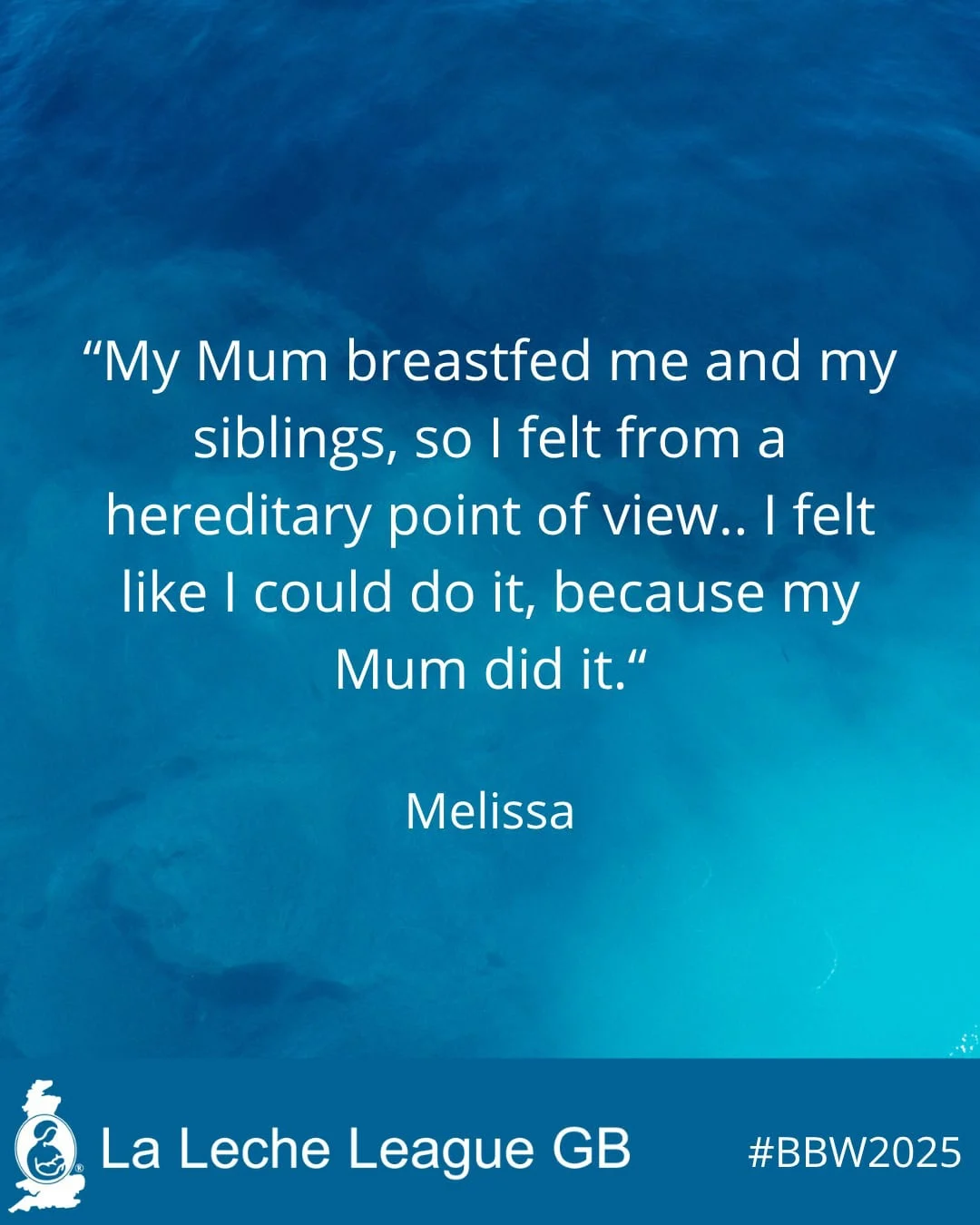
Black Breastfeeding Week, observed annually during the last week of August, stands as a critical initiative dedicated to elevating the historically underrepresented voices and lived experiences of Black women within the global breastfeeding community. This dedicated observance underscores the profound importance of storytelling, connection, and culturally congruent support, principles deeply embedded in organizations like La Leche League, which champions the power of shared narratives to foster a global community of mothers learning from and supporting one another. Amidst this vital week, the experience of Melissa from London, a mother navigating the complexities of breastfeeding her five-month-old, offers a poignant and illustrative narrative of resilience, community-building, and the pursuit of informed support. Her audio reflections, captured during the everyday act of comforting her child to sleep, provide invaluable insights into the personal dimensions of a journey often fraught with systemic barriers and a lack of culturally sensitive resources.
The Genesis of Black Breastfeeding Week: A Call for Equity and Recognition
Established in 2012 by a trio of influential Black women—Kimberly Seals Allers, Kiddada Green, and Anayah Sangodele-Ayoka—Black Breastfeeding Week emerged from a pressing recognition of profound disparities and historical injustices that disproportionately affected Black mothers and infants. For decades, Black women in the United States, and indeed globally, have faced significantly lower breastfeeding initiation and duration rates compared to their white counterparts. This gap is not merely a statistical anomaly but a reflection of deep-seated systemic issues, historical trauma, and a pervasive lack of culturally competent support within mainstream healthcare and lactation services. The founders identified six core reasons for the necessity of this distinct observance: the high Black infant mortality rate, the high rates of preventable diseases in Black mothers and infants, the lack of diversity in the lactation field, the unique cultural barriers faced by Black women, the historical trauma of slavery and wet-nursing, and the aggressive and targeted marketing of infant formula within Black communities.
Before the establishment of Black Breastfeeding Week, conversations around breastfeeding often overlooked the specific challenges, historical context, and cultural nuances pertinent to Black families. This oversight contributed to feelings of isolation among Black mothers and perpetuated cycles of inadequate support. The week’s creation was a deliberate act of reclamation and advocacy, aiming to create a dedicated space for celebration, education, and empowerment that addresses these unique dynamics head-on. It serves as a platform to highlight successful Black breastfeeding stories, foster community, advocate for policy changes, and provide resources tailored to the needs of Black families. Since its inception, Black Breastfeeding Week has grown exponentially, garnering international recognition and catalyzing broader discussions about racial equity in maternal and infant health.
Understanding the Disparities: Data and Systemic Barriers
The disparities in breastfeeding rates among racial and ethnic groups are well-documented and underscore the urgency of initiatives like Black Breastfeeding Week. According to the Centers for Disease Control and Prevention (CDC), while overall breastfeeding rates have improved, significant gaps persist. For instance, in the U.S., data often indicates that Black infants have lower rates of ever being breastfed and lower rates of exclusive breastfeeding at six months compared to white infants. While initial rates may be comparable in some regions, the duration of breastfeeding tends to be shorter for Black mothers. For example, national data from recent years has shown that approximately 73.6% of Black infants are ever breastfed, compared to 85.3% of white infants. By six months, the disparity widens, with only around 45% of Black infants still breastfeeding, versus 60% of white infants. These statistics represent more than just numbers; they reflect health inequities with long-term implications for both maternal and infant health.
Lower breastfeeding rates among Black mothers are associated with higher incidences of various health conditions. For infants, this can include increased risks of sudden infant death syndrome (SIDS), respiratory infections, ear infections, asthma, and childhood obesity. For mothers, suboptimal breastfeeding duration is linked to higher risks of type 2 diabetes, certain types of breast and ovarian cancers, and postpartum depression. These health outcomes contribute to the broader landscape of racial health disparities, where Black communities often bear a disproportionate burden of chronic diseases.
The reasons behind these disparities are multifaceted and deeply entrenched in systemic issues. Historical trauma, particularly the legacy of slavery where Black women were forced to wet-nurse white infants while their own children suffered, has left a profound impact on cultural perceptions of breastfeeding. This historical context is often compounded by contemporary challenges, including:
- Medical Mistrust: A deep-seated mistrust in the medical system due to historical abuses and ongoing experiences of racial bias in healthcare settings.
- Lack of Culturally Competent Support: Insufficient numbers of Black lactation consultants and healthcare providers who understand and respect the cultural nuances of Black families. Many Black mothers report feeling unheard, dismissed, or unsupported by healthcare professionals.
- Socioeconomic Factors: Higher rates of poverty, limited access to paid parental leave, and inadequate workplace accommodations make sustained breastfeeding challenging for many Black mothers, who often return to work sooner out of economic necessity.
- Aggressive Formula Marketing: Historically, infant formula companies have disproportionately targeted Black communities with marketing campaigns, contributing to the normalization of formula feeding.
- Generational Gaps in Knowledge and Support: Due to historical factors, many Black women may not have grown up seeing breastfeeding widely practiced in their families or communities, leading to a lack of intergenerational knowledge and support.
Melissa’s Journey: A Personal Reflection on Universal and Unique Challenges
Melissa’s experience, captured in her candid audio reflections, serves as a powerful testament to the individual struggles and triumphs inherent in the breastfeeding journey, while also highlighting the particular resonance of Black Breastfeeding Week. Her narrative echoes many common themes while implicitly underscoring the need for the specific community she sought.
When asked why breastfeeding mattered to her, Melissa likely articulated a deeply personal connection, perhaps citing the undeniable bond it fosters with her child, the profound health benefits for both mother and baby, or a sense of empowerment derived from providing complete nourishment. For many mothers, breastfeeding is an intimate act of love and a foundational element of early motherhood, often perceived as a natural and ideal start for their infant.
Her reflections on prior perceptions of breastfeeding and family history would reveal much about the societal context she grew up in. In communities where breastfeeding rates have historically been lower, many Black women might not have witnessed it frequently among family members or close friends. This lack of visible role models can shape initial perceptions, potentially leading to a belief that breastfeeding is uncommon, difficult, or not the norm. Melissa’s experience likely reflects a journey from perhaps limited exposure to a conscious decision to breastfeed, potentially breaking generational cycles or embracing a practice that was not widely championed in her immediate environment.
The attitudes of friends and family often play a crucial role in a mother’s breastfeeding success. Melissa’s account of their reactions could range from unwavering support and encouragement to skepticism, unsolicited advice, or even subtle pressures to formula feed. Within Black communities, where historical factors and targeted marketing have influenced perceptions, family members might express concerns about convenience, nutrition adequacy, or even a perceived lack of "modernity" associated with breastfeeding. Navigating these varied responses requires immense resilience and often highlights the need for a strong, informed support network.
Melissa’s candid disclosure of what she wished she had known before embarking on her nursing journey, and the barriers she faced, resonates with countless mothers. Common challenges include initial pain, latch difficulties, concerns about milk supply, exhaustion, and the immense learning curve involved. For Black mothers, these universal challenges can be exacerbated by the systemic barriers mentioned earlier: a lack of diverse lactation consultants who can offer culturally sensitive advice, feelings of isolation due to a lack of representation, and the added stress of societal prejudices. She might have wished for more comprehensive prenatal education, earlier access to expert support, or a clearer understanding of the emotional and physical demands of breastfeeding.
Crucially, Melissa spoke about the useful sources of help and support she found. This segment likely underscored the invaluable role of peer support groups, such as those provided by La Leche League, online communities, and the guidance of dedicated lactation professionals. For many Black mothers, finding a support system that truly understands their unique cultural context and lived experiences is paramount. Such spaces offer not only practical advice but also emotional validation and a sense of belonging.
Finally, Melissa’s insights into how she built her supportive community directly address the core mission of Black Breastfeeding Week. Her quest for "likeminded community" speaks volumes. In a world where Black women’s breastfeeding journeys have been marginalized, finding a network of individuals who share similar experiences, offer understanding, and provide encouragement is transformative. This community could comprise other Black mothers, culturally aware lactation consultants, or inclusive support groups that prioritize diverse voices. It is within such communities that confidence is fostered, isolation is combatted, and the collective wisdom of shared stories empowers individual mothers to thrive.
Official Responses and Broader Implications
Organizations like La Leche League (LLL) actively champion the principles central to Black Breastfeeding Week. A spokesperson for La Leche League International might emphasize that "stories like Melissa’s are not just personal anecdotes; they are vital threads in the fabric of a global movement towards inclusive and equitable breastfeeding support. Our commitment is to create spaces where every mother feels seen, heard, and supported, and Black Breastfeeding Week is a crucial time to amplify those voices that have historically been marginalized." LLL’s peer-to-peer support model inherently aligns with the need for community and shared experience, recognizing that the most powerful form of support often comes from those who truly understand the journey.
Public health advocates and government bodies increasingly acknowledge the critical role of breastfeeding in achieving health equity. Statements from organizations like the American Academy of Pediatrics or the World Health Organization often underscore the need for systemic changes to support breastfeeding for all populations, particularly those facing health disparities. This includes advocating for universal paid parental leave, mandatory workplace lactation accommodations, increased diversity within the lactation consultant profession, and comprehensive anti-racism training for healthcare providers. These policy recommendations aim to dismantle the structural barriers that disproportionately affect Black mothers and ensure that breastfeeding is a viable and supported choice for every family.
The broader impact and implications of Black Breastfeeding Week extend far beyond the last week of August. It is a catalyst for ongoing dialogue about racial justice in healthcare, reproductive rights, and the fundamental right to health. By shining a spotlight on Black breastfeeding, the initiative actively challenges negative stereotypes, promotes positive imagery, and fosters a cultural shift towards greater acceptance and celebration of breastfeeding within Black communities. It empowers mothers to reclaim their narratives, advocate for themselves and their children, and build resilient support networks.
Moreover, the week encourages greater investment in research that specifically addresses the unique challenges and needs of Black families, leading to more targeted and effective interventions. It also calls for greater accountability from healthcare institutions to address implicit bias and systemic racism that impede equitable care. The ultimate goal is to ensure that every Black mother has the information, resources, and community support needed to make informed feeding choices and achieve her breastfeeding goals, thereby contributing to healthier mothers, healthier babies, and more equitable communities for generations to come. The power of a single story, like Melissa’s, when amplified through platforms dedicated to equity, becomes a beacon for collective change and a testament to the enduring human need for connection and understanding.
